

Behavior Recognition for Medical Practical Training
A medical practical-training program needed to recognize procedural actions, compare them with a standard sequence, and provide reviewable feedback to learners and instructors.
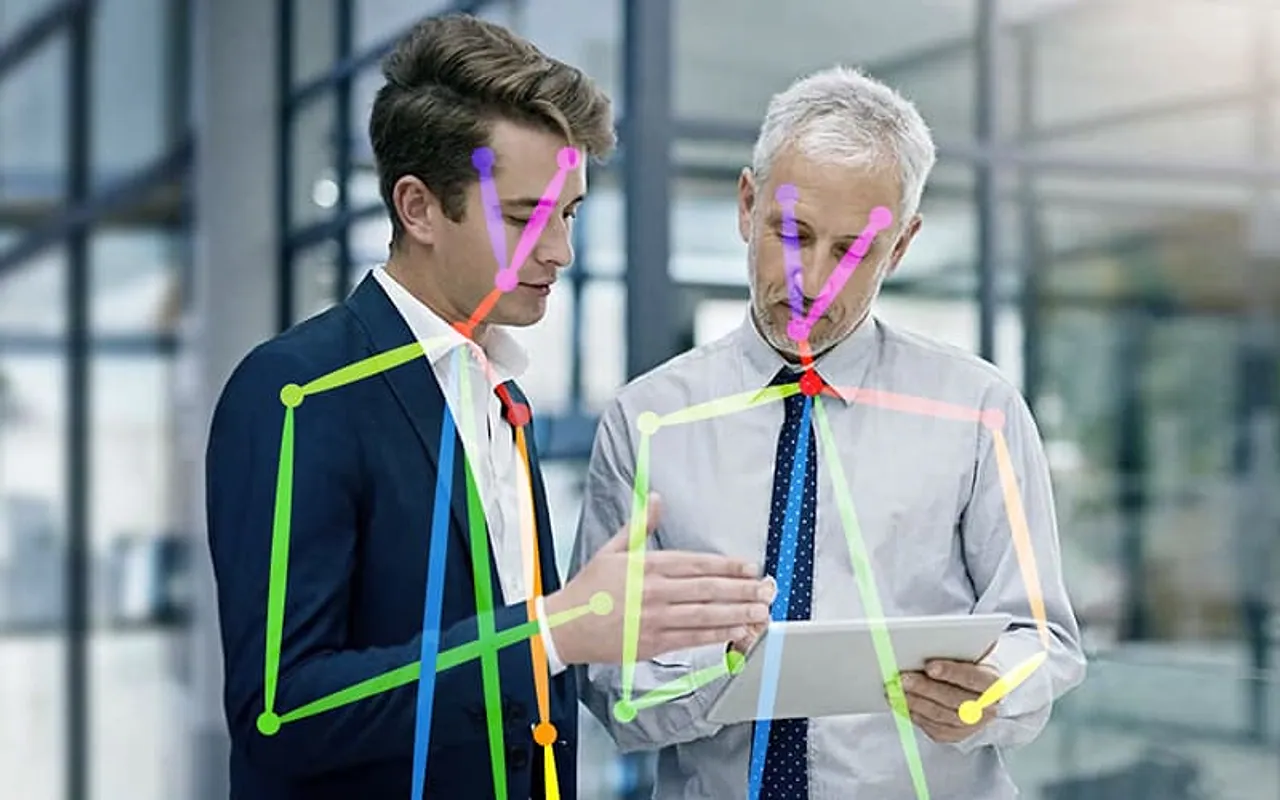
Recognize procedure, order, and context instead of isolated poses
People, instruments, occlusion, camera angles, similar gestures, timing, and room layout all affect whether a visual system can evaluate a practical sequence fairly.
- Project focus
- medical training behavior recognition
- Delivery scope
- Scene perception + Temporal recognition
- Operating goal
- Sequence-aware evaluation
The model was only one part of the operating system
- 01
Capture representative viewpoints without obstructing training
- 02
Recognize relevant people, tools, zones, and temporal actions
- 03
Distinguish sequence errors from harmless variation
- 04
Keep instructors able to inspect and correct the result
Combine scene understanding with a transparent evaluation workflow
ZedIoT designed the camera input, detection and tracking, action sequence model, procedure rules, confidence handling, instructor review, learner feedback, and reporting workflow.
Scene perception
People, tools, regions, and relevant objects are detected and tracked.
Temporal recognition
Actions are interpreted across time rather than from one frame.
Procedure model
Expected steps, allowed variation, omissions, and ordering remain explicit.
Instructor review
Video evidence, confidence, and exceptions support human correction.
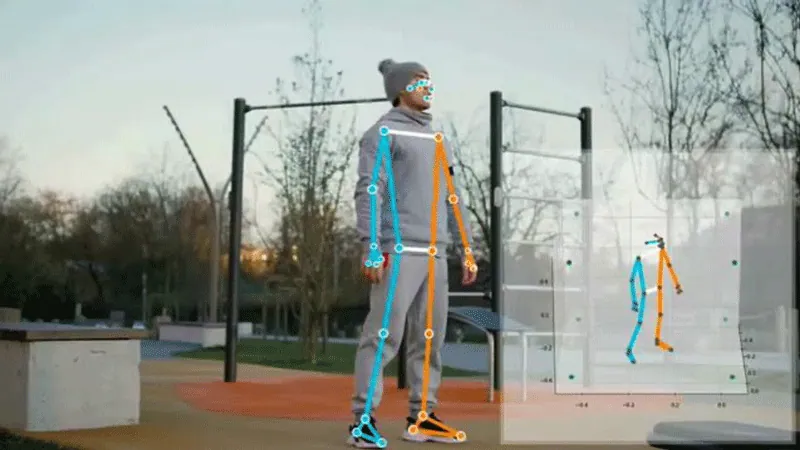
A reviewable workflow around the model
The review interface linked detected posture and actions to the practical training sequence without replacing instructor judgment.
A reviewable path from video to training feedback
Observe
Multiple camera views capture the practical exercise.
Recognize
Models identify people, tools, actions, and sequence context.
Evaluate
Procedure rules compare observed and expected behavior.
Coach
Learners and instructors review evidence, feedback, and reports.
More consistent feedback without removing the instructor
The project created a scalable way to review practical exercises while keeping model uncertainty and instructor judgment visible.
Sequence-aware evaluation
The system considered procedure order and context rather than only isolated movements.
Evidence-linked feedback
Detected issues could be reviewed against the relevant video and rule.
Instructor control
Human reviewers could confirm, correct, and use the output as training evidence.
Recognition accuracy and fairness require representative training data, camera validation, privacy controls, instructor review, and careful definition of what the system is allowed to score.
medical training behavior recognition questions
What did ZedIoT deliver for this medical training behavior recognition project?
ZedIoT designed the camera input, detection and tracking, action sequence model, procedure rules, confidence handling, instructor review, learner feedback, and reporting workflow. The final scope depended on the customer's devices, interfaces, operating workflow, and acceptance criteria.
Can this project pattern be adapted to another product or site?
Yes. The reusable pattern is the way observe, recognize, evaluate are connected. Device protocols, deployment topology, data ownership, and operating rules are validated for each new project.
What should be confirmed before starting a pilot?
A useful pilot starts with representative hardware, interface documentation, real operating conditions, expected users, failure cases, and measurable acceptance criteria. Recognition accuracy and fairness require representative training data, camera validation, privacy controls, instructor review, and careful definition of what the system is allowed to score.
Planning a related AI + IoT project?
Share the current device or system, the operating problem, available interfaces, intended users, and the result you need to validate. ZedIoT can help define a focused prototype and production path.
- AI + IoT product architecture review
- Hardware, firmware, cloud, and application integration
- Prototype planning and production support