
AI hardware solutions for smart device upgrades
ZedIoT helps product teams upgrade ordinary equipment into smarter connected devices by adding communication modules, voice AI modules, ESP32-S3 class controllers, TinyML behavior, firmware, and platform workflows.
Upgrade ordinary devices with AI capability, not just a bigger edge box
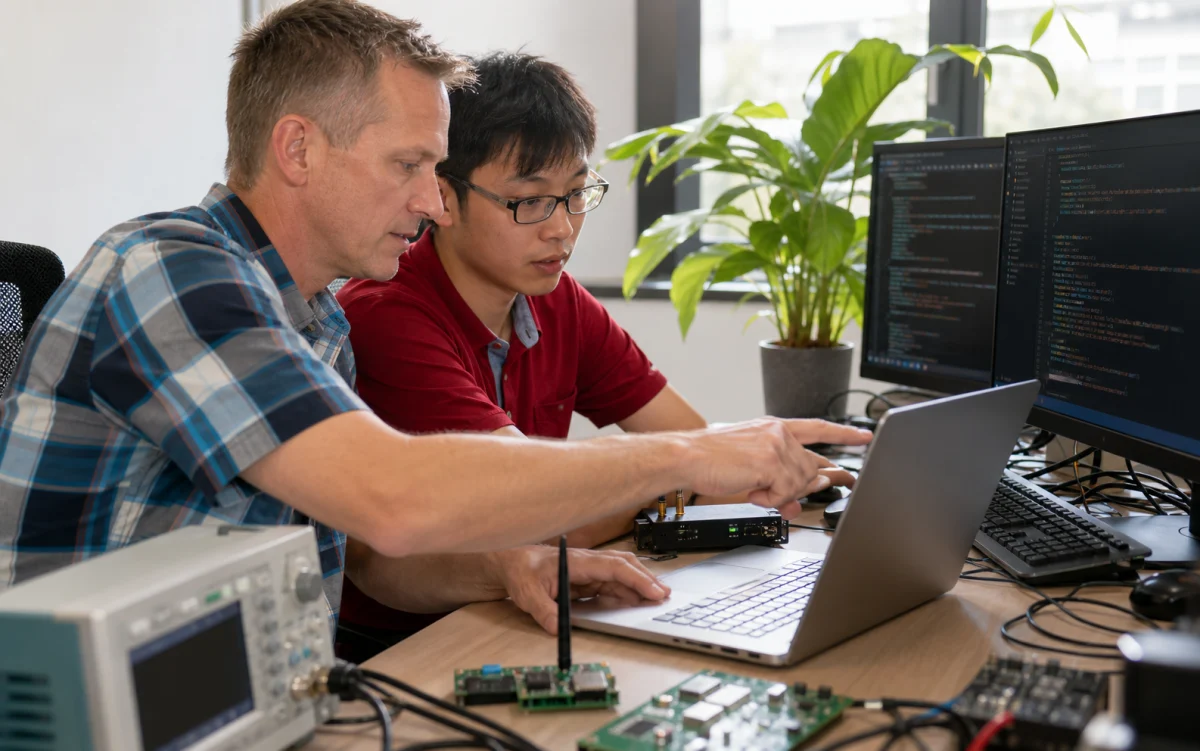
The useful starting point is the existing device: what it already controls, which signals it exposes, where users interact with it, and which AI capability would make the product easier to operate or maintain.
Smart device retrofit
Add connectivity, voice interaction, cloud AI calls, local rules, or TinyML inference to ordinary equipment without rebuilding the whole product.
Communication modules
Use Wi-Fi, BLE, LTE, Zigbee, RS485, MQTT, HTTP, or gateway modules to make legacy controllers and devices visible to software.
Voice and AI modules
Embed microphones, speakers, ASR, TTS, wake word, LLM calls, and safe command confirmation when products need conversational control.
On-device intelligence
Run TinyML, lightweight vision, anomaly detection, local thresholds, and fallback logic when cloud-only AI is too slow or fragile.
Smart hardware projects fail when the retrofit path is chosen before the device is understood
A normal product can become intelligent in several ways. It may only need a wireless module, or it may need voice interaction, an ESP32-S3 controller, TinyML, a gateway, or a custom board. The wrong choice creates cost, power, enclosure, support, and maintenance problems later.
Retrofit path is unclear
A product may need only a communication module, a voice add-on, an ESP32-S3 bridge, or a TinyML path instead of a full new AI box.
Firmware and modules must fit
Power, antenna, UART, GPIO, enclosure space, boot behavior, and update method decide whether a smart upgrade survives production.
Cloud AI needs guardrails
ESP32-S3 and gateway products can call cloud AI, but commands, identity, logs, retries, and offline fallback must be designed.
TinyML has tight limits
Local keyword, sensor anomaly, or lightweight vision models need realistic memory, power, data quality, and calibration planning.
From existing device signal to smarter local behavior and useful cloud evidence
The architecture keeps the product upgrade practical: capture what the device already exposes, add the smallest reliable intelligence layer, and connect only useful events to the platform or business workflow.
Existing equipment
Controllers, displays, motors, relays, pumps, cabinets, terminals, cameras, microphones, or sensors already create useful signals.
Upgrade module
A communication module, ESP32-S3 board, voice module, gateway, custom PCBA, or edge box is selected around the product constraint.
Smart runtime
Firmware, local rules, TinyML, cloud AI calls, voice workflow, diagnostics, and OTA behavior run around the device's real behavior.
Cloud and platform loop
Useful events, logs, conversations, alarms, model results, and service records sync to ZedIoT or customer-owned systems.
Business workflow
Operators receive alerts, evidence, work orders, API updates, dashboards, and support records they can act on.
Choose the upgrade path by product constraint, not by one fixed hardware SKU
The right AI hardware route can be light. Many products become smarter through a communication module, ESP32-S3 class controller, voice module, or TinyML runtime. A larger edge box is only one option when workload and field conditions really require it.
Communication module retrofit
For legacy controllers or devices that mainly need reliable networking, telemetry, commands, OTA, and remote diagnostics.
ESP32-S3 AI bridge
For products that need low-cost Wi-Fi/BLE, local UI or sensing, and controlled calls to cloud AI services.
Voice interaction module
For equipment that needs wake word, ASR, TTS, voice prompts, AI Q&A, or command confirmation at the device side.
TinyML or edge inference
For local anomaly, keyword, sensor pattern, or lightweight vision decisions where latency, privacy, or offline behavior matters.
Different devices need different AI upgrade paths
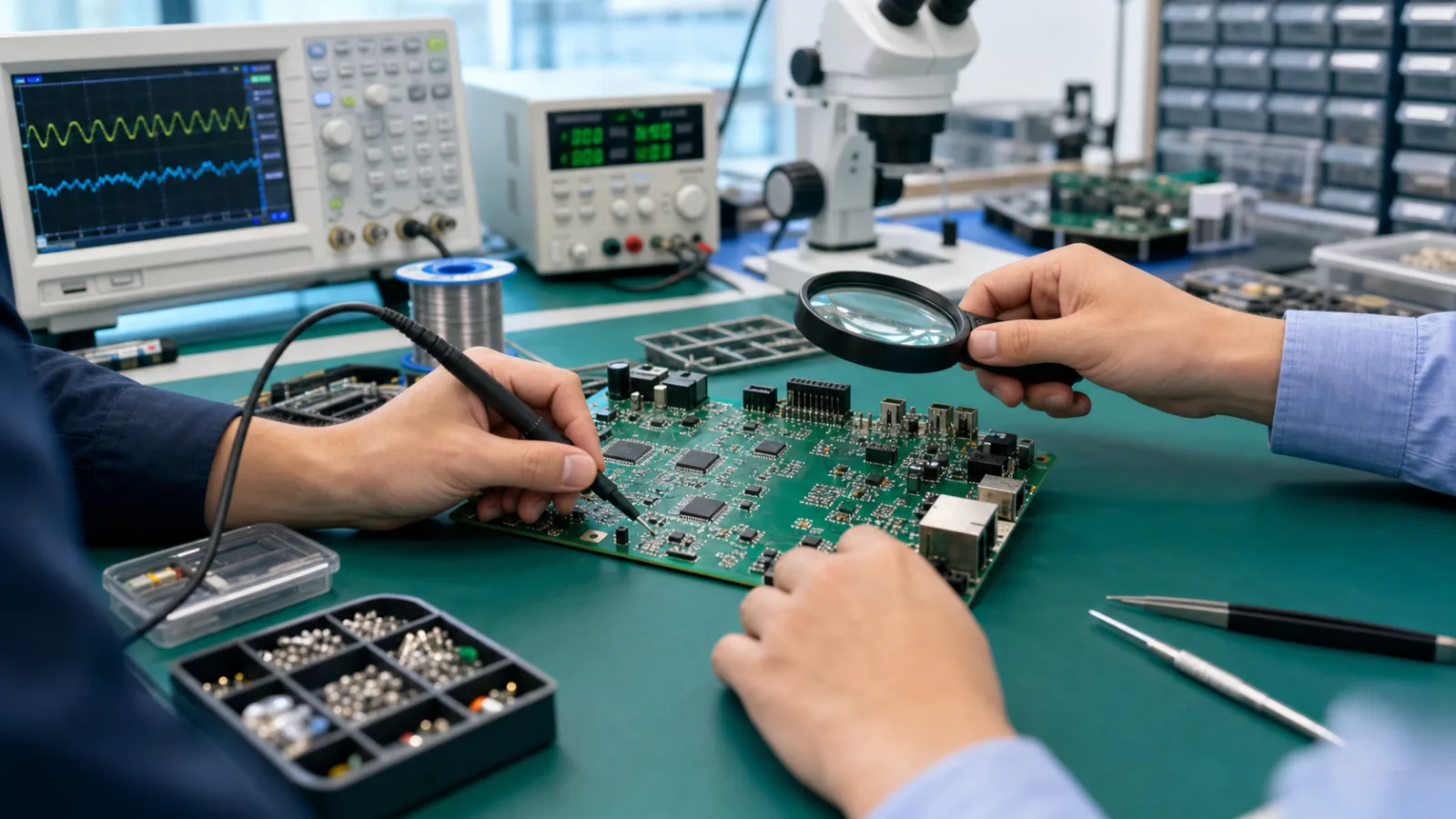
A smart hardware project should not force every product into the same box. The path changes with the controller, user interface, network, power, enclosure, and data sensitivity.
Legacy equipment networking
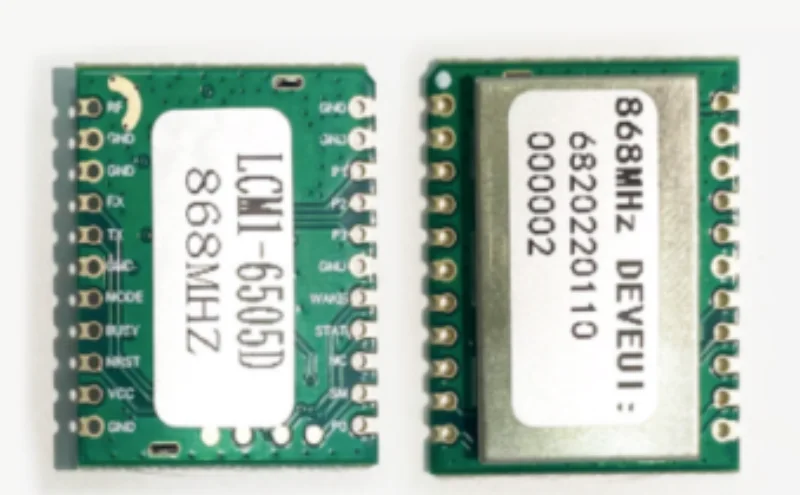
Add a communication module or compact gateway to equipment that already has a controller, serial port, or local signals.
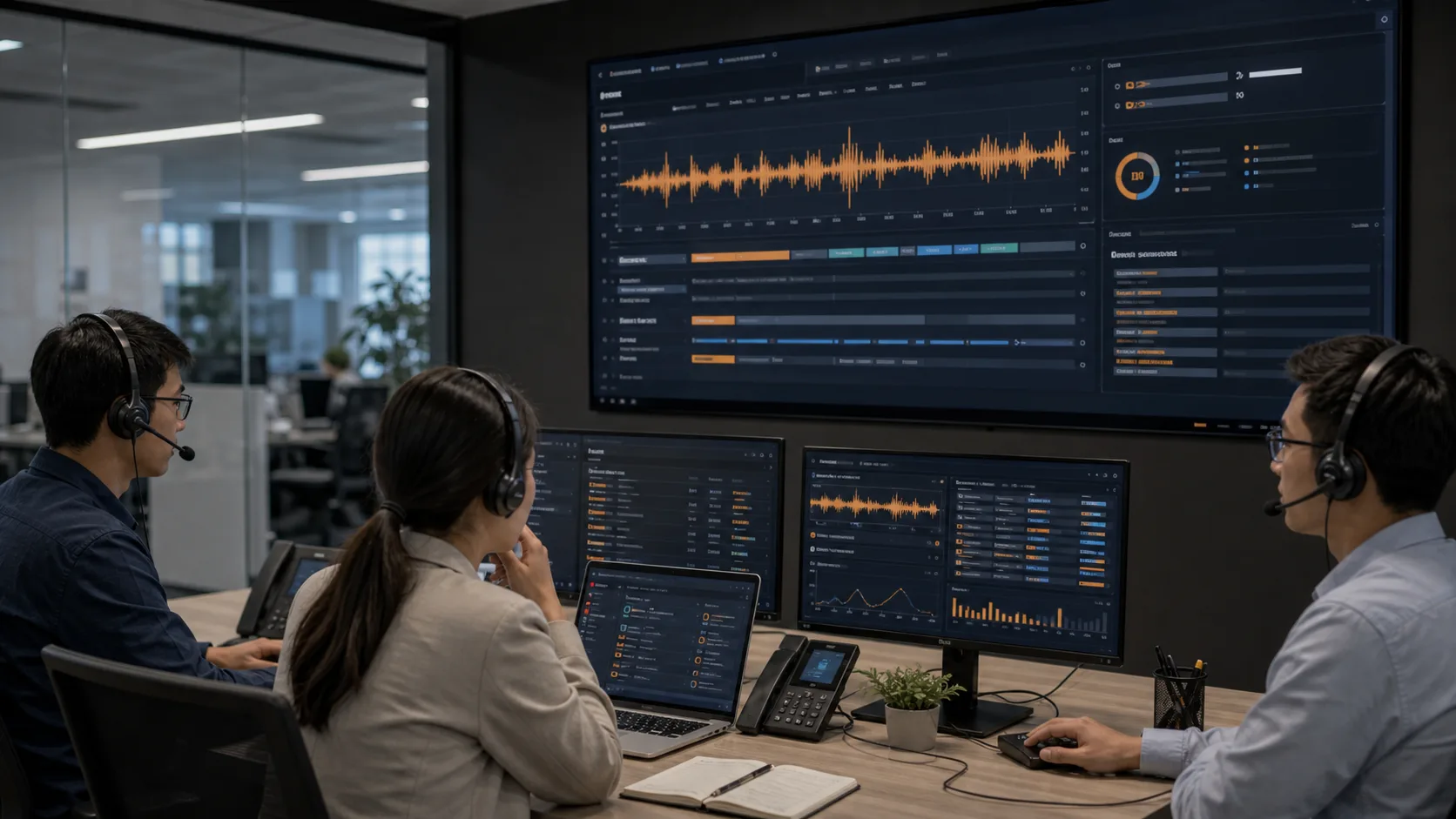
Voice-enabled device interface
Use microphones, speakers, ASR, TTS, and cloud LLM workflows to make terminals, appliances, or service devices easier to operate.
ESP32-S3 connected controller
Add Wi-Fi, BLE, sensor input, display control, secure cloud calls, and OTA behavior to compact embedded products.
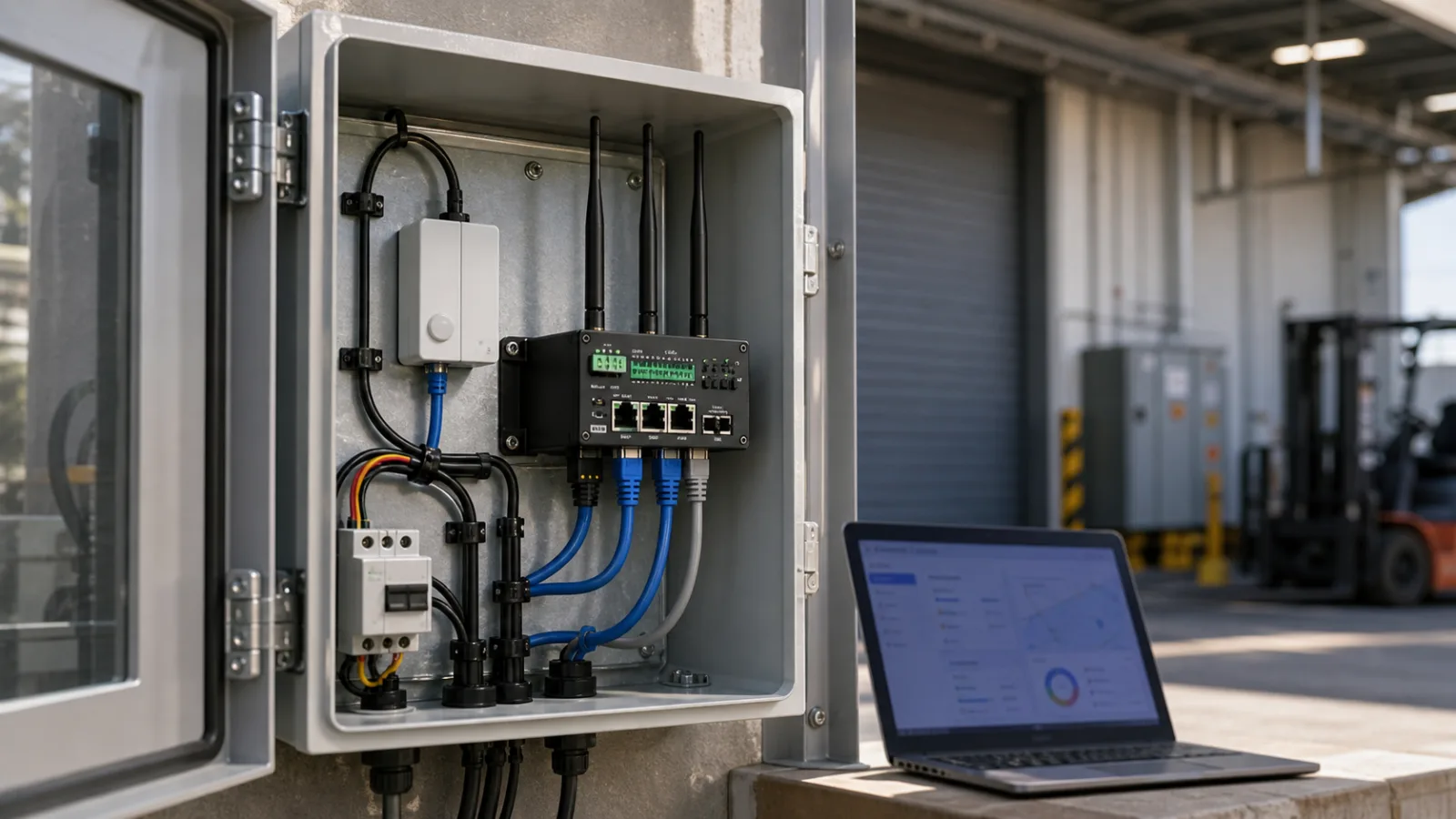
TinyML field intelligence
Run lightweight local detection or anomaly logic near sensors when the device needs instant response or network-independent behavior.

AI hardware delivery needs module, firmware, AI, cloud, and product teams to work as one system
The useful output is not only a module or an AI model. It is a maintainable upgrade path that connects device behavior, local intelligence, cloud AI, platform visibility, release support, and future product iterations.
Validate the smart hardware upgrade path before committing to production
A good pilot proves the existing device interface, module choice, AI behavior, cloud loop, and support handoff with representative field conditions.
- 01
Start from the existing device
Clarify the current controller, ports, sensors, power, enclosure, user interaction, and what intelligence the product actually needs.
- 02
Choose the upgrade path
Decide whether the right route is a communication module, ESP32-S3 bridge, voice module, TinyML path, gateway, or custom PCBA.
- 03
Build firmware and AI behavior
Implement networking, safe commands, cloud AI calls, local rules, TinyML or voice workflows, diagnostics, OTA, and fallback states.
- 04
Connect the operations loop
Send useful events, conversations, alarms, logs, and reports into dashboards, APIs, WMS, ERP, or support systems.
- 05
Pilot and production handoff
Confirm acceptance metrics, installation process, production notes, test fixtures, update policy, and expansion rules before scaling.
Questions before starting a smart hardware upgrade
Use these questions to decide whether the project should start from connectivity, firmware, voice AI, TinyML, gateway integration, or custom hardware.
Does an AI hardware project always need an edge AI box?
No. Many products can become smarter through a communication module, ESP32-S3 controller, voice AI module, TinyML runtime, gateway, or firmware upgrade. A larger edge AI box is useful only when the workload, interfaces, or field environment really require it.
What information is needed before choosing the upgrade path?
Useful inputs include the existing controller, ports, sensors, power, enclosure, antenna constraints, user interface, target AI behavior, cloud or local processing needs, expected volume, and the platform or app that will receive events.
Can ESP32-S3 products call cloud AI safely?
Yes, but the design should include identity, permissions, command confirmation, retries, logs, local fallback, and OTA behavior. Cloud AI should assist the device workflow without making the physical product unsafe when the network is weak.
When is TinyML a good fit?
TinyML is useful for small local decisions such as keyword detection, sensor anomaly checks, simple classification, wake-up behavior, or low-power edge filtering. It should be validated against memory, power, model accuracy, calibration, and production data limits.
How do we avoid building a smart hardware demo that cannot be produced?
Validate production constraints during the pilot: module availability, power, antenna, enclosure, interfaces, firmware update path, diagnostics, factory test steps, installation process, acceptance metrics, and support handoff.
Review a smart hardware upgrade direction with ZedIoT
Share the existing device, controller, ports, sensors, power, enclosure, user interaction, network conditions, target AI behavior, and production volume. We will help define the practical upgrade path.
- AI + IoT product architecture review
- Hardware, firmware, cloud, and application integration
- Prototype planning and production support