
Embedded voice AI for ASR, TTS, and device interaction
ZedIoT designs ASR, TTS, wake-word, local AI, and voice workflow integration for IoT devices, service terminals, smart hardware, and operational systems that need speech to become a reliable action.
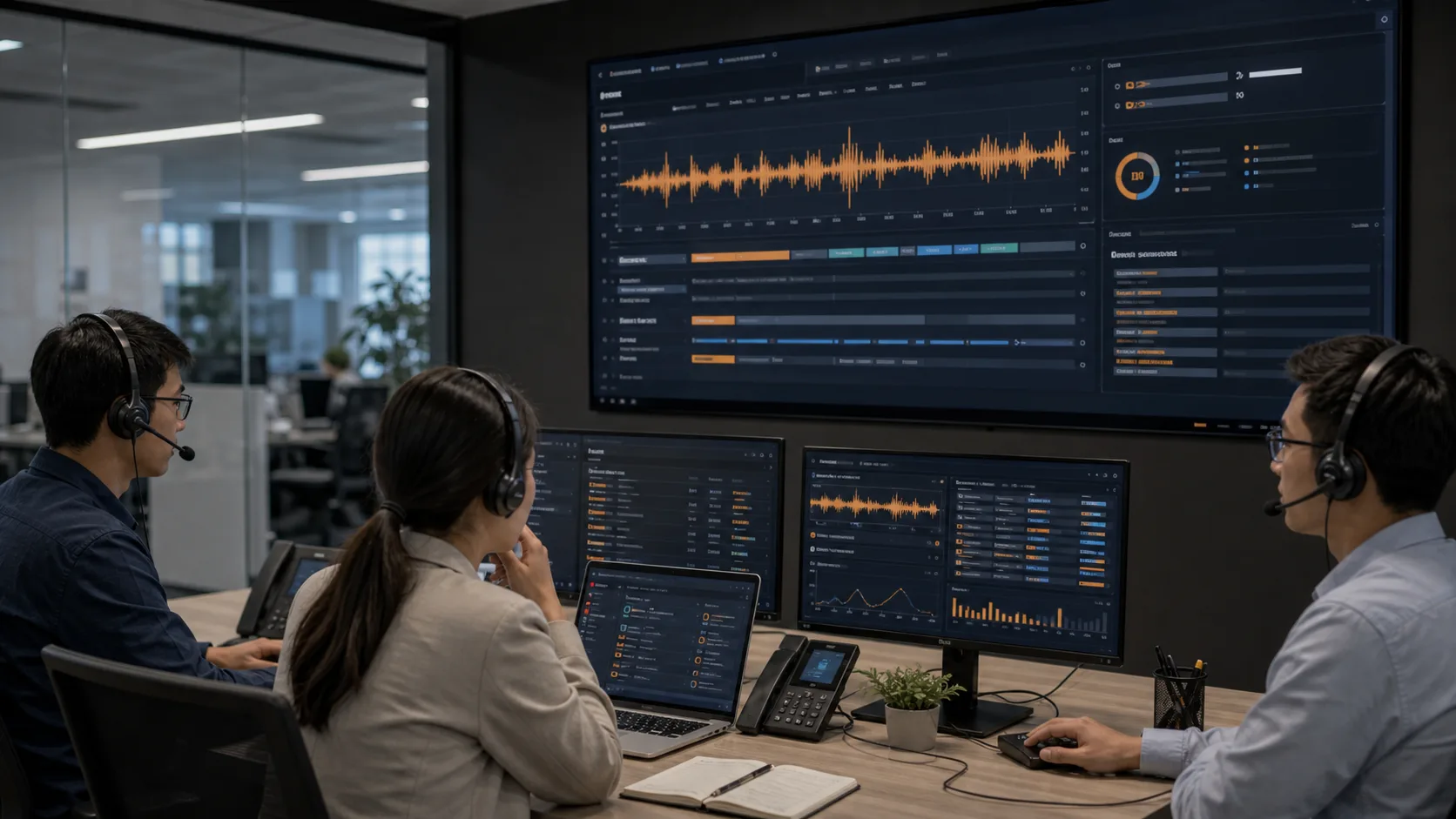
Voice AI should start from the environment and the action
A product demo can transcribe clean audio. A production voice AI solution must handle noise, latency, permissions, privacy, fallback behavior, and the workflow that receives the result.
Noisy real-world audio
Factories, stores, vehicles, service counters, and field devices require noise-aware ASR, wake-word strategy, and confidence handling.
Device commands need safety
Voice interaction must respect permissions, fallback states, device risk, logs, and operator confirmation where commands affect equipment.
Privacy and latency matter
Some products need edge-side inference, private deployment, or hybrid routing so audio and transcripts stay within the right boundary.
Voice must become a workflow
The final value is not a transcript alone; it is a ticket, command, summary, searchable record, or automation event.
From voice input to device command, transcript, or AI workflow
The architecture can stay simple for transcription projects or expand into local AI, knowledge retrieval, and device-control workflows when the product requires it.
Audio capture
Microphones, devices, terminals, calls, or inspection records are normalized with noise assumptions and sample quality checks.
ASR and TTS layer
FunASR, cloud ASR, TTS, wake-word, punctuation, diarization, and local model options are selected around the use case.
Intent and knowledge
Transcripts can trigger device commands, RAG search, structured forms, ticket notes, summaries, or review workflows.
Device and system action
Results flow into apps, dashboards, gateways, customer systems, support tools, or device-control workflows with logs.
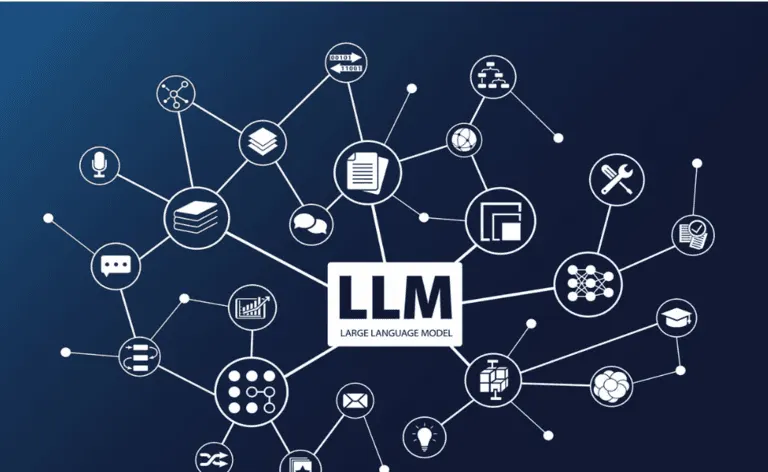
Choose cloud, edge, or private voice AI around the product constraint
The deployment model should follow audio sensitivity, latency expectations, network reliability, device compute, and how the result will be reviewed or acted on by the customer team.
Voice AI is strongest when speech becomes a business record or device action
The page covers embedded voice AI, but the same architecture can support service records, equipment control, support assistants, and specialized audio detection.
Voice service records
Convert service conversations, maintenance notes, or inspection audio into searchable records, summaries, and follow-up tasks.
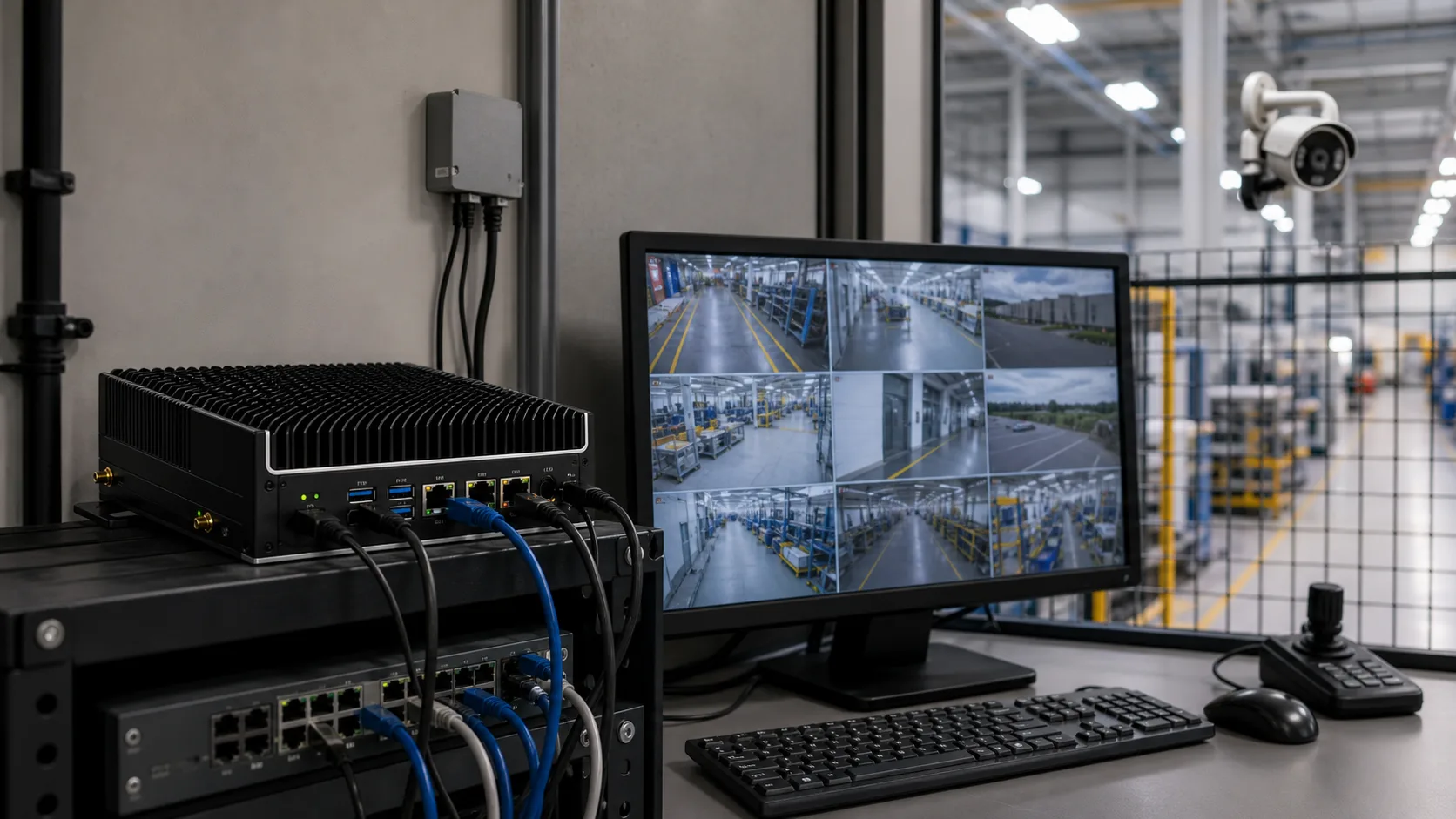
Device voice control
Add voice commands, confirmation flows, and permission checks to terminals, edge boxes, smart equipment, or mobile apps.

AI support assistant
Combine speech recognition, private knowledge, RAG, and ticketing so support teams can answer and record issues faster.
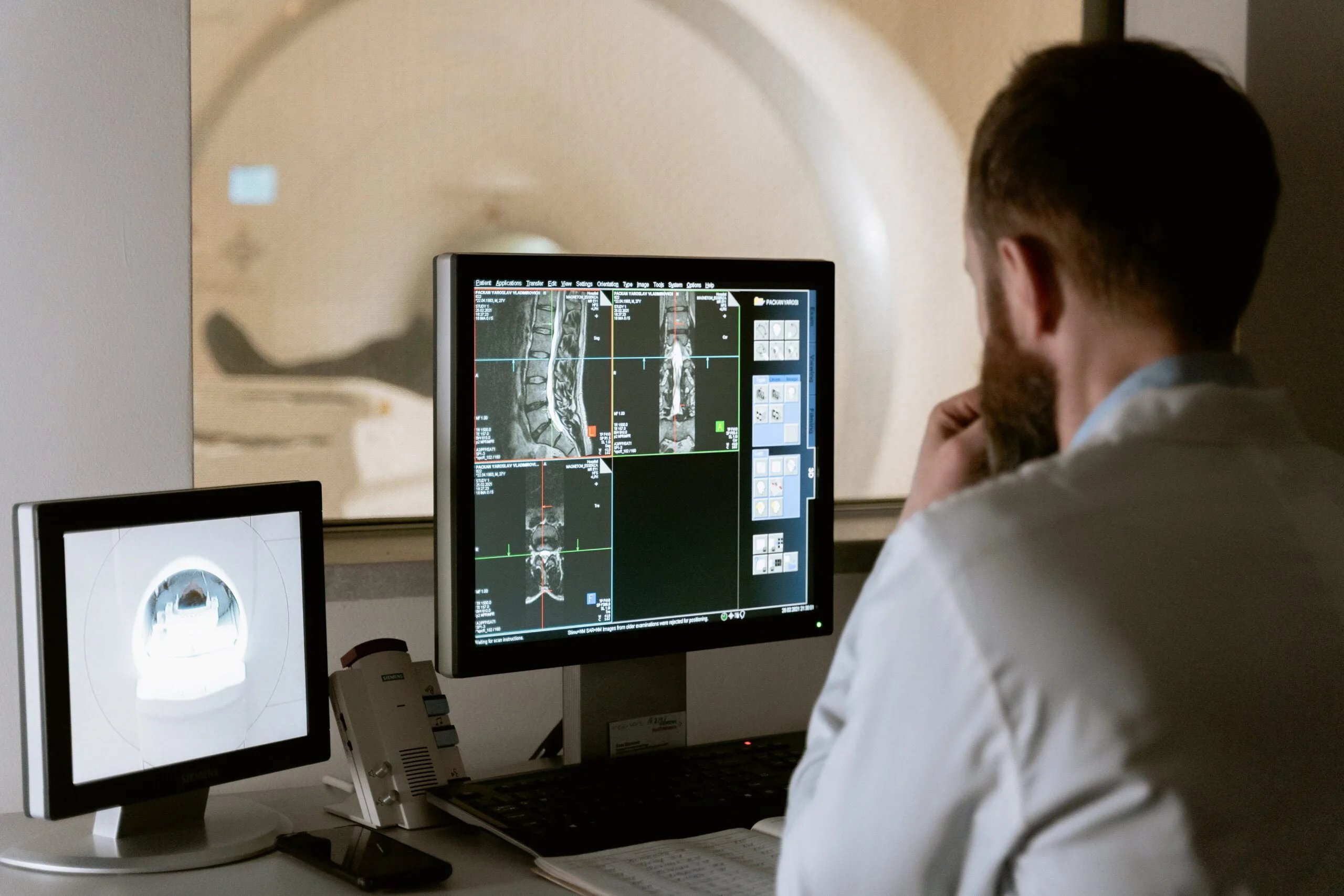
Healthcare and care devices
Use audio detection, event logs, notifications, and review workflows for care equipment, alerts, and specialized device scenarios.
What ZedIoT can build for a voice-enabled product or operation
The delivery can focus on one feature or a complete voice workflow. We keep recognition, model choice, device safety, logs, and product integration in the same plan.
ASR and transcript workflow
Build ingestion, segmentation, transcription, punctuation, confidence handling, and storage so transcripts can be searched and audited.
Voice commands for products
Design command grammar, confirmation logic, device-state checks, fallback behavior, and logs for voice-enabled equipment.
LLM and private knowledge
Connect voice input to RAG, product manuals, support policies, field records, and business APIs when the workflow needs reasoning.
Validate recognition quality and workflow safety before scaling
A good first pilot proves the actual environment, target command or transcript workflow, latency, fallback states, and the business system that receives the result.
- 01
Collect sample audio
Review real acoustic conditions, target languages, command style, user roles, and privacy constraints.
- 02
Choose ASR and deployment path
Compare FunASR, cloud ASR, edge inference, private models, TTS, and fallback design around the product.
- 03
Connect the workflow
Map transcripts or intents to device commands, tickets, summaries, knowledge search, alarms, or business-system APIs.
- 04
Validate and harden
Measure recognition accuracy, false triggers, latency, logging, permissions, failure states, and operator acceptance.
Questions before starting a voice AI project
These answers help define whether the project is transcription, command control, AI assistant, or private voice deployment.
When should voice AI run locally instead of only in the cloud?
Local or private deployment is useful when latency, weak networks, sensitive audio, device-control safety, or customer-owned infrastructure matters. Cloud ASR can still be used when iteration speed and broad language coverage are more important.
Can speech recognition connect to device commands or business systems?
Yes. A voice workflow can trigger device commands, ticket updates, service records, search, summaries, alerts, or API calls. The design should include permissions, logs, fallback behavior, and confirmation rules.
What audio samples are needed before a pilot?
Useful samples include the target language, real background noise, target devices or microphones, expected command phrases, conversation examples, and any privacy or retention requirements.
Can ZedIoT combine ASR with LLM or RAG workflows?
Yes. Speech input can be connected to private knowledge bases, product manuals, field records, LLM assistants, and workflow tools when the goal is more than transcription.
Plan a voice AI workflow
Share the audio source, language, device environment, privacy boundary, target commands or transcript workflow, and the system that should receive the result.
- AI + IoT product architecture review
- Hardware, firmware, cloud, and application integration
- Prototype planning and production support