

IoT Tools and Platforms
Engineering guides for selecting, deploying, and extending IoT platforms, development tools, dashboards, and device operations software.
IoT Tools and Platforms articles

Temperature Alarm Design: Detect, Acknowledge, Recover, and Audit
A freezer warms briefly during restocking and sends repeated alerts. Later, a genuine high-temperature incident disappears from the dashboard when someone clicks.
Read article
Multi-Store Serial Device Retrofit: How to Size and Place IoT Gateways
Do not size a multi-store serial-device rollout by dividing the total device count by a vendor maximum.
Read article
How to Implement Refrigeration Controller Logic: Compressor, Fan, Defrost, and Fail-Safe States
The core of a refrigeration controller is not the rule “turn on the compressor when temperature is high.” It is a priority-ordered state machine with explicit.
Read article
IoT Platform Source Code Delivery vs SaaS: Choose by Responsibility and Exit Cost
Compare IoT platform source code delivery, private deployment, and SaaS through a responsibility ledger, five-year TCO, and a supplier-absent exit test.
Read article
What a Practical Fleet Ops Console Should Actually Show
A practical Fleet Ops console should not begin by answering how many devices exist. It should let an on-call operator answer six questions within one minute.
Read article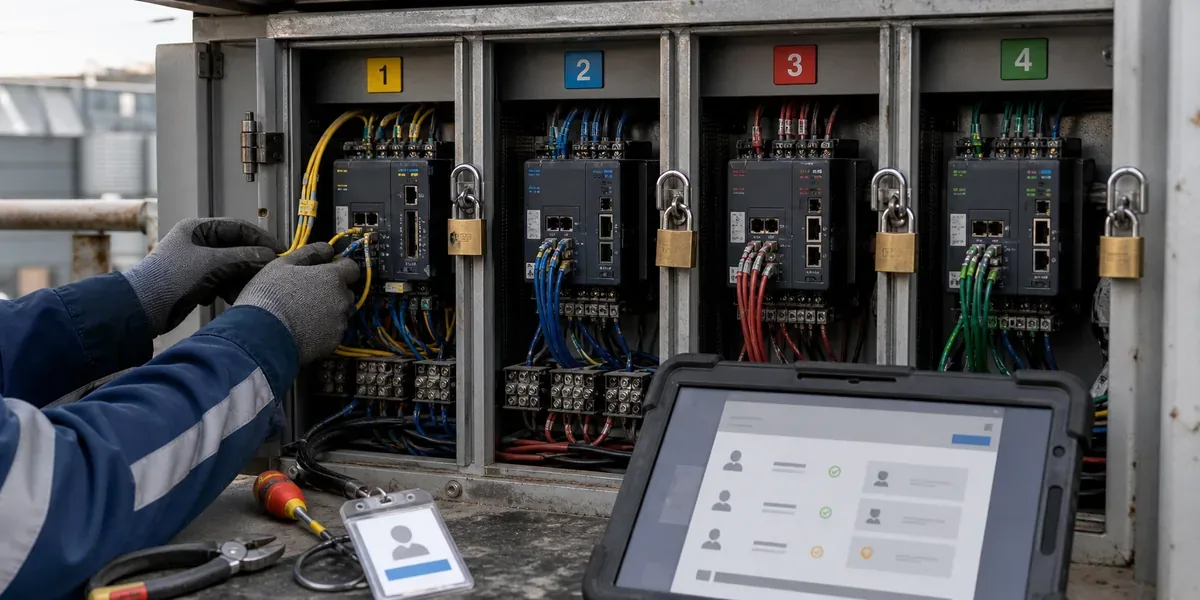
Permission Models for Multi-Tenant Device Management: Why RBAC Is Not Enough
The most dangerous authorization defect in a multi-tenant device platform is rarely a missing menu permission.
Read article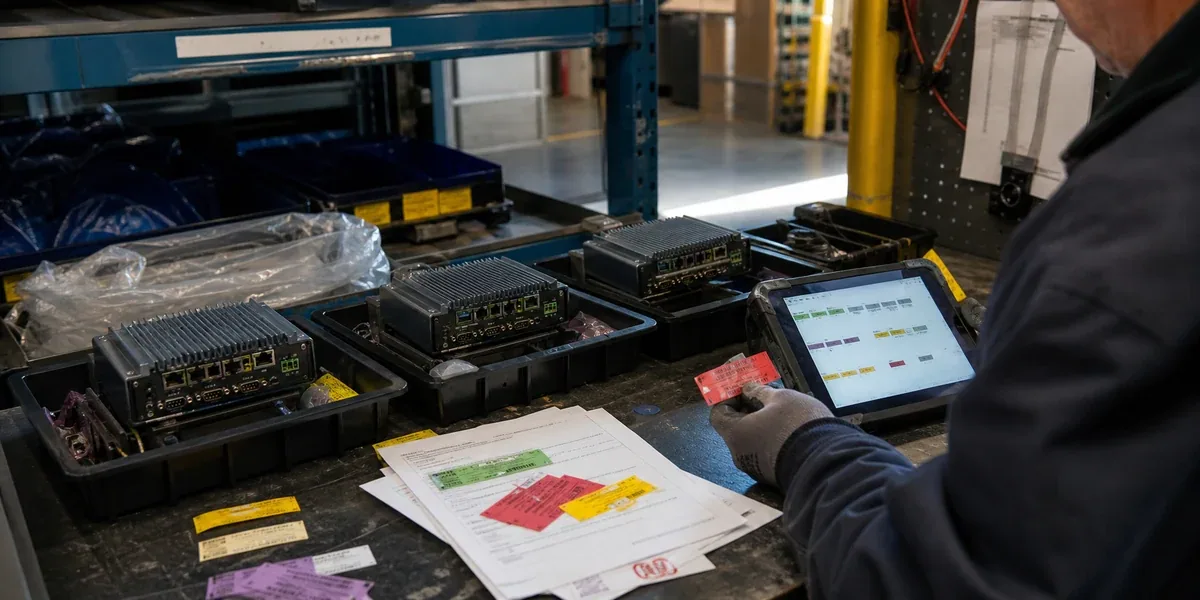
Firmware, Configuration, and Device-Model Version Governance for IoT Fleets
One device version is not enough. Learn how firmware, configuration, and device-model versions form a governed compatibility vector for safe IoT operations.
Read article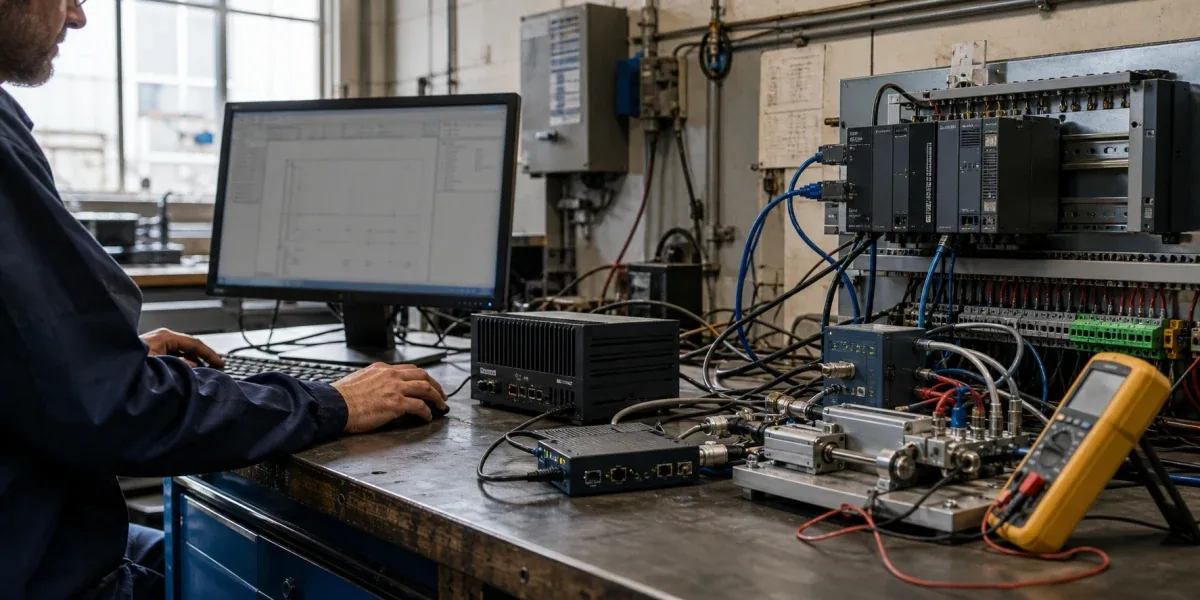
Upper-Computer Development: From Protocol Demo to an Acceptable Industrial Application
The most underestimated part of an upper-computer project is not drawing the interface or opening a serial port.
Read article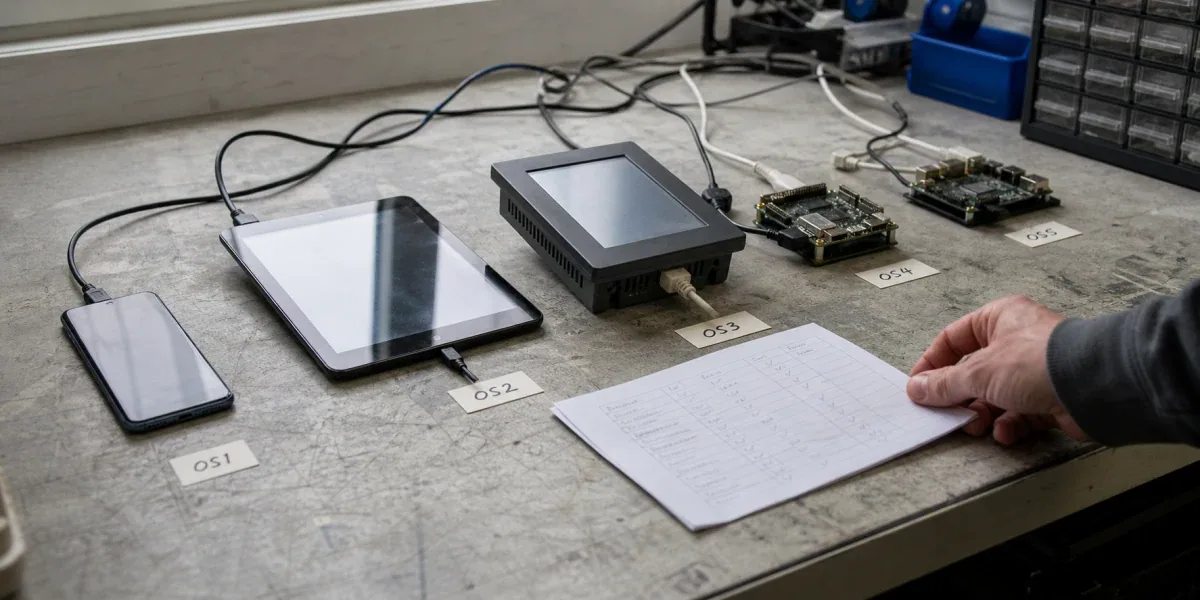
HarmonyOS vs OpenHarmony vs HarmonyOS NEXT: What Actually Changes for a Product Team?
HarmonyOS, OpenHarmony, and HarmonyOS NEXT are not three interchangeable products that can be ranked by version number.
Read article
n8n AI Workflow Automation for Business Systems
n8n is most useful when it turns hand-offs scattered across webhooks, CRM, email, forms, tickets, and internal APIs into a visible process that can be replayed and.
Read article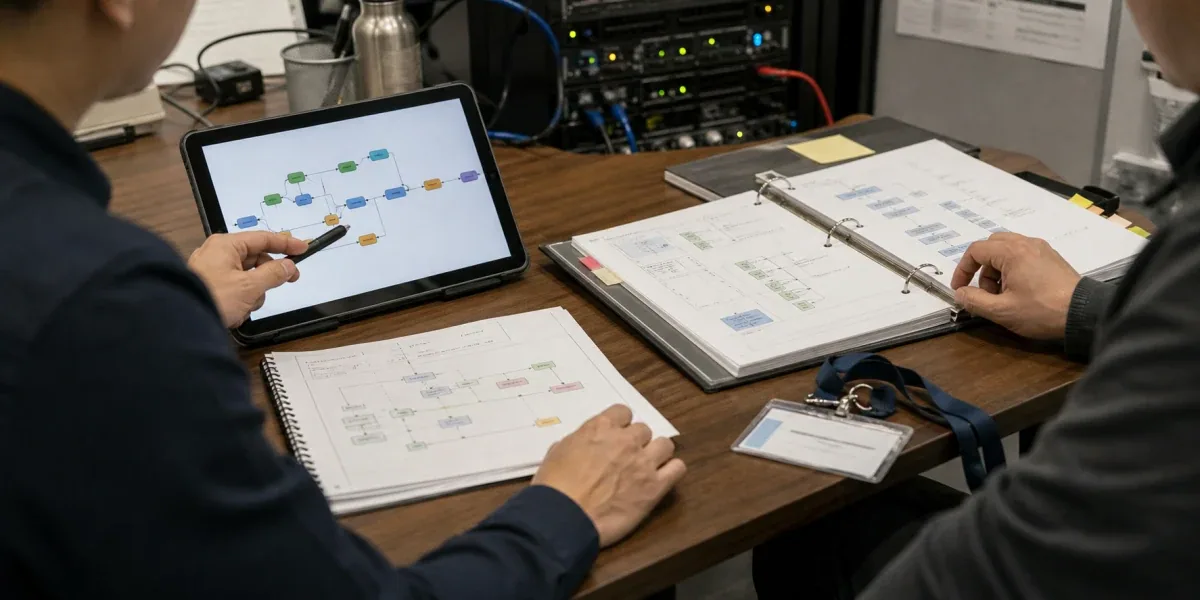
When to Use Dify Instead of Custom AI App Development
If the main job is to connect user input, knowledge retrieval, model calls, branches, tools, and output into an observable AI process.
Read article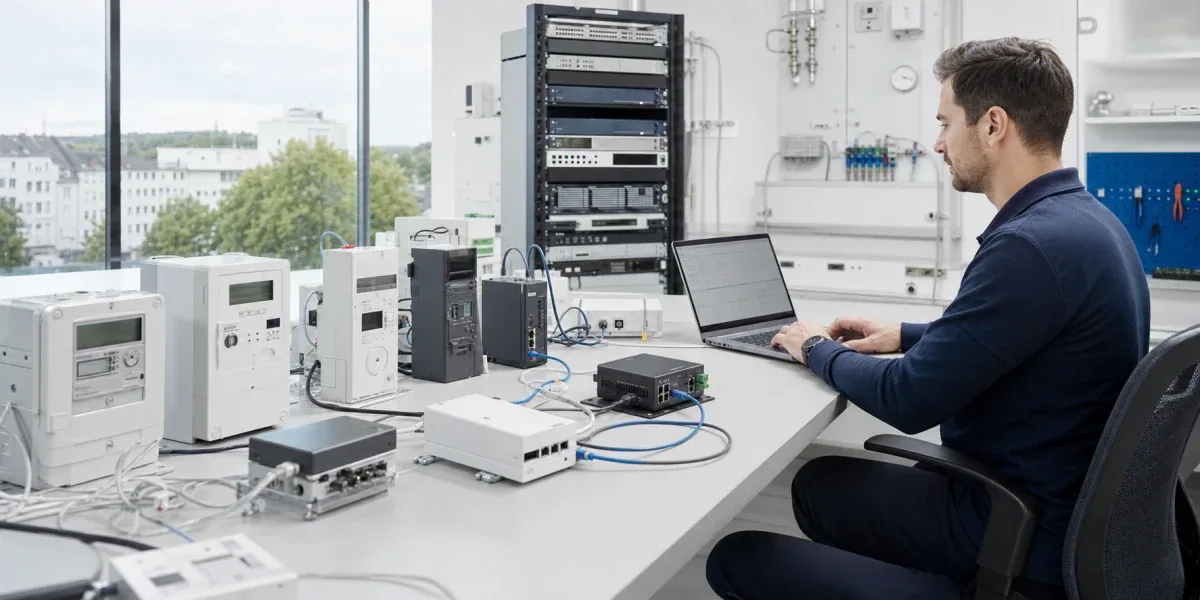
Why LwM2M Is Becoming a Deployment Gate in 2026
A team managing a few hundred identical devices can assemble a workable control plane from private MQTT topics, remote commands, and an OTA API.
Read articleEvaluating a IoT Tools and Platforms project?
Share the device, data flow, network condition, target users, and business system boundaries. We can help you decide what to build first.