

ESP32 low-power sensor and remote monitoring development
Battery sensors often fail in the field because sensing, wake intervals, network behavior, alert rules, OTA, and maintenance were designed as separate decisions. ZedIoT designs ESP32 sensor hardware and firmware, power budgets, wireless reporting, offline recovery, cloud or gateway integration, alerts, OTA, and production-test workflows.
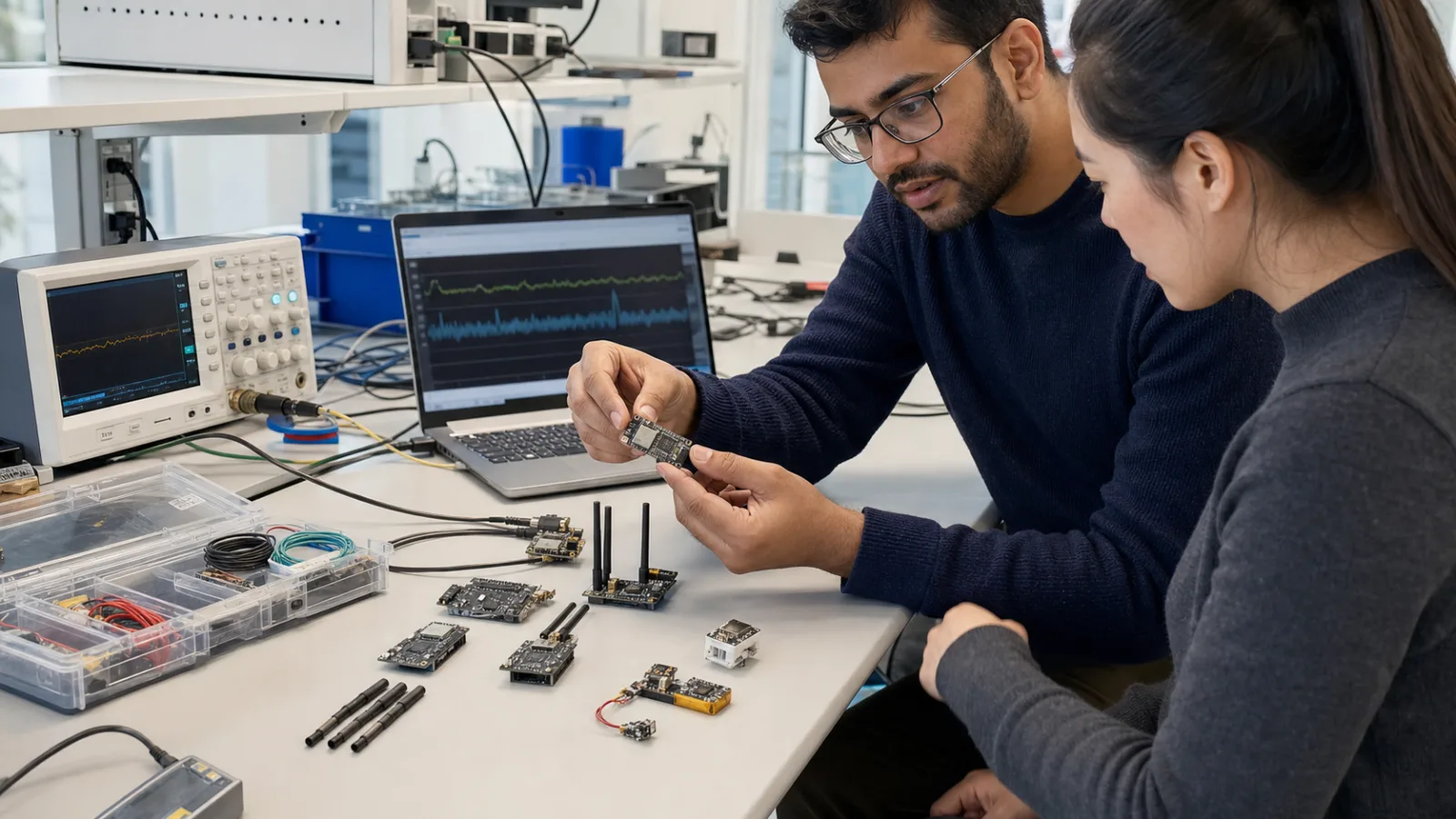
When this service is a good fit
Sensor product teams, facility operators, equipment OEMs, and service providers deploying battery-powered monitoring nodes
- Customer problem
- Battery sensors often fail in the field because sensing, wake intervals, network behavior, alert rules, OTA, and maintenance were designed as separate decisions.
- ZedIoT delivery
- ZedIoT designs ESP32 sensor hardware and firmware, power budgets, wireless reporting, offline recovery, cloud or gateway integration, alerts, OTA, and production-test workflows.
- Expected outcome
- The result is a measurable, maintainable remote-monitoring product path with known battery, connectivity, and service assumptions.
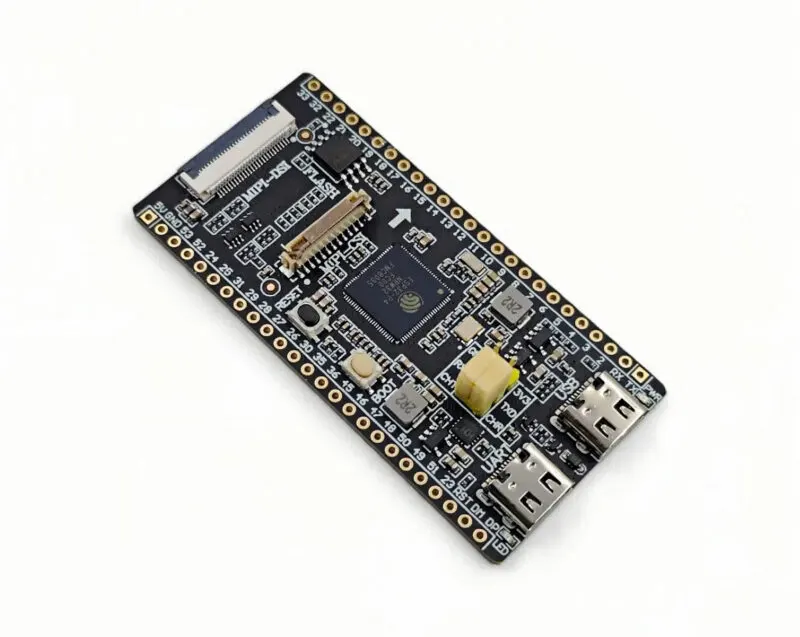
Design the node around its installed behavior, not its bench demo
A viable low-power sensor must be measured where it will operate: with the target sensor, enclosure, battery, radio conditions, and reporting pattern. That is where connection time, retries, heat, and installation constraints become visible.
- Power assumptions tested with installed radio behavior
- Alerts distinguish threshold, sensor, battery, and connectivity states
- OTA and factory checks designed for long-term maintenance
How the work connects devices, data, software, and operations
Each project uses only the layers required by the business case, but the boundaries are made explicit before development starts.
Sensor and power domain
The node reads the required physical signal, controls peripheral power, and records enough status to distinguish sensing faults from device faults.
ESP32 low-power runtime
Firmware schedules sampling, sleep, thresholds, local buffering, watchdog recovery, and secure device identity around the power budget.
Wireless and recovery path
Wi-Fi, BLE-to-gateway, or another selected path is tested for connection time, retry cost, signal quality, and offline recovery at the installed location.
Monitoring and maintenance loop
The platform or customer system receives telemetry, alarms, battery and version state, and provides a controlled path for remote diagnosis and updates.
What ZedIoT can design, build, integrate, and hand off
Scope is adjusted to the project stage: feasibility, prototype, pilot, production rollout, or ongoing iteration.
Power and duty-cycle design
Budget sensing, wake-up, radio connection, retries, sleep current, battery capacity, and temperature effects against a target service interval.
Sensor and enclosure integration
Select and validate temperature, humidity, leak, contact, pressure, level, vibration, or dry-contact interfaces around real installation conditions.
Telemetry and alert behavior
Define normal reports, exception events, offline states, low-battery signals, timestamps, data quality markers, and notification ownership.
Fleet maintenance
Prepare device identity, diagnostics, controlled OTA, factory flashing, test checks, version visibility, and field-replacement procedures.

Remote monitoring needs an operating loop, not just a data stream
Teams need to know which reading is abnormal, whether the node is online, whether the battery is low, and who owns the next action. We define those distinctions before a fleet rollout.
- Best fit: products where battery life, remote visibility, and field maintenance are business requirements rather than afterthoughts.
- Battery life cannot be promised from a chip sleep-current figure alone; it must be calculated and verified on the target sensor, network, battery, and installation site.
- High-risk safety protection and fail-safe control remain the responsibility of the dedicated protection or control system, not a monitoring node.
- Scope depends on sensor accuracy, environmental rating, installation method, radio coverage, reporting frequency, platform interface, and maintenance target.
Questions to resolve before scope is locked
How long can an ESP32 battery sensor run?
There is no universal number. Runtime depends on sensor standby and measurement current, wake and report frequency, radio connection time, retry rate, signal quality, regulator leakage, battery capacity, temperature, and the real installation environment. We use a power budget and field validation to set a maintenance target.
Is Wi-Fi suitable for a battery-powered ESP32 sensor?
It can be suitable when reports are infrequent and the installed Wi-Fi connection is quick and stable. If nodes are numerous, coverage is inconsistent, or runtime is more demanding, a BLE-to-gateway or another network path should also be evaluated against real connection and recovery measurements.
Can the sensor node be updated over the air?
Yes, when flash layout, remaining battery, radio speed, wake windows, integrity checks, retry behavior, and recovery path are designed for it. The update strategy should be validated on the target hardware and network rather than copied from an always-on device.
Can you connect to an existing platform or app?
Yes. The node can be delivered against an existing data model, authentication method, alert workflow, device identity service, and OTA interface. ZedIoT is optional when the customer already has the required operating platform.
Talk to an AI-IoT engineering team
Share your product idea, current hardware, target workflow, or integration challenge. We will help you evaluate the fastest path to a working prototype and production-ready system.
- AI + IoT product architecture review
- Hardware, firmware, cloud, and application integration
- Prototype planning and production support