
Commercial automation and connected products

Home Assistant integration for connected products and facilities

Home Assistant projects become fragile when device ecosystems, local control, cloud APIs, automation logic, dashboards, and handoff documentation are assembled without one architecture. ZedIoT integrates ESPHome, Tuya, Matter, MQTT, Zigbee, Node-RED, local gateways, branded apps, voice AI, dashboards, and support workflows around the customer's devices and operating goals.

Home AssistantESPHomeMatterNode-REDLocal control
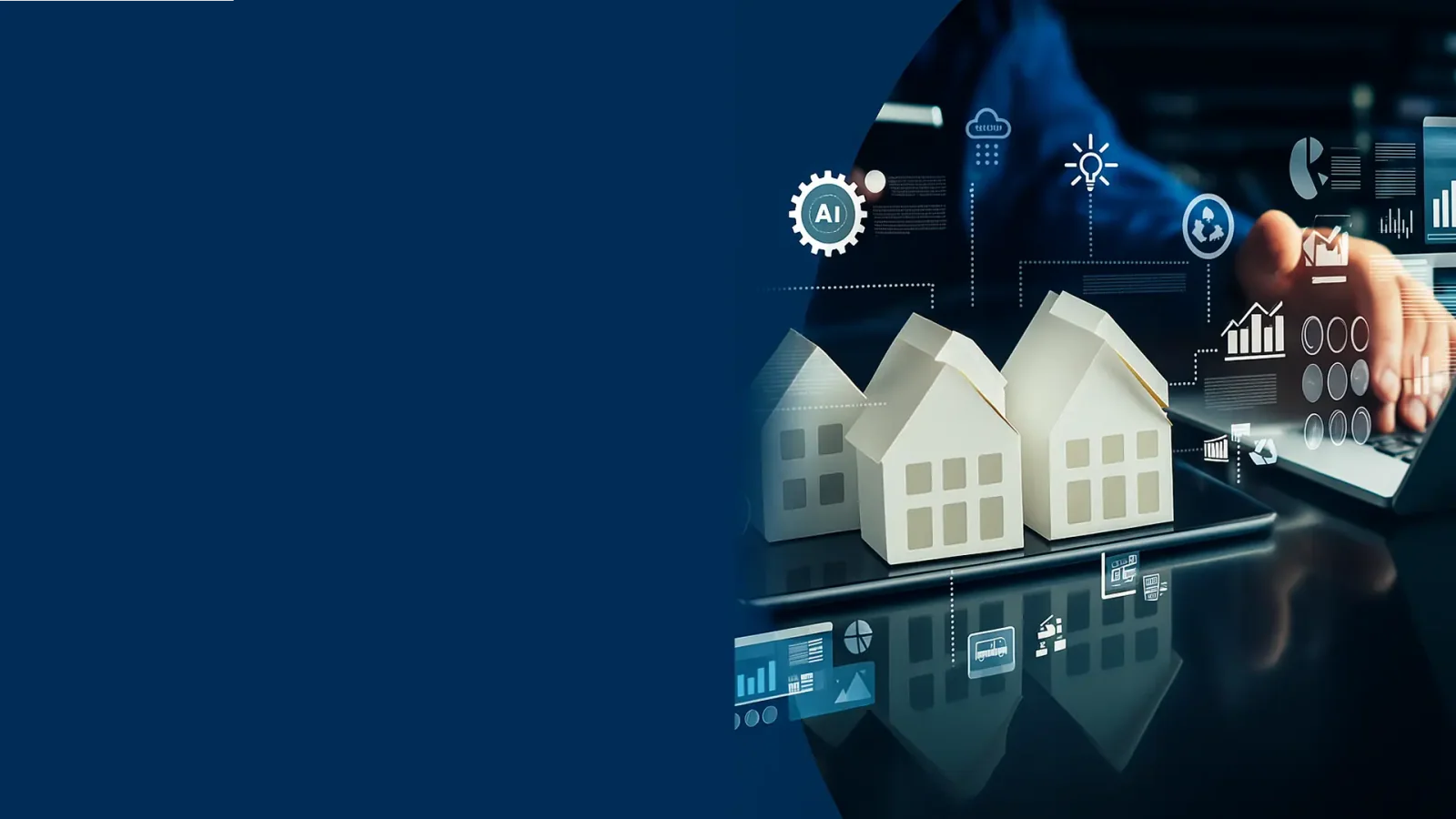
Home Assistant connected product and smart facility automation scene
One operating modelDevices, local control, automations, dashboards, and support ownership stay visible.
Local-firstexplicit offline behavior
Multi-ecosystemone entity and state model
Supportabledocumented flows and ownership
ExpandableAI, apps, and multi-site operations
From device to operator action

Home Assistant should unify the workflow, not hide integration risk

Home Assistant is a strong operations layer when device ownership, entity states, automation logic, remote access, and failure behavior are designed together. It is less effective when every ecosystem is connected as an isolated plugin with no shared support model.

  • Keep frequent control and safety behavior close to the device.
  • Use the cloud only where remote access, vendor APIs, AI, or reporting add value.
  • Expose stale states, unavailable devices, retries, and manual recovery.
  • Document who owns credentials, backups, updates, and support.
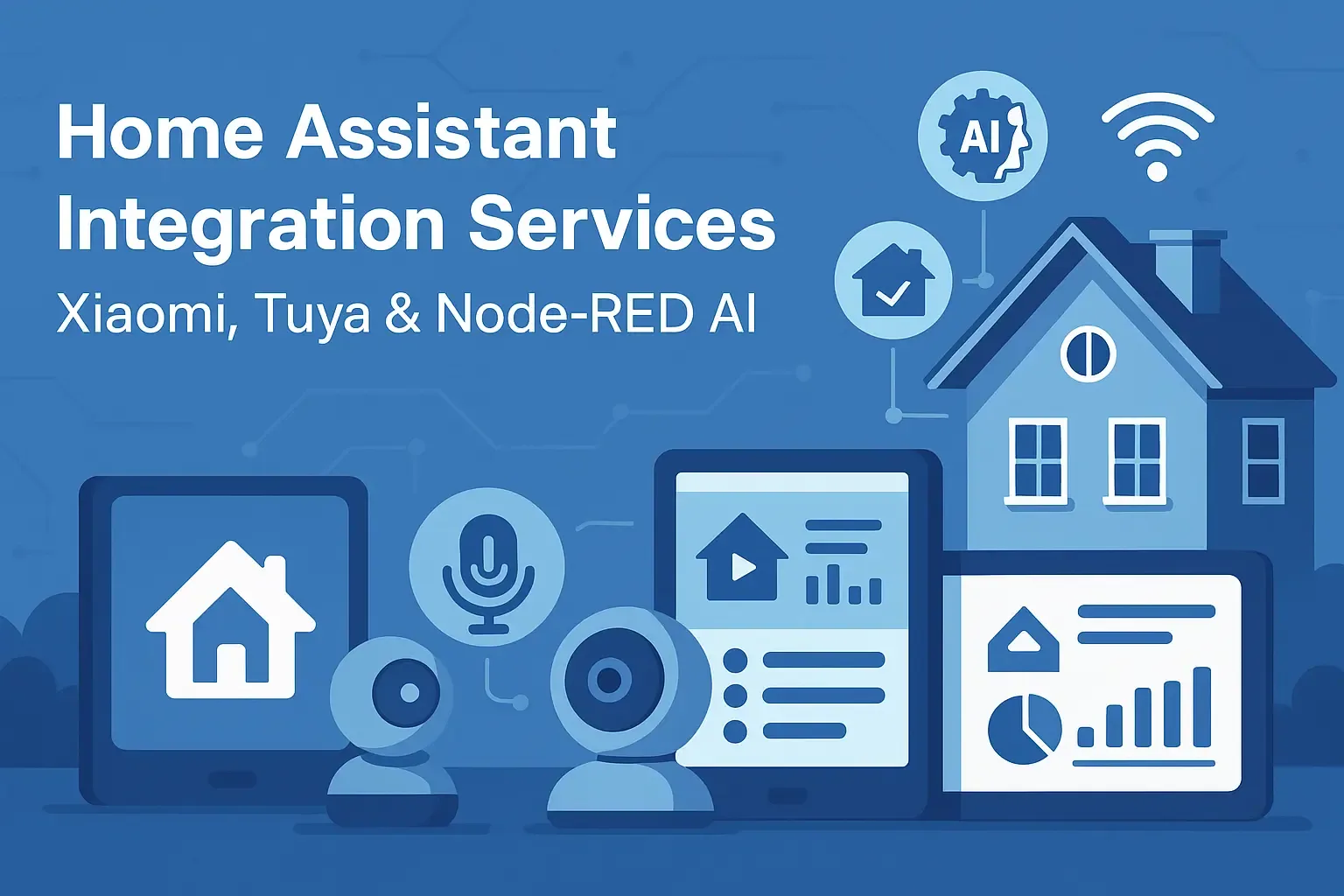
Home Assistant integration paths across devices, dashboards and automation
Supported ecosystems

Connect the ecosystem around the operating goal

The platform choice comes after the device, user, privacy, latency, and support requirements are clear.

ESPHome and ESP32

Device logic, entities, diagnostics, OTA, relays, sensors, and handoff documentation.

Tuya and Matter

Cloud or local integration paths, product data points, account flows, bridges, and scenes.

MQTT and Zigbee

Topic design, gateway bridges, payload mapping, state synchronization, and weak-network behavior.

Xiaomi and existing devices

Assess supported integrations, local APIs, cloud dependencies, entities, and replacement risks.

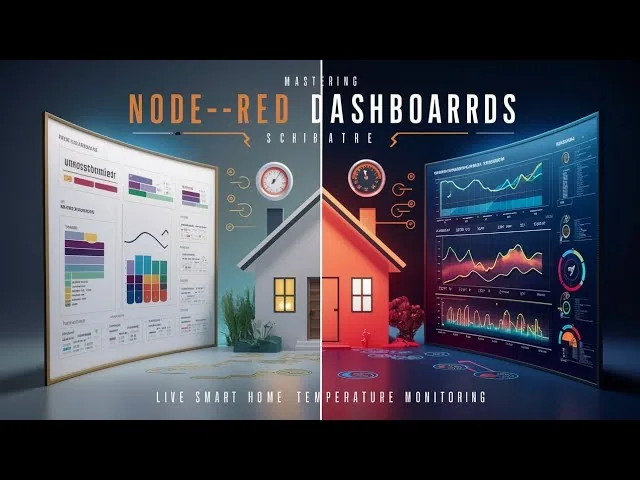
Node-RED visual automation console connected to Home Assistant
Visual automation

Use Node-RED where the workflow needs to stay visible

Node-RED is useful for MQTT events, API calls, multi-step conditions, notifications, approvals, and cross-system actions. A flow should show retries, failure branches, logs, and the person or service responsible for the result.

Explore Node-RED automation
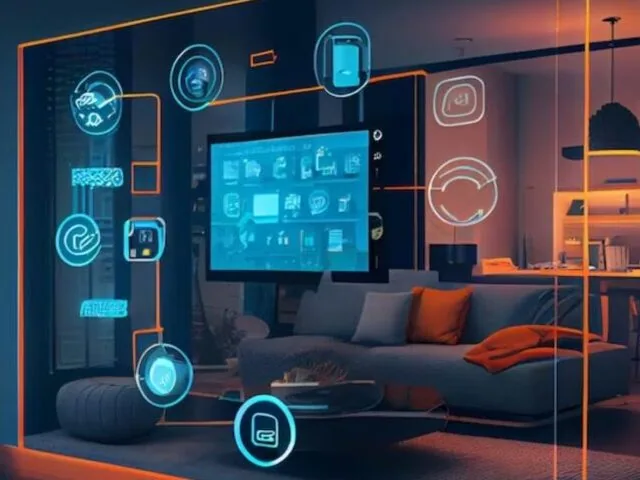
AI-assisted smart home control and monitoring scene
AI-assisted automation

Add voice, vision, and prediction only where they improve a real action

Voice recognition can simplify control, image analysis can provide evidence, and AI summaries can explain alarms. Physical actions still need identity, permission, confirmation, logging, and a deterministic fallback.

Review voice AI paths
Engineering scope

What ZedIoT can integrate, develop, and hand off

Scope can start with one unstable integration or cover the complete device, automation, app, and operations path.

Custom Home Assistant development

Build integrations, components, dashboards, automations, add-ons, and deployment workflows around the actual devices and users.

Local and cloud control

Keep safety-critical or frequent actions local while using cloud services for remote access, notifications, vendor APIs, or cross-site reporting.

Node-RED automation

Create visible multi-step flows for MQTT events, APIs, approvals, notifications, schedules, and exception handling.

AI voice and vision

Add speech recognition, text-to-speech, image analysis, anomaly summaries, and assisted control with permissions and confirmation.

Branded applications

Connect web or mobile interfaces when customers need a product experience beyond the Home Assistant operator console.

Multi-site operations

Standardize device templates, deployment notes, backups, monitoring, access, and support workflows across repeatable sites.

Delivery process

Move from device inventory to a supportable rollout

The first milestone proves one complete workflow, including what happens when the network, device, integration, or automation fails.

  1. 01

    Inventory devices and users

    Map ecosystems, firmware, entities, network constraints, current automations, users, and the operating problem to solve.

  2. 02

    Design ownership and flows

    Decide what runs on the device, gateway, Home Assistant, Node-RED, cloud API, mobile app, or AI service.

  3. 03

    Build integrations and dashboards

    Implement device access, state mapping, control, automation, alerts, dashboards, and business-system connections.

  4. 04

    Validate failure states

    Test offline behavior, stale states, retries, permissions, unsafe commands, backup recovery, and representative device loads.

  5. 05

    Handoff and scale

    Deliver configuration ownership, deployment notes, flow documentation, acceptance evidence, and the next-site rollout plan.

Project fit

When Home Assistant is the right operations layer

Strong fitCommercial facilities, device brands, integrators, labs, multi-site pilots, and products that benefit from flexible device and automation integration.

Needs careLife-safety systems, hard real-time control, regulated records, or deployments where consumer integrations are the only access path.

Start narrowChoose one device group, one user workflow, one failure path, and one measurable operating result before scaling.

FAQ

Home Assistant integration questions

Resolve device ownership, local control, ecosystem compatibility, and support expectations before implementation.

Can ZedIoT integrate existing Home Assistant devices and dashboards?

Yes. We can review the current entities, automations, integrations, dashboards, add-ons, network layout, and failure points, then improve the parts that limit reliability or maintainability.

Can Home Assistant connect Xiaomi, Tuya, Matter, MQTT, and ESPHome devices together?

Yes, when each ecosystem has a stable integration path and the entity model is planned consistently. Local APIs, cloud APIs, gateways, MQTT, Matter bridges, or ESPHome can be combined without hiding ownership and failure states.

Can the solution run locally without depending on the cloud?

Core control and automation can often run locally. Cloud services may still be used for remote access, notifications, vendor APIs, AI services, or cross-site reporting. The design should make offline behavior explicit.

Where does Node-RED fit in a Home Assistant project?

Node-RED is useful for visible multi-step logic, API calls, MQTT workflows, approvals, notifications, and integrations that become difficult to maintain as isolated automations. It is not required for every rule.

Can AI voice or vision be added to Home Assistant workflows?

Yes. Voice recognition, text-to-speech, image analysis, anomaly summaries, and AI assistants can trigger or explain actions, provided permissions, evidence, confirmation, and fallback behavior are defined.

Talk to ZedIoT

Review your Home Assistant integration path

Share the devices, ecosystems, current automations, deployment environment, and the workflow that needs to become reliable. We will help define a focused first milestone.

  • AI + IoT product architecture review
  • Hardware, firmware, cloud, and application integration
  • Prototype planning and production support