
AI + IoT Development Services
We build AI applications, IoT platforms, embedded firmware, edge gateways, and hardware-integrated systems for connected products.
Beijing, Shanghai, and Zhengzhou delivery coverage
Connected products, platforms, AI workflows, and field systems
Product, firmware, cloud, AI, and hardware integration teams
Scope review, pilot validation, release, and long-term support
Which stage best matches your project right now?
Start from the closest product or operating condition, then move into the right service path.
Tuya products need faster launch without losing control
Plan app, cloud APIs, data points, modules, certification, and rollout as one product path.
AI features need real business context
Connect AI with device data, documents, business rules, and operating systems.
Products need reliable device connectivity
Connect field devices, controllers, sensors, and serial equipment to a stable software stack.
Platforms need management and integration
Build dashboards, alarms, APIs, remote configuration, and business-system links.
Projects need embedded and edge execution
Deliver firmware, Linux software, protocol adapters, gateway logic, and device execution.
Five development paths for connected product work
Choose the main build scope first, then open the matching service pages.
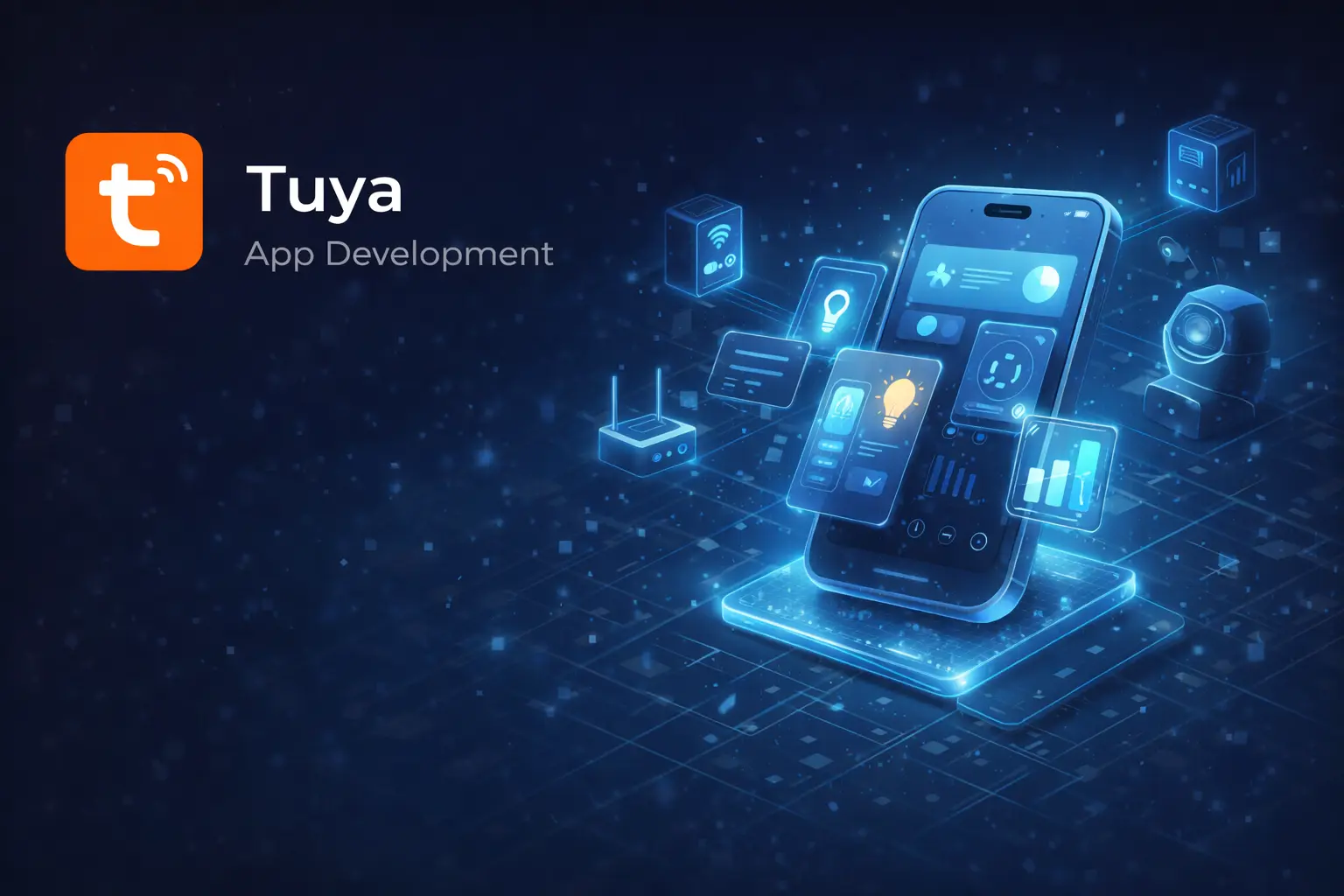
Tuya Productization
Launch Tuya-based products with a coordinated path across app, cloud, hardware, data points, certification, and operations.
- Tuya OEM App, App SDK, and device panel delivery
- Tuya Cloud API, event sync, data points, and business integration
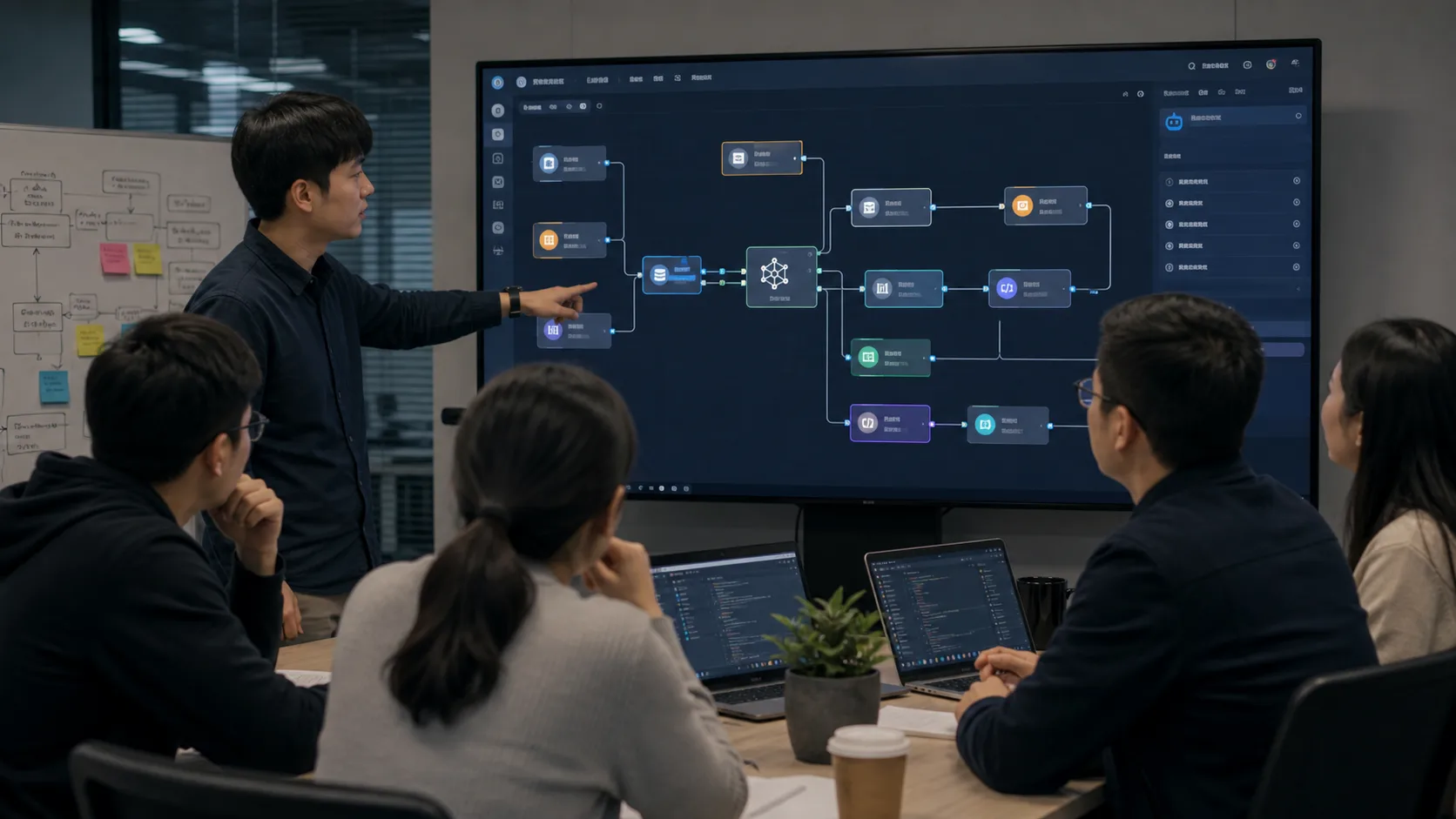
AI Development
Build AI apps, workflow tools, private knowledge systems, and AI-enabled product functions.
- AI agents, copilots, and internal assistants
- Custom models, image analysis, and AI workflows
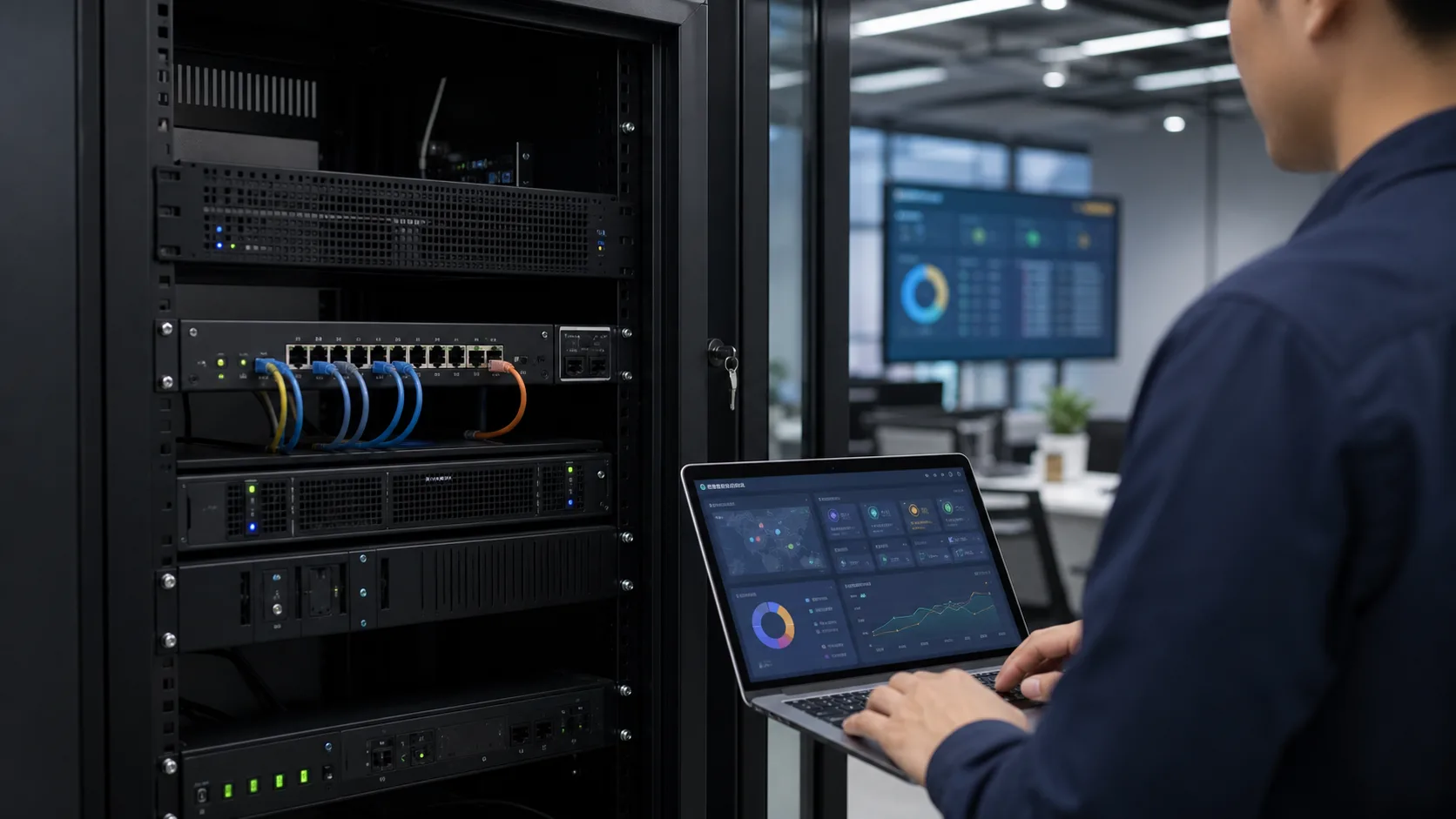
IoT Software & Platform Development
Build device connectivity, monitoring, dashboards, apps, platform workflows, and Tuya integrations.
- Device connectivity, telemetry, and remote operations
- Dashboards, alerts, apps, and platform workflows
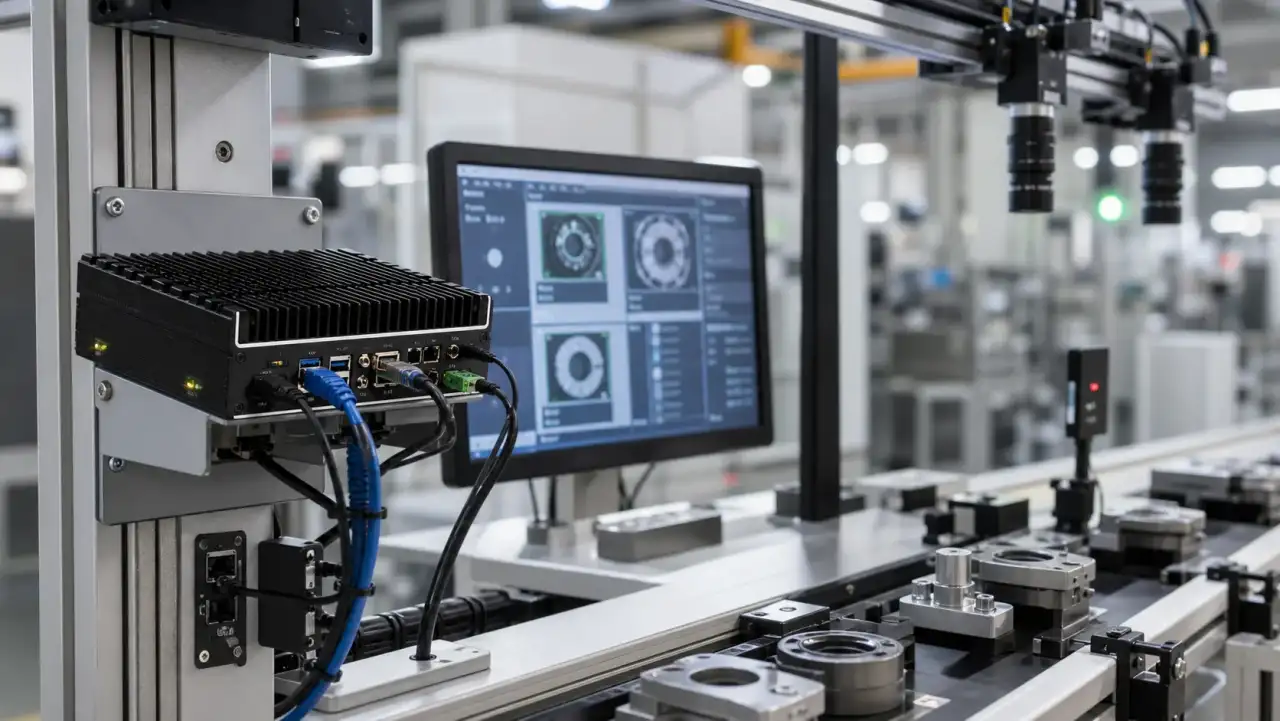
Embedded, Firmware & Gateway Development
Deliver embedded software, Linux applications, protocol integration, gateway logic, and device control.
- MCU, ESP32, Linux, and embedded software delivery
- Protocol adaptation, gateway logic, and local control
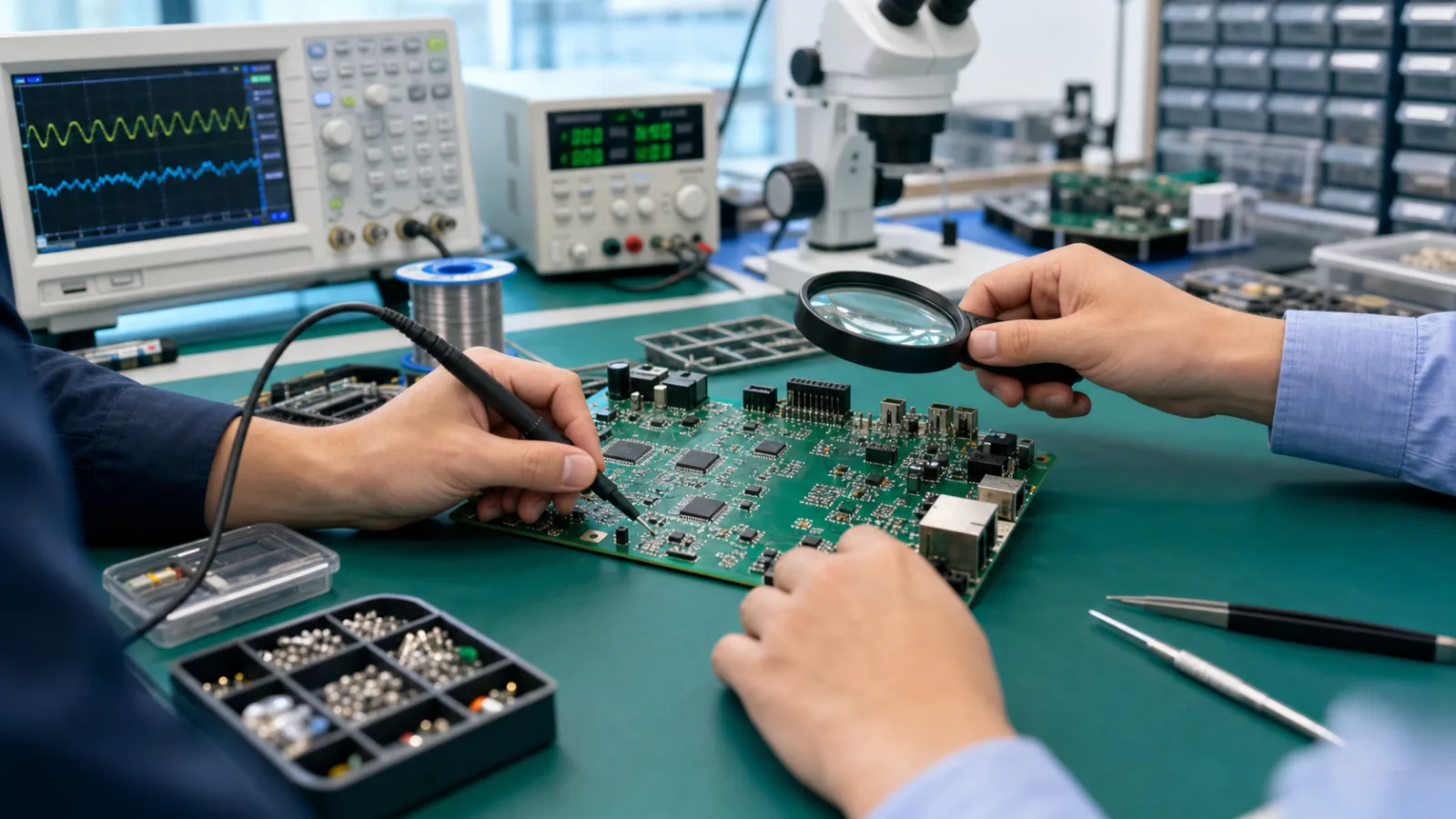
AI Hardware & Edge Device Development
Combine electronics, modules, embedded software, local intelligence, cloud integration, and production handoff.
- Edge AI devices, compute selection, and hardware integration
- Peripherals, cameras, sensors, and enclosure-level coordination
One team for product, device, platform, and AI delivery
Services work best when product scope, firmware, platform, AI, and business integration are planned together.
Hire dedicated AIoT developersAI + IoT product architects
Clarify device workflows, business goals, integration boundaries, and the shortest path to a working product.
Full-stack platform engineers
Build dashboards, APIs, mobile apps, data services, alerts, roles, and business-system connections.
Embedded firmware developers
Deliver ESP32, Linux, gateway, protocol, OTA, driver, and local-control software for field devices.
IoT hardware designers
Support PCB, sensor, radio, enclosure, edge-compute, and production validation decisions.
Why AI + IoT projects need an integrated engineering team
Most delivery risk sits between hardware, firmware, cloud, AI, and business operations. Our service model keeps those boundaries visible from the start.
Hardware, firmware, cloud, and AI planned together
Device interfaces, embedded software, cloud services, AI workflows, and business systems are scoped as one delivery path.
Field-ready engineering instead of lab-only demos
We account for weak networks, device lifecycle, remote diagnostics, OTA, data ownership, and support handoff before rollout.
Reusable product and platform foundation
ZedIoT platform, edge gateway, controller, and recognition workstation assets shorten feasibility work and reduce custom risk.
Flexible delivery from PoC to long-term iteration
Projects can start with feasibility, prototype, dedicated developers, or staged implementation depending on product maturity.
From devices to software and business integration
Most projects span more than one technical layer. This is the typical delivery coverage.
Devices & sensors
Confirm control objects, data points, electrical interfaces, installation constraints, and field conditions.
Interface list and point mapFirmware & local control
Build drivers, local logic, connectivity, security, OTA, diagnostics, and reliable device-side execution.
Firmware and source codeEdge gateway
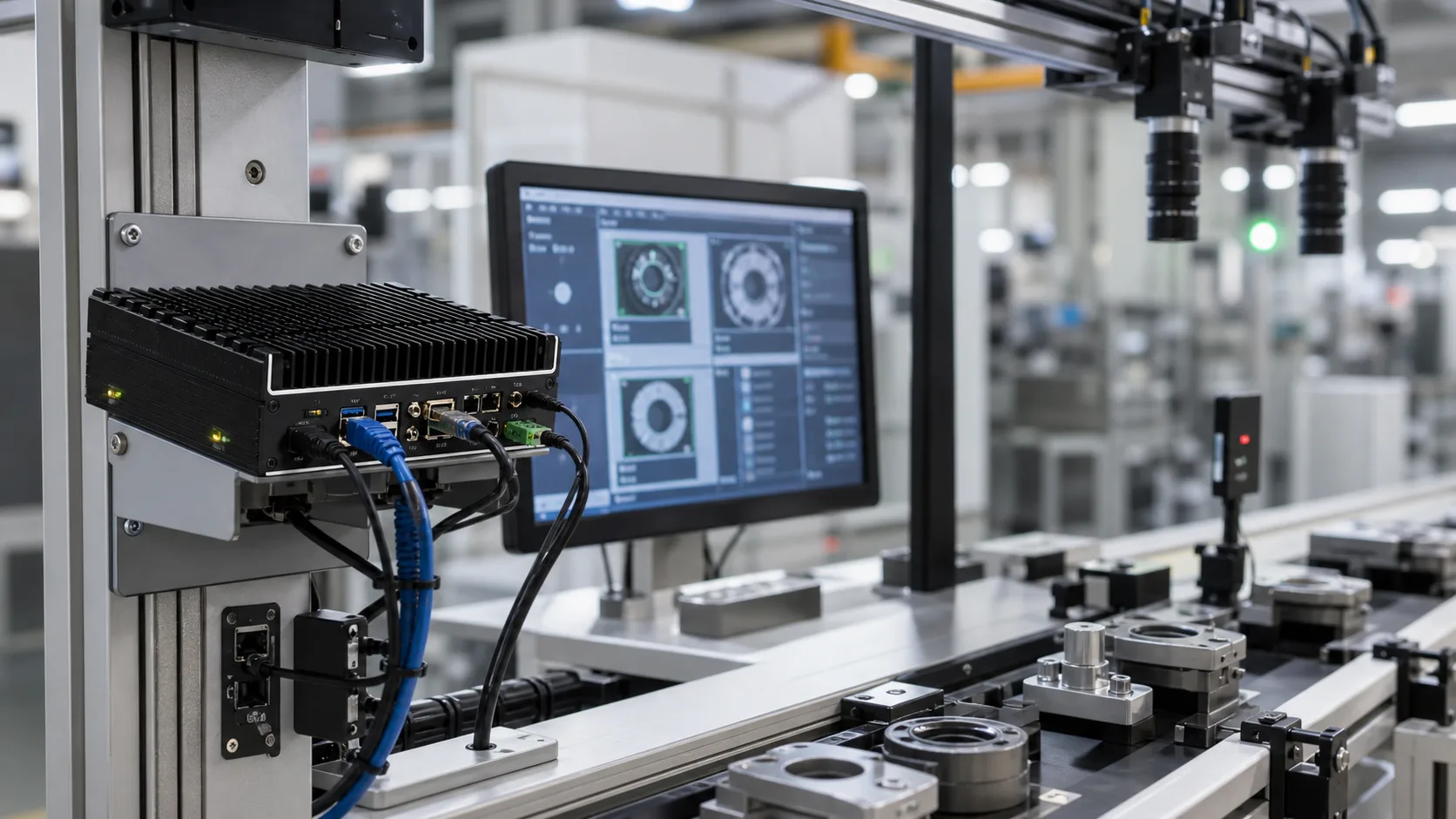
Handle protocol conversion, buffering, local rules, edge AI inference, and weak-network recovery.
Gateway app and protocol modulesIoT platform & apps
Unify device models, remote control, alarms, permissions, reports, APIs, mobile apps, and web consoles.
Platform and operator interfacesAI automation
Connect models, knowledge bases, recognition algorithms, work orders, notifications, and approval workflows.
AI workflows and model servicesBusiness systems
Integrate with ERP, CRM, WMS, MES, ticketing, data warehouses, or customer-owned systems.
Business interfaces and closed-loop workflowsService capability proven in real business scenarios
Selected project directions show how AI, IoT, firmware, platforms, and field operations come together in deployable systems.
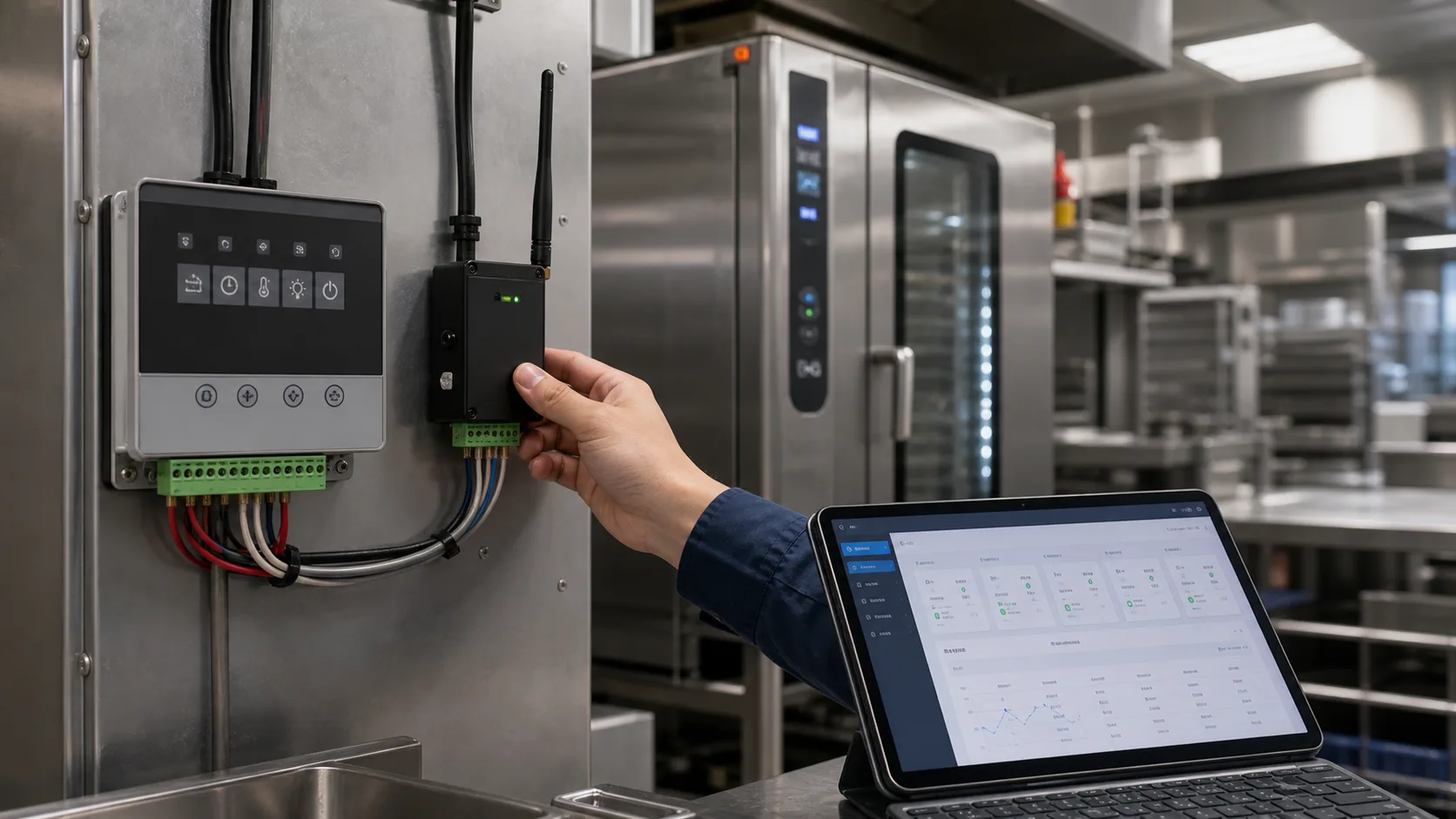
Custom industrial gas detection SaaS platform
Device telemetry, alarms, platform dashboards, field workflows, and industrial-site operations in one deployable system.
Explore case direction →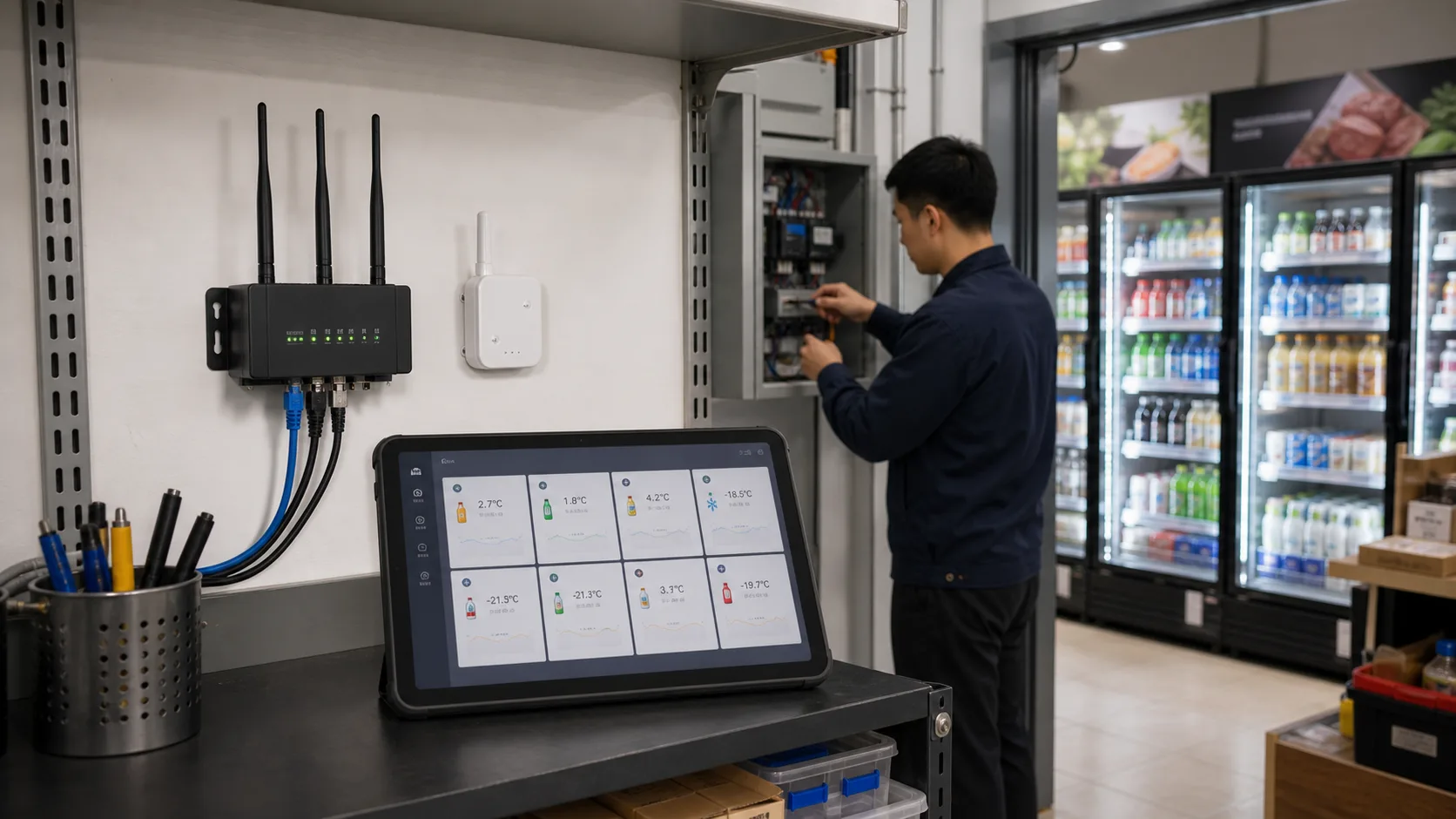
Refrigeration monitoring for commercial cabinets
Controller connectivity, remote alerts, store operations, and service-team visibility for refrigeration assets.
Explore case direction →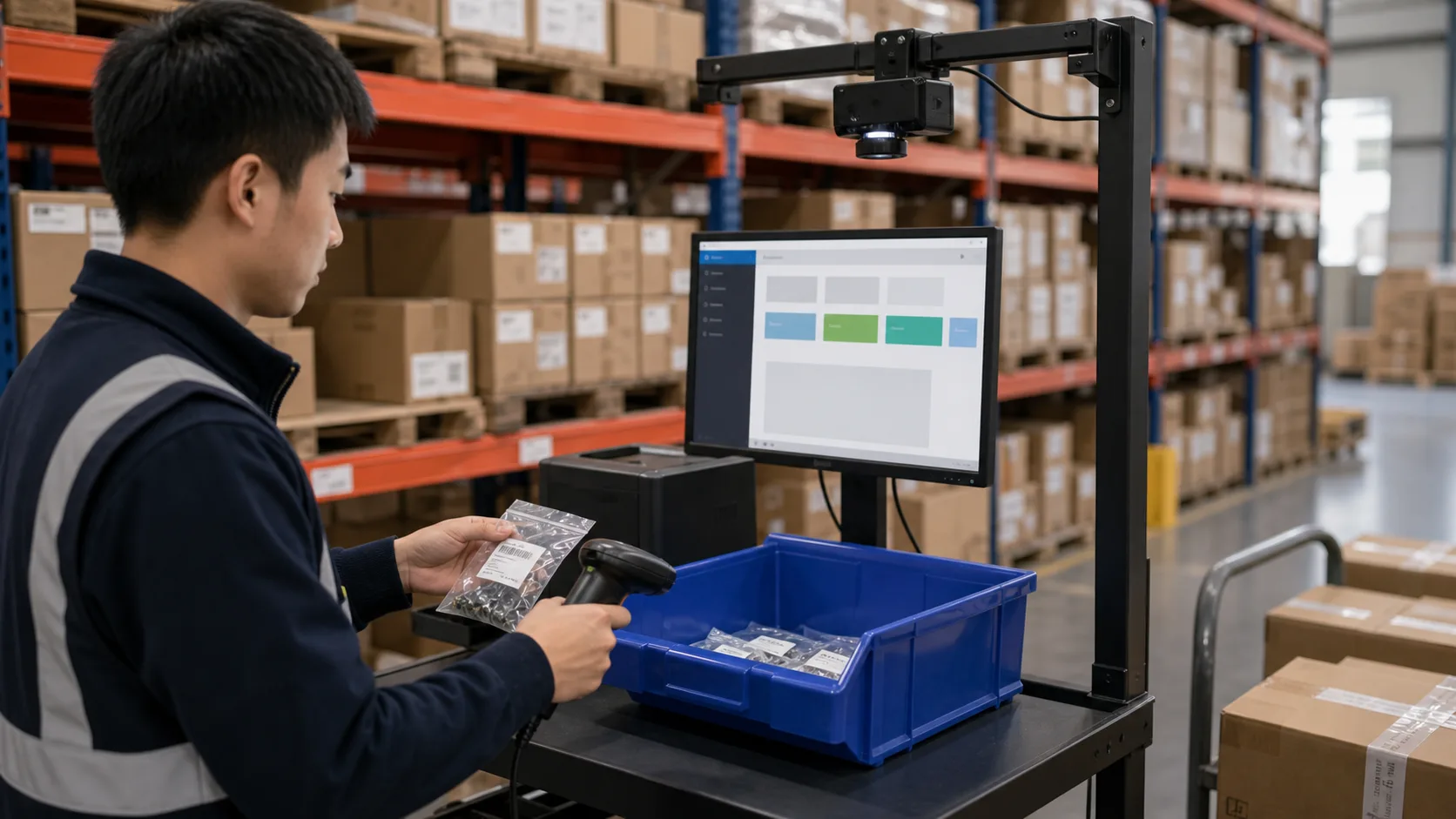
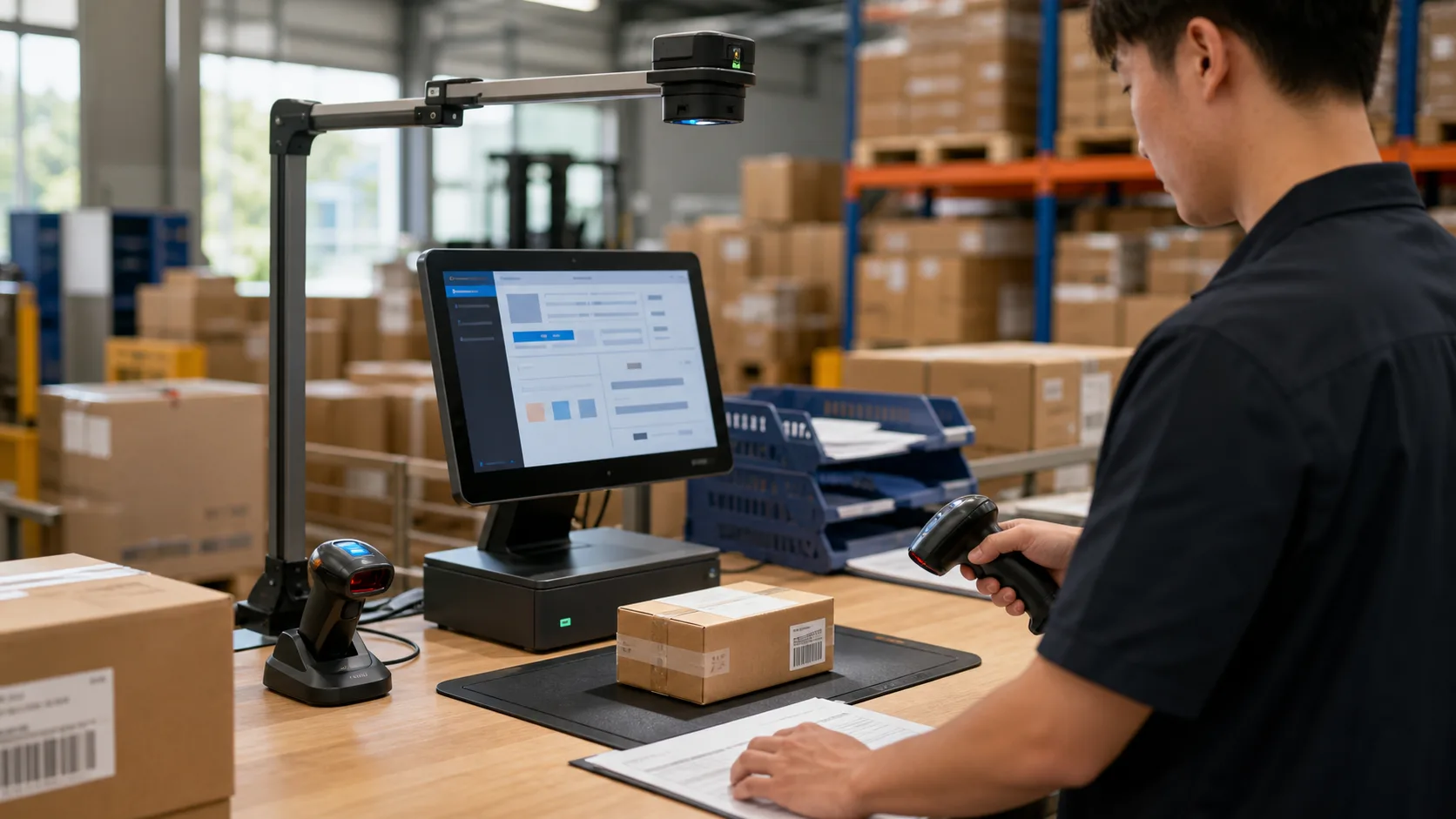
AI warehouse recognition workstation
Edge AI recognition, inventory workflow support, warehouse scanning, and system integration for operational visibility.
Explore case direction →What should the engineering team review first?
Choose the closest starting point. You do not need a complete specification before the first technical discussion.
Review product scope, device constraints, interfaces, deployment, and delivery risk before committing to a full build.
Start an architecture review →Combine electronics, firmware, gateways, cloud services, applications, and production handoff in one delivery path.
Explore custom IoT development →Plan Agent, RAG, vision, voice, automation, or edge inference around a measurable operating task.
Explore AI application delivery →Compare platforms, edge gateways, controllers, converters, and AI workstations before choosing custom development.
Compare product starting points →How a project moves from scope to release
Clarify risks early, validate the architecture, and build the shortest working path to deployment.
Scope & feasibility review
Clarify device types, control targets, business workflow, data sources, deployment constraints, and success criteria.
Requirement list and risk reviewArchitecture & prototype validation
Confirm the system structure, core interfaces, data path, and the highest-risk assumptions before full development.
Solution architecture and prototypeStaged development & integration
Build firmware, gateways, platform modules, apps, AI workflows, and required business-system integrations in visible milestones.
Milestone builds and integration notesTesting & deployment handoff
Validate field behavior, alarms, edge cases, permissions, performance, deployment scripts, and release readiness.
Release package and test reportProduction support & iteration
Support pilot feedback, production adjustments, maintenance planning, and the next product or workflow improvements.
Production support and iteration planMove from PoC to Product 2.0 without overbuilding too early
Each phase answers a different product risk. The next investment is made only after technical, user, or market evidence supports it.
Decision gate at every phase: continue, revise, or stop.- 01PoCProve the riskiest assumption
Test the critical device, AI, data, or integration path before committing to a full product build.
EvidenceWorking proof, measured constraints, and a go-or-revise decision - 02MVPValidate the complete user workflow
Deliver the smallest usable product flow and put it in front of real operators, customers, or field teams.
EvidenceUsage feedback, operational findings, and a prioritized product backlog - 03Product 1.0Harden for production
Complete reliability, security, deployment, monitoring, documentation, and production handoff around the proven workflow.
EvidenceAcceptance results, release telemetry, and support readiness - 04Product 2.0+Evolve with market evidence
Use field data, support signals, and commercial priorities to improve the product without destabilizing deployed systems.
EvidenceMeasured roadmap, compatibility plan, and lifecycle decisions
Typical for validating device interfaces, data flow, and the highest-risk integration path.
Typical for firmware, gateway, platform, AI workflow, deployment, and acceptance work.
Hardware maturity, protocol count, platform modules, AI data readiness, and on-site testing define the final schedule.
The technology behind our AIoT development services
Use these paths to move from a general service need into a specific implementation route.
Priority Tuya Development Services
For Tuya-based products that need app delivery, cloud integration, module validation, and product rollout.
Common use cases for AI + IoT delivery
These solution paths show where the service capability is most often applied.


Common questions before development starts
Share your device type, workflow, existing system, and target outcome. We can help define the right delivery path even before every detail is ready.
- Target device, controller, sensor, or platform
- Current workflow and integration systems
- Prototype, production, or rollout timeline
Can we start with only an idea or a prototype?
Yes. We can begin with product goals, target device scenarios, rough workflows, or prototype hardware. The first step is to define the minimum technical path that proves the value before scaling the full product.
Can an existing device be upgraded instead of rebuilt?
Usually yes. If the device has usable interfaces, serial ports, network access, controller data, or gateway access, we can often add connectivity, monitoring, AI workflows, and platform integration around the existing hardware.
Can you parse private protocols or legacy industrial equipment?
Yes. We support protocol analysis, RS485/RS232 integration, Modbus-related work, gateway adapters, controller data acquisition, and custom device access logic for legacy equipment.
Can one project include firmware, gateway, platform, app, and AI?
Yes. Many AIoT projects require all of these layers. We can define the layers clearly, deliver them in stages, and keep firmware, platform, AI, and business integration aligned around the same operating workflow.
Can the source code and private deployment be delivered?
Yes. For custom projects, source code delivery, private deployment, documentation, and handoff materials can be included in the project scope according to the agreed commercial and technical model.
Need the right capability mix for your project?
Share the request type, device or workflow, systems to integrate, and deployment constraints. A relevant engineering lead will review the context and respond with clarification questions or a recommended next step.
- AI + IoT product architecture review
- Hardware, firmware, cloud, and application integration
- Prototype planning and production support