
AI Application Development Services
Build AI assistants, RAG systems, agents, workflow automation, vision, voice, and private AI applications that connect with real products and business systems.

Build AI around the workflow, data source, and deployment boundary
Production AI work needs more than selecting a model. It needs the application path, data governance, integration, evaluation, and operating rules to be designed together.
AI apps and copilots
Product assistants, knowledge search, customer support tools, internal copilots, and AI features embedded into existing systems.
Agent workflow and automation
Multi-step workflows, API tools, approvals, retries, event triggers, and human-in-the-loop control for real operations.
RAG and knowledge bases
Document ingestion, metadata, retrieval, citations, permissions, update workflows, and private knowledge applications.
Private and local AI
Private cloud, local models, Ollama runtime, model gateway, logs, cost controls, and controlled deployment boundaries.
Vision intelligence
YOLO detection, OCR, inspection, image evidence, edge inference, false-alarm handling, and system integration.
Voice workflows
Speech recognition, call transcription, voice records, summaries, searchable archives, and voice-enabled product workflows.
Services we offer for production AI applications
Start with the application behavior that should change, then choose the model, framework, workflow tool, and deployment path that can support it.
Large language model integration
Connect OpenAI, private models, multimodal inputs, tool calls, and product workflows with clear guardrails.
Private data and RAG applications
Build knowledge bases, document retrieval, citations, permission-aware answers, and update workflows.
AI + business application development
Turn approvals, forms, tickets, alarms, reports, and APIs into controlled AI-assisted workflows.
AIGC tool customization
Customize writing, image, voice, data extraction, and content-review tools around operational constraints.
Operate models, data, compute, evaluation, and permissions as one delivery system
An AI platform becomes useful when teams can control how data enters, which model or workflow runs, how results are evaluated, and who owns each action after release.
Data collection
Bring documents, business records, device events, images, audio, and approved external data into one governed input path.
Data standardization
Normalize formats, metadata, labels, versions, and quality checks before model or workflow execution.
Algorithm configuration
Select models, prompts, retrieval rules, thresholds, and fallback behavior by task instead of hard-coding one provider.
Compute scheduling
Route hosted, private-cloud, local, GPU, and edge workloads around latency, cost, privacy, and availability.
Analysis and evaluation
Measure useful output, confidence, failure cases, human review, and model changes against representative data.
Reports and observability
Expose usage, latency, quality, cost, exceptions, and business outcomes through traceable operating records.
Permissions and governance
Control datasets, tools, model access, actions, retention, audit evidence, and approval boundaries.
Project and version control
Keep applications, datasets, prompts, models, tests, releases, and ownership visible across iterations.

Adapt model behavior to the product, data, and deployment boundary
Custom model work can mean evaluation and routing across hosted models, retrieval over private knowledge, fine-tuning for a narrow task, or local inference where latency and data ownership matter. We begin by defining the measurable behavior the product needs.
- Data and evaluation design before tuning
- Hosted, private cloud, local, or hybrid deployment
- Guardrails, observability, fallback, and human review
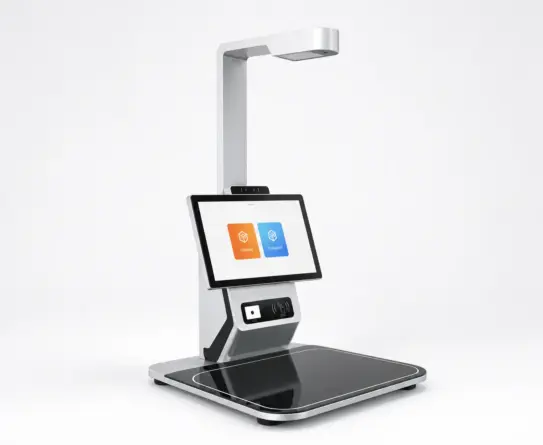
Turn visual evidence into a controlled operating workflow
Detection, OCR, classification, counting, and inspection only create value when camera input, confidence rules, human review, records, and business actions are connected. The delivery path can run at the edge, in the cloud, or across both.
- Camera and image-quality validation
- Model, confidence, and exception workflow
- Edge inference, evidence records, and system integration
From AI idea to controlled business workflow
Production AI work needs a clear path for data, approval, logs, deployment, and support before the first release expands.
Workflow discovery
Clarify users, input data, review rules, risk level, and what business action the AI output should support.
Data and permission design
Prepare knowledge sources, device data, documents, APIs, privacy boundaries, and human approval points.
Prototype and evaluation
Build the first app or workflow, measure useful output, identify failure cases, and tune prompts or retrieval.
Integration and launch
Connect UI, APIs, logs, notifications, dashboards, deployment, and support handoff into the operating system.
How to choose the right AI stack for a first release
Use the business workflow to decide the technical path. This avoids building an impressive demo that cannot be operated, secured, evaluated, or integrated.
Use when the first release is a knowledge app, assistant, or managed workflow with clear permissions and logs.
Use when the AI must plan, call APIs, retry, wait for approval, and keep a traceable state machine.
Use when answers must cite manuals, PDFs, databases, tickets, or product knowledge with controlled updates.
Use when AI should sit inside webhook, SaaS, CRM, ERP, ticket, notification, or data-sync workflows.
Use when data sensitivity, offline access, or cost control requires local or private model operation.
Use when images, video, OCR, speech, or audio records become structured business events.
Popular AI development technologies for production projects
Each page explains the technology, architecture, services, use cases, delivery process, evaluation method, and related implementation paths.
OpenAI
LLM APIs, multimodal applications, tool-calling agents
View pageLangGraph
Agent orchestration, state machines, multi-step workflows
View pageLlamaIndex
RAG, knowledge bases, document indexing
View pageDify
AI application orchestration and management platform
View pagen8n
AI automation and business system integration
View pageOllama
Local AI, private deployment, local model runtime
View pageYOLO
AI vision, object detection, industrial inspection
View pageFunASR
AI voice, speech recognition, speech-to-text
View pageBuild AI features that can be operated, reviewed, and improved
AI application development should produce a reliable operating path, not only a model demo.
Advanced technology with operating discipline
Model capability, workflow tools, logs, permissions, evaluation, and deployment are planned as one system.
Controlled cost and risk
Start from a narrow useful workflow, then expand after data quality, review rules, and business value are proven.
Cloud, private, and local deployment
Choose OpenAI, private cloud, local models, or hybrid AI based on data sensitivity, latency, and maintenance needs.
AI should become an application path, not a disconnected model demo
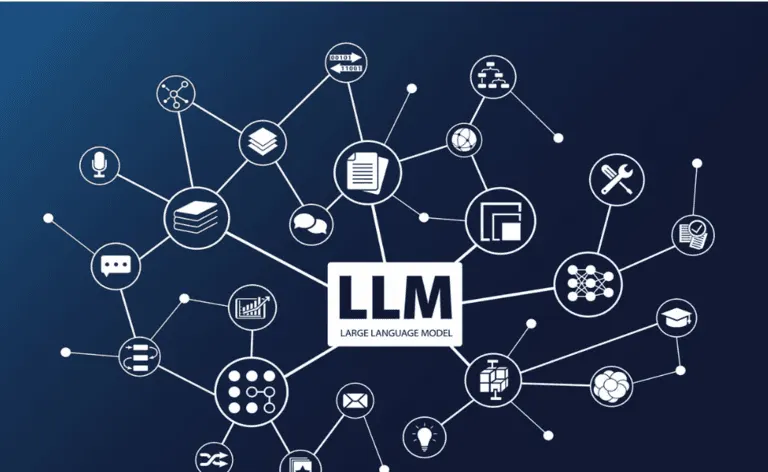
Enterprise AI workflow apps
Turn knowledge, approvals, forms, APIs, and logs into a managed AI application instead of a standalone chatbot.

AI vision and inspection
Use camera data, detection models, edge devices, and review workflows to support industrial or warehouse quality checks.

Custom AI software delivery
Connect AI models with product interfaces, device events, permission rules, logs, and the business systems that own the workflow.
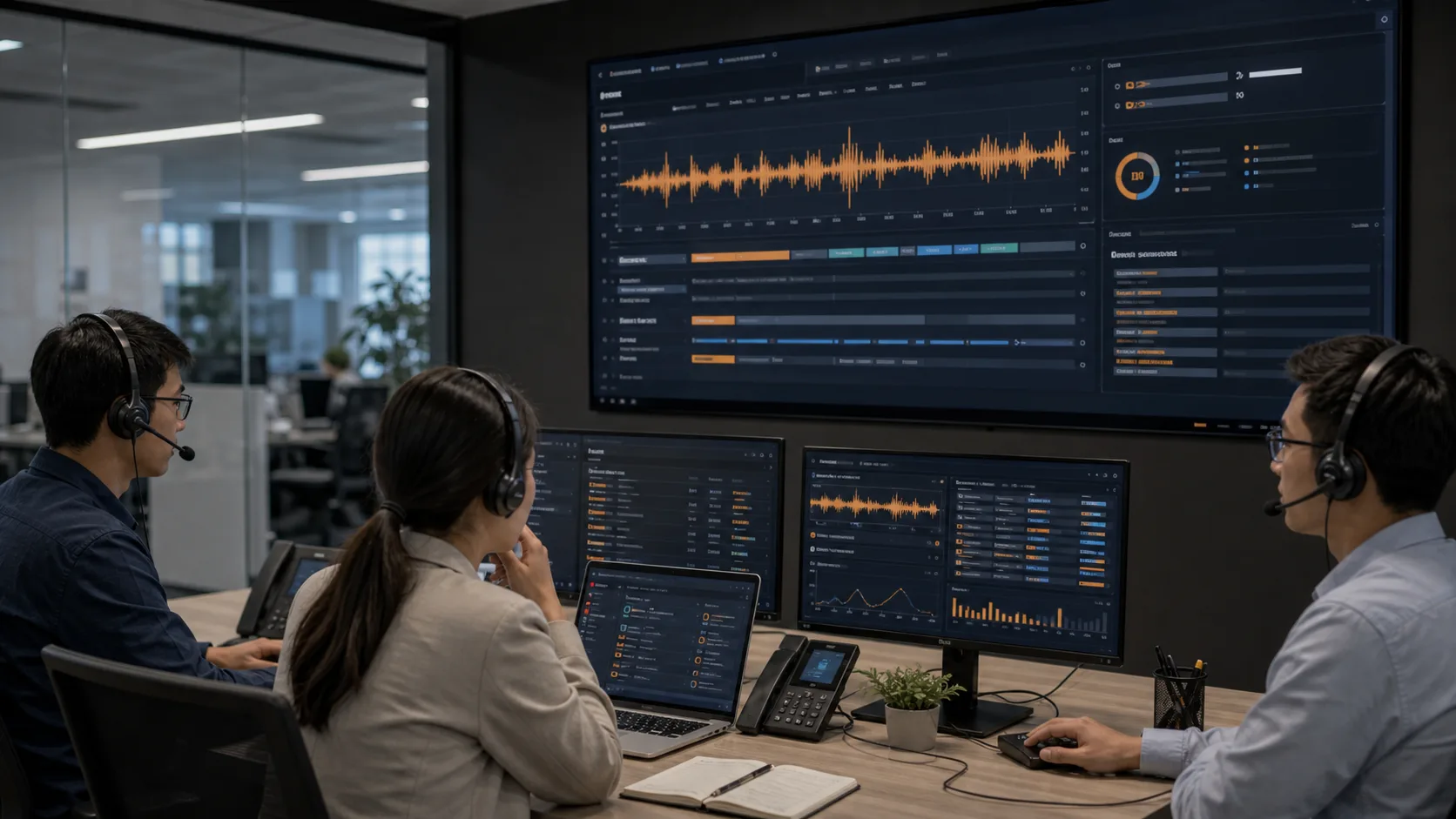
Voice records and operations
Convert speech into searchable records, summaries, quality review signals, tickets, and product-support knowledge.
AI application patterns that create visible business value
These case directions reflect the kinds of workflows where AI can be evaluated with real users, records, and operating evidence.

AI voice records and service review
Speech recognition converts calls, inspections, or device-service conversations into searchable records, summaries, and ticket notes.
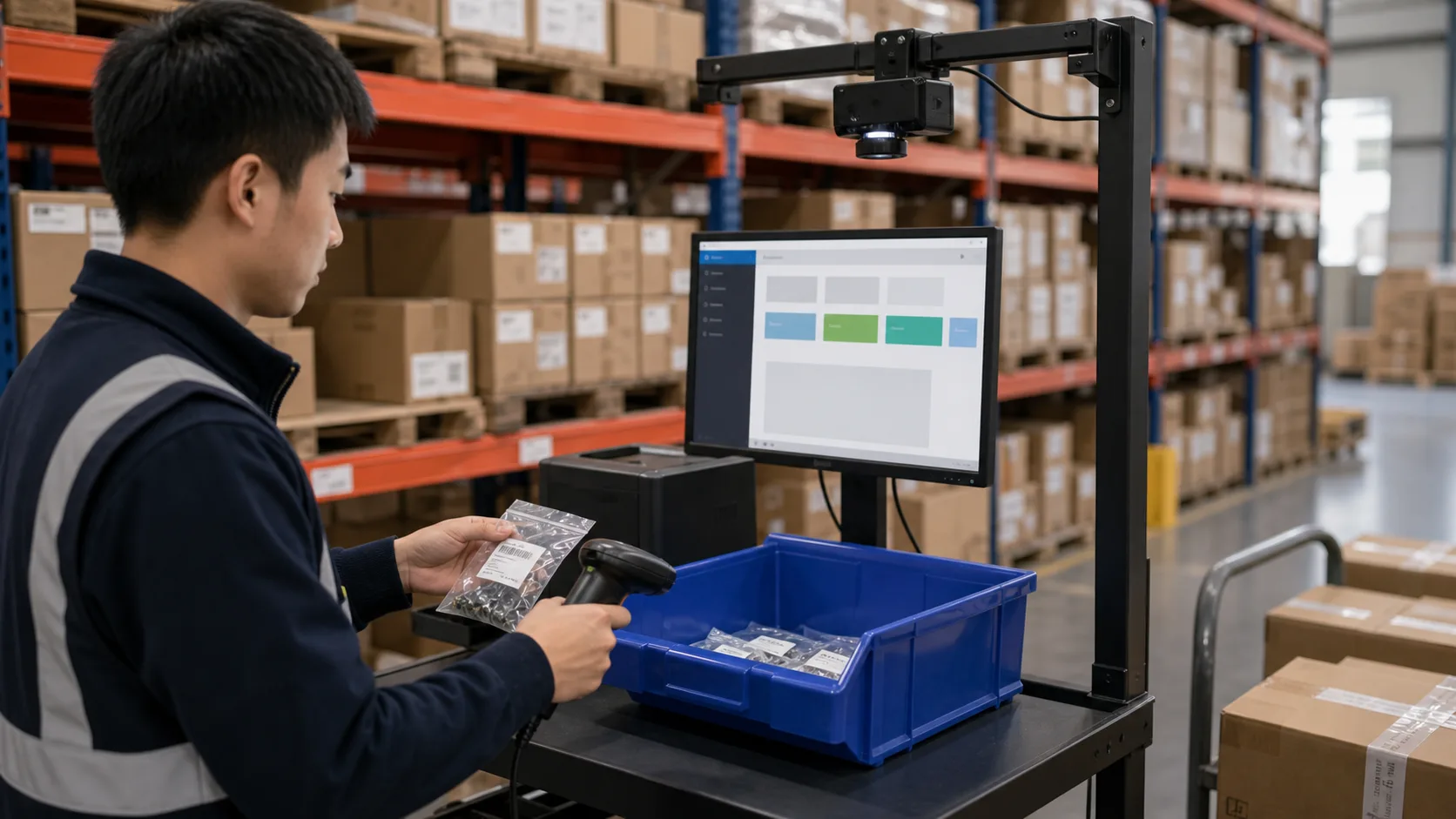
AI vision inspection workflow
Camera input, detection model, confidence rule, human review, and system update become one traceable visual workflow.
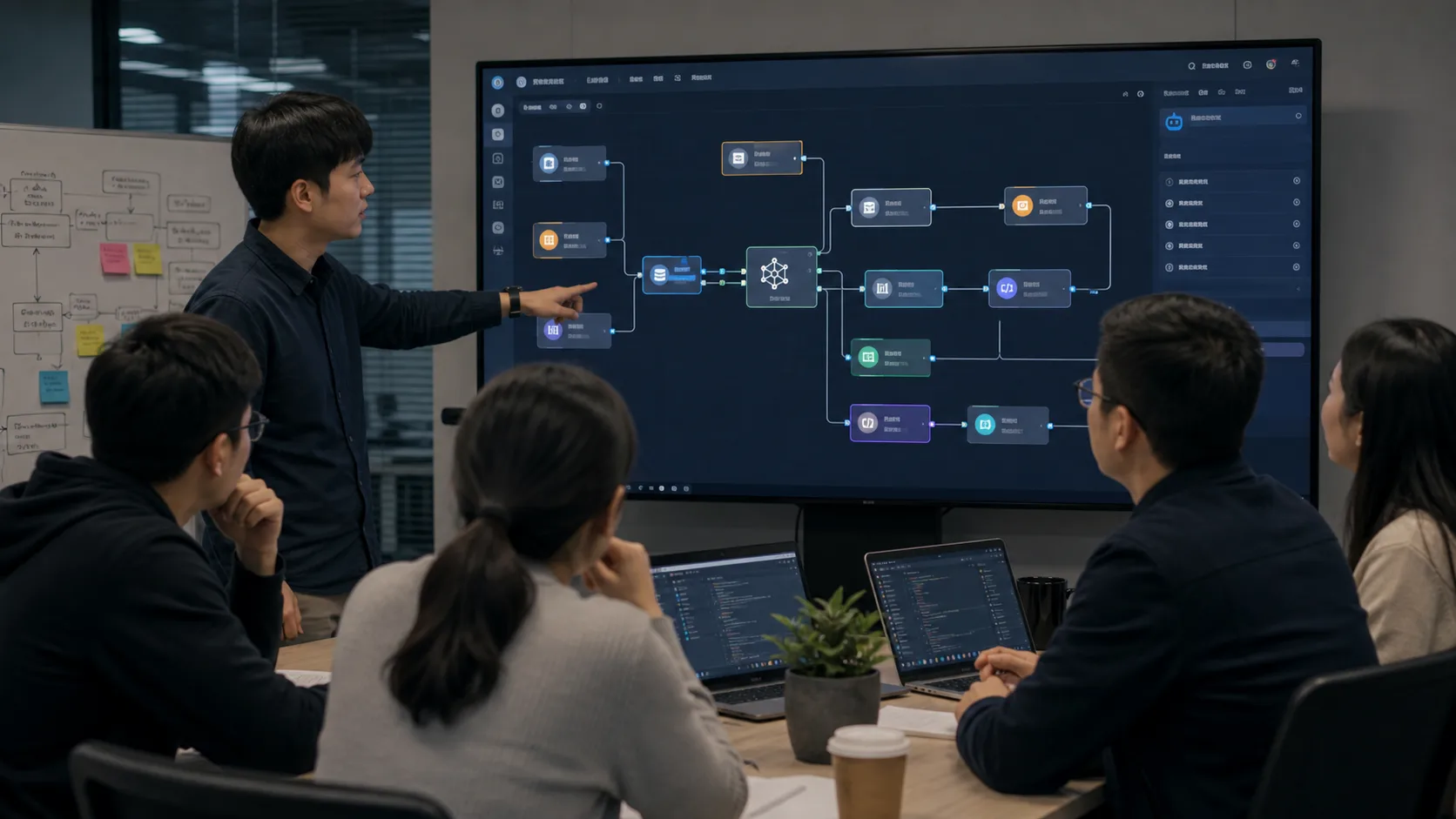
Knowledge assistant and workflow app
Private documents, prompts, tool actions, and approval steps support internal assistants and customer-facing AI tools.
Match the technology to a real implementation topic
Dify and Private AI
Dify, LLM workflows, private knowledge bases, and local model deployment need clear app boundaries, data governance, deployment choices, and operating rules.
Read guideVision and Voice AI
Vision and voice AI projects succeed when capture conditions, samples, labeling, model choice, edge deployment, and business workflow integration are designed together.
Read guideFUXA / Node-RED / SCADA
Low-code SCADA and automation tools are useful for fast prototypes, but production projects still need point tables, permissions, logs, deployment, and monitoring.
Read guideESP32 / ESPHome / TinyML
ESP32 projects move from prototype to product only when firmware layers, provisioning, OTA, certificates, logs, power, and platform access are planned.
Read guideAG-UI / MCP / AI Agent
AI agents need clear boundaries, tool protocols, user-visible state, permission checks, and rollback paths before they can safely act inside business systems.
Read guideSmart Home Integration
Smart home and light-commercial products need ecosystem decisions across Zigbee, Matter, Thread, Wi-Fi, Tuya, local gateways, apps, and support operations.
Read guideQuestions before starting an AI application project
Clarify the workflow, source data, model boundary, integrations, evaluation, and deployment path before implementation.
What type of AI application should we build first?
Start with a repeatable workflow where the input data, user action, business value, and review path are clear. Good first projects include knowledge assistants, document workflows, IoT alarm triage, workflow automation, vision inspection, or voice-to-record systems.
How do we choose between OpenAI, Dify, LangGraph, LlamaIndex, n8n, Ollama, YOLO, and FunASR?
Choose by workflow instead of popularity. OpenAI fits model capability, Dify fits managed AI apps, LangGraph fits stateful agents, LlamaIndex fits RAG, n8n fits automation, Ollama fits private local AI, YOLO fits vision, and FunASR fits speech workflows.
Can AI applications connect with IoT devices or platforms?
Yes. AI can summarize alarms, explain telemetry, classify images, process voice records, search device knowledge, create tickets, or trigger controlled business workflows through APIs and platform events.
Do you support private or local AI deployment?
Yes. We can design cloud, private cloud, local server, or hybrid AI deployment depending on data sensitivity, latency, model quality, cost, and maintenance capacity.
What deliverables are included in an AI application project?
Typical deliverables include workflow design, data and permission review, architecture, prototype, application UI or APIs, integration, logging, evaluation criteria, deployment notes, and iteration backlog.
Need help selecting the right AI stack?
Share your workflow, data source, deployment constraints, and target users. We will help choose a practical first AI implementation path.
- AI + IoT product architecture review
- Hardware, firmware, cloud, and application integration
- Prototype planning and production support