

Computer Vision, Image Recognition and Speech Recognition
A guide for computer vision, image recognition, OCR, YOLO detection, speech recognition, FunASR, multimodal AI, and edge deployment.
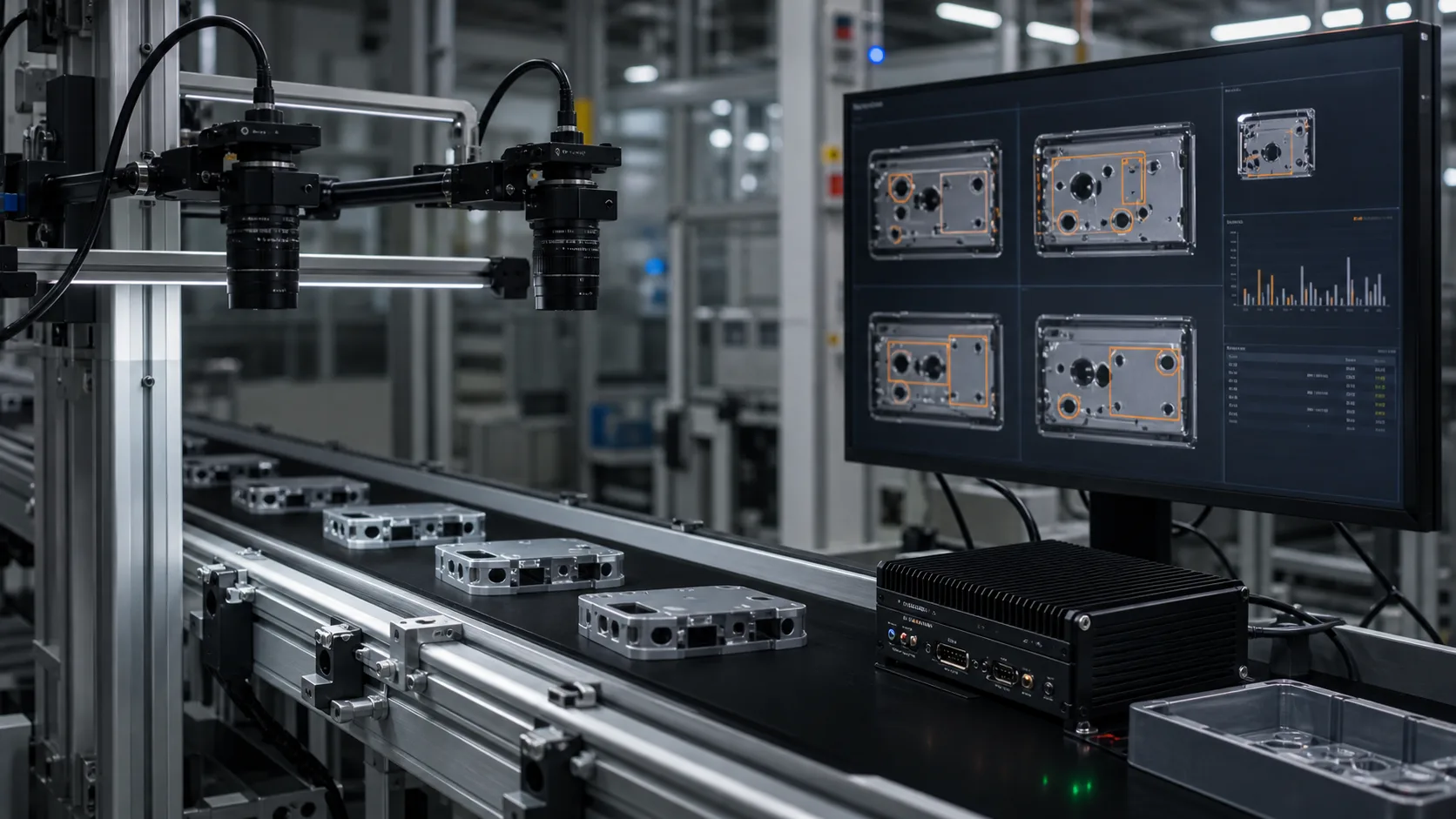
What this topic covers
Computer vision, image recognition and speech recognition projects translate cameras, microphones, samples, models, and edge deployment into business workflows such as inspection, warehouse recognition, OCR, audio monitoring, and voice-to-text.
- Teams evaluating visual inspection, object detection, OCR, warehouse recognition, or production quality workflows.
- Companies that need speech recognition, voice input, call transcription, or abnormal sound detection.
- Product teams that need recognition results connected to WMS, quality records, alarms, tickets, dashboards, or device control.
What to clarify before implementation
Vision and voice AI projects succeed when capture conditions, samples, labeling, model choice, edge deployment, and business workflow integration are designed together.
Assess capture conditions first
Camera, microphone, lighting, installation position, sample volume, label quality, and on-site noise determine model feasibility.
Choose the model by task
Select object detection, OCR, speech-to-text, speaker recognition, abnormal sound detection, or multimodal models based on workflow requirements.
Plan edge deployment
Frame rate, latency, compute, power, and network conditions determine whether inference runs in cloud, local server, or edge device.
Close the business loop
Recognition output should enter tickets, WMS, quality records, alarms, dashboards, or device control workflows.
Guides that support this decision
Move from topic to buildable stack choices
Evaluating a vision or voice AI project?
Start with real images or audio samples, target labels, accuracy expectations, hardware constraints, and the workflow that should receive recognition output.
Common planning questions
Use these answers to frame the first practical decisions around Vision and Voice AI.
How much data is needed?
It depends on scene variation, audio noise, target classes, and required accuracy. A pilot dataset is enough to estimate the real data requirement.
Can vision or speech AI run locally?
Yes. Many recognition workflows run on edge workstations, industrial PCs, private servers, or local gateways for latency and privacy.
Plan this topic with an AI-IoT engineering team
Share the current equipment, workflow, data source, or system integration you are evaluating. We will help convert the topic into a practical implementation path.
- AI + IoT product architecture review
- Hardware, firmware, cloud, and application integration
- Prototype planning and production support