

Equipment asset management for inventory, tracking, and maintenance
ZedIoT turns equipment, warehouse inventory, RFID events, location signals, inspection evidence, and maintenance actions into one traceable asset operation system.

Asset management should connect records, movement, and maintenance
A complete asset management solution should cover inventory automation, RFID, positioning, asset systems, value, scenarios, and operational cases, then organize them around the loop the customer needs to run.
Asset records are incomplete
Teams may know what was purchased, but not where it is, who used it, whether it was inspected, or what condition it is in now.
Inventory checks are too manual
Barcode, RFID, vision, handheld readers, and WMS data often stay separate, so cycle counts depend on slow human confirmation.
Movement is not linked to action
RFID reads, UWB zones, GPS routes, and Bluetooth presence are only useful when they update status, alerts, handovers, or work orders.
Maintenance evidence is weak
Inspection, fault, repair, spare-part, and service records need a shared asset history before teams can reduce downtime and cost.
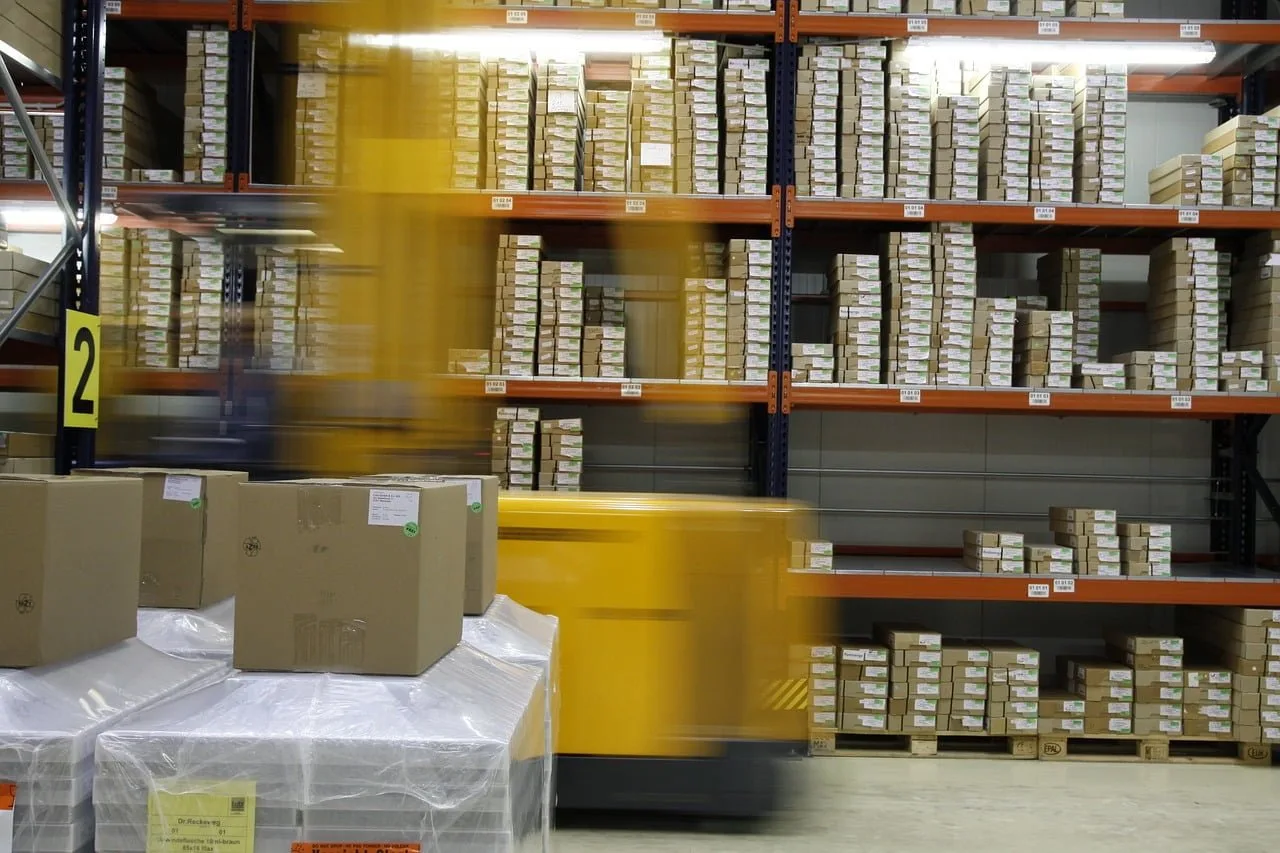
Build the asset system from capture points to business evidence
A useful asset platform is not only a list of equipment. It links tags, readers, positioning, dashboard status, purchase and warehouse records, maintenance inspection, and analysis reports into a repeatable workflow.
Asset registry and identity
Create a controlled asset model for serial numbers, RFID labels, QR codes, devices, ownership, site, category, status, and lifecycle state.
Inventory and recognition
Use RFID readers, barcode scans, AI vision, handheld devices, and workstation workflows to improve counting and evidence capture.
Location and movement
Combine RFID gates, UWB zones, GPS, BLE, video evidence, and gateways to build movement history and exception triggers.
Maintenance and workflow
Connect inspection, repair, procurement, warehouse, work order, and analytics workflows into the same asset record.
From physical asset identity to accountable operations
ZedIoT designs the data path so every physical event can become a trusted status, exception, service task, or report.
Identify
Attach labels, tags, codes, or device IDs to equipment, tools, materials, containers, vehicles, and critical assets.
Capture
Collect scans, RFID reads, UWB zones, GPS events, vision results, telemetry, inspection photos, and manual confirmations.
Unify
Normalize asset status, location, inventory, maintenance, and workflow records into a platform model and API layer.
Act
Trigger warehouse updates, service tasks, procurement flows, alarms, dashboards, reports, and business-system sync.
Choose RFID, UWB, GPS, Bluetooth, and vision by the operating decision
RFID, UWB, GPS, Bluetooth, and video positioning solve different parts of the problem. In practice, the right mix depends on whether the team needs identity confirmation, zone status, route history, indoor coordinates, or visual evidence.
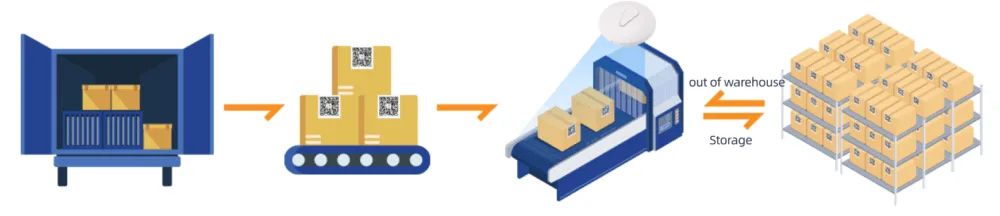
Use one asset model across inventory, logistics, cold chain, fleet, and maintenance
The value comes from connecting different asset events into one operating record that teams can trust and act on.
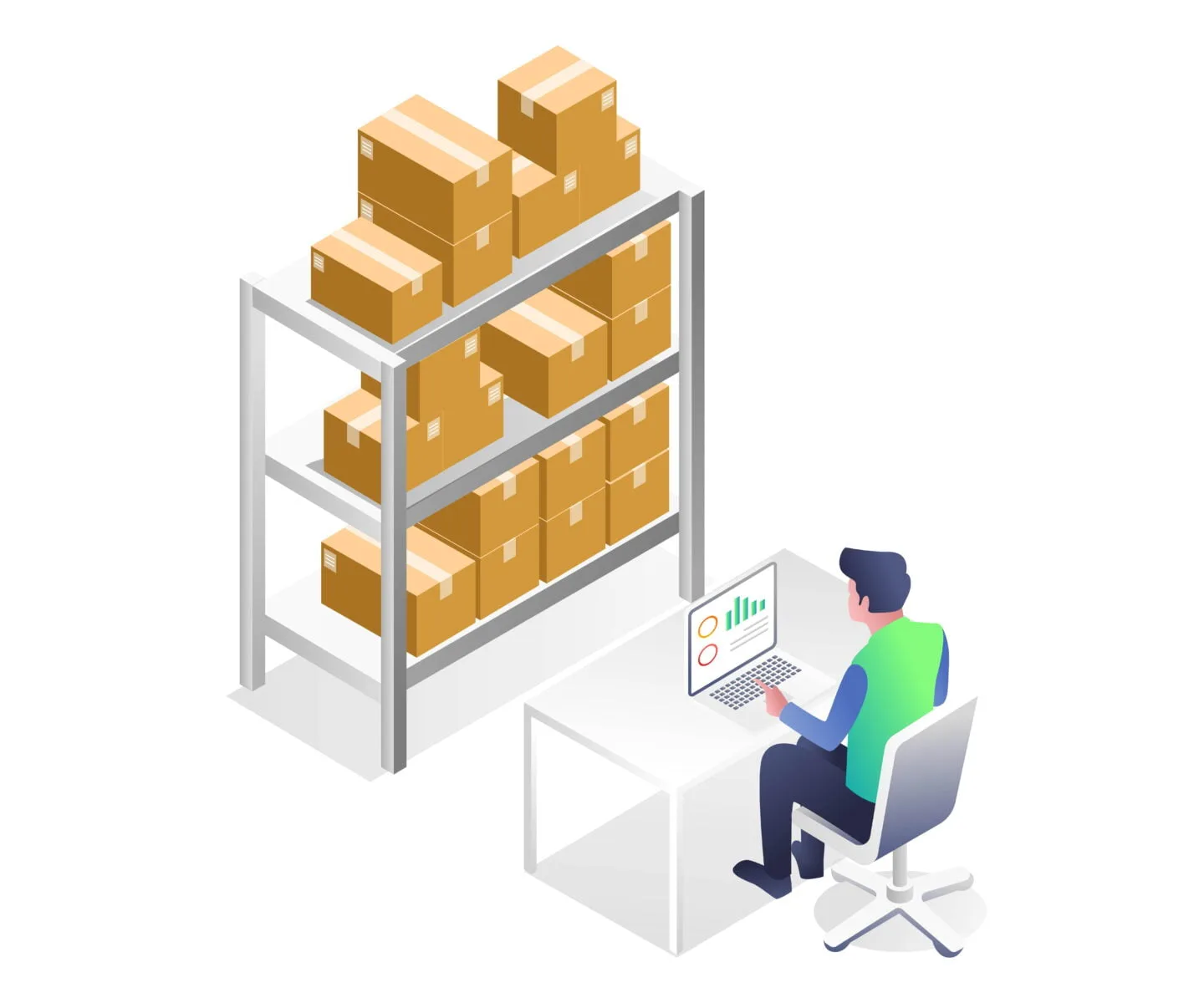
Warehouse management
Use RFID, barcode, AI vision, and WMS integration to improve receiving, inventory checks, storage status, and dispatch evidence.
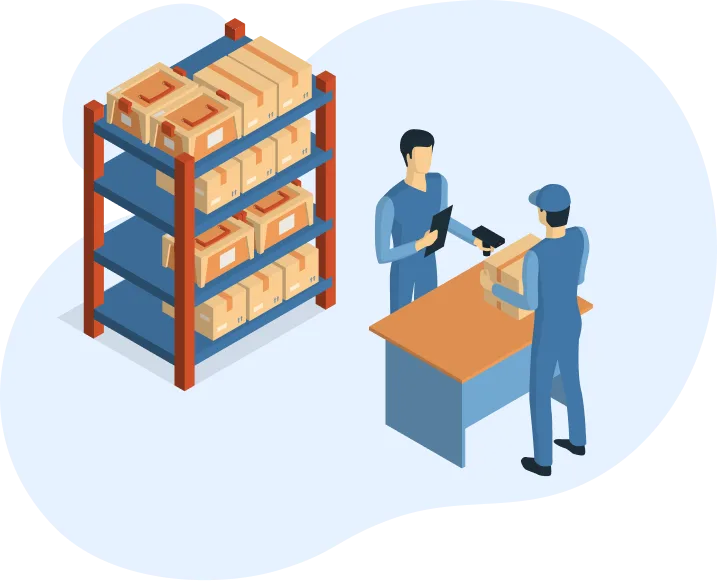
Logistics tracking
Record asset handovers, dock-door movement, transport status, and exception events across logistics workflows.
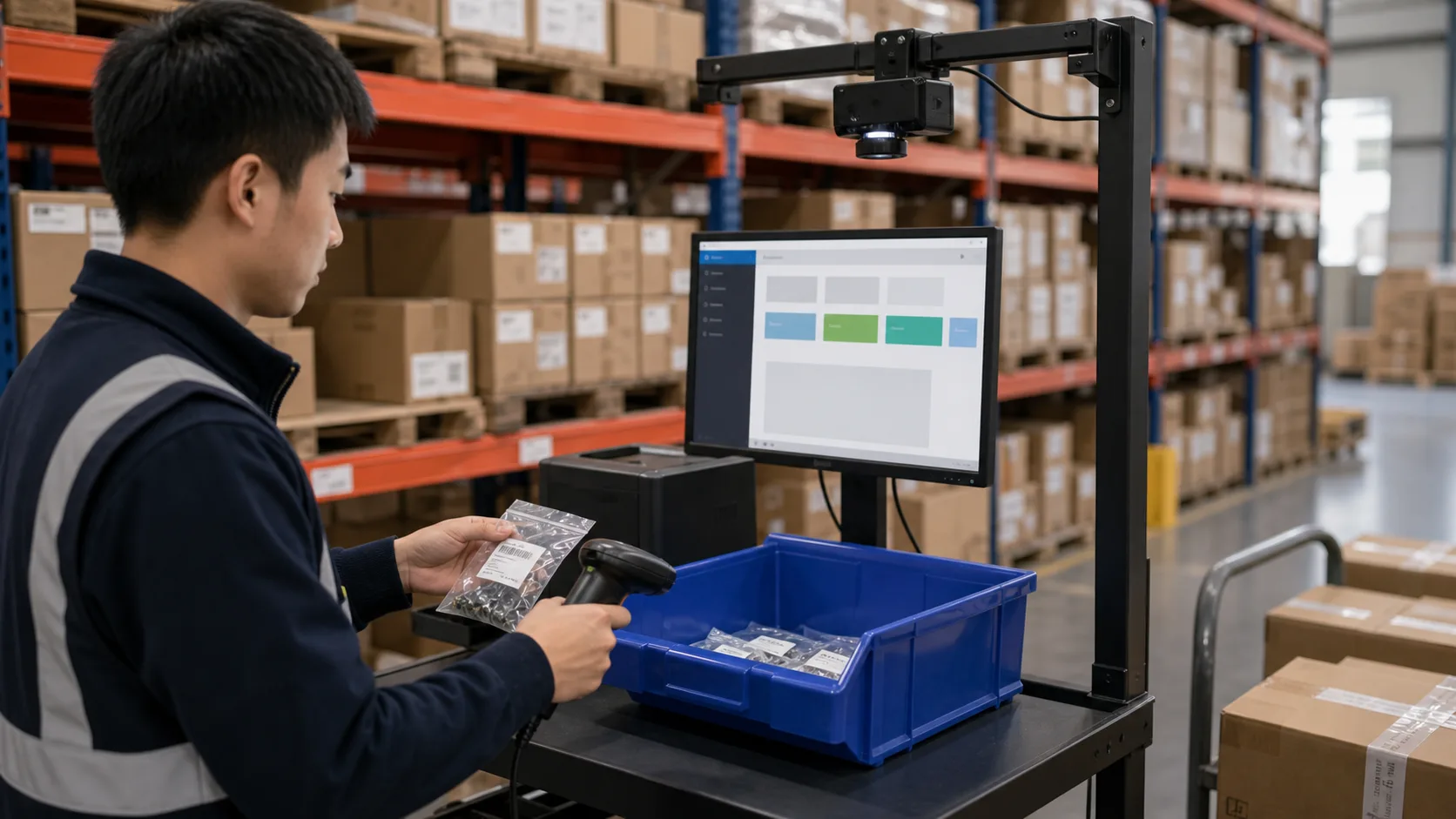
Inventory verification
Combine workstation recognition, handheld checks, RFID reads, and dashboard reconciliation for traceable cycle counts.
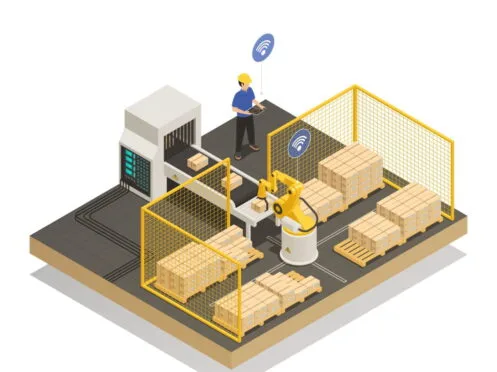
Cold chain assets
Track cold rooms, refrigerated cabinets, mobile boxes, sensors, and maintenance records for temperature-sensitive operations.
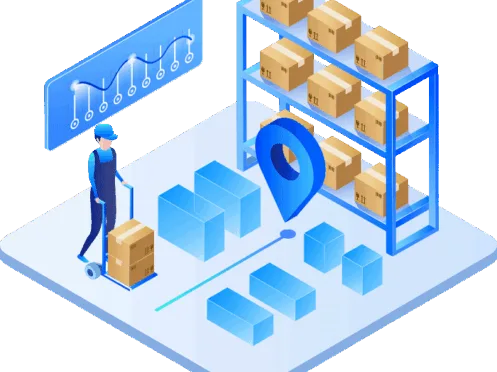
Fleet and field assets
Use GPS, geofence events, service status, and mobile workflows for vehicles, field equipment, and distributed service teams.
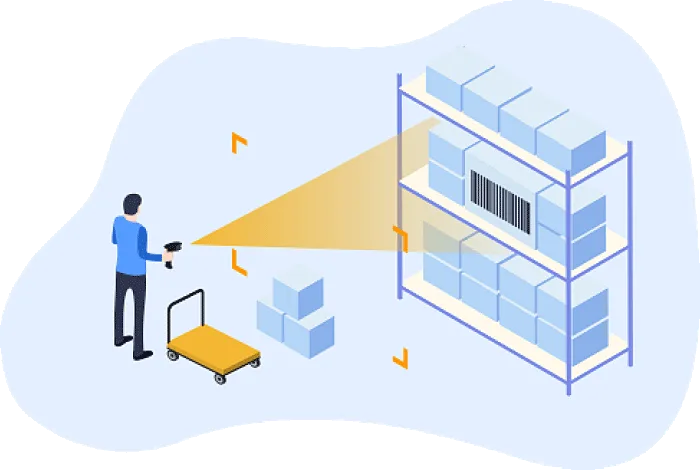
Maintenance and repair
Build a reliable chain from fault records, inspection evidence, spare parts, maintenance actions, and service completion.
Prove one closed loop before expanding tags, readers, and workflows
A controlled pilot reduces wasted hardware spend and exposes site, workflow, permission, and integration problems early.
- 01
Inventory the asset model
Define asset categories, identity rules, locations, owners, lifecycle states, inspection fields, and target systems.
- 02
Choose capture methods
Select RFID, barcode, UWB, GPS, Bluetooth, vision, telemetry, or manual evidence by asset value and process risk.
- 03
Pilot one closed loop
Prove one workflow from capture to dashboard, alert, WMS, CMMS, ERP, or work-order update using real site data.
- 04
Roll out operations
Document tag rules, reader placement, maintenance ownership, user roles, exception handling, and reporting cadence.
Questions before building an asset management system
These questions help define whether the first pilot should focus on inventory, positioning, maintenance, or system integration.
Should an equipment asset project start with RFID, UWB, GPS, or barcode?
Start with the business action first. RFID is strong for identity and batch reads, UWB for precise indoor zones, GPS for outdoor routes, barcode for low-cost confirmation, and AI vision for evidence or recognition workflows. Many projects use a hybrid model.
Can asset management connect to WMS, ERP, or CMMS systems?
Yes. ZedIoT can connect asset events, inventory counts, inspection results, maintenance status, work orders, and reports to WMS, ERP, CMMS, ticketing, or custom business systems through APIs or middleware.
What should be included in a first pilot?
A good pilot includes one asset category, one site or zone, one capture method, one dashboard or report, and one business-system update. This proves the closed loop before hardware is deployed everywhere.
How do we avoid buying the wrong tags or readers?
Survey asset materials, movement paths, read distance, installation limits, network conditions, battery expectations, and acceptance metrics before selecting hardware. The pilot should validate real read rates and workflow value.
Can the same platform support inventory and maintenance?
Yes. The same asset model can store identity, location, ownership, status, inspection records, maintenance events, spare parts, costs, and lifecycle history when the data model is planned correctly.
Build a practical asset management pilot with ZedIoT
Tell us the asset types, site layout, current systems, inventory process, positioning expectation, and maintenance workflow you need to improve.
- AI + IoT product architecture review
- Hardware, firmware, cloud, and application integration
- Prototype planning and production support