

ESP32 Development Services for Real Products
ZedIoT helps product teams choose the right ESP32 family, design firmware architecture, connect devices to cloud or gateways, validate wireless behavior, and prepare prototypes for pilot or production.
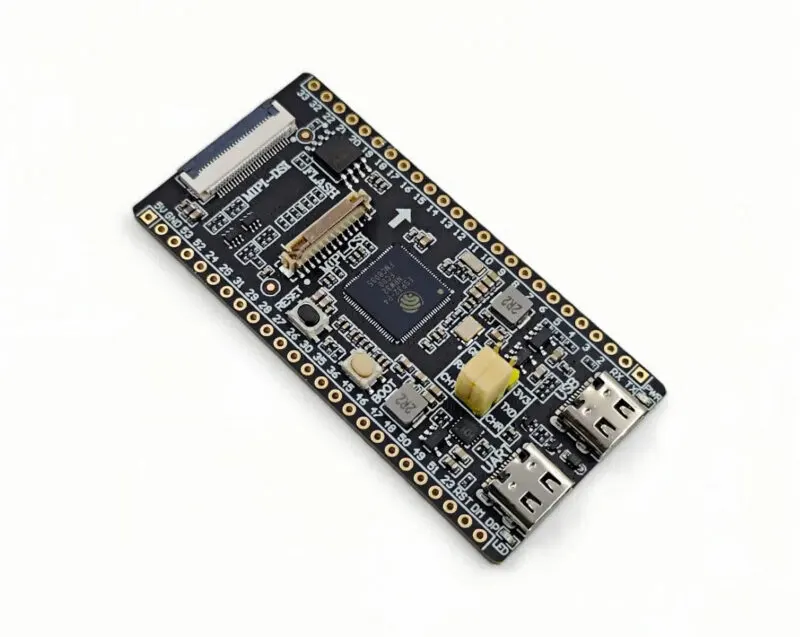
Wireless stability, boot behavior, OTA, logs, factory test, and platform payloads are handled as product requirements, not afterthoughts.
ESP32 product development for real-world devices
ESP32 is useful only when the chip choice, firmware architecture, wireless behavior, and production plan match the product scenario.
Smart home devices
Provisioning, local control, cloud onboarding, Home Assistant or Tuya integration, and reliable recovery after network changes.
Industrial IoT sensors
Field data collection, Modbus or gateway integration, abnormal-state reporting, low-power behavior, and maintenance diagnostics.
Edge AI and voice products
ESP32-S3 or ESP32-P4 prototypes for voice, small vision tasks, display interfaces, and local signal processing.
OEM connected products
Custom PCBA, firmware architecture, manufacturing test commands, version reporting, and production handoff materials.
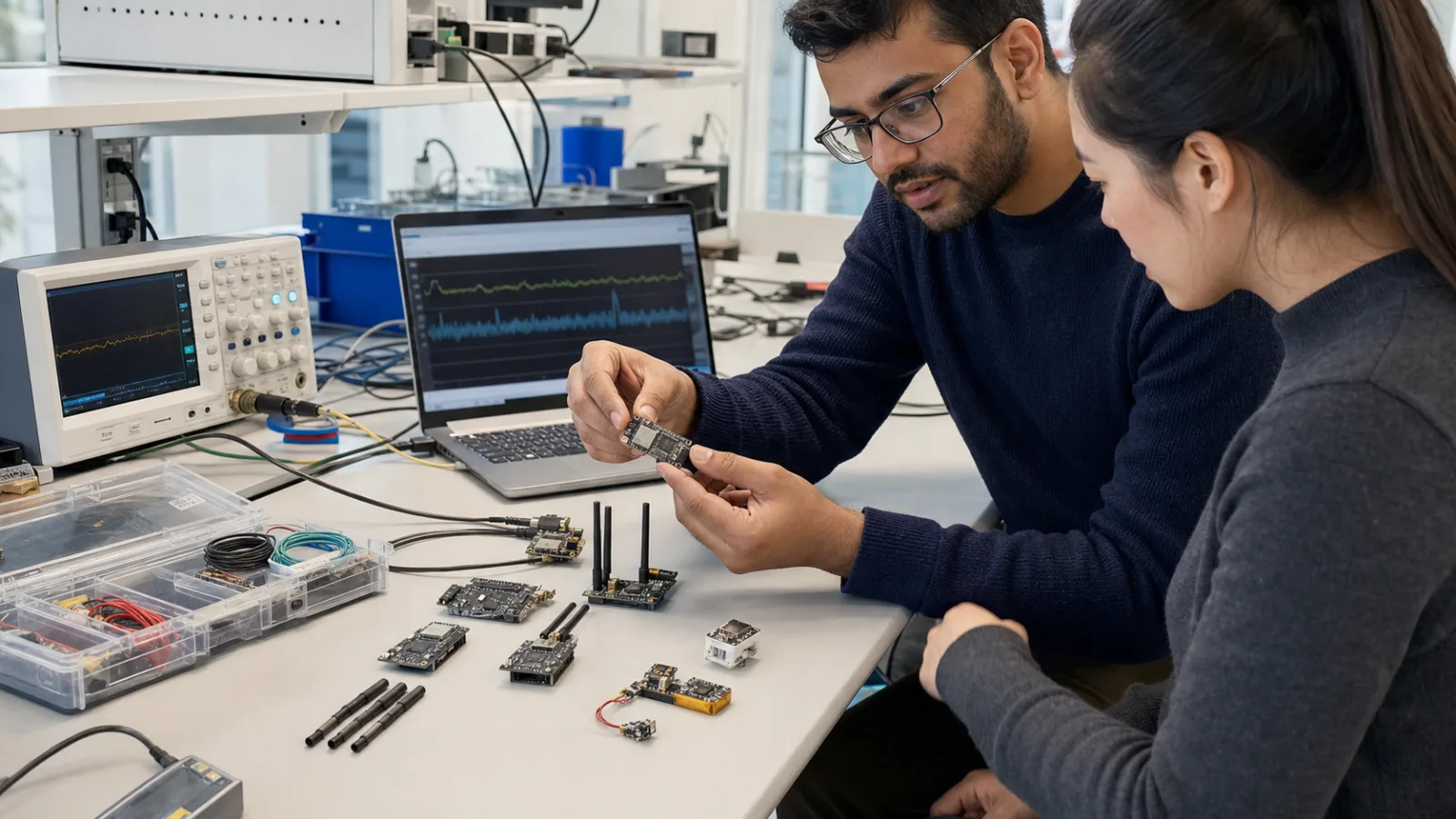
Choose the ESP32 family around the product roadmap
We compare compute, wireless standards, power target, peripheral needs, supply constraints, security, app onboarding, and pilot schedule before locking the module or board.
- ESP32-S3 - AI/voice/display products:Vector instructions, USB, camera/display options, and richer human-machine interfaces.
- ESP32-C3 - Low-cost connected nodes:RISC-V core, Wi-Fi, BLE, secure boot, and simple product control scenarios.
- ESP32-S2 - USB and single-core devices:Good for USB-enabled devices, touch interfaces, and controlled Wi-Fi products.
- ESP32-C6 - Matter, Thread, Zigbee path:Useful when the roadmap includes 802.15.4, smart home ecosystems, and newer connectivity standards.
- ESP32-P4 - Display and edge interfaces:A better path when UI, camera, HMI, or richer peripheral processing matter.
ESP32 development services from prototype to production
The delivery scope can start from a board bring-up, a firmware rescue, a new connected product, or a production hardening phase.
Custom ESP32 PCB design
Module selection, schematic review, radio and power constraints, sensor interfaces, enclosure limits, and manufacturing test planning.
Firmware architecture
Tasks, state machines, storage, watchdogs, drivers, BLE/Wi-Fi provisioning, cloud onboarding, and OTA strategy.
Edge AI and product UX
Voice triggers, local signal processing, display workflows, app onboarding, and device command behavior.
Prototype to production support
Test commands, calibration, flashing notes, version reporting, release notes, and pilot acceptance evidence.
Move from ESP32 prototype to a maintainable product path
Each step produces evidence that helps decide whether to continue, change hardware, simplify firmware, or prepare production.
Requirements and architecture
Confirm product goal, ESP32 family, peripherals, radio needs, power target, cloud or gateway path, and pilot evidence.
Hardware and firmware build
Bring up board interfaces, drivers, state machine, provisioning, cloud payloads, local control, and logs.
Prototype validation
Test reconnect behavior, OTA, sensor accuracy, abnormal states, low-power mode, app onboarding, and field workflow.
Production preparation
Prepare flashing, calibration, factory test commands, release notes, known limits, and handoff documentation.
Iteration roadmap
Plan the next version around pilot evidence, cost reduction, module changes, certification, or platform expansion.
ESP32 product examples that need more than demo firmware
These scenarios usually need board-level review, firmware architecture, cloud payloads, logs, and clear pilot acceptance criteria.
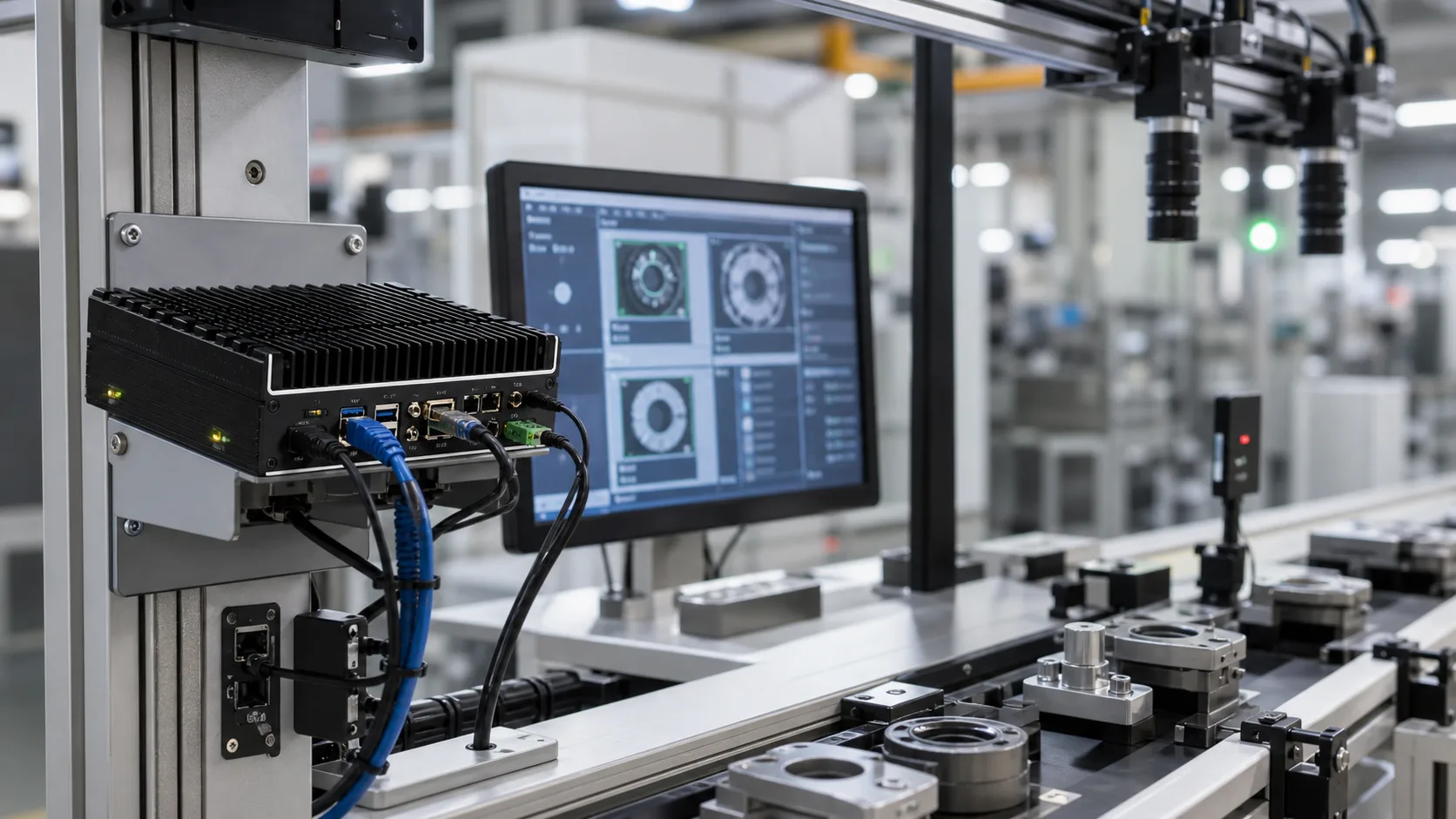
ESP32-S3 voice and edge device
Prototype voice command, local indicator, Wi-Fi onboarding, and firmware update behavior before committing to product tooling.
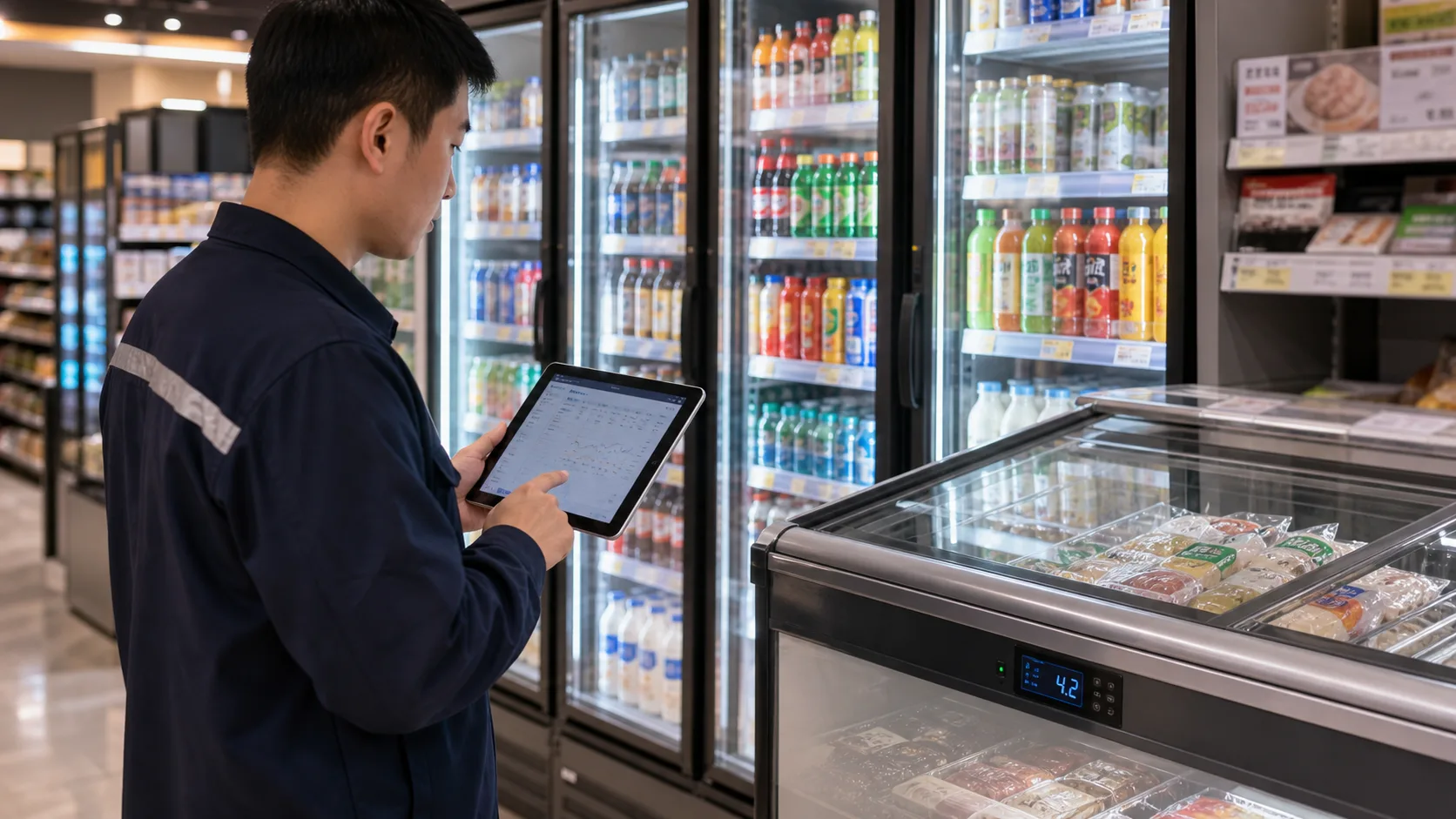
ESP32-C3 low-power sensor node
Low-power data collection, BLE/Wi-Fi provisioning, MQTT payloads, battery behavior, and device health reporting.
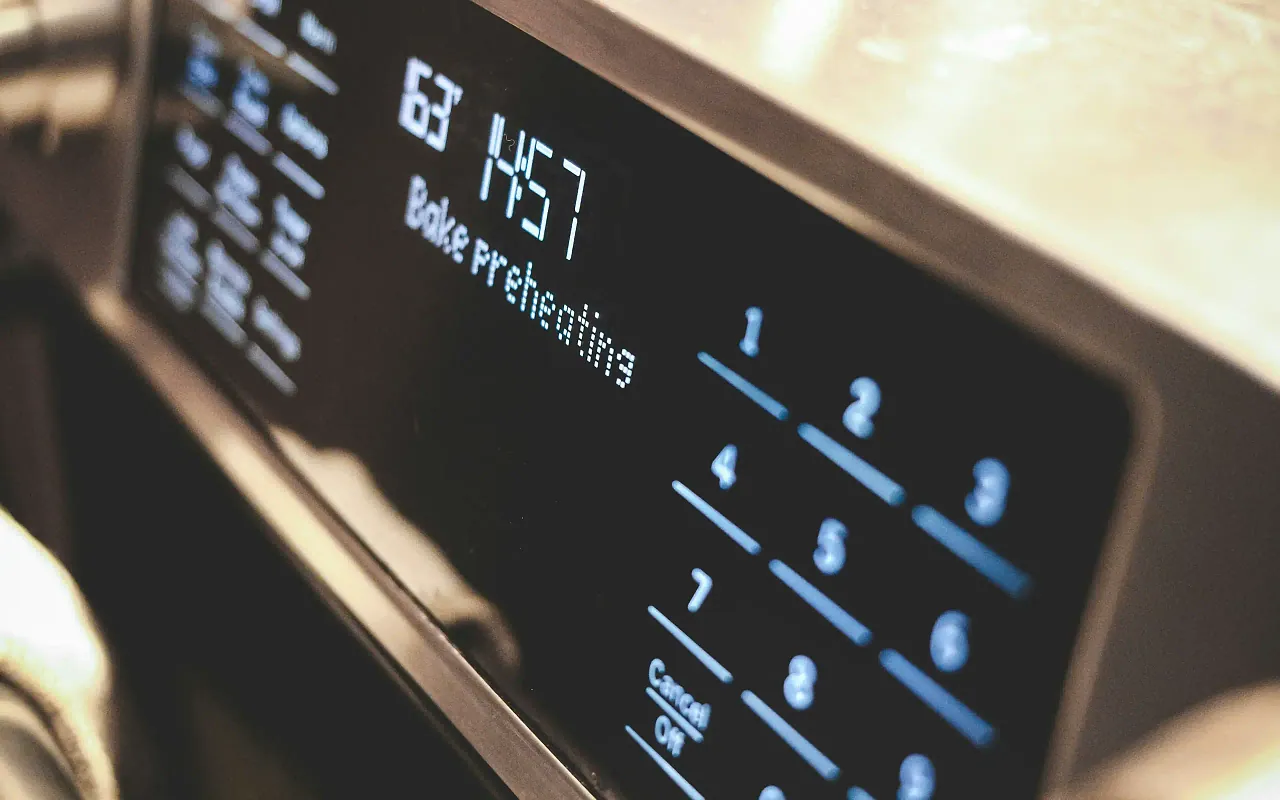
Connected display interface device
Display interactions, button behavior, cloud sync, firmware logs, and pilot test criteria for a customer-facing device.
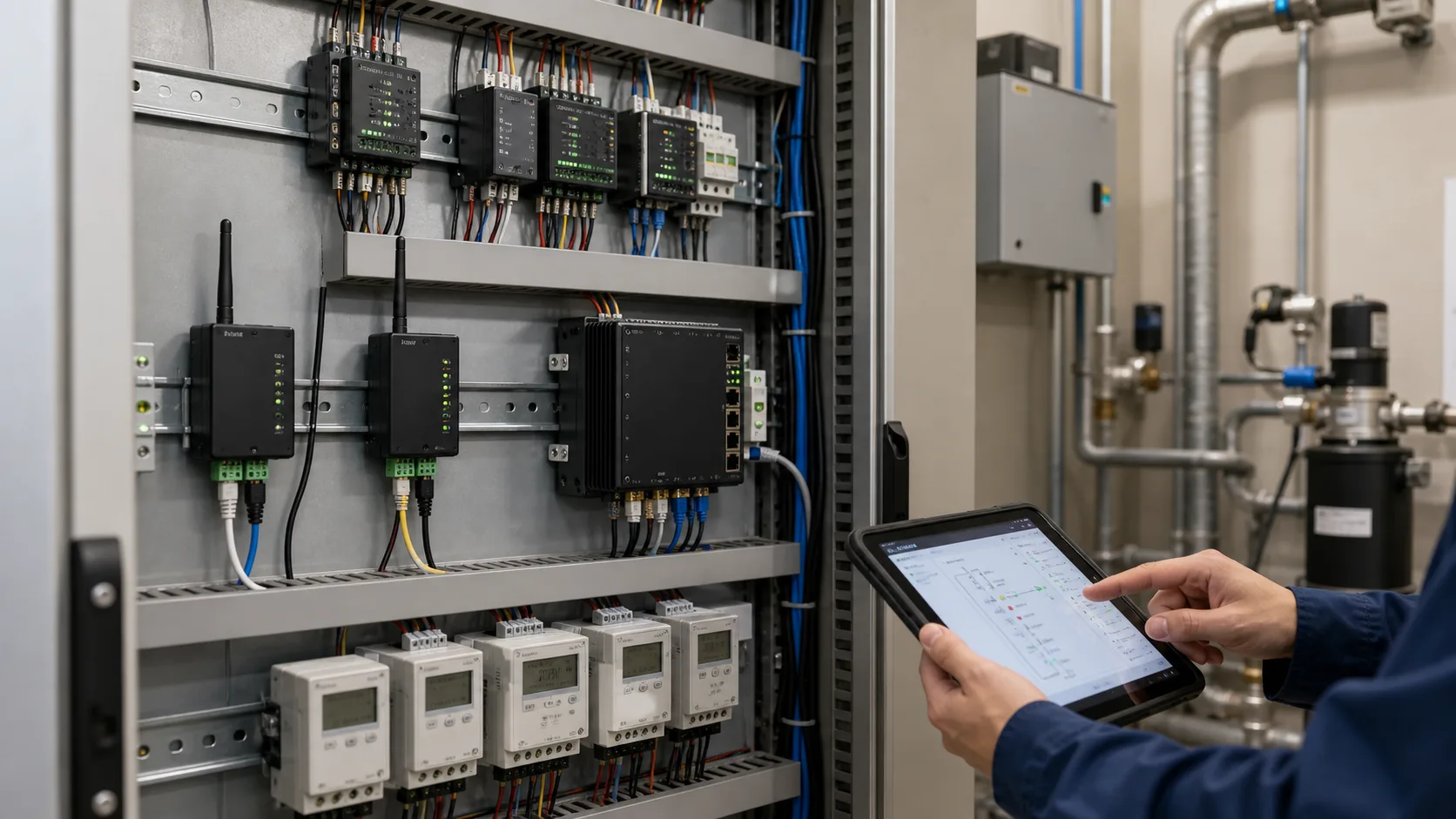
Vehicle safety alert device
Sensor input, wireless status, alert logic, app handoff, OTA planning, and field validation for a safety workflow.
Bring a product goal, board idea, or prototype problem
We can review module choice, firmware architecture, app onboarding, pilot evidence, and production test needs before the next hardware or firmware decision is locked.
Questions before starting ESP32 product development
Clarify chip selection, prototype maturity, firmware architecture, ecosystem integration, production risks, and delivery scope before implementation.
Which ESP32 series should we choose for a product?
The choice depends on wireless requirements, peripherals, memory, power budget, cost, enclosure, and whether the product needs BLE, Wi-Fi 6, Thread, Zigbee-related gateway work, display support, or local AI features.
Can ZedIoT turn an ESP32 prototype into production firmware?
Yes. We can review the prototype, redesign firmware structure, improve provisioning and reconnect behavior, add logs and OTA, and prepare pilot or production validation notes.
Do you support ESPHome and Home Assistant paths?
Yes. For suitable devices, ESPHome can accelerate prototypes or specialized deployments, while custom firmware is better when the product needs stronger control over UX, OTA, diagnostics, and production behavior.
What makes ESP32 development fail in production?
Common issues are weak provisioning, unstable reconnect behavior, poor power planning, missing logs, no update strategy, untested enclosure radio performance, and unclear cloud payload contracts.
Talk to an ESP32 product engineering team
Share your target product, ESP32 family, peripherals, wireless requirements, firmware status, and pilot goal. We will help define the safest next development step.
- AI + IoT product architecture review
- Hardware, firmware, cloud, and application integration
- Prototype planning and production support