

ESP32 Vehicle Safety Device for a Transportation Startup
A transportation startup needed to test whether a physical in-vehicle safety control could generate reliable alerts and grow into a connected product roadmap.
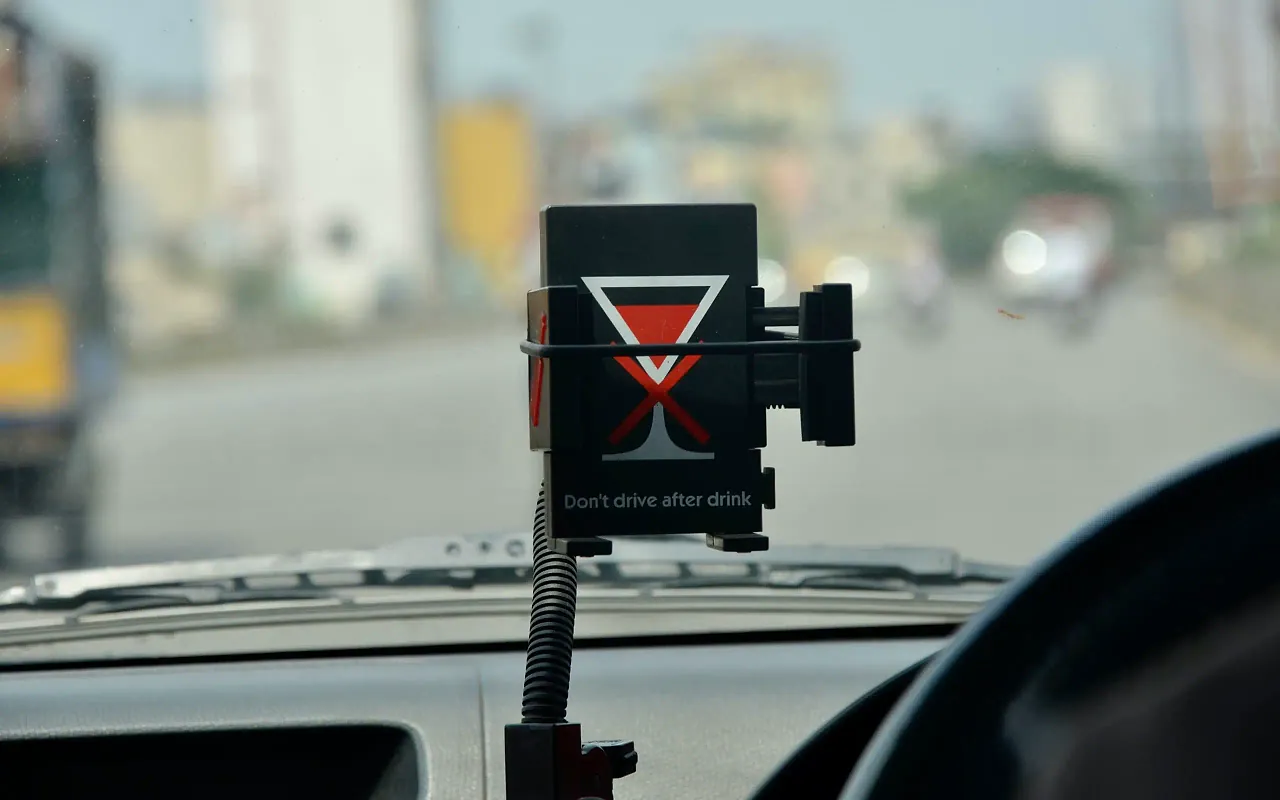
Validate the safety interaction before overbuilding the platform
The early design had to account for vehicle power, accidental activation, event confirmation, wireless coverage, device identity, and the human response after an alert.
- Project focus
- ESP32 vehicle safety device
- Delivery scope
- Safety interaction + Vehicle power
- Operating goal
- Focused feasibility
Hardware, firmware, and product behavior had to be validated together
- 01
Define intentional activation and visible feedback
- 02
Handle vehicle power variation and unexpected reset
- 03
Choose a communication path for the intended coverage
- 04
Specify who receives the event and what they do next
Use a focused hardware and event-flow prototype
ZedIoT framed the first release around a physical control, protected power input, ESP32 firmware, device identity, event delivery, acknowledgment, and a roadmap for diagnostics and OTA.
Safety interaction
Activation timing, confirmation, cancellation, and user feedback are explicit.
Vehicle power
Power conditioning and reset behavior account for automotive supply variation.
Connected alert
The device publishes a traceable event with identity and delivery state.
Product roadmap
Diagnostics, OTA, fleet management, and production tests are staged after feasibility.
From physical action to accountable response
Activate
A deliberate physical action creates the safety event.
Validate
Firmware confirms timing, state, and device identity.
Notify
The selected network carries an acknowledged alert.
Respond
The receiving workflow records ownership and follow-up.
A product roadmap grounded in the real alert workflow
The engagement clarified the first useful device, the interfaces that needed validation, and the features that should wait until the safety loop worked end to end.
Focused feasibility
The pilot tested the critical activation-to-response path instead of a broad feature list.
Visible failure modes
Power, coverage, reset, retry, and acknowledgment risks were exposed early.
Scalable next step
Device management, OTA, and fleet evidence can be added to a proven event foundation.
This engineering case does not establish regulatory approval or a life-safety certification; those require product-specific testing, legal review, and qualified certification partners.
ESP32 vehicle safety device questions
What did ZedIoT deliver for this esp32 vehicle safety device project?
ZedIoT framed the first release around a physical control, protected power input, ESP32 firmware, device identity, event delivery, acknowledgment, and a roadmap for diagnostics and OTA. The final scope depended on the customer's devices, interfaces, operating workflow, and acceptance criteria.
Can this project pattern be adapted to another product or site?
Yes. The reusable pattern is the way activate, validate, notify are connected. Device protocols, deployment topology, data ownership, and operating rules are validated for each new project.
What should be confirmed before starting a pilot?
A useful pilot starts with representative hardware, interface documentation, real operating conditions, expected users, failure cases, and measurable acceptance criteria. This engineering case does not establish regulatory approval or a life-safety certification; those require product-specific testing, legal review, and qualified certification partners.
Planning a related AI + IoT project?
Share the current device or system, the operating problem, available interfaces, intended users, and the result you need to validate. ZedIoT can help define a focused prototype and production path.
- AI + IoT product architecture review
- Hardware, firmware, cloud, and application integration
- Prototype planning and production support