
ESP32-S3 display, voice, and lightweight AI terminal development
A screen, microphone, speaker, and small AI feature do not automatically form a usable terminal. Resource budgets, interaction timing, audio quality, recovery behavior, cloud boundaries, and production tests need one product plan. ZedIoT develops ESP32-S3 terminal hardware and firmware, display and touch interfaces, audio pipelines, lightweight local intelligence, connectivity, OTA, diagnostics, and manufacturing-test workflows.
When this service is a good fit
Smart terminal product teams, device brands, interactive equipment OEMs, and companies adding display, voice, or local intelligence to connected hardware
- Customer problem
- A screen, microphone, speaker, and small AI feature do not automatically form a usable terminal. Resource budgets, interaction timing, audio quality, recovery behavior, cloud boundaries, and production tests need one product plan.
- ZedIoT delivery
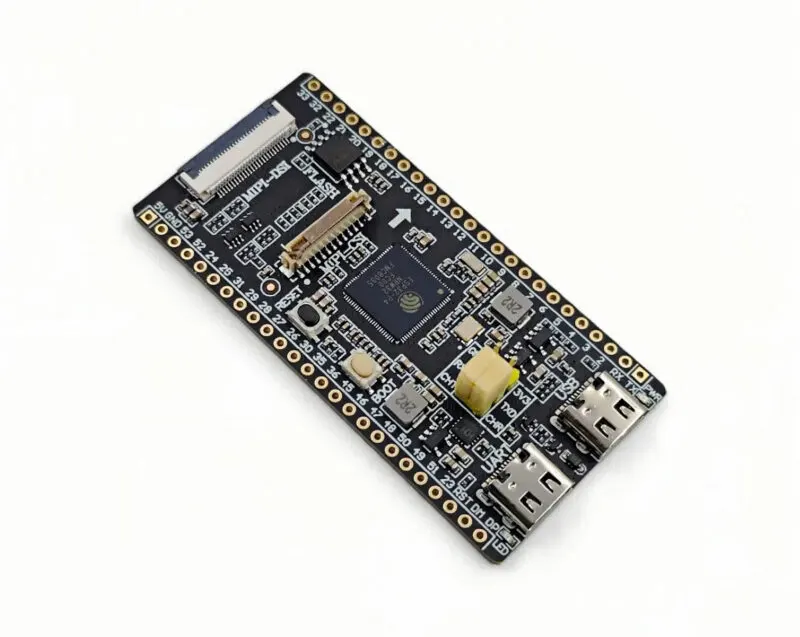
- ZedIoT develops ESP32-S3 terminal hardware and firmware, display and touch interfaces, audio pipelines, lightweight local intelligence, connectivity, OTA, diagnostics, and manufacturing-test workflows.
- Expected outcome
- The result is a validated terminal path that keeps human interaction, device behavior, connectivity, and maintenance aligned with the product goal.
Build an interaction loop that remains useful outside the lab
The terminal must show the right state, accept or clarify input, recover after a restart or network change, and give people useful feedback even when a richer AI service is unavailable.
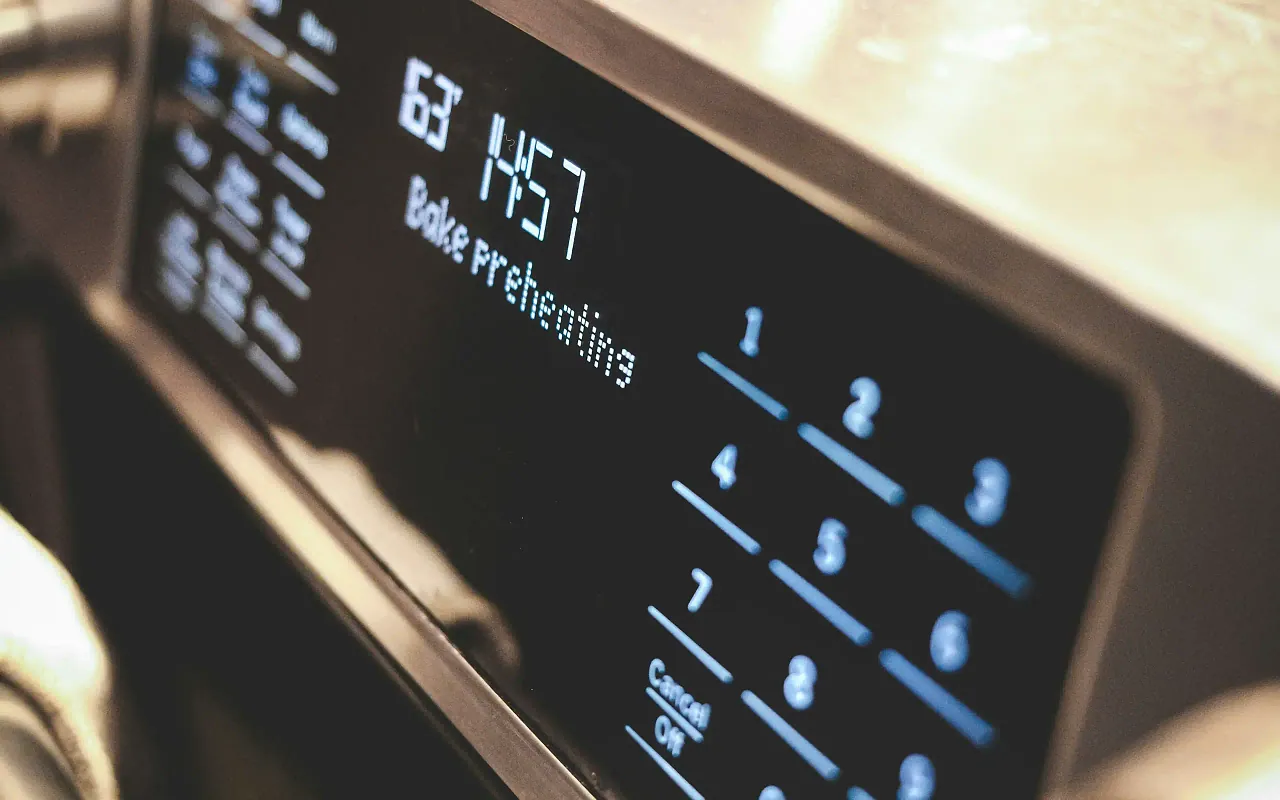
- Display, touch, audio, and local rules tested as one interaction
- Local and cloud responsibilities defined with usable fallback states
- Factory test and OTA built into the product lifecycle
How the work connects devices, data, software, and operations
Each project uses only the layers required by the business case, but the boundaries are made explicit before development starts.
Human interface
Display, touch, button, LED, microphone, and speaker behavior are defined as clear user states rather than separate peripheral demos.
ESP32-S3 runtime
Firmware coordinates UI, audio buffers, peripheral drivers, storage, watchdog recovery, resource budgets, and local rules.
Local and cloud intelligence
The project defines which responses remain local and which require a gateway or cloud service, with useful fallback behavior when connectivity changes.
Operations and evolution
Provisioning, diagnostic logs, feature flags, OTA, production tests, version reporting, and service handoff support an evolving terminal product.
What ZedIoT can design, build, integrate, and hand off
Scope is adjusted to the project stage: feasibility, prototype, pilot, production rollout, or ongoing iteration.
Display and interaction design
Integrate LCD or touch hardware, state-driven UI, buttons, indicators, error states, boot flow, and product-specific interaction timing.
Voice and audio pipeline
Plan microphones, speakers, I2S or PDM interfaces, wake or push-to-talk behavior, buffering, feedback, network boundaries, and fallback states.
Lightweight local intelligence
Evaluate small classification, keyword, signal-processing, or model-assisted functions against memory, latency, accuracy, privacy, and update constraints.
Connected product hardening
Build Wi-Fi or BLE onboarding, cloud or gateway payloads, logs, controlled OTA, factory tests, and release notes around long-term maintenance.
Production readiness covers the whole terminal experience
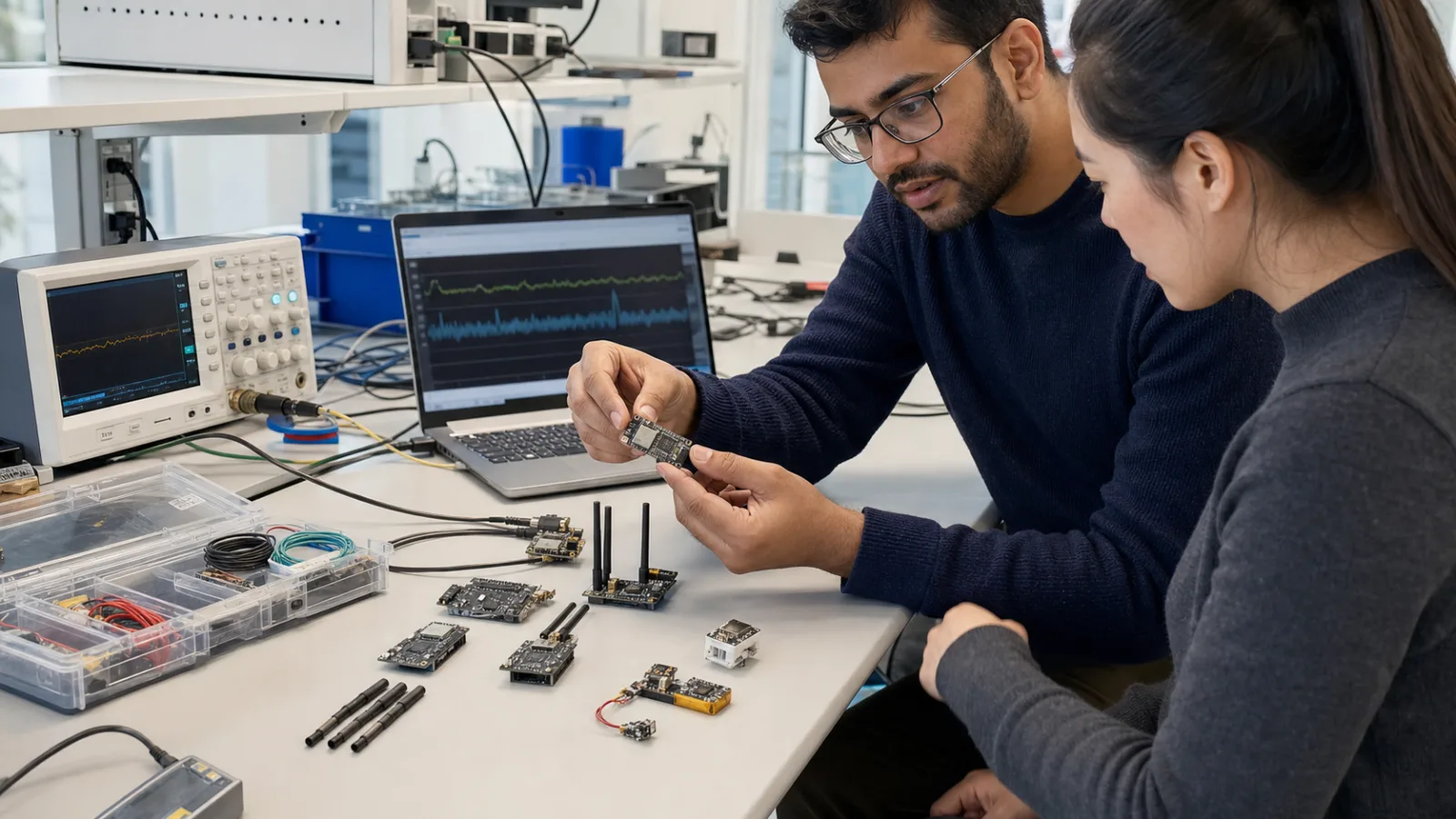
A production terminal needs deliberate checks for UI states, audio paths, resource pressure, reconnect behavior, diagnostics, update safety, and factory-visible test evidence.
- Best fit: products where display, audio, interaction, and connected behavior must feel like one coherent terminal experience.
- ESP32-S3 supports lightweight local intelligence, but model scope must be selected against memory, latency, accuracy, audio or display workload, and power constraints.
- Cloud AI can extend the experience, but user feedback and failure handling must remain understandable when a network or remote service is unavailable.
- Scope depends on the display, touch stack, microphones, speakers, camera or sensor needs, local model task, cloud interfaces, enclosure, and expected production volume.
Questions to resolve before scope is locked
Can ESP32-S3 run AI locally?
It can support carefully scoped local signal processing and lightweight model tasks. Suitability depends on memory, latency, accuracy, model size, audio or display workload, power, and the user experience required when the cloud is unavailable.
Should the terminal use local voice processing or cloud AI?
Many products use a hybrid path. Local processing can handle immediate feedback or simple triggers, while cloud services handle richer recognition or dialogue. The right split depends on privacy, latency, network conditions, cost, languages, and fallback behavior.
Can you work from an existing S3 prototype?
Yes. We can review the board, display and audio interfaces, current firmware, memory budget, interaction flow, network behavior, logs, update path, and production gaps before defining the next iteration.
What is needed for factory testing?
The test scope typically covers display and touch response, audio input and output, button or LED behavior, connectivity, device identity, flash or calibration checks, firmware version, and product-specific peripheral functions.
Talk to an AI-IoT engineering team
Share your product idea, current hardware, target workflow, or integration challenge. We will help you evaluate the fastest path to a working prototype and production-ready system.
- AI + IoT product architecture review
- Hardware, firmware, cloud, and application integration
- Prototype planning and production support