

RFID and UWB tracking for high-value assets
ZedIoT helps warehouses, factories, hospitals, logistics teams, and rental operators turn RFID reads, UWB location signals, gateway data, and business-system updates into one usable asset visibility workflow.
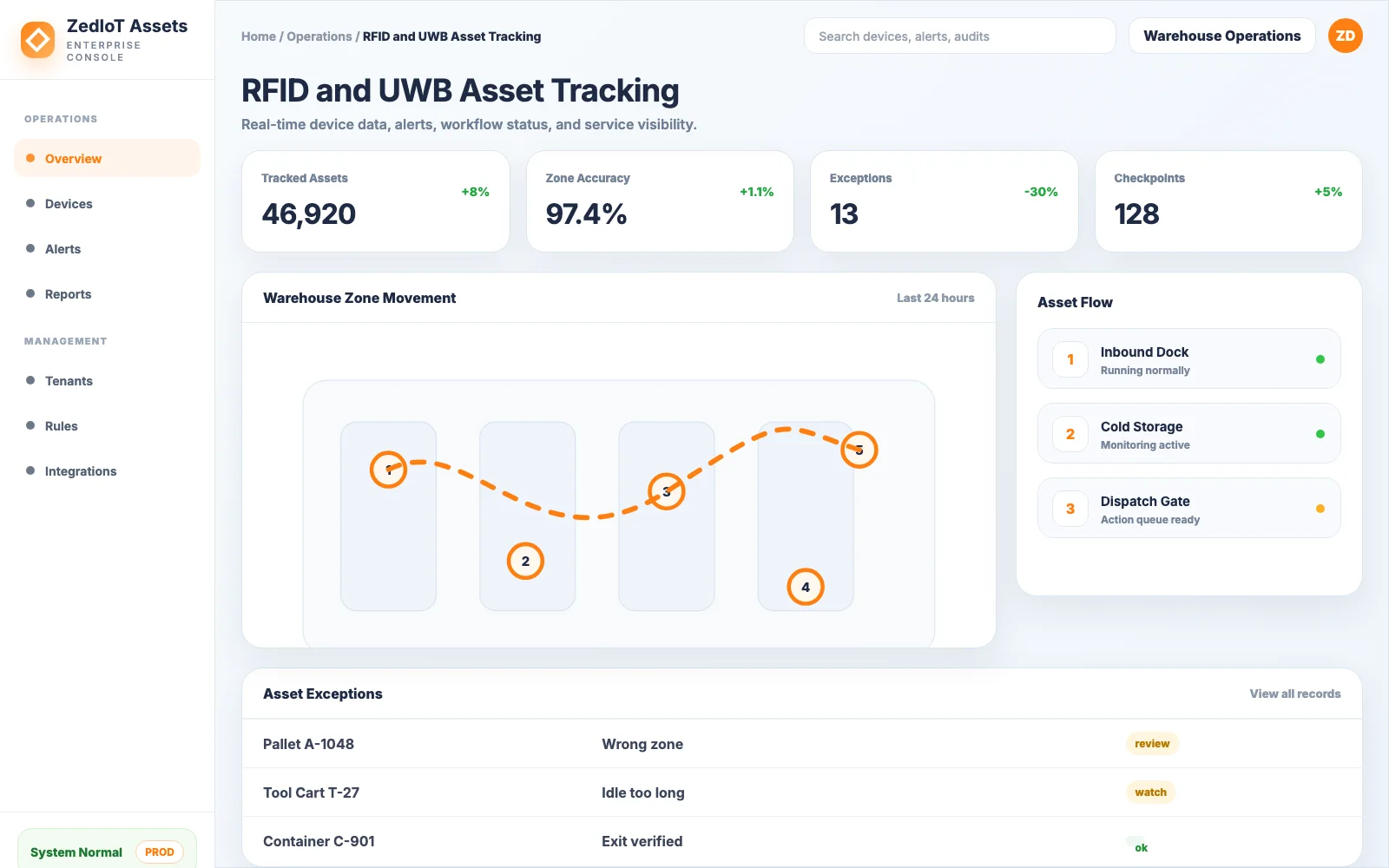
RFID and UWB services we offer
The solution is organized around three practical entry points: logistics handover, warehouse visibility, and personnel or asset safety. Each entry point connects field signals to a workflow people can actually use.
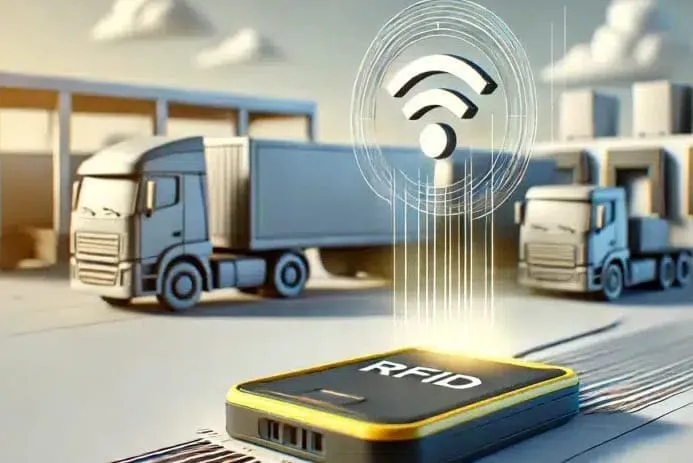
RFID logistics and supply chain management
Use RFID read points at dock doors, warehouse aisles, production lines, or handover stations to record asset identity without manual spreadsheet updates.
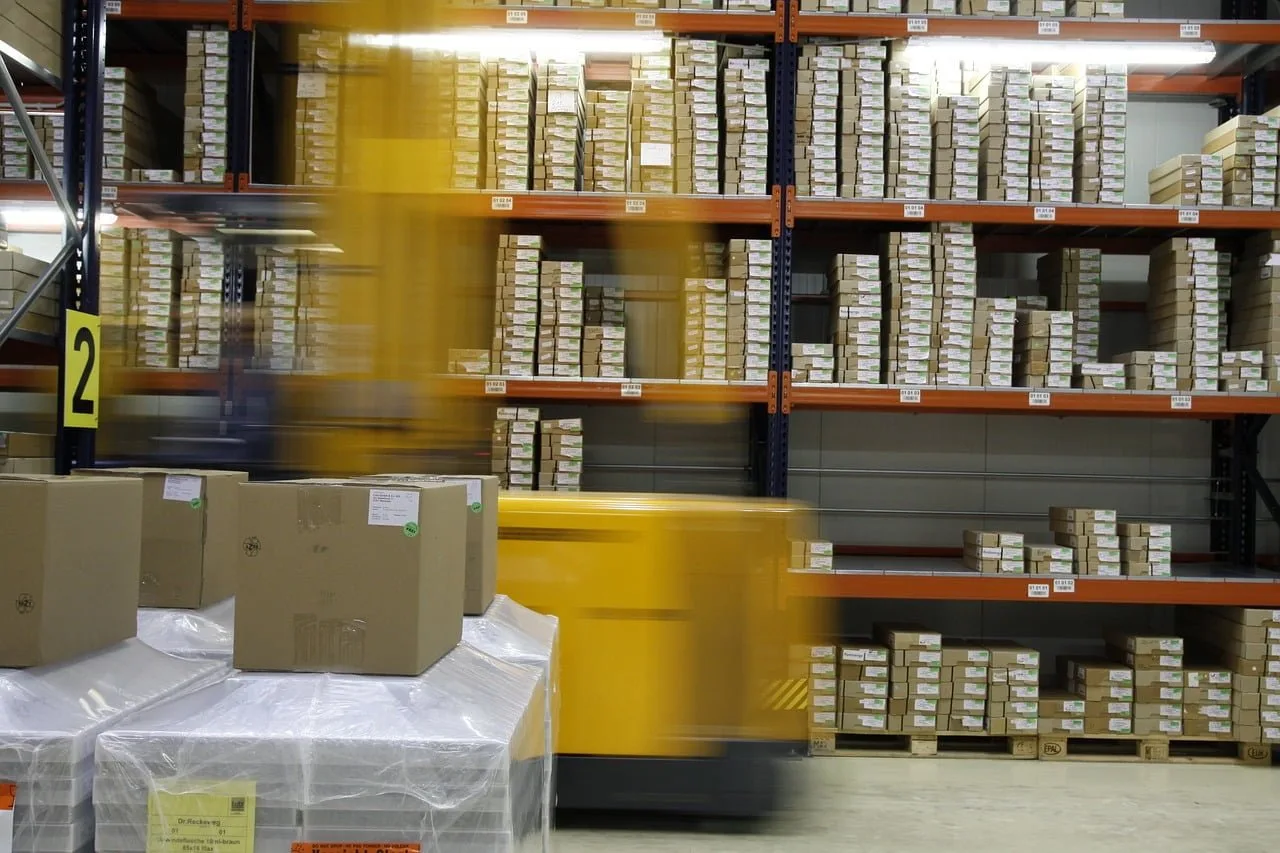
Warehouse asset tracking
Combine RFID, UWB, BLE, gateway software, and dashboards so teams can search inventory, monitor utilization, and trace movement history.
Personnel and asset safety
Add location zones, alert rules, authorization logic, and event records for high-value tools, vehicles, visitors, workers, and sensitive areas.
What the tracking system must fix before hardware is purchased
RFID and UWB projects fail when they start from reader counts or tag specs alone. The first decision is the operating problem: loss prevention, search time, accuracy, utilization, safety, or system-of-record updates.
Asset loss and manual search
Teams lose time and confidence when tools, pallets, carts, rental equipment, or medical assets cannot be found fast enough.
Poor accuracy from one technology
RFID confirms identity well, while UWB gives precise zone or coordinate evidence. A practical design chooses the right mix instead of forcing one method everywhere.
Low operational efficiency
Dashboards, alarms, API updates, and exception workflows reduce repeated counting, manual reports, and delayed handovers.
From field signals to asset status, alerts, and WMS or ERP updates
A practical RFID/UWB solution connects hardware placement, edge collection, location rules, and business-system APIs. The valuable output is not raw signal data; it is a reliable asset state that operators can act on.
Tags and anchors
RFID labels, active tags, UWB anchors, BLE beacons, or existing device IDs are selected according to object type, accuracy, battery, and cost.
Readers and gateways
RFID readers, UWB gateways, industrial gateways, and edge software collect events, buffer data, and normalize device signals.
Location rules
The platform turns reads, coordinates, zones, thresholds, and movement history into useful asset states and exception records.
Business systems
WMS, ERP, CMMS, rental systems, dashboards, and mobile apps receive the right status instead of raw device noise.

Use the right signal for the right decision
RFID, UWB, BLE, GPS, and sensors can all belong in the same asset visibility system. ZedIoT evaluates the accuracy, installation cost, battery life, interference risk, and operating workflow before recommending the mix.
RFID
Best for asset identity, doorway reads, batch inventory, handover checks, and lower-cost item-level labels.
Not enough by itself when the business needs continuous high-precision indoor coordinates.UWB
Best for meter-level or sub-meter indoor location, zone entry, personnel safety, vehicle tracking, and high-value mobile assets.
Usually too expensive for every low-value item; anchor planning and site survey matter.BLE / GPS / sensors
Useful as fallback or complementary signals for wide-area movement, mobile apps, outdoor vehicles, or lower-accuracy presence checks.
Should not be sold as a precision system without proving accuracy, battery, and interference conditions.Where RFID and UWB create visible operating value
The solution is useful when asset movement, identity, safety, or utilization must become a trusted workflow in a system that teams already use.

Smart logistics
Dock-door reads, pallet status, shipment handover, exception alerts, and transport records keep logistics teams aligned with WMS or ERP data.
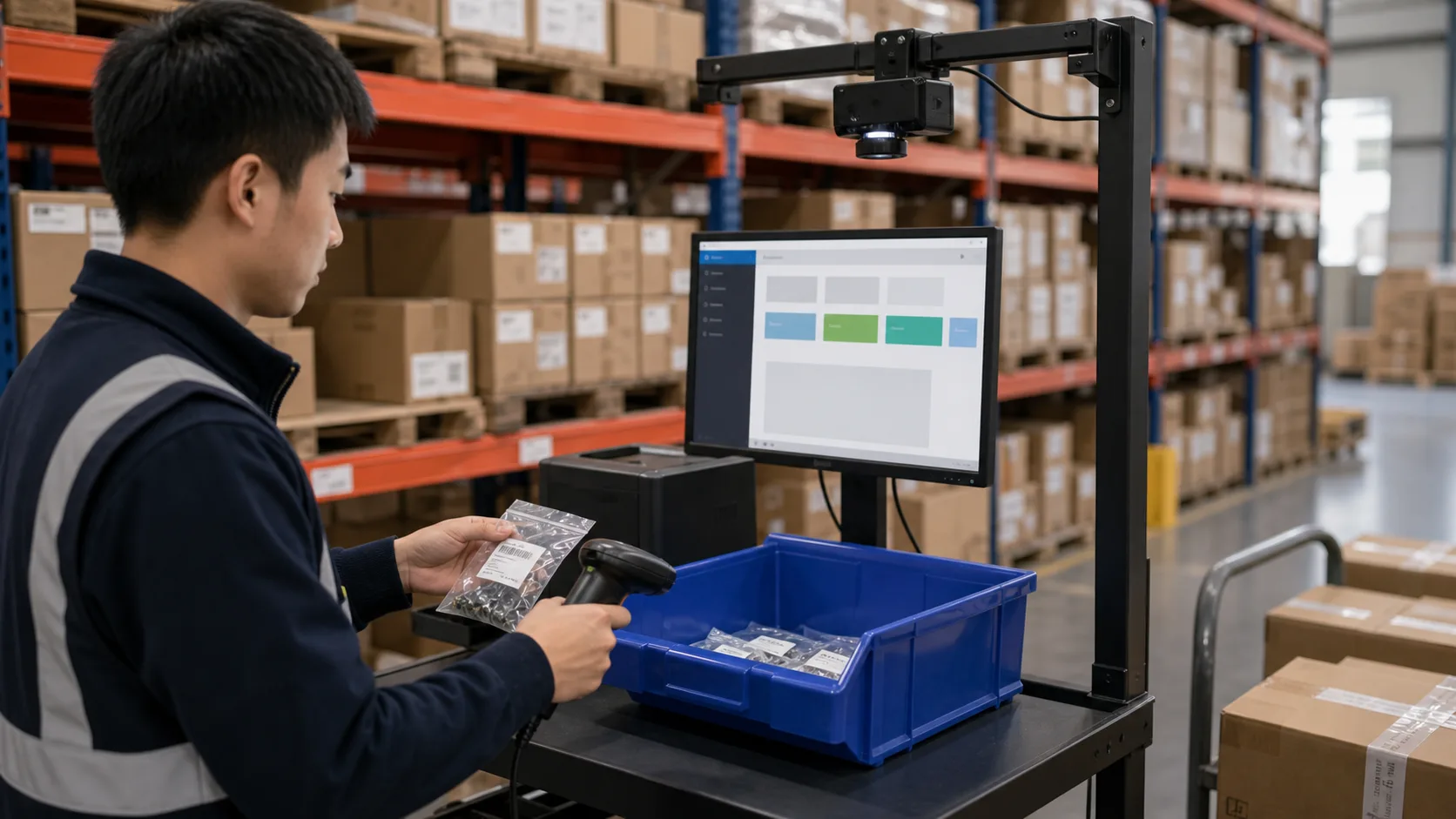
Warehouse operations
UWB zones, forklift movement, storage areas, and RFID inventory evidence help reduce search time and improve cycle counting reliability.
Factory and tool management
Track fixtures, tools, carts, molds, and mobile equipment across production zones while keeping maintenance and utilization records visible.
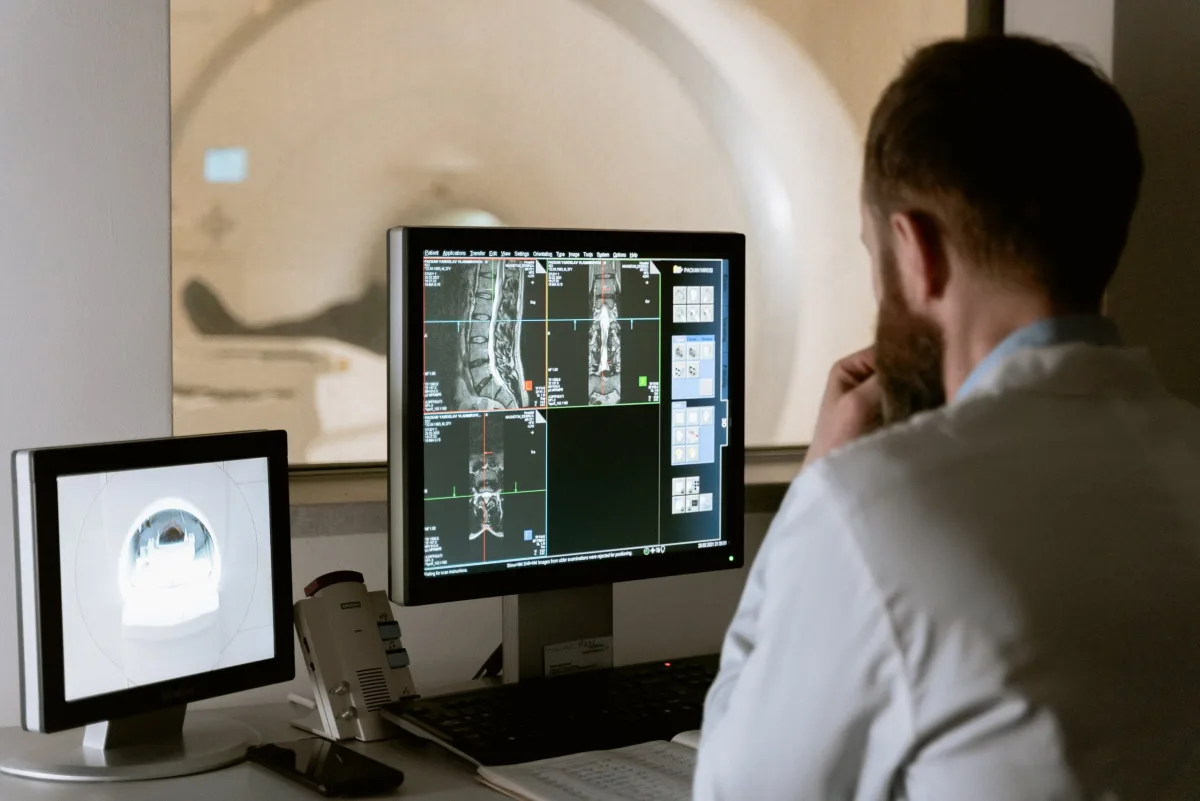
Medical and service assets
Hospitals, labs, service providers, and rental operators can locate mobile assets, reduce loss, and build a clear event trail.
Skillsets needed for reliable RFID and UWB delivery
A tracking project crosses hardware, embedded software, platform engineering, app workflows, and business integration. Keeping those skillsets together reduces the gap between a demo and a maintainable rollout.
Hardware and communications
RFID readers, active tags, UWB anchors, antennas, gateway layout, power, enclosure, and site installation constraints.
Embedded and edge software
Gateway collection, buffering, local rules, protocol adapters, diagnostics, OTA strategy, and weak-network tolerance.
Cloud platform and data
Asset model, map and zone logic, alarms, history, dashboards, permissions, API integration, and deployment model.
App and workflow integration
Operator screens, mobile search, exception workflows, WMS or ERP updates, reports, and role-based access.
How the project moves from site survey to production operation
The first pilot should prove one representative workflow with clear acceptance evidence before expanding tags, anchors, readers, dashboards, and business-system integrations across more sites.
Site and asset survey
Map asset types, material, movement paths, accuracy expectations, and the business systems that must be updated.
Pilot zone and technology mix
Choose RFID, UWB, BLE, GPS, or a hybrid path for one representative zone before buying hardware at scale.
Gateway, platform, and API proof
Connect readers, anchors, dashboards, alarms, map rules, and WMS or ERP APIs with visible acceptance data.
Rollout and operations handoff
Document installation rules, diagnostics, maintenance ownership, exception handling, and the next expansion phase.
RFID/UWB projects need more than reader installation
ZedIoT brings gateway, embedded, cloud, dashboard, AI + IoT integration, and operations workflow experience into one project path. That matters when the result must be accepted by field teams, IT teams, and business owners.
Questions before starting an RFID or UWB tracking project
Clarify the site, asset, accuracy, workflow, integration, and rollout requirements before selecting tags and infrastructure.
When should we choose RFID instead of UWB?
Choose RFID when the main need is asset identity, batch inventory, dock-door handover, or item-level read confirmation. Choose UWB when the business needs precise indoor location, zone entry, movement history, or personnel safety evidence.
Can RFID and UWB work together in one asset tracking system?
Yes. Many projects use RFID for identity and handover records, UWB for precise location or zones, BLE or GPS as fallback signals, and a platform layer to turn those events into asset status, alarms, and WMS or ERP updates.
What information is needed before an RFID or UWB pilot?
Start with asset types, site layout, required accuracy, movement paths, available power and network conditions, current WMS or ERP integration points, alert rules, and the operating problem the pilot must prove.
Plan an RFID or UWB asset tracking project
Share your asset types, site layout, accuracy target, current WMS or ERP, and the operating problem you want to solve. We will help define the pilot path and integration scope.
- AI + IoT product architecture review
- Hardware, firmware, cloud, and application integration
- Prototype planning and production support