
ZedIoT IoT Cloud Platform
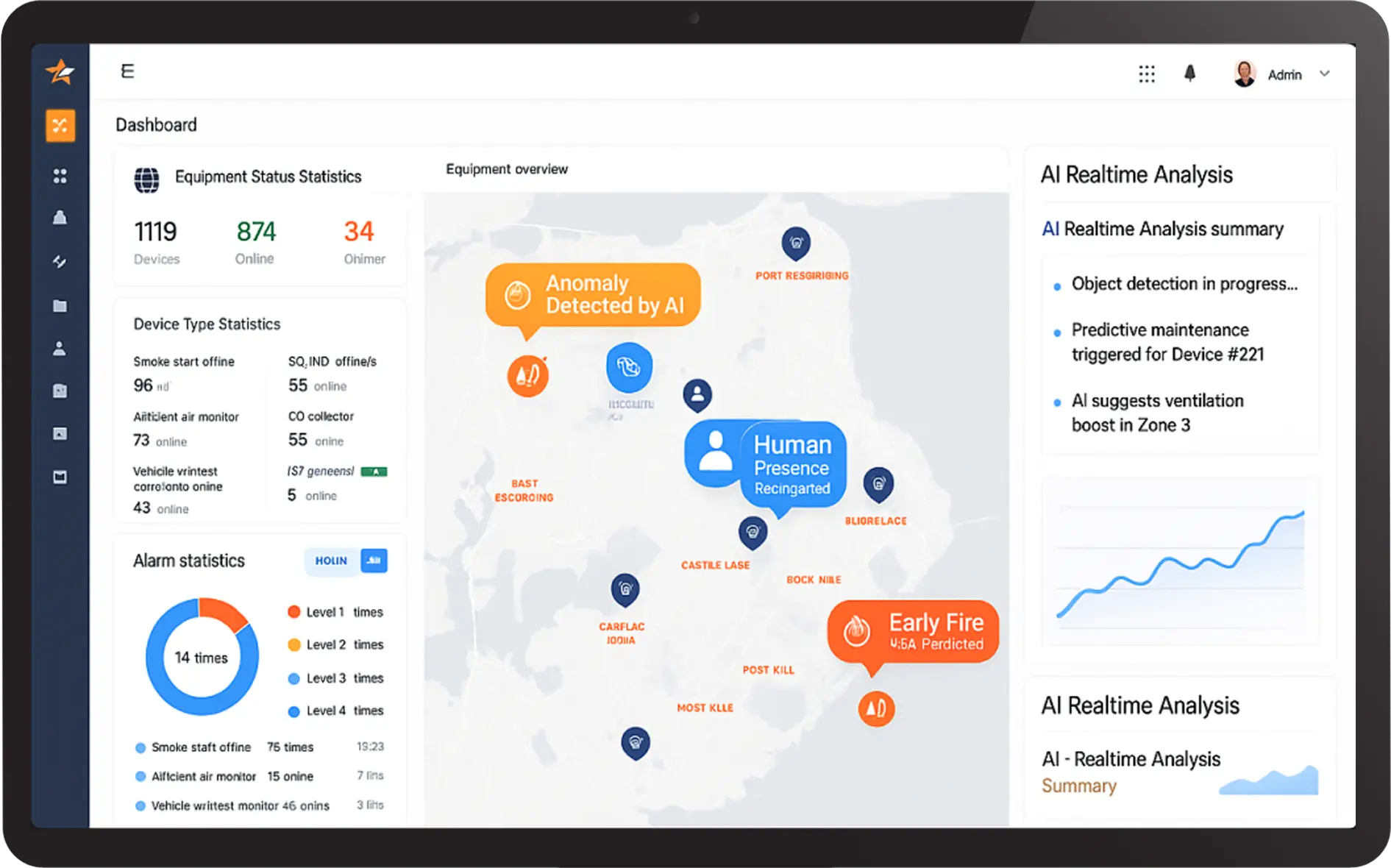
An IoT platform for device access, remote monitoring, alarms, work orders, data analysis, and AIoT application development. It supports source-code delivery, private deployment, multi-protocol access, and industry-specific customization.
An IoT platform base for enterprise device operations and customization
ZedIoT covers device access, product modeling, data collection, remote control, alerts, work orders, visualization, permissions, APIs, and AI extensions. It is a practical base for customers that need private deployment, compliance control, industry workflows, or source-code delivery.
- Device maker cloud platforms
- Industrial equipment remote service
- Multi-site equipment operations
- AIoT business system foundation
 ZedIoT Platform
ZedIoT turns device data into an operable business system
The hard part of IoT platforms is long-term maintainability: device model, permissions, alarms, work orders, reports, APIs, and industry workflows. ZedIoT is designed for source delivery, private deployment, and deep customization.
- Device access, product model, alarms, work orders, and reports
- Private cloud, local server, or customer operations environment
- Extendable business modules and API integration
What this product looks like in a real workflow
 ZedIoT Platform
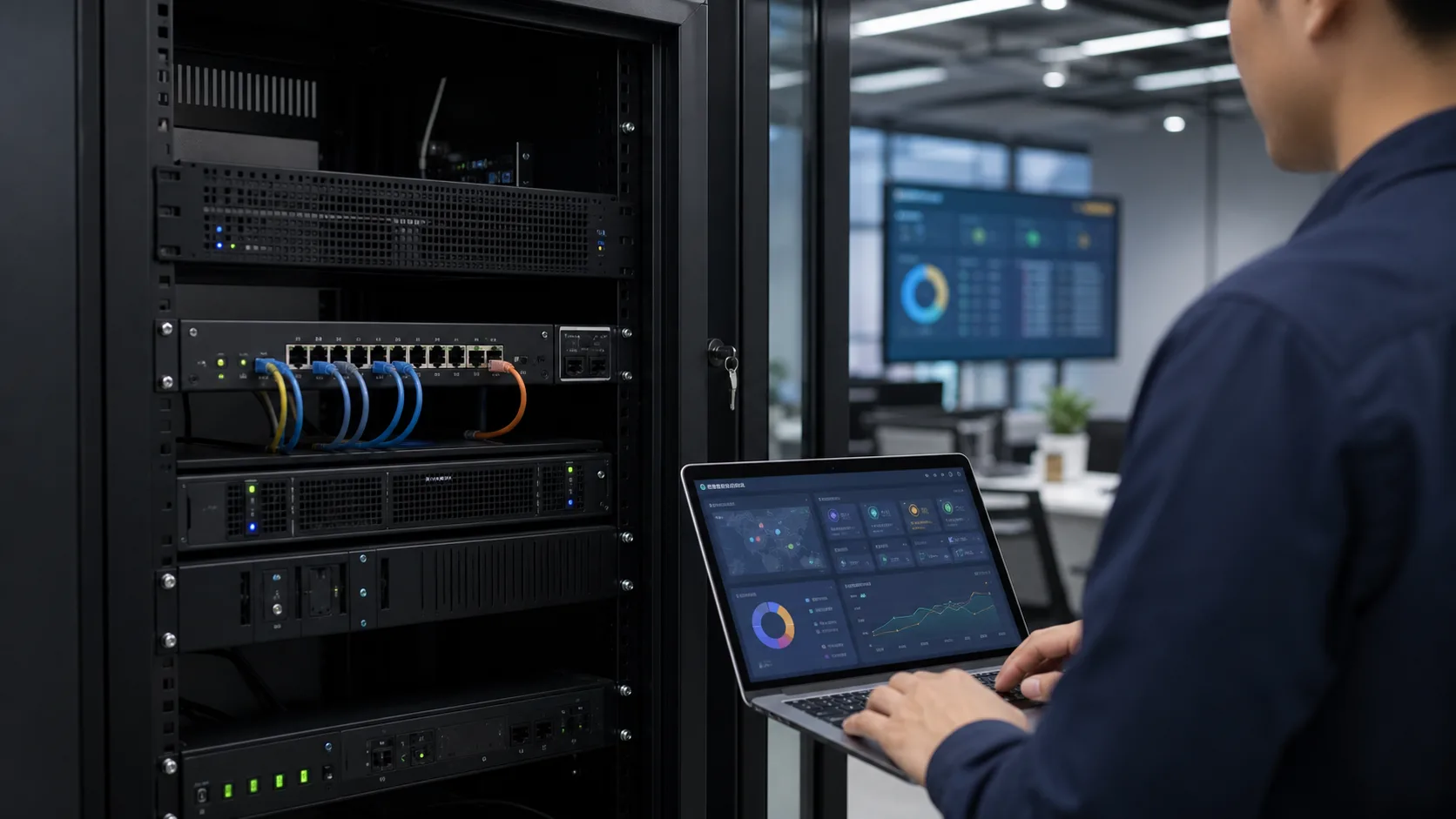
Device operations center
Manage products, devices, attributes, events, alarms, and reports in one operations platform.
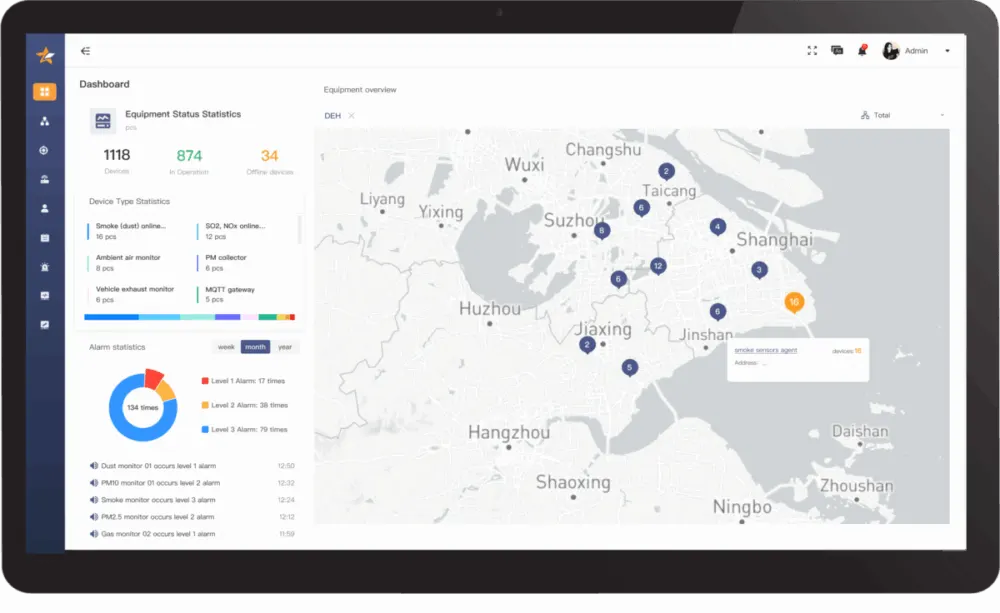
AIoT application base
Connect AI recognition, edge gateways, and automation workflows to turn device records into operating actions.
Design the platform around device model, permissions, data flow, and operations
ZedIoT is not only a dashboard. It is a private IoT platform foundation for companies that need to operate devices, sites, users, alerts, work orders, APIs, and AI extensions under their own business rules.
Permission scope
Separate roles by organization, site, device group, command ability, data export, and alarm visibility.
Deployment ownership
Plan environment, source delivery, monitoring, backup, logs, and release responsibility before rollout.
Data readiness
Keep telemetry, events, alarms, work orders, and device metadata structured for reporting and AI use.
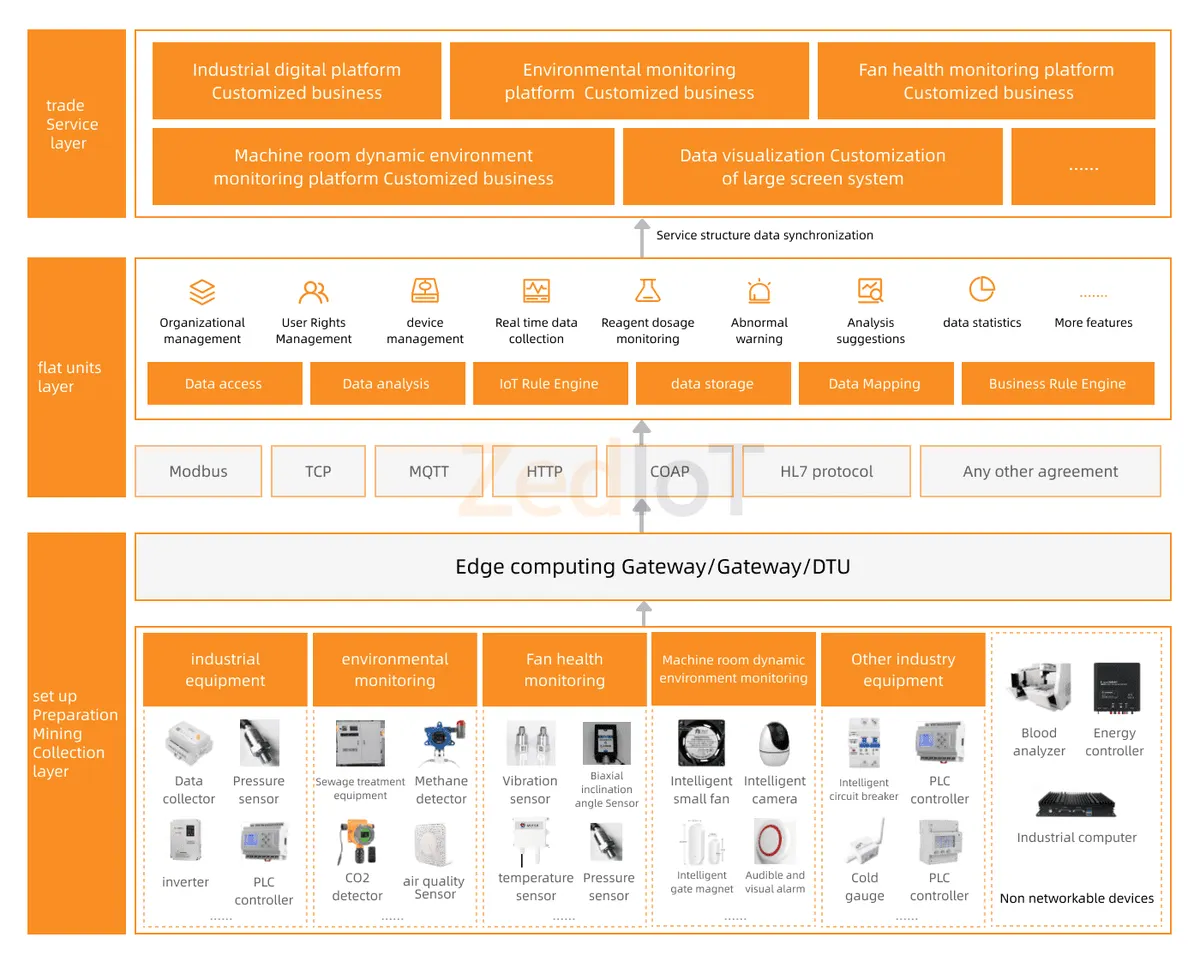
Device and protocol access
Connect equipment through MQTT, HTTP, gateways, serial adapters, Modbus, and project-specific protocols.
Product and device model
Model product templates, device properties, events, services, commands, firmware versions, and site grouping.
Rules, alarms, and work orders
Turn data into operations through alert rules, escalation, remote control, task assignment, reports, and audit records.
API, AI, and business extensions
Expose APIs and data services for AI workflows, BI dashboards, customer portals, and industry applications.
Product capabilities that matter in deployment
Each capability is designed around real operating conditions, not isolated hardware parameters.
Device access and product model
Model products, devices, properties, events, and services across different device types.
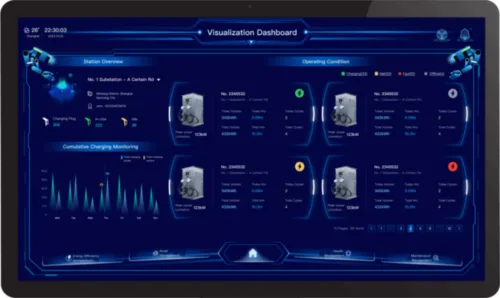
Data collection and analysis
Use device data for monitoring, history, alarms, reports, and business analysis.
Private deployment and permissions
Support private cloud, local server, hybrid deployment, and role-based access.
AIoT extensions
Add LLM assistants, vision recognition, edge computing, and automation workflows.
Platform projects should define data governance, permissions, and operations first
The page emphasizes software platform capability, private delivery, and business extension instead of only showing hardware.
- Define device properties, events, and services by product model
- Design permissions by organization, role, and device scope
- Include APIs, logs, upgrade strategy, and operations documentation
Use ZedIoT when device operations need ownership, not just a hosted dashboard
A private IoT platform makes sense when device data, permissions, workflow, integration, and long-term source ownership affect the business outcome. Smaller pilots can still start with a lighter hosted system and move to ZedIoT when the operating model becomes clear.
A lightweight SaaS may be enough when
You only need a simple hosted dashboard for a limited number of standard devices.
The business can accept fixed SaaS features, shared infrastructure, and limited customization.
The team has not yet defined roles, alarm handling, service workflow, or integration needs.
ZedIoT is a better fit when
You need product models, device groups, permissions, alarms, work orders, reports, and lifecycle ownership.
Data, compliance, customer contracts, latency, or infrastructure policy require a customer-controlled environment.
AI assistants, anomaly detection, and workflow automation need stable device records and clear operational context.
From field data to a managed product workflow
Device access layer
Connect devices through MQTT, HTTP, gateways, serial converters, or industry protocols.
Data and rules layer
Handle device models, storage, rules, alarms, and metrics.
Business application layer
Provide monitoring, work orders, reports, assets, remote control, and industry modules.
AIoT capability layer
Integrate AI recognition, anomaly analysis, assistants, and automation.
Product configuration, capabilities, and deployment details
These sections collect the practical information customers need for selection, integration, installation planning, and rollout evaluation.
Platform Capability Notes
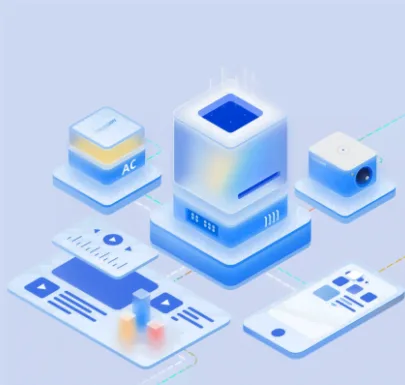
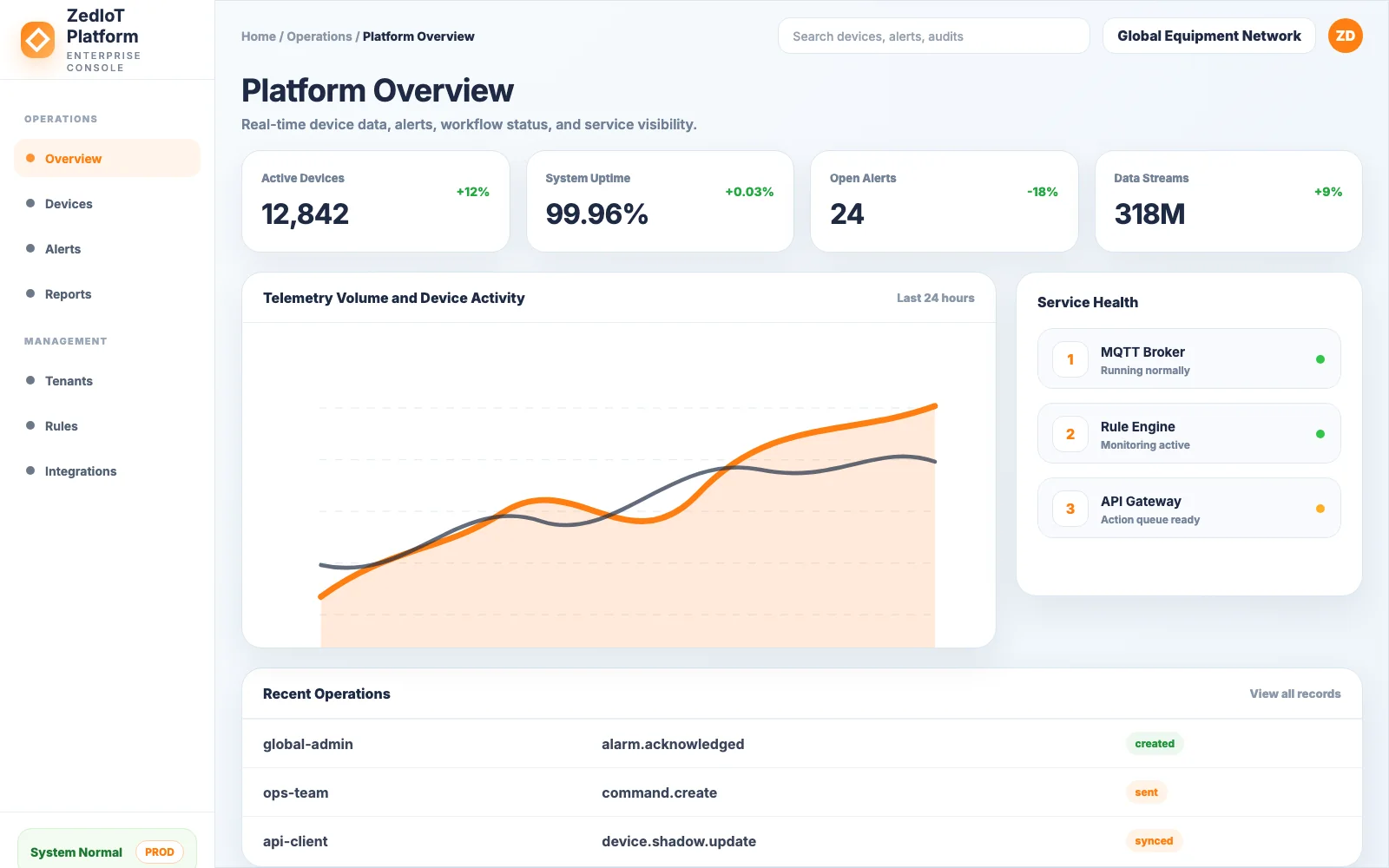
ZedIoT supports device access, remote control, data analysis, visual dashboards, rules, device linkage, edge computing, and AI analysis. It can be delivered as a source-code project with public cloud, private cloud, or edge deployment options.
Core Platform Capabilities
Model products, connect devices, monitor status, parse data, control remotely, and manage the full device lifecycle.
Support real-time dashboards, history, reports, large-screen visualization, and data asset accumulation.
Turn device data into operations through rules, linkage, exception alerts, and service workflows.
Add AI analysis, device health, predictive maintenance, and industry-specific algorithms.
Device Model and Permission Structure
A private IoT platform must define ownership before dashboards: products, device groups, organizations, roles, data scope, command permissions, alarm visibility, and audit records.
Define properties, events, services, commands, firmware versions, and device templates for each device family.
Separate manufacturer, distributor, site operator, service engineer, and customer access by real operating responsibility.
Control who can view, configure, operate, export, or receive alerts for specific devices, sites, and customer accounts.
Keep command records, alarm handling, work orders, login history, and release notes visible for service accountability.
Private Deployment and Integration Boundary
ZedIoT is suitable when the customer needs source-code ownership, controlled infrastructure, API integration, or industry modules that cannot be handled by a standard hosted dashboard.
Where ZedIoT becomes the operating base, not just another dashboard
Platform selection should start from ownership: who operates the devices, who receives alarms, what system needs the data, and which workflows must survive after deployment.
Industrial remote service
Device makers can monitor customer-site equipment health and faults remotely.
Multi-site equipment supervision
Manage refrigeration, commercial equipment, and sensors by store and region.
Device data assets
Turn runtime records into searchable, analyzable operational data.
AIoT intelligent applications
Build assistants, predictive maintenance, and recognition workflows on top of device data.
Define the operating model before finalizing deployment
These items help teams scope source delivery, private deployment, permissions, protocols, API integration, and long-term platform operations.
How we turn this into a deployable product
Business and device model design
Define products, properties, events, control services, and operating workflows.
Architecture and deployment design
Plan private deployment, database, messaging, permissions, monitoring, and operations.
Business module development
Build monitoring, alarms, work orders, reports, mobile workflows, and integrations.
Launch and operations handoff
Deliver deployment, permissions, training, documents, and iteration process.
Choose the next path around devices, services, and platform planning
These links help visitors move from a platform decision into concrete edge devices, development services, and planning content without burying the page in stacked link blocks.
Plan your private IoT platform deployment with ZedIoT
Tell us your device types, deployment preference, expected fleet scale, permission model, integration needs, and the platform workflow you want to support.
- AI + IoT product architecture review
- Hardware, firmware, cloud, and application integration
- Prototype planning and production support