

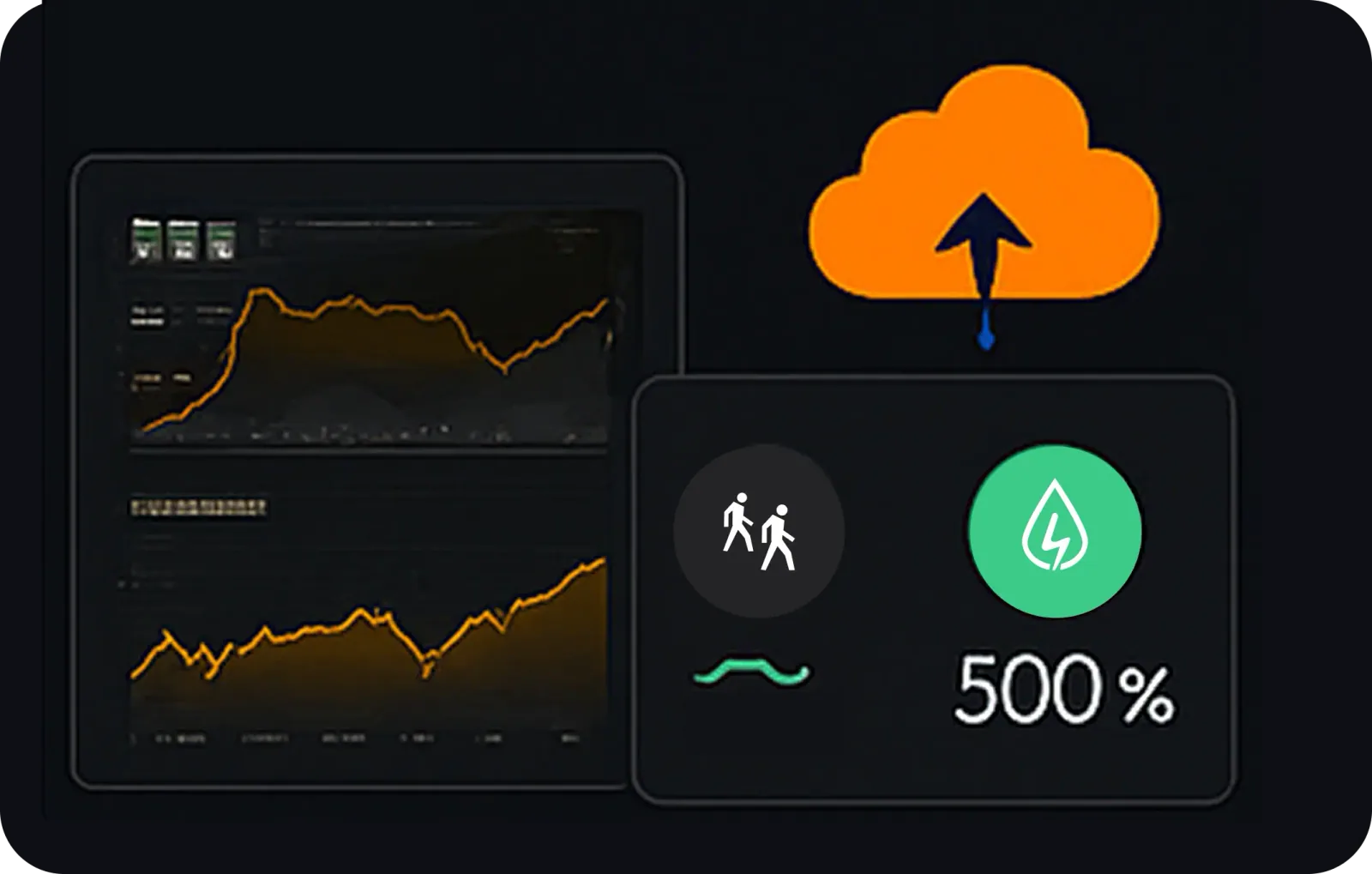
Combine platform, device onboarding, and optional AI packages
The software can be delivered as a focused store operations platform or extended with edge devices, AI workflows, customer APIs, and private deployment.
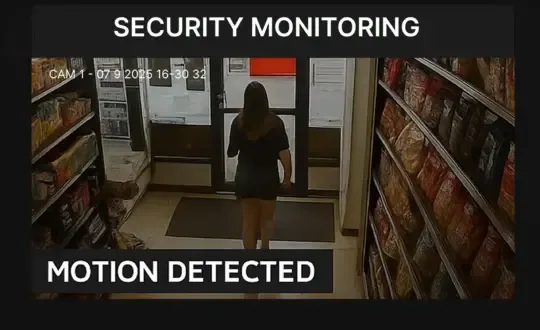
Security monitoring
Combine camera events, access signals, smoke or gas alarms, incident evidence, and escalation workflows across stores.
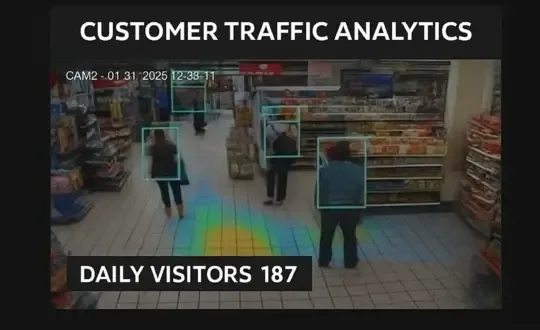
Customer traffic analytics
Use people counting, zone trends, time comparisons, and store context to support staffing and layout decisions.
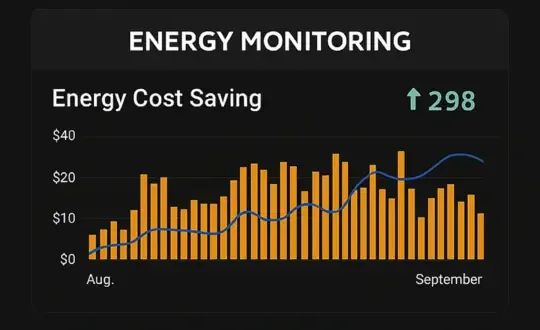
Energy monitoring
Connect meters, circuits, refrigeration, HVAC, schedules, and exception alerts to identify avoidable consumption and equipment issues.
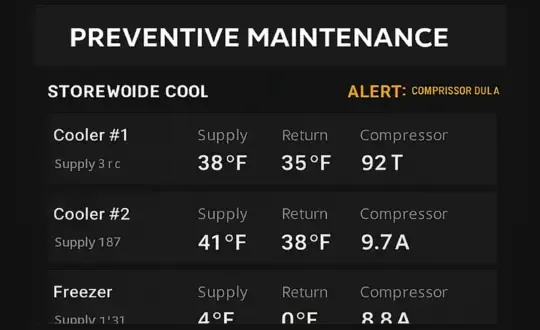
Preventive maintenance
Turn controller faults, temperature drift, equipment state, sensor alarms, and service records into an accountable maintenance queue.
Use AI to classify, explain, and prioritize store events
AI can help operators review images, summarize repeated alarms, count traffic, answer operational questions, or trigger approved workflows. It should not replace deterministic equipment control or hide the evidence behind an alert.
Explore AI application developmentRetail store management questions
Resolve device reuse, modules, AI boundaries, rollout, and operating ownership before selecting the platform scope.
What does retail store management software monitor?
A deployment can combine store equipment status, refrigeration temperature, energy use, alarms, camera events, customer traffic, device health, maintenance records, and site-level reports. The exact modules should follow the operation's highest-cost or highest-risk workflows.
Can the platform connect to hardware already installed in stores?
Yes. Existing cameras, meters, controllers, sensors, gateways, and business systems can often be retained through ONVIF, Modbus, MQTT, serial, API, or vendor-specific adapters. A site survey confirms what can be reused.
Is this only for large chains?
No. A focused rollout can start with one region, one store type, or one operating problem such as refrigeration alarms or energy monitoring, then expand as the data and response process become reliable.
How are AI features used in store operations?
AI can support people counting, event classification, anomaly summaries, image review, voice interaction, and report generation. It should be connected to clear evidence, permissions, and human response steps rather than used as an isolated demo.
What should a first retail pilot prove?
A pilot should prove device access, data quality, one alert or operating workflow, the responsible user, response evidence, and the dashboard or business system that receives the result.
Review a representative retail store pilot
Share the store formats, current devices, operating pain point, alert process, site count, and the systems that need the result. We will help define the smallest useful rollout template.
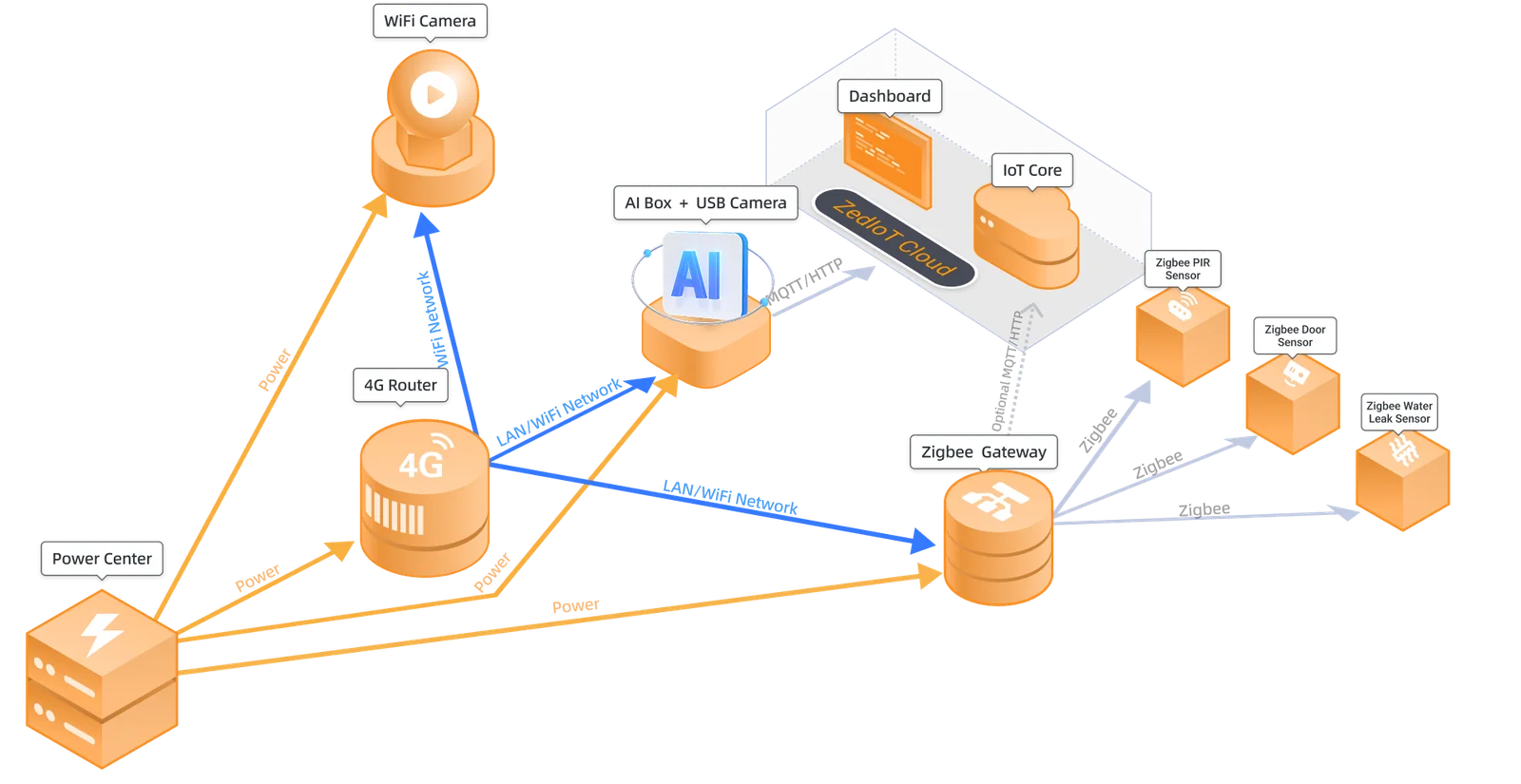
- AI + IoT product architecture review
- Hardware, firmware, cloud, and application integration
- Prototype planning and production support