
Edge AI computing for field devices and local operations
ZedIoT designs edge computing systems that run local AI, protocol processing, buffering, diagnostics, and cloud coordination close to the equipment that needs reliable response.
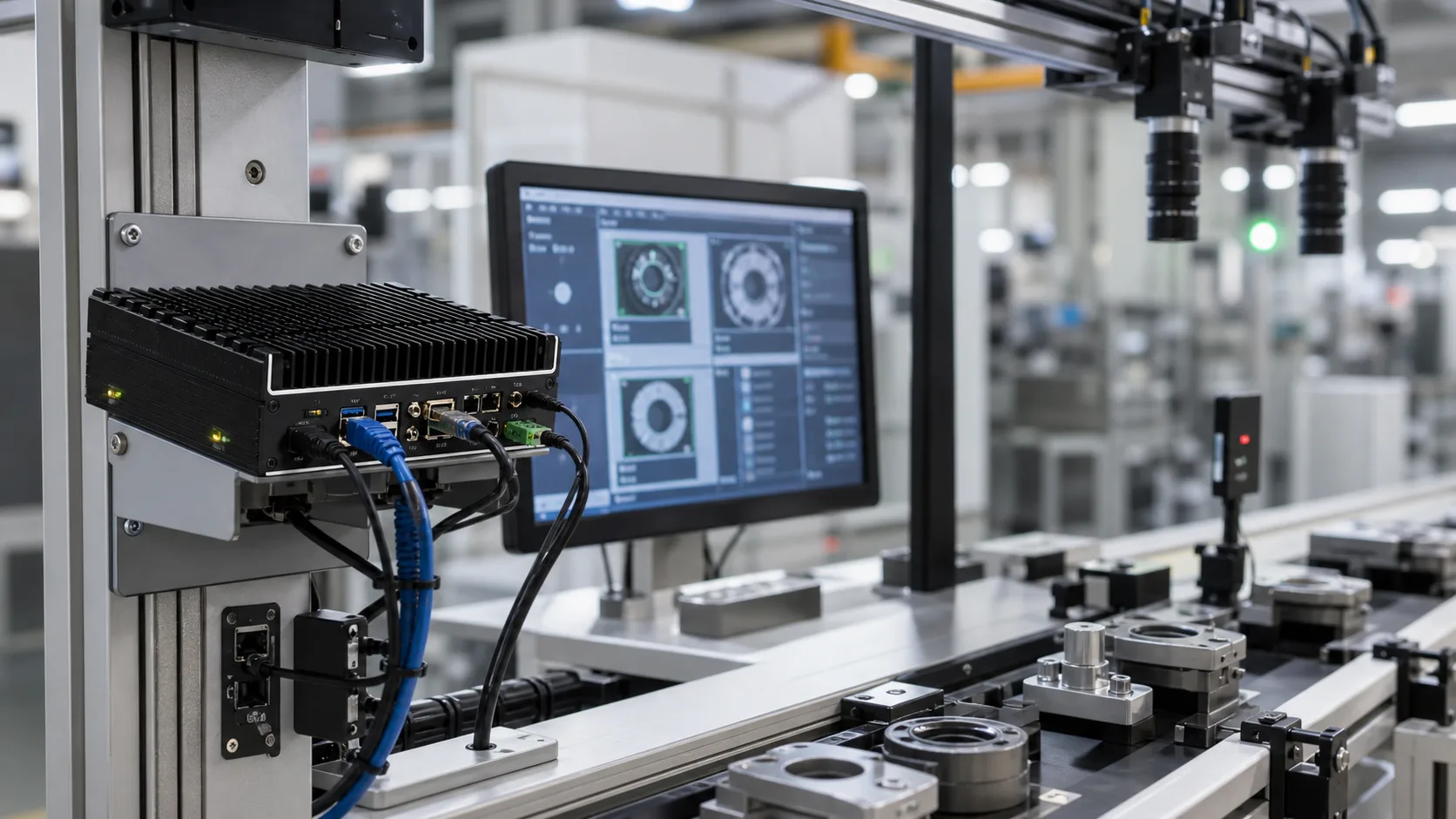
Use edge AI when cloud-only processing is too slow, exposed, or fragile
Edge computing helps when equipment sites need local response, sensitive data handling, reduced bandwidth, offline tolerance, and a maintainable path back to cloud dashboards and business systems.
Reduced latency
Run inference, filtering, local rules, and alarms near equipment when cloud round trips are too slow for the operating decision.
Greater autonomy
Keep critical collection, buffering, control, and alert behavior available when the network is weak, expensive, or intermittent.
Enhanced security
Process sensitive images, audio, device data, and facility signals locally when privacy or compliance requires tighter control.
Lower operating cost
Reduce upstream bandwidth, filter noisy data, and send useful events instead of pushing every raw signal to the cloud.
Move the right intelligence closer to the device, then keep it observable
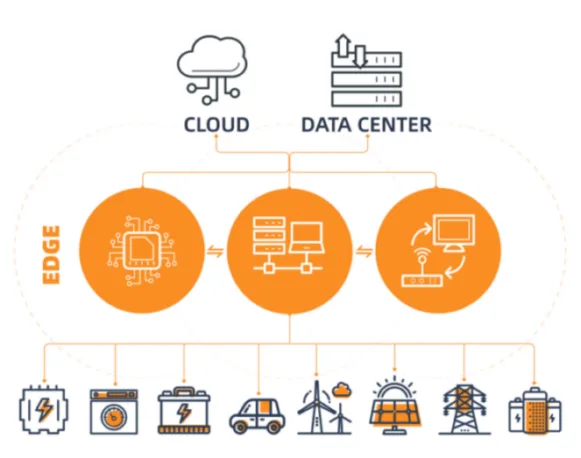
The edge layer should do the local work that improves response and reliability while still syncing useful events, health signals, and management state to the platform.
Field devices
Cameras, sensors, PLCs, meters, controllers, and serial devices produce local data and control requirements.
Edge gateway
AIHub, industrial gateways, OpenWrt devices, or custom hardware collect signals, run rules, and buffer data.
Local AI and rules
Vision, voice, anomaly detection, protocol parsing, filtering, and event logic run close to the physical process.
Cloud coordination
The platform receives events, dashboards, OTA state, alarms, reports, and APIs while the edge remains observable.
Design the edge layer around data value, not raw data volume
Edge systems should filter noise, detect local exceptions, reduce cloud dependency, protect sensitive data, and still give operations teams enough visibility to support deployed equipment.
Edge AI services for gateways, devices, platforms, and deployed operations
ZedIoT covers the gateway, runtime, AI model integration, protocol access, data reliability, and platform connection needed for production edge deployments.
Edge AI inference
Deploy visual recognition, voice processing, anomaly checks, or model-assisted classification near the equipment.
Industrial protocol access
Connect Modbus, MQTT, RS485, PLC data, serial devices, sensors, and gateway-side protocol adapters.
Store-and-forward buffering
Keep data capture and event delivery reliable during unstable networks, site outages, and bandwidth constraints.
Remote diagnostics and OTA
Expose health checks, logs, configuration, upgrade status, and support workflows for deployed gateways.
Private and hybrid deployment
Decide what runs locally, what syncs to cloud, and what stays inside customer infrastructure for security or compliance.
Platform integration
Connect edge events to dashboards, alerts, work orders, APIs, analytics, and business systems.
Apply edge computing where field data must become fast, reliable actions
These scenarios show how edge AI can support industrial sites, video analytics, tracking, and gateway reliability.

Industrial cabinet monitoring
Collect controller data, local status, gateway health, and alarms from equipment cabinets before sending useful events upstream.
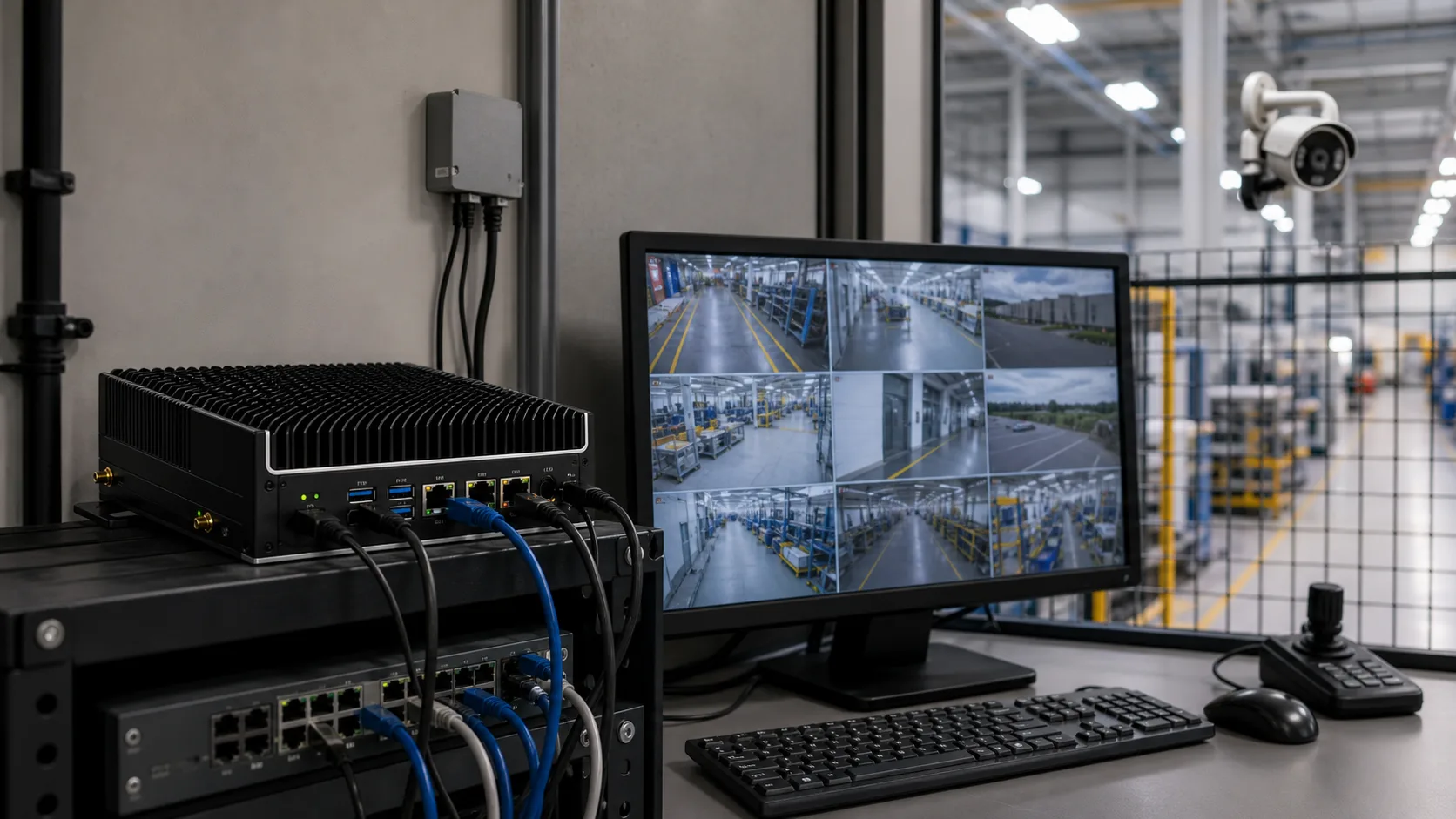
Video analytics at the edge
Run AI vision near cameras and machines so detection events can trigger local alerts, filtering, and platform records.
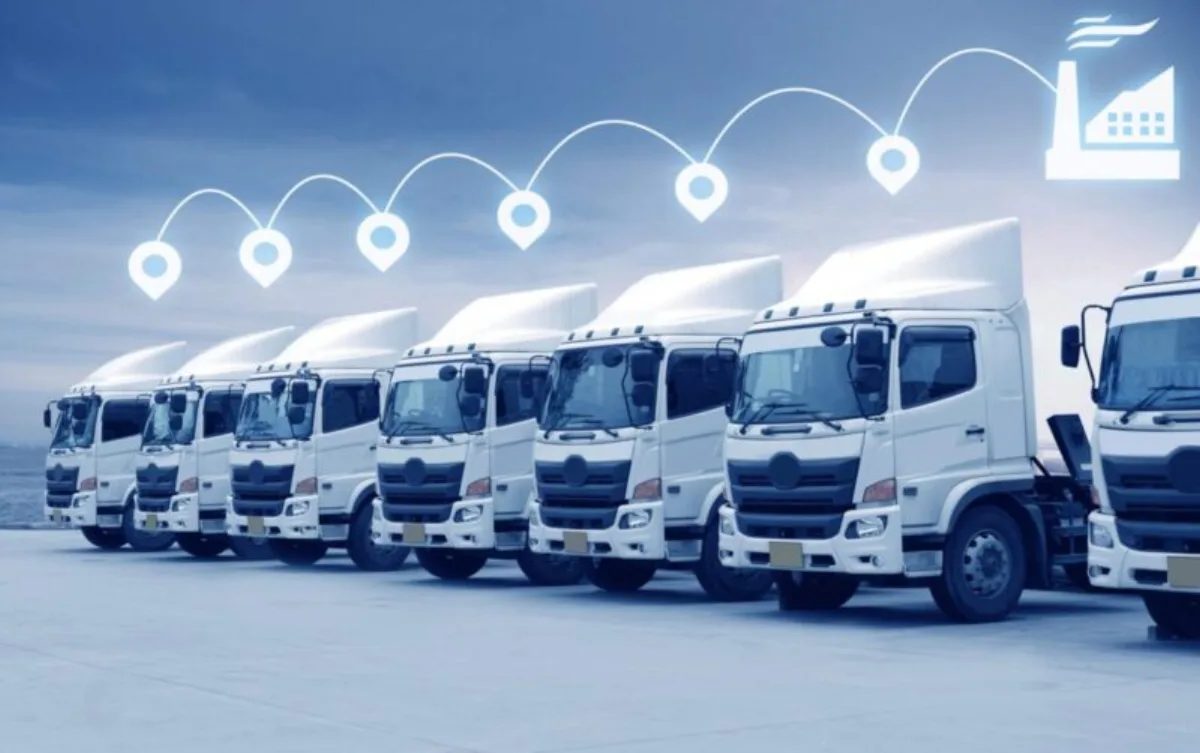
Asset tracking and field operations
Use local gateways to collect tracking data, filter exceptions, and keep location-aware operations available in weak networks.
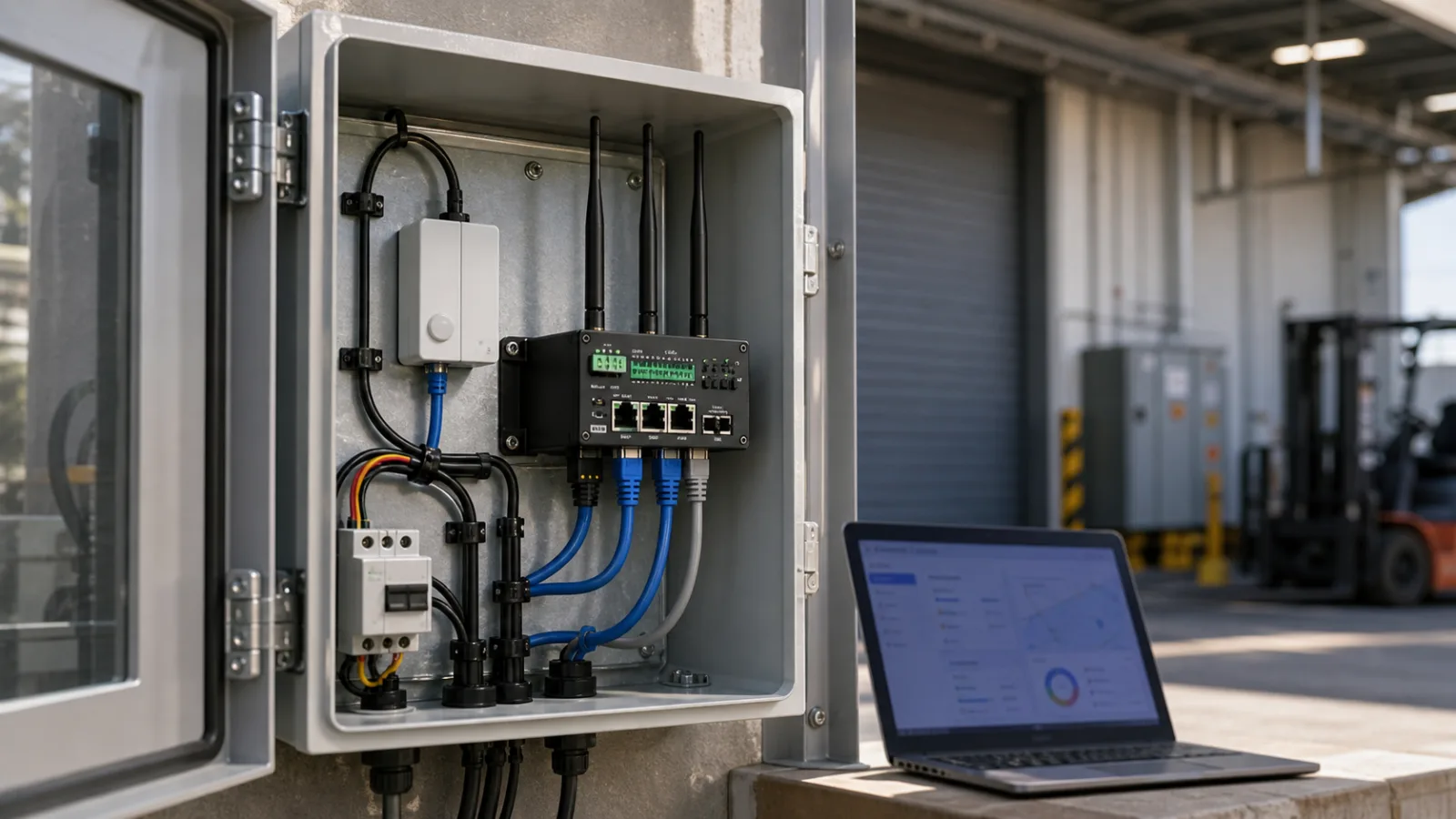
Gateway reliability and diagnostics
Give service teams remote visibility into gateway status, logs, configuration, and data delivery health after rollout.
Prove the local decision path before scaling gateways
A good pilot proves local processing, weak-network behavior, diagnostics, update strategy, and cloud coordination with real equipment data.
- 01
Classify edge decisions
Decide which signals, rules, AI models, and actions must run locally instead of waiting for cloud response.
- 02
Choose hardware and runtime
Match gateway CPU, memory, accelerator, OS, storage, protocols, power, enclosure, and deployment environment.
- 03
Pilot the data path
Validate device access, inference speed, buffering, diagnostics, cloud sync, and failure recovery with real site data.
- 04
Operate the fleet
Add OTA, monitoring, support logs, version control, access policy, and expansion rules for multi-site rollout.
Questions before building an edge AI solution
These answers help clarify latency, privacy, hardware, AI model, connectivity, and operations requirements before a pilot.
When should AI run on the edge instead of only in the cloud?
Use edge AI when latency, privacy, weak networks, bandwidth cost, or local control matters. Cloud can still be used for dashboards, model management, fleet monitoring, reports, and long-term analytics.
What hardware is needed for an edge AI project?
The hardware depends on the model, input type, protocol access, operating temperature, storage, network, power, and enclosure constraints. A pilot should validate CPU, memory, accelerator, and thermal behavior with real workloads.
Can edge gateways keep working during network outages?
Yes, if the runtime is designed with local rules, buffering, store-and-forward delivery, health checks, and recovery behavior. The cloud should receive useful events when the connection returns.
Can ZedIoT connect edge AI to existing IoT platforms?
Yes. Edge events can be connected to ZedIoT, MQTT brokers, customer platforms, dashboards, work orders, alarms, APIs, and analytics systems.
Plan an edge AI pilot with ZedIoT
Share the devices, data sources, latency needs, network constraints, AI model, gateway hardware, and cloud integration target. We will help define the edge architecture and pilot path.
- AI + IoT product architecture review
- Hardware, firmware, cloud, and application integration
- Prototype planning and production support