

Fleet management solution for vehicles, cargo, and charging operations
ZedIoT builds fleet management systems that connect vehicles, GPS data, cargo status, dispatch actions, maintenance records, charging-station operations, maps, dashboards, and business-system integrations.
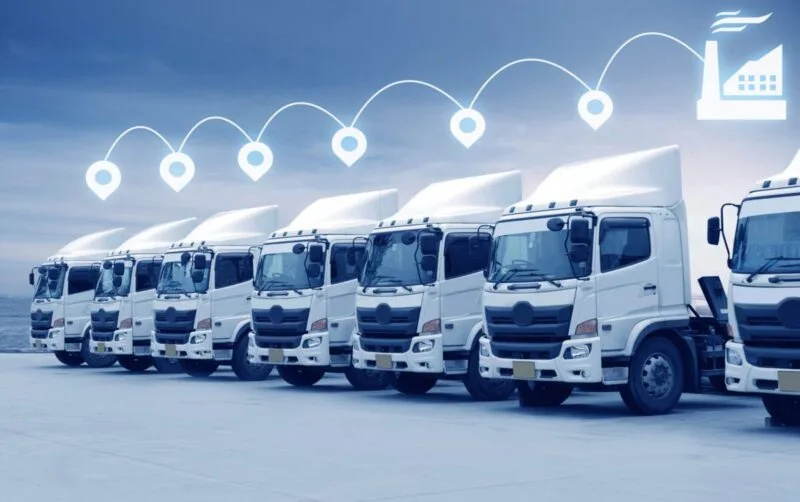
Fleet management development should improve the existing operation, not just add another map
A strong fleet project starts by understanding the current operation, then deciding whether to improve an existing system, rebuild key modules, or create a dedicated product team.
Product evaluation
Review existing fleet software, GPS tracking, maintenance records, fuel-cost workflows, map usage, and gaps before choosing a rebuild or improvement path.
Existing product maintenance
Maintain and extend current fleet systems with route optimization, maintenance modules, data cleanup, API integration, and dashboard improvements.
Product design and development
Design IoT software and hardware paths for fleet tracking, route planning, fuel expense visibility, vehicle maintenance, GPS data, and mobile operations.
Dedicated development team
Provide engineers for backend, frontend, maps, devices, integrations, QA, and rollout when the fleet product needs long-term iteration.
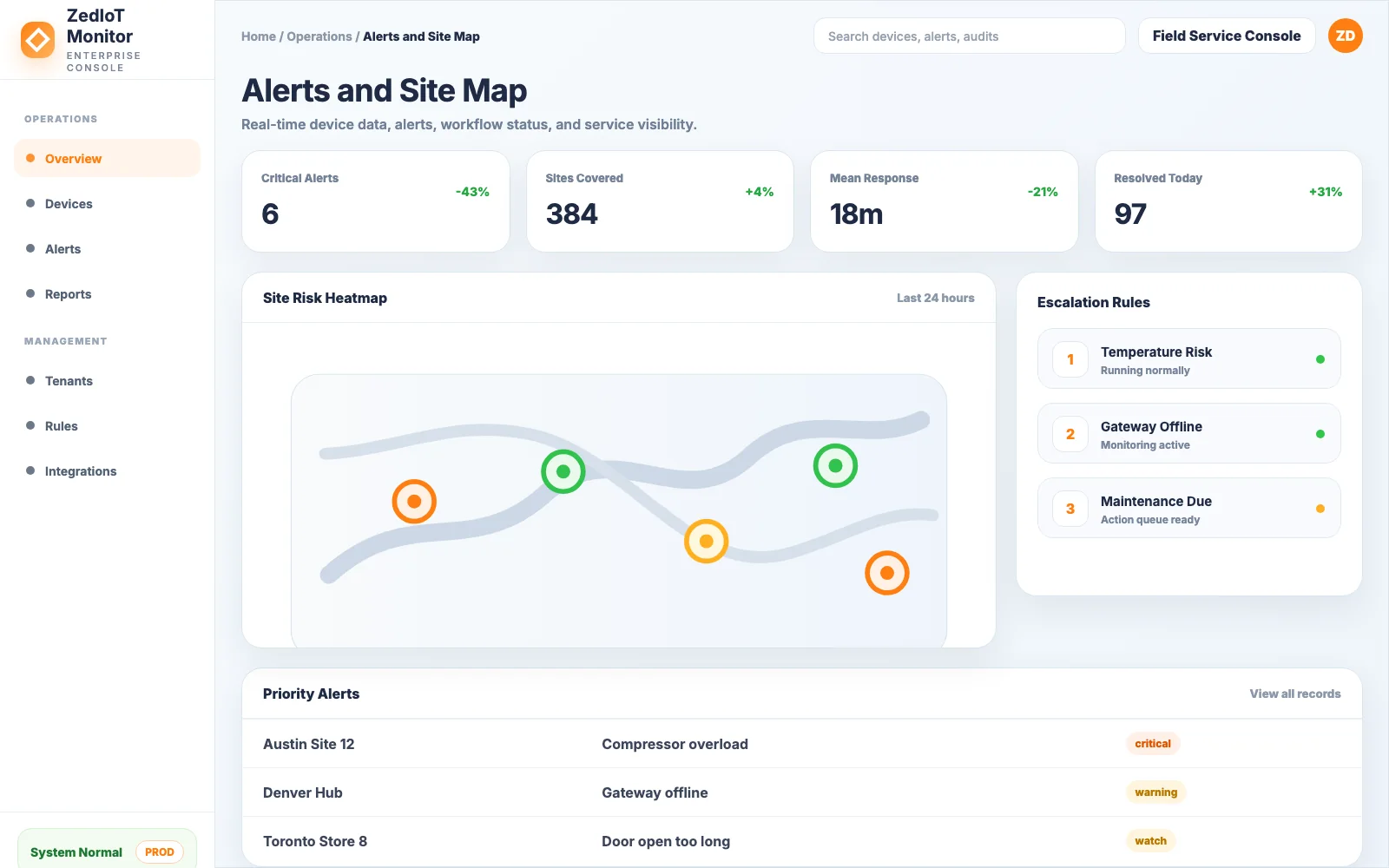
Connect field signals to dispatch, maintenance, and reporting workflows
A useful fleet platform does not stop at vehicle dots on a map. It turns GPS, cargo, maintenance, charging, driver, and device events into statuses, alarms, tasks, reports, and integrations that operations teams can trust.
Vehicle and cargo signals
GPS, sensors, controllers, cargo identity, charging equipment, mobile apps, and maintenance events create the field signal layer.
Edge and device access
Gateways, trackers, protocol adapters, store-and-forward logic, and secure device identity normalize field data.
Fleet operations platform
The platform manages vehicles, drivers, cargo, routes, geofences, maintenance, charging assets, alarms, roles, and reports.
Business workflows
Events become dispatch actions, maintenance tickets, ERP/WMS updates, customer notifications, dashboards, and management reports.
Vehicle management and charging station operations can share the same operational backbone
Fleet management and charging operations look different in the field, but both depend on device status, map context, user roles, alerts, reports, and service workflows.
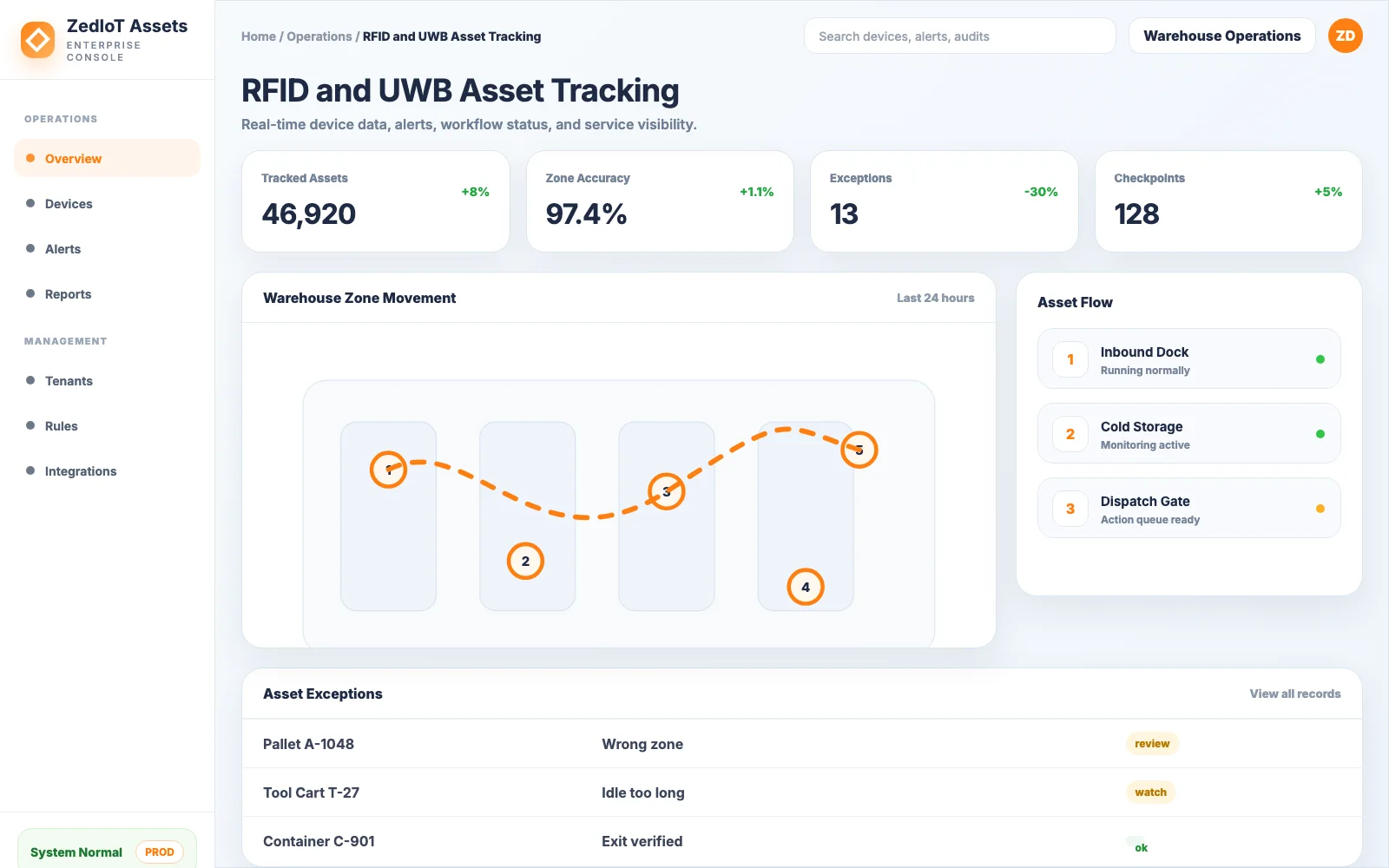
Monitor vehicles, dispatch tasks, cargo, and maintenance in one platform
Suitable for logistics fleets, field service teams, cold-chain vehicles, and mobile equipment operations that need map visibility and workflow control.
Vehicle monitoring and management
Track vehicle location, speed, route, mileage, status, geofence events, and exceptions in real time.
Vehicle dispatch management
Support scheduling, route assignment, task state, driver workflow, and dispatch decisions based on vehicle and order status.
Cargo tracking management
Connect cargo identity, handover records, route status, abnormal events, and business-system updates.
Vehicle maintenance management
Bring inspections, repairs, maintenance plans, alerts, downtime evidence, and service records into one operational view.
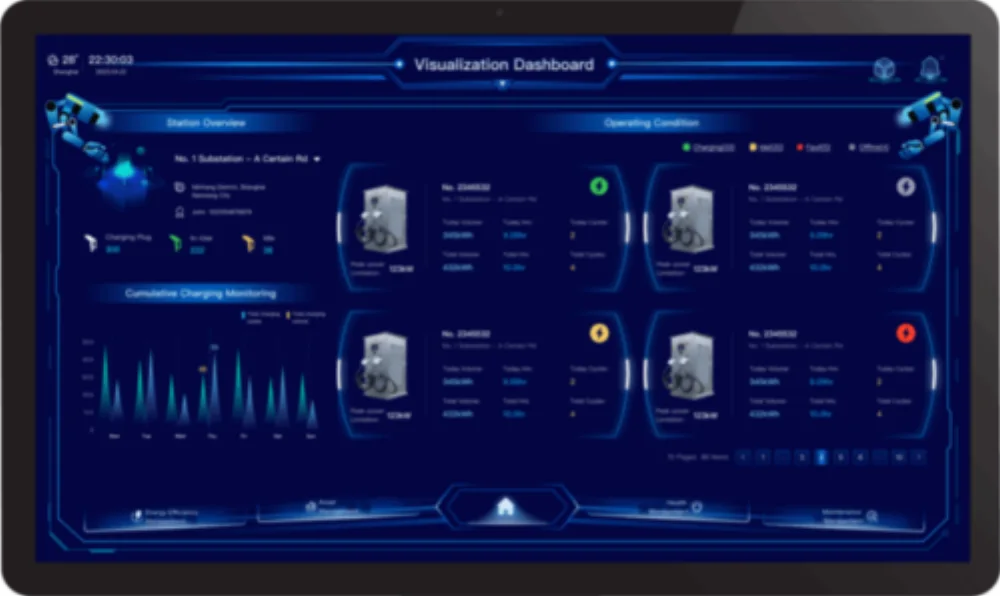
Operate charging assets with monitoring, control, fault handling, and reports
Charging station operations need equipment visibility, remote control, fault warnings, maintenance routing, station reports, and clean integration with fleet workflows.
Charging equipment monitoring
Monitor charging pile status, power, session duration, faults, availability, and station-level operating data.
Remote charging control
Start, stop, adjust parameters, set prices, and connect control events to permission and audit records.
Fault warning and maintenance
Detect abnormal station behavior, push warnings, support remote diagnosis, and route issues to service teams.
Data statistics and reporting
Summarize charging usage, vehicle service status, asset utilization, and operational trends for management decisions.
Where fleet management creates measurable control
Fleet management is strongest when it closes a business loop: lower downtime, cleaner dispatch, better cargo evidence, faster maintenance response, and more reliable reporting.
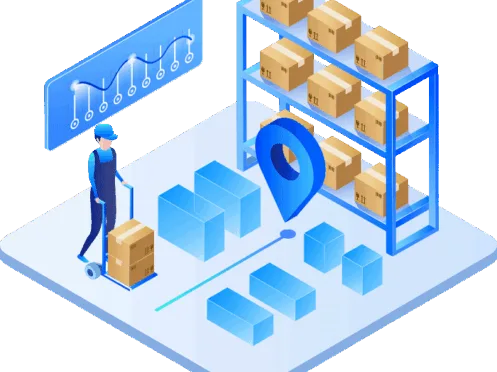
Logistics transport and delivery
Track routes, arrivals, dispatch tasks, cargo status, and exceptions across city delivery, regional transport, and service vehicles.
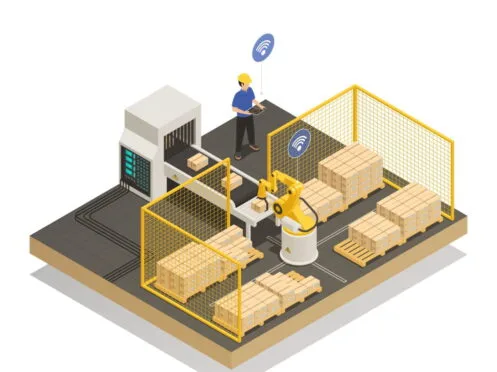
Cold-chain and mobile equipment
Connect vehicle location, temperature evidence, cargo handover, service alerts, and customer-facing proof for cold-chain operations.

Charging station operations
Combine station monitoring, remote control, fault warnings, charging reports, and vehicle service status for electric fleet operations.

Maintenance and service fleets
Use maintenance records, inspection history, downtime evidence, route status, and technician workflows to control service quality.
Maps, APIs, databases, dashboards, and deployment must be planned together
Fleet products depend on reliable map rendering, event ingestion, reports, and integrations, so the technology stack must be selected around operating data and long-term maintainability.
Prove one fleet workflow before scaling every vehicle, route, or station
A controlled pilot should validate the business action, not only the technology. The first release should prove field data quality, operator workflow, integrations, and maintenance response.
- 01
Audit fleet data and workflows
Review vehicles, devices, GPS data, maintenance records, dispatch process, cargo workflow, charging assets, and existing systems.
- 02
Model operations and integration
Define vehicle, driver, cargo, route, station, alert, permission, report, and API models around real operating decisions.
- 03
Build the pilot platform
Implement tracking, maps, dispatch, maintenance, charging or cargo modules, dashboards, mobile actions, and system integrations.
- 04
Validate with field operations
Test route accuracy, weak-network behavior, exception handling, operator workflow, report quality, and support handoff.
Operational outcomes to validate after fleet delivery
A useful fleet rollout should make dispatch, maintenance, charging, reporting, and exception ownership measurably clearer. These are the outcomes teams should validate during the pilot and after release.
Real-time tracking and maintenance alerts help teams reduce downtime and avoid unnecessary service cost.
Fleet maintenance supervisorCustom modules and API integration let existing operations keep working while the platform becomes more capable.
Operations managerClear reports and map-based workflows give managers a better way to control cost, productivity, and customer response.
Business ownerQuestions before starting a fleet management project
These answers help teams decide whether to improve an existing fleet system, build a custom platform, or start with a smaller pilot.
Can ZedIoT improve an existing fleet management system?
Yes. ZedIoT can evaluate the current software, GPS data, map workflow, maintenance modules, APIs, and reporting needs, then improve specific modules or rebuild the parts that limit operations.
What data can be integrated into a fleet platform?
Typical inputs include GPS trackers, vehicle telemetry, cargo identity, driver or technician actions, maintenance records, charging station events, temperature or sensor data, mobile apps, and ERP, WMS, CMMS, or customer systems.
Can fleet management include charging station management?
Yes. Charging assets can share the same operating backbone for equipment monitoring, remote control, fault warnings, pricing or permission rules, maintenance routing, and usage reports.
How should a fleet management pilot start?
Start with one vehicle group, one dispatch or maintenance workflow, the available device data, one dashboard or report, and one integration target. This proves data quality and operational value before scaling.
Does the solution require replacing all current devices?
Not always. Many projects can reuse existing trackers, gateways, GPS data, APIs, or business systems. New hardware is selected only when the current field data cannot support the required workflow.
Plan a fleet management platform with ZedIoT
Share vehicle types, GPS or tracker devices, current dispatch workflow, maintenance process, charging assets, map requirements, and systems that need integration. We will help define a practical pilot and rollout path.
- AI + IoT product architecture review
- Hardware, firmware, cloud, and application integration
- Prototype planning and production support