

ESP32-S3 Edge AI Voice Device Using TinyML
A voice-enabled device needed local wake-word and keyword recognition so basic commands remained fast, private, and usable without a continuous cloud connection.
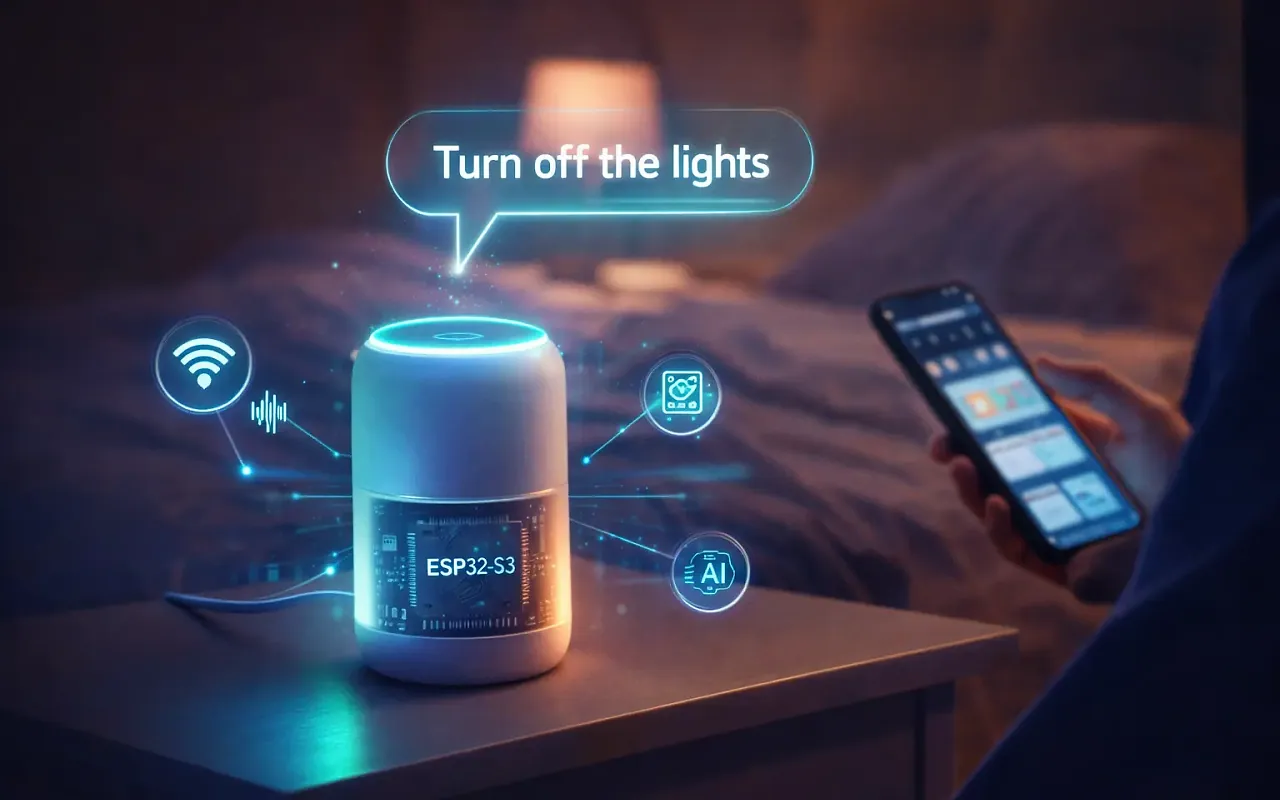
Fit useful speech recognition inside an embedded power and memory budget
The product had to balance microphone quality, noise conditions, model size, latency, false triggers, FreeRTOS scheduling, and the option to call cloud AI only when richer interaction was required.
- Project focus
- ESP32-S3 edge AI voice device
- Delivery scope
- Audio pipeline + TinyML inference
- Operating goal
- Offline essentials
Hardware, firmware, and product behavior had to be validated together
- 01
Capture stable audio across realistic room noise
- 02
Fit feature extraction and inference into ESP32-S3 resources
- 03
Control false accepts, missed commands, and response latency
- 04
Keep a clear boundary between offline commands and cloud conversation
Build a layered voice path from audio capture to product action
ZedIoT combined an embedded audio pipeline, wake-word and command inference, FreeRTOS task separation, device-state control, and an extensible path for cloud AI features.
Audio pipeline
Microphone capture, buffering, preprocessing, and noise-aware test data.
TinyML inference
TensorFlow Lite Micro model integration, memory planning, and latency profiling.
Device control
Validated commands map to bounded product actions and visible feedback.
Hybrid AI path
Optional cloud requests are separated from essential offline behavior.
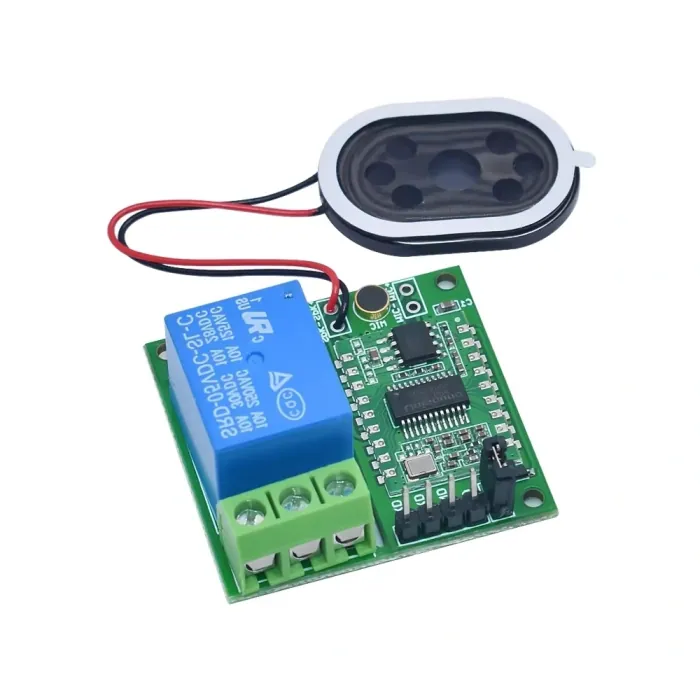
A working prototype, not a concept-only specification
The device prototype integrated audio input, local processing, connectivity, and speaker output.
Local first, cloud only when the conversation needs it
Listen
The audio front end maintains a bounded listening state.
Detect
Wake word and keyword models run locally on the ESP32-S3.
Act
Recognized commands update the device through controlled handlers.
Escalate
Complex questions can move to a connected AI service when allowed.
A practical path to private, responsive voice control
The resulting prototype demonstrated how edge recognition and connected AI can coexist without making basic product behavior dependent on the network.
Offline essentials
Core wake and command interactions stay available without round-trip cloud latency.
Clear product states
Listening, recognition, action, failure, and connected modes can be communicated to the user.
Extensible architecture
Additional models or cloud conversations can be added without rewriting the essential control loop.
Recognition quality must be validated with the final microphone, enclosure, acoustic environment, vocabulary, speakers, and target false-trigger rate.
ESP32-S3 edge AI voice device questions
What did ZedIoT deliver for this esp32-s3 edge ai voice device project?
ZedIoT combined an embedded audio pipeline, wake-word and command inference, FreeRTOS task separation, device-state control, and an extensible path for cloud AI features. The final scope depended on the customer's devices, interfaces, operating workflow, and acceptance criteria.
Can this project pattern be adapted to another product or site?
Yes. The reusable pattern is the way listen, detect, act are connected. Device protocols, deployment topology, data ownership, and operating rules are validated for each new project.
What should be confirmed before starting a pilot?
A useful pilot starts with representative hardware, interface documentation, real operating conditions, expected users, failure cases, and measurable acceptance criteria. Recognition quality must be validated with the final microphone, enclosure, acoustic environment, vocabulary, speakers, and target false-trigger rate.
Planning a related AI + IoT project?
Share the current device or system, the operating problem, available interfaces, intended users, and the result you need to validate. ZedIoT can help define a focused prototype and production path.
- AI + IoT product architecture review
- Hardware, firmware, cloud, and application integration
- Prototype planning and production support