
AI hardware development for connected, intelligent products
ZedIoT helps product teams turn ordinary equipment into maintainable AI-enabled devices. We combine electronics, embedded software, communication modules, on-device intelligence, cloud integration, validation, and production handoff.
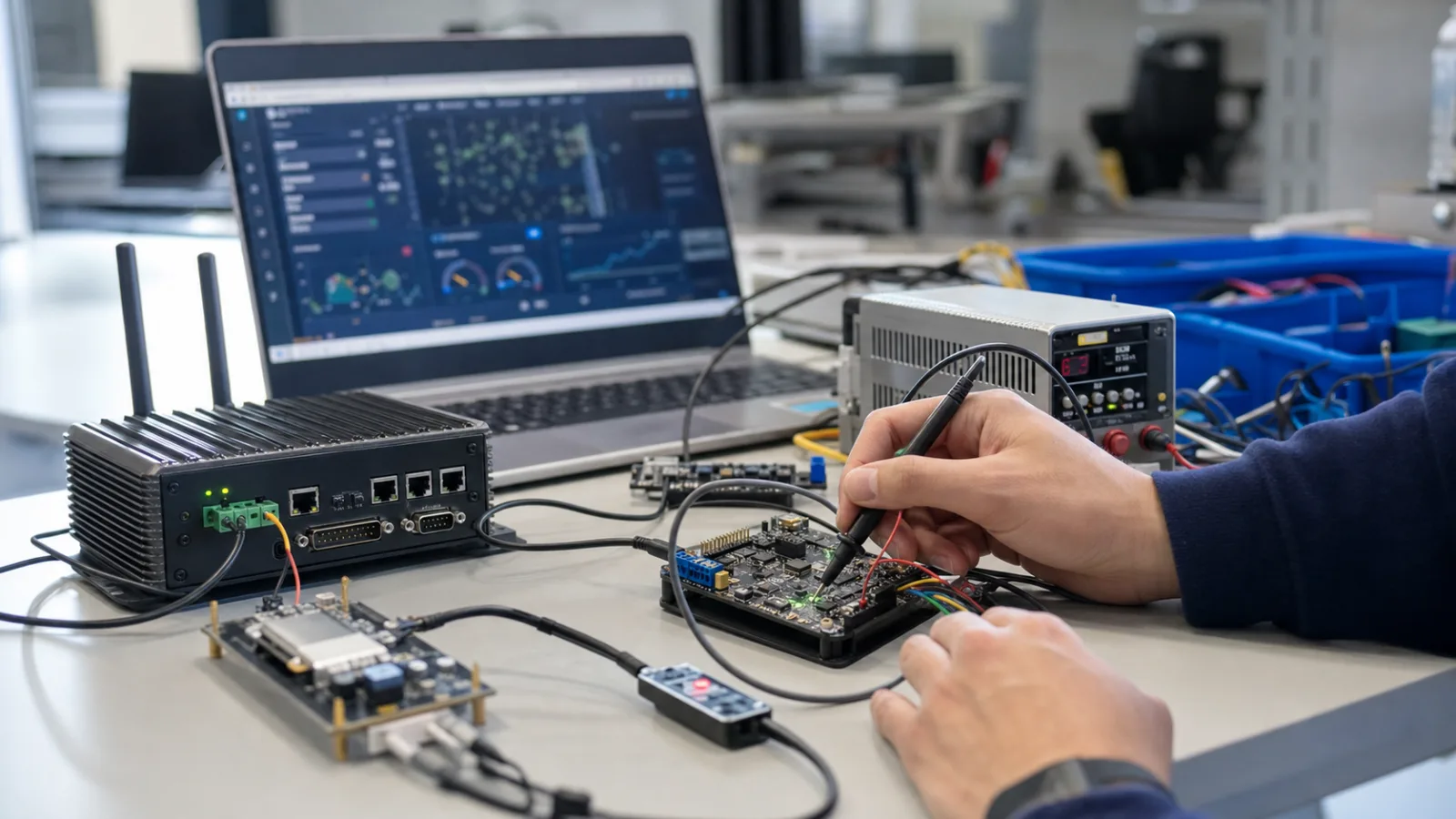
One team across electronics, embedded AI, connectivity, and production readiness
AI hardware development is the coordinated design of the physical product, device software, AI runtime, data path, and operating model. The service fits teams that need a working product rather than an isolated board or model demo.
Product architecture and feasibility
Map the AI task, device interfaces, power, thermals, enclosure, connectivity, data path, target cost, and production constraints before selecting hardware.
Electronics, modules, and PCBA
Select MCU, MPU, NPU, wireless, voice, sensor, and power components; review schematics, layout, interfaces, antenna, and manufacturability.
Embedded software and on-device AI
Build drivers, device logic, local rules, TinyML, model runtime, hardware acceleration, diagnostics, and safe fallback behavior.
Connectivity, security, and OTA
Add device identity, Wi-Fi, BLE, LTE, Zigbee, MQTT, APIs, encrypted transport, logging, remote diagnostics, and controlled updates.
Platform and application integration
Connect useful device events, model results, commands, reports, and service records to ZedIoT or a customer-owned platform and app.
Prototype and production handoff
Validate representative workloads, prepare test evidence, factory checks, release notes, installation guidance, and long-term maintenance ownership.
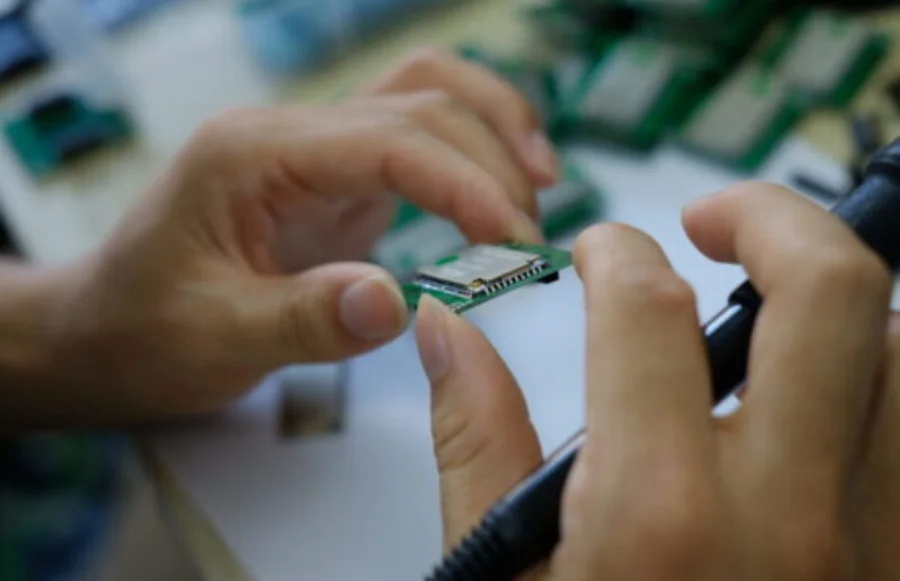
The lightest reliable architecture is often better than the largest AI board
Many products become useful smart devices with a communication module, an ESP32-S3 controller, a voice module, or a small local model. Edge accelerators and AI boxes are valuable only when the workload and field environment require them.
Connected-device retrofit
Use a communication module or compact gateway when an existing controller already performs the core product function.
ESP32-S3 or MCU smart controller
Add sensing, local UI, Wi-Fi or BLE, secure cloud calls, OTA, and lightweight AI behavior to a compact product.
Voice-enabled product
Combine microphones, speakers, wake word, ASR, TTS, command confirmation, and LLM workflows for useful device interaction.
Embedded or edge inference
Use TinyML, vision, acoustic, or anomaly models locally when latency, privacy, bandwidth, or offline operation matters.
Build the product as one evidence-producing system
The hardware, firmware, AI behavior, platform, and factory checks should describe the same product state. This makes failures diagnosable and rollout decisions defensible.
Product signals
Sensors, audio, video, controls, serial data, user actions, and fault states define the useful input.
Compute and interfaces
MCU, MPU, NPU, modules, PCBA, power, antenna, peripherals, and enclosure constraints shape the device.
Embedded intelligence
Firmware, local rules, model runtime, safety checks, logs, diagnostics, and fallback behavior run on the product.
Connected operations
Identity, OTA, telemetry, commands, APIs, dashboards, and alerts create the remote operating loop.
Production evidence
Acceptance tests, factory checks, release packages, installation guidance, and support ownership make the design repeatable.
Know when custom AI hardware is the right investment
Custom work creates value when the product needs differentiated device behavior, field reliability, data ownership, or repeatable operations. If a standard module already meets the requirement, the project should not invent a custom board without a business reason.
A product needs new connectivity, local AI, voice, vision, sensing, remote operations, or a production-ready embedded architecture.
Use a module or firmware retrofit when the existing controller is stable and the main gap is networking, telemetry, or remote service.
Choose an MPU, NPU, or edge box only when model workload, interfaces, latency, or local data handling justify the added cost and power.
The service works best when firmware, AI behavior, cloud integration, acceptance evidence, and maintenance ownership are planned together.

From product goal to a controlled production release
Each stage produces evidence for the next decision, so the team can stop, adjust, or scale before expensive assumptions become fixed.
- 01
Define the product outcome
Clarify the user task, existing device, operating environment, AI behavior, target volume, and measurable success condition.
- 02
Select the practical hardware path
Compare module retrofit, MCU or ESP32-S3, embedded Linux, voice module, TinyML, edge accelerator, and custom PCBA options.
- 03
Prototype the complete loop
Build representative hardware, firmware, model behavior, connectivity, platform data, and user workflow instead of an isolated board demo.
- 04
Validate field and production constraints
Test power, thermals, radio, weak network, latency, accuracy, fault states, OTA, diagnostics, assembly, and acceptance evidence.
- 05
Release and support the product
Prepare production notes, test fixtures, release packages, installation guidance, monitoring points, and a controlled iteration path.
Smart products combine device behavior with a usable operating workflow
These public cases show two different hardware directions: an interactive AI product and a connected environmental control device.
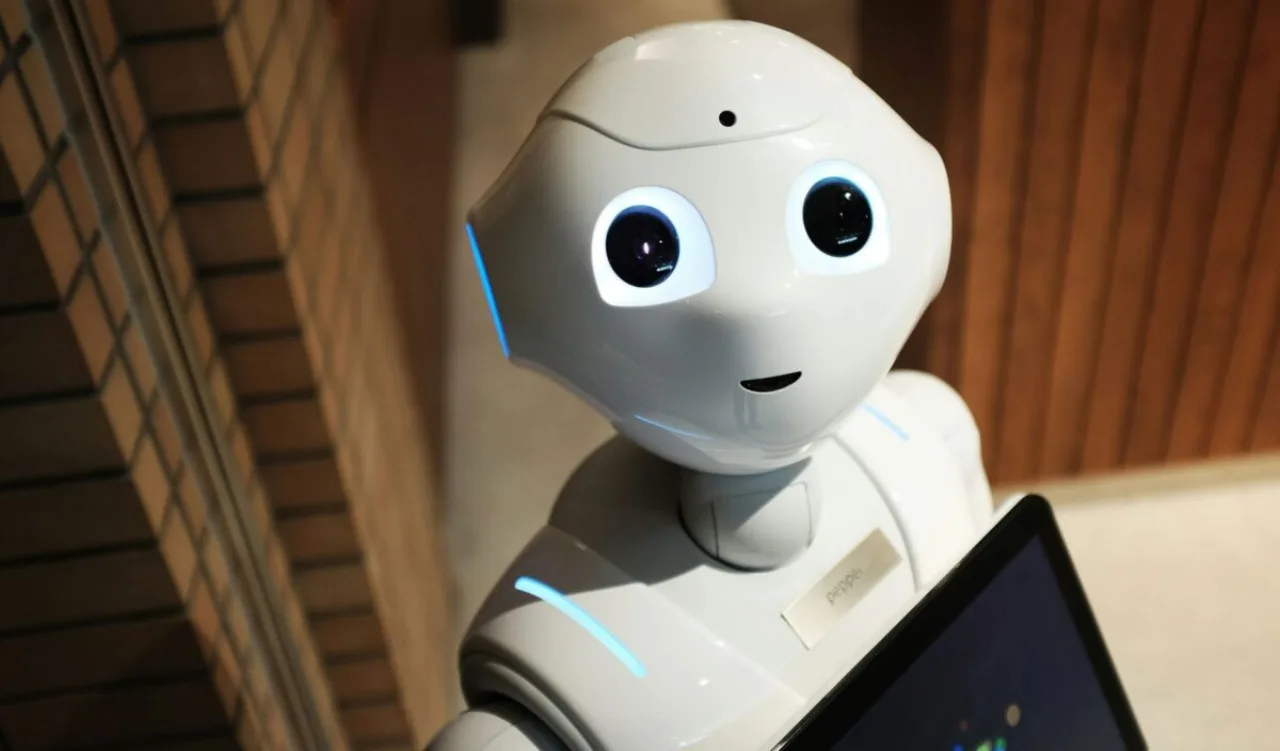
AI tour guide robot
A connected service robot combines navigation, speech recognition, knowledge workflows, voice output, and device-side interaction.
Read case study
Smart greenhouse device
A connected environmental device combines sensors, embedded control, remote monitoring, and field-ready hardware for greenhouse operations.
Read case studyQuestions before starting AI hardware development
These answers cover architecture choice, product ownership, production readiness, and the boundary between embedded and edge AI.
Does an AI hardware product always need an edge AI box?
No. Many products are better served by a communication module, ESP32-S3 controller, voice module, TinyML runtime, gateway, or firmware upgrade. An edge box is justified when workload, interfaces, latency, or local data handling require it.
Can ZedIoT work from an existing device or prototype?
Yes. We can review the current controller, ports, sensors, power, enclosure, firmware, data path, and user workflow, then define a retrofit, redesign, or hybrid development path.
What is included beyond the electronics design?
A project can include embedded software, model runtime, connectivity, device identity, security, OTA, platform APIs, dashboards, test evidence, factory checks, release documentation, and maintenance handoff.
Can the customer own the source code and hardware design files?
Yes. Source code, schematics, PCB files, firmware, documentation, test materials, and deployment assets can be included according to the agreed commercial and technical scope.
When should TinyML be used instead of cloud AI?
TinyML is useful for small, repeatable local decisions where latency, power, privacy, bandwidth, or offline behavior matters. Cloud AI remains useful for larger models, knowledge workflows, multimodal reasoning, and centrally managed updates.
How is production risk reduced before mass manufacturing?
We validate representative workloads, power, thermals, radio, interfaces, fault states, OTA, diagnostics, enclosure constraints, test points, factory checks, acceptance evidence, and release ownership before scaling.
Review your AI hardware product direction with ZedIoT
Share the existing device or product idea, target users, interfaces, power, enclosure, network, AI behavior, production volume, and current prototype status. We will help identify the smallest credible delivery path.
- AI + IoT product architecture review
- Hardware, firmware, cloud, and application integration
- Prototype planning and production support