

Connected Vehicle Intelligent Cloud Control Platform
An automotive solution provider needed one platform to collect vehicle, road, environmental, and driver data, then turn it into live monitoring, geofencing, risk analysis, and practical fleet workflows.
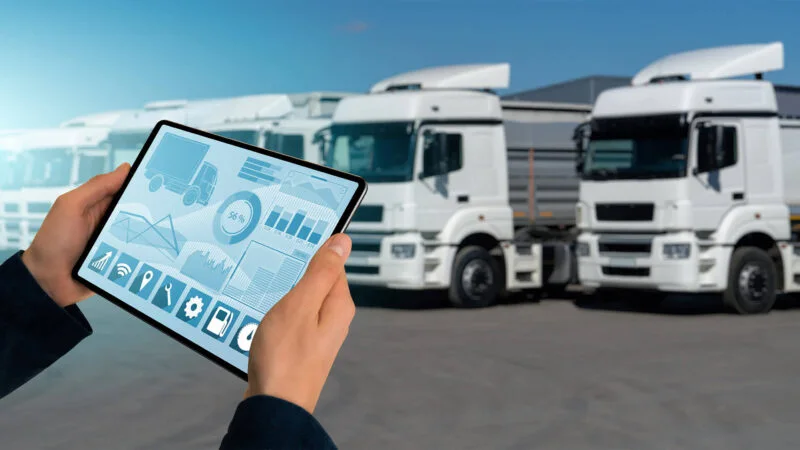
Unify vehicle telemetry, driver behavior, and operational risk
The customer supplies products and solutions to automotive manufacturers and works with insurance, reinsurance, and logistics organizations. The platform had to support different business roles while preserving a consistent vehicle and event record.
- Primary users
- Fleet, safety, and service teams
- Data sources
- Vehicle, road, media, and sensors
- Business goal
- Risk control and operating efficiency
Process multi-source field data without losing the vehicle context
The system needed to ingest terminal and sensor data, support analysis and modeling, publish selected information securely, and provide multimedia and mobile workflows for different operating roles.
- Real-time status and trajectory from existing vehicle terminals
- Road, environmental, radar, video, fuel, and warning events
- Secure data sharing for logistics, insurance, and management users
- Mobile workflows for drivers and field operations
Turn live vehicle data into workflows that dispatch and safety teams can use
The published project grouped the platform into five functional areas. Each one remains visible here rather than being reduced to a generic feature list.
Data visualization
Numbers, charts, route playback, video, and radar-style views make vehicle and event data understandable to operations teams.
Live vehicle status
Location, owner, vehicle type, operating state, fatigue indicators, current route, and historical trajectory are available from one record.
Electronic geofencing
Entry, exit, parking, working-hour, and out-of-area events generate different alerts according to operating rules.
Driving analytics
Night driving, speeding, fatigue, risk warnings, AEB, and FCW events can be summarized by vehicle, driver, route, or time period.
Fuel monitoring
Live and historical fuel-use curves help identify abnormal consumption, insufficient refueling, and route-related operating patterns.
Keep terminal data, platform state, and human action connected
The architecture separates vehicle acquisition, connectivity, platform processing, and the operating workflow so failures can be traced to the correct layer.
Vehicle status, positioning, cameras, radar, fuel, road, and environmental signals.
Cellular communication, message validation, buffering, and reliable event upload.
Vehicle model, geofences, alerts, media, trip records, analytics, and user permissions.
Dispatch, driver check-in, risk review, quarterly reporting, and management decisions.
Use context-rich evidence to manage risk, not isolated alerts
Location, posture, status, road conditions, and alarm media are brought together so operators can review risk with context.
A mobile check-in workflow verifies that a driver is within the configured distance of the assigned vehicle before work begins.
Trip, fuel, behavior, and warning data support vehicle-level, quarterly, and annual safety evaluation.
Visual configuration and reusable operating rules shorten iteration time as vehicle programs and customer requirements evolve.
A market-launched platform for logistics vehicle management
The published case reports that the platform collects vehicle information in real time and produces behavior and risk analysis from radar scenes, video, location, vehicle data, and driver events. The operating objective is stronger risk control and more consistent management.
Explore fleet management solutionsConnected vehicle platform questions
What data can a connected vehicle cloud platform manage?
The platform can manage vehicle identity, location, trip history, driver status, fuel, cameras, radar, warning events, road and environmental signals, geofences, alarms, and operating reports when the required terminals and interfaces are available.
How does electronic geofencing support fleet operations?
Geofences can identify entry, exit, parking, working-hour, and out-of-area events. The platform can route different alerts and workflows according to the vehicle, route, site, and operating policy.
Can the platform integrate with logistics or insurance systems?
Yes. APIs and controlled data services can share selected vehicle, trip, event, and risk records with logistics, insurance, service, or reporting systems after ownership and permission rules are defined.
Can existing vehicle terminals be connected?
Often yes, provided their protocols, data model, command behavior, connectivity, and media interfaces can be documented and validated. A pilot should use representative terminals and real operating conditions.
Planning a connected vehicle or fleet platform?
Share the vehicle terminals, sensor interfaces, expected fleet size, operating roles, risk events, and systems that need integration. We will help map a focused pilot and production path.
- AI + IoT product architecture review
- Hardware, firmware, cloud, and application integration
- Prototype planning and production support