

RFID Smart Warehouse Management Platform
A multi-warehouse operation needed RFID tags, fixed readers, handhelds, inventory records, and customer workflows to work as one traceable goods-and-asset system.
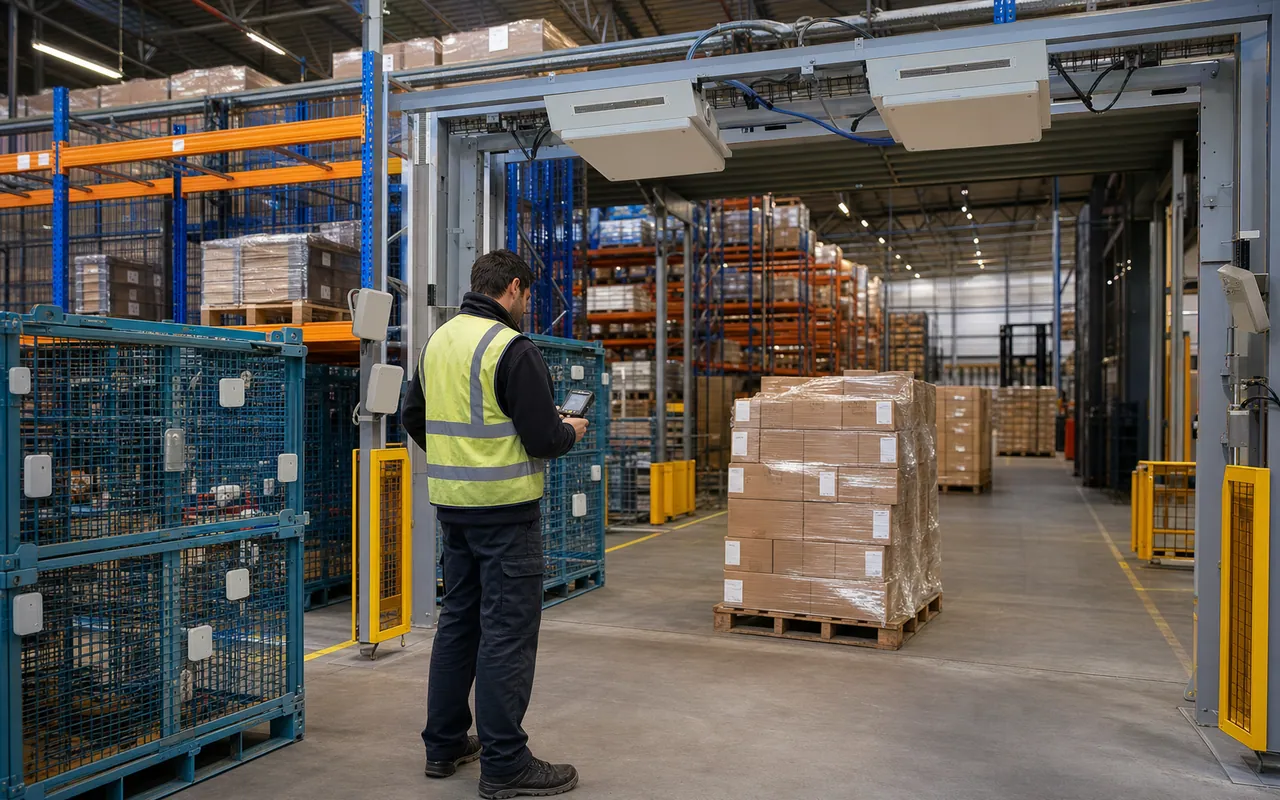
Turn noisy RFID reads into trustworthy inventory events
Reader zones, tag collisions, duplicate reads, missed scans, item identity, location, ownership, and business transitions all affect whether RFID data reflects reality.
- Project focus
- RFID warehouse management platform
- Delivery scope
- RFID field design + Read processing
- Operating goal
- Traceable movement
The field data needed business and operating context
- 01
Design tag, reader, antenna, and zone behavior around the site
- 02
Filter duplicate and ambiguous reads without hiding exceptions
- 03
Connect receiving, put-away, movement, counting, rental, and dispatch
- 04
Support multiple warehouses, customers, handhelds, and permissions
Bind RFID evidence to explicit warehouse transitions
ZedIoT connected fixed and handheld acquisition, tag and asset identity, read filtering, zone events, inventory workflows, exceptions, reports, and multi-warehouse permissions.
RFID field design
Tags, readers, antennas, zones, materials, and movement patterns are tested together.
Read processing
Filtering and event logic convert raw observations into reviewable transitions.
Warehouse workflow
Receiving, storage, movement, counting, rental, and dispatch remain explicit.
Inventory platform
Assets, locations, customers, users, history, and exceptions share one record.
From radio observation to accountable inventory movement
Read
Fixed or handheld equipment observes approved RFID tags.
Resolve
The edge service identifies tag, asset, zone, time, and read quality.
Transact
Business rules create a warehouse movement or exception.
Reconcile
Users review inventory, history, discrepancies, and reports.
A scalable identification workflow across warehouses
The platform connected physical RFID behavior with inventory operations rather than treating every tag observation as a valid stock movement.
Traceable movement
Inventory events remained associated with tag, asset, location, time, and workflow.
Exception visibility
Duplicate, missed, or ambiguous reads could be reviewed instead of silently accepted.
Multi-site operations
Warehouses and customer workflows shared a consistent platform foundation.
Read performance depends on tags, materials, orientation, antenna placement, site RF conditions, movement, reader tuning, and representative pilot testing.
RFID warehouse management platform questions
What did ZedIoT deliver for this rfid warehouse management platform project?
ZedIoT connected fixed and handheld acquisition, tag and asset identity, read filtering, zone events, inventory workflows, exceptions, reports, and multi-warehouse permissions. The final scope depended on the customer's devices, interfaces, operating workflow, and acceptance criteria.
Can this project pattern be adapted to another product or site?
Yes. The reusable pattern is the way read, resolve, transact are connected. Device protocols, deployment topology, data ownership, and operating rules are validated for each new project.
What should be confirmed before starting a pilot?
A useful pilot starts with representative hardware, interface documentation, real operating conditions, expected users, failure cases, and measurable acceptance criteria. Read performance depends on tags, materials, orientation, antenna placement, site RF conditions, movement, reader tuning, and representative pilot testing.
Planning a related AI + IoT project?
Share the current device or system, the operating problem, available interfaces, intended users, and the result you need to validate. ZedIoT can help define a focused prototype and production path.
- AI + IoT product architecture review
- Hardware, firmware, cloud, and application integration
- Prototype planning and production support