
Uncover the Latest in AI and IoT
Highlight cutting-edge IoT technologies, AI advancements, and practical applications. Include open-source libraries and development tools to provide value to tech-savvy readers.
ZedIoT Blogs
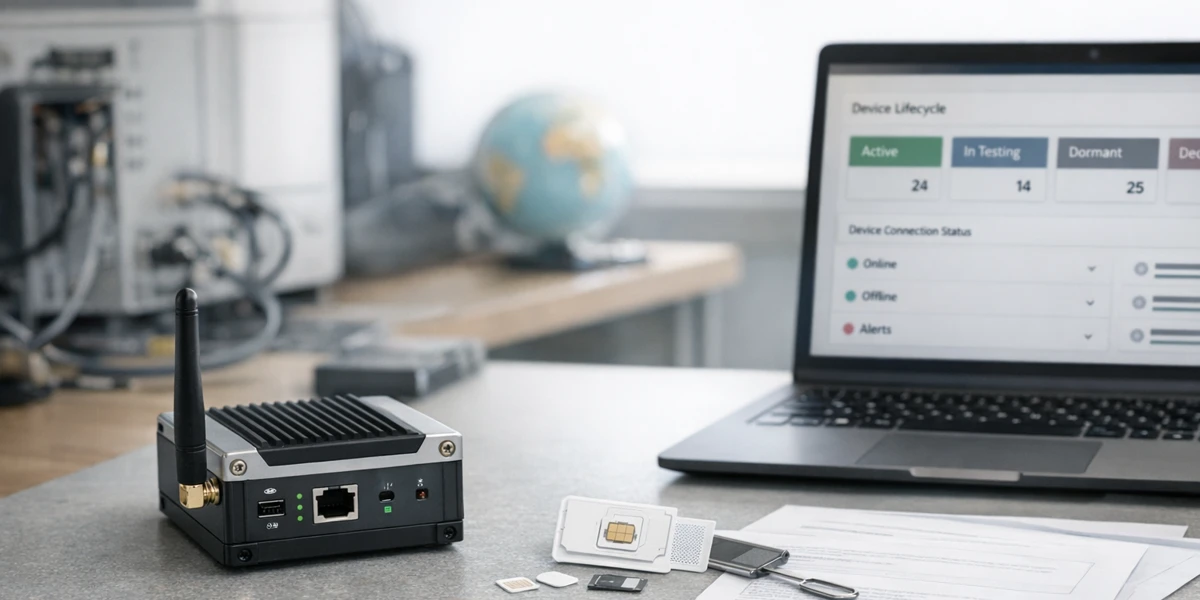
The hard part of global IoT is rarely first connectivity alone. It is linking eSIM remote provisioning, device registration, policy delivery, acknowledgements, and diagnostics into one operating loop. This article explains why SGP.32 and LwM2M work better together.

Many IoT teams build device management as device registration plus online status plus a detail page. That works for demos, but it breaks under fleet operations, command tracking, version control, and troubleshooting. This article lays out a safer five-part architecture: registry, state, command plane, fleet index, and ops console.
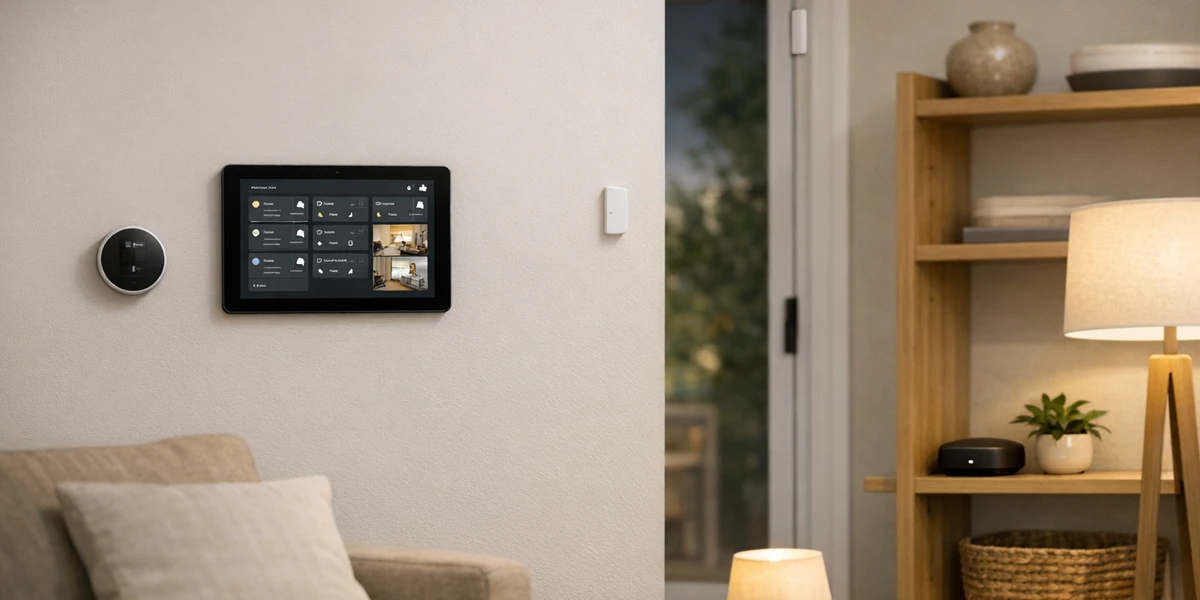
A local-first Home Assistant architecture is not the same as trying to remove every cloud service. The stronger pattern is to keep device control, critical automations, state coordination, and recovery paths local while treating cloud services as optional enhancement layers.
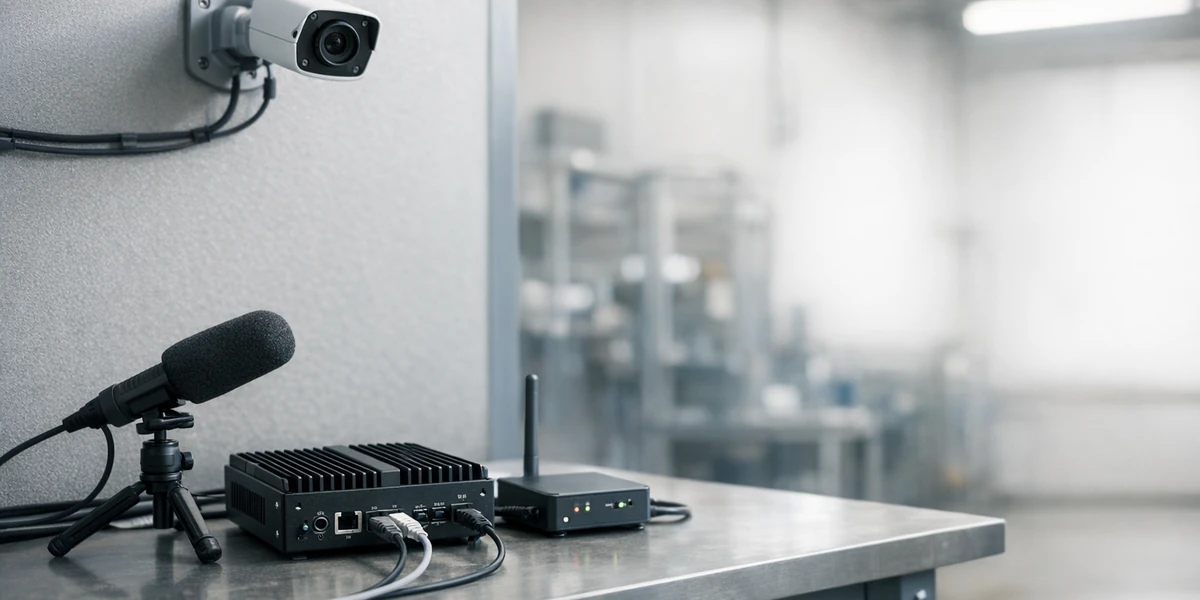
In multimodal edge systems, the hardest part is rarely whether a model can run. It is whether voice, video, and event streams stay aligned, low-latency, diagnosable, and recoverable under real hardware and real networks. This article offers a more practical decision framework.
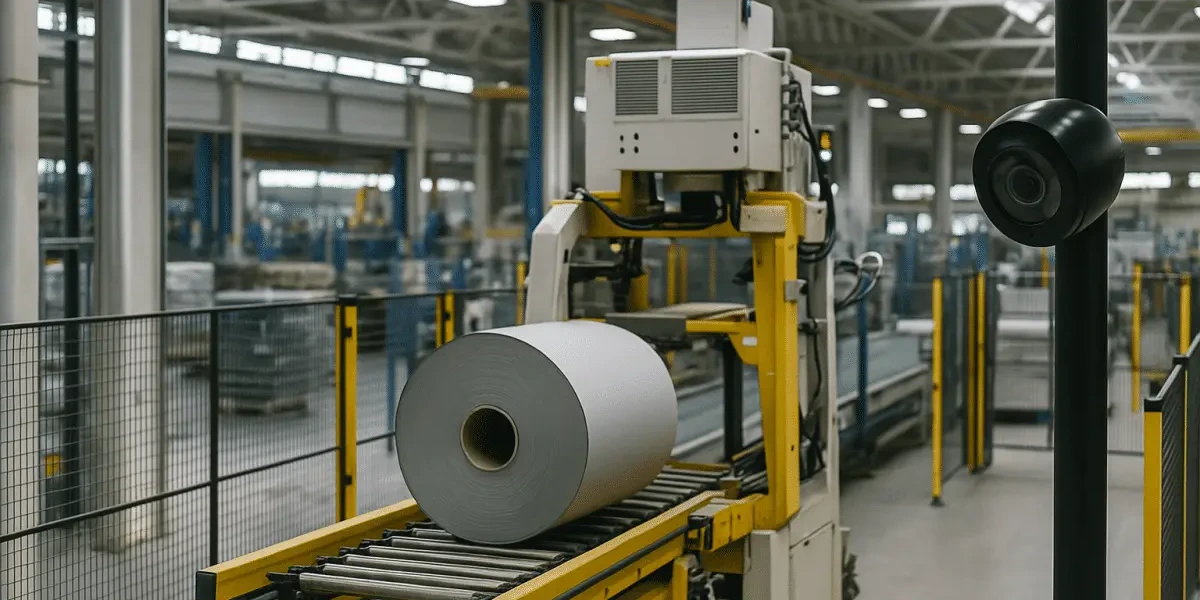
Edge AI deployments rarely fail first on model accuracy. They fail when teams cannot see input health, inference health, version context, or diagnostic evidence. This article explains why observability should be designed as a core Edge AI capability from ESP32-class devices to Linux edge boxes.
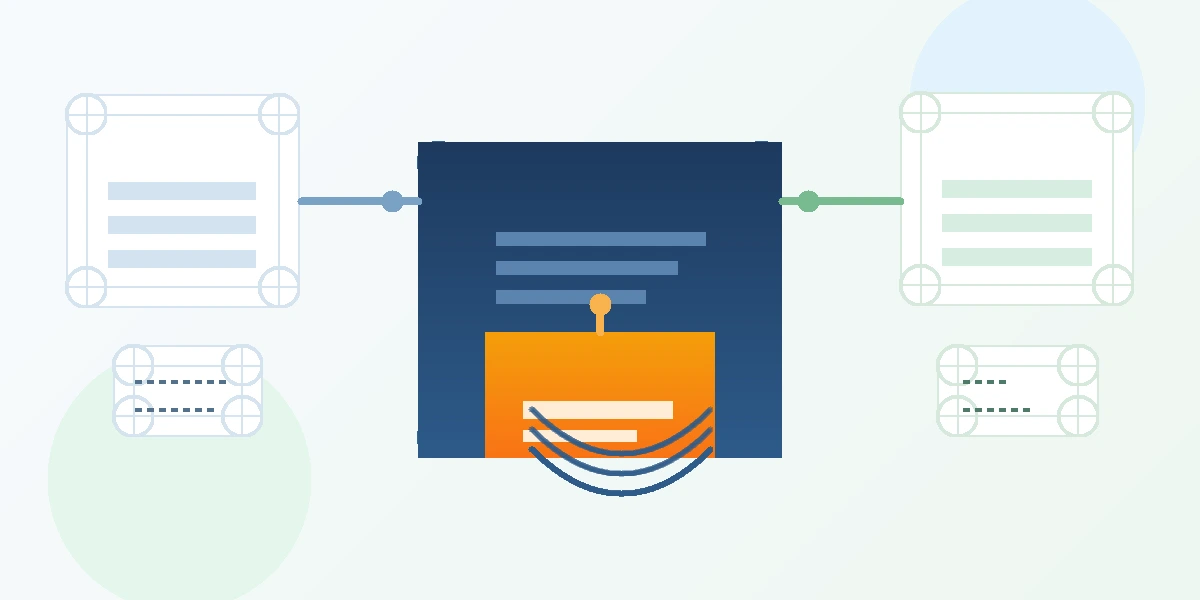
Legacy industrial equipment projects usually fail when teams push PLCs, meters, and serial devices straight into the cloud without a stable edge boundary. This article outlines a safer brownfield-to-cloud path built around asset inventory, edge normalization, reliable uplink, and controlled write-back.
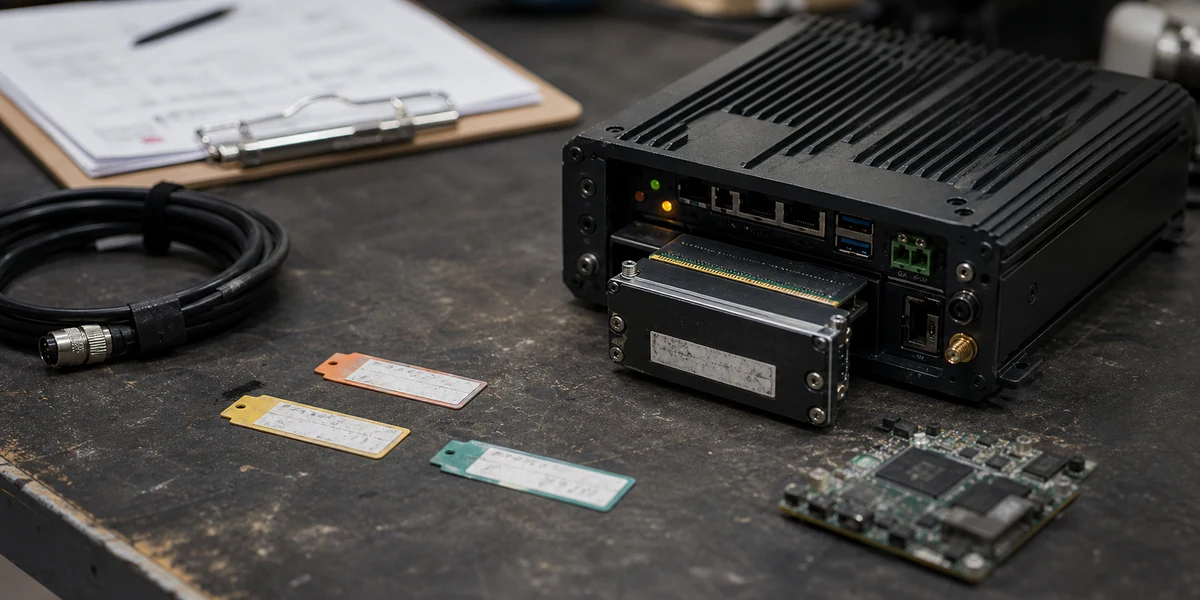
Edge AI fleets become hard to operate when firmware, model, and config are hidden behind one bundle version. This article explains how to separate those version planes so rollout, rollback, and troubleshooting stay controllable.
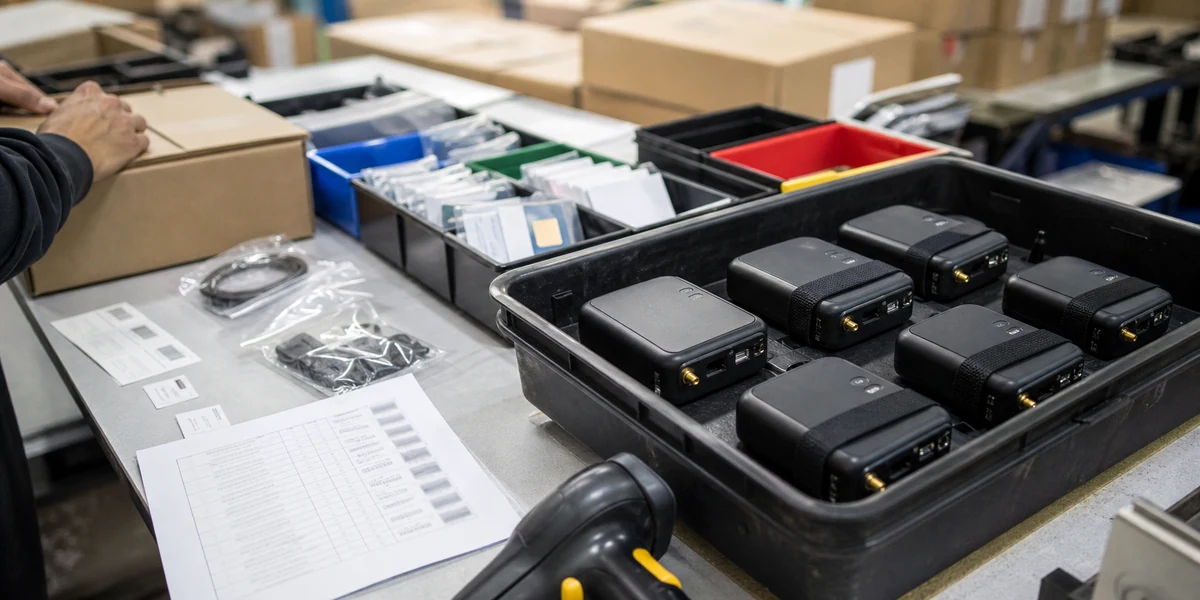
Global IoT deployments rarely fail because devices cannot connect. They fail because eSIM provisioning, device identity, regional policy, config versions, and operations feedback are not controlled as one lifecycle system. This article explains why lifecycle control matters more than connectivity alone.
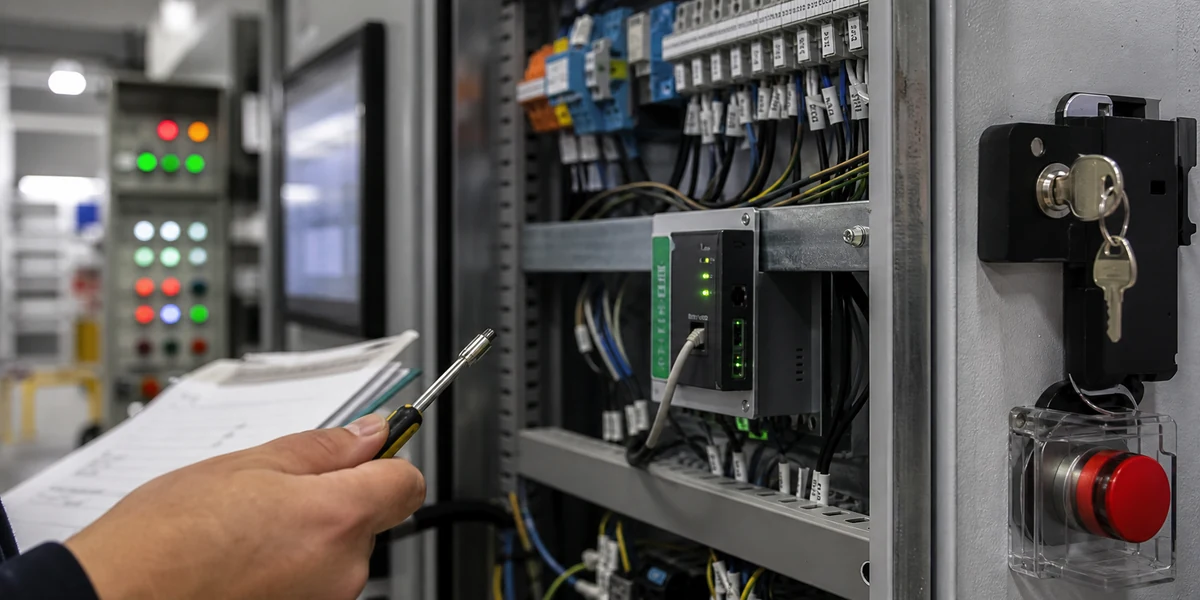
Agentic IoT becomes fragile when A2A, MCP, OPC UA, and Modbus are treated as interchangeable layers. A more stable architecture uses A2A for agent coordination, MCP for controlled tool access, OPC UA for asset semantics, and Modbus for field execution.
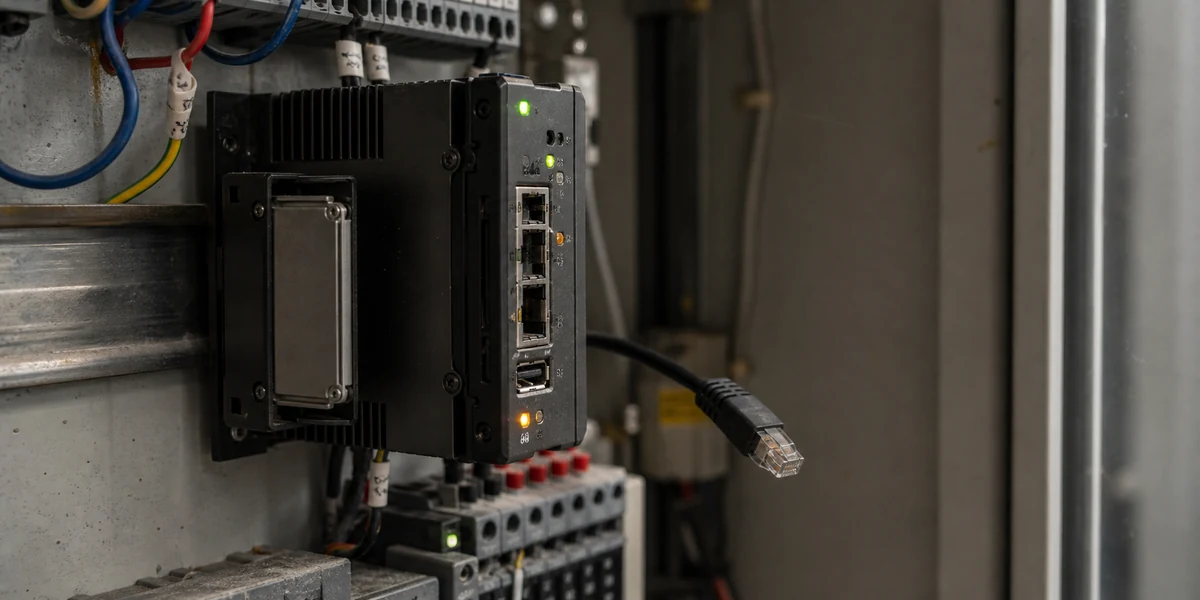
Industrial edge gateways that only forward data usually lose control of buffering, replay order, duplicate writes, and acknowledgment recovery during weak network conditions. This article shows how a practical store-and-forward design should work.
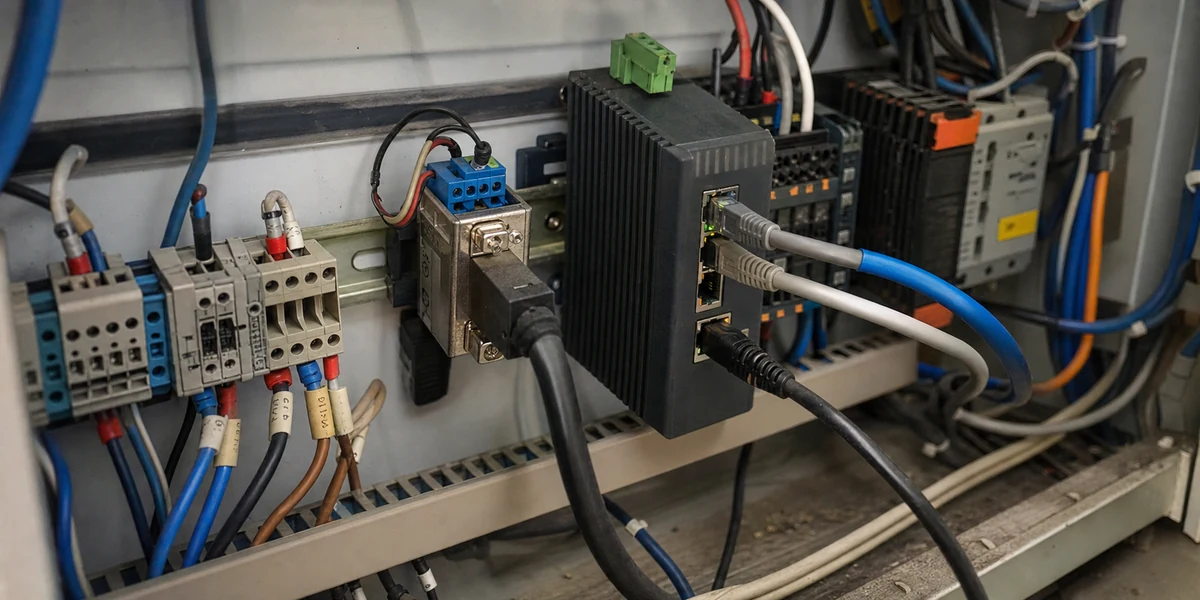
Industrial IoT platforms that treat Modbus, OPC UA, MQTT, and HTTP as isolated drivers usually lose control of semantic mapping, error handling, command confirmation, and data quality. This article outlines a safer protocol adapter layer design.
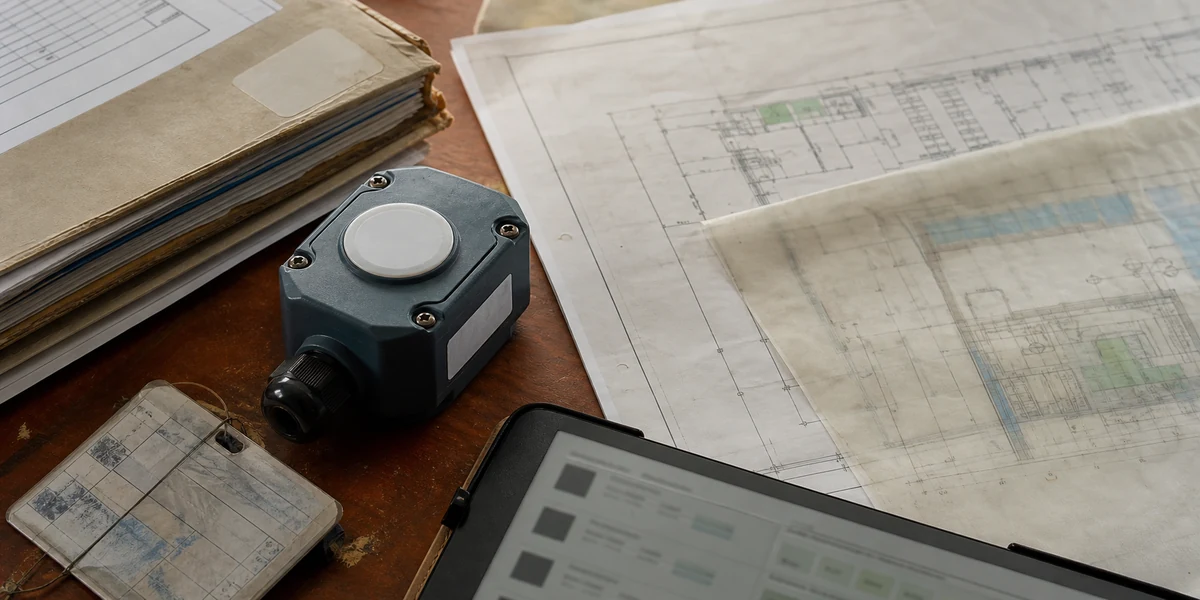
Many IoT platforms mix device shadow, digital twin, and asset model into one object and end up with bloated state models, weak search, and confused operations. This article explains what each one is for and how to stack them more cleanly.
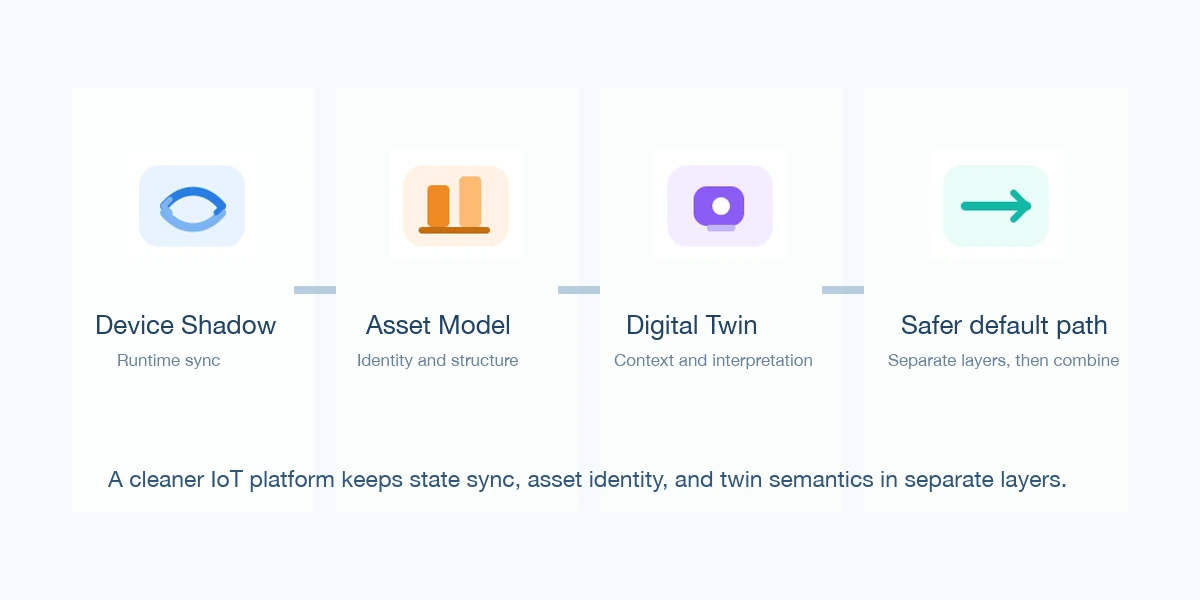
Many IoT platforms mix device shadow, digital twin, and asset model into one object and end up with bloated state models, weak search, and confused operations. This article explains what each one is for and how to stack them more cleanly.
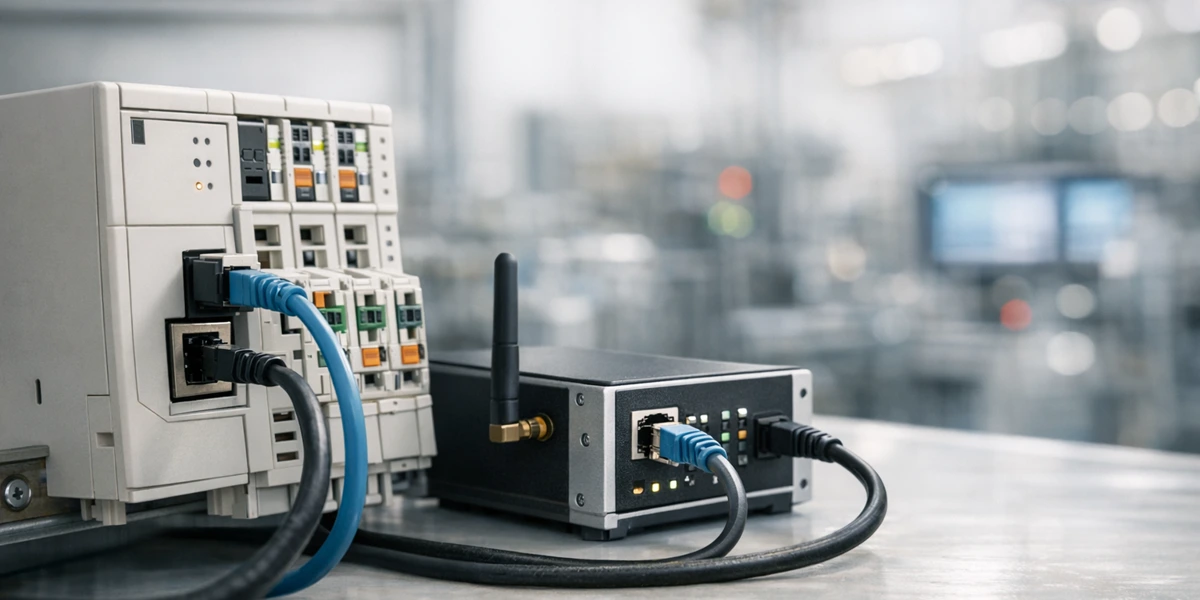
OPC UA, MQTT, and Modbus are not simple replacements for one another in industrial IoT. In many practical architectures, Modbus stays at device access, OPC UA unifies edge semantics, and MQTT carries northbound events and decoupled platform integration.
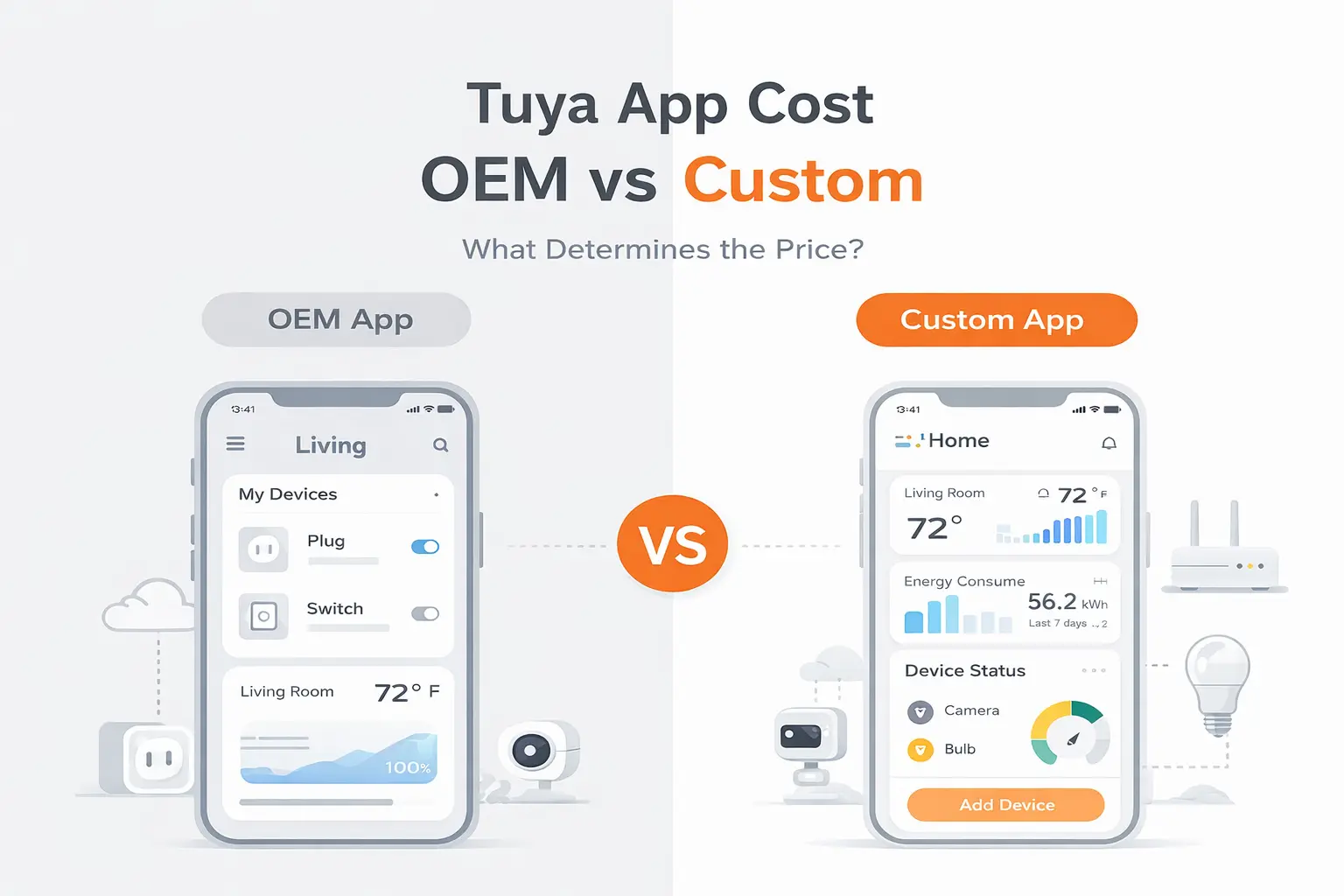
How much does a Tuya app cost? Learn OEM vs custom pricing, timelines, and when to move beyond OEM based on real IoT projects.
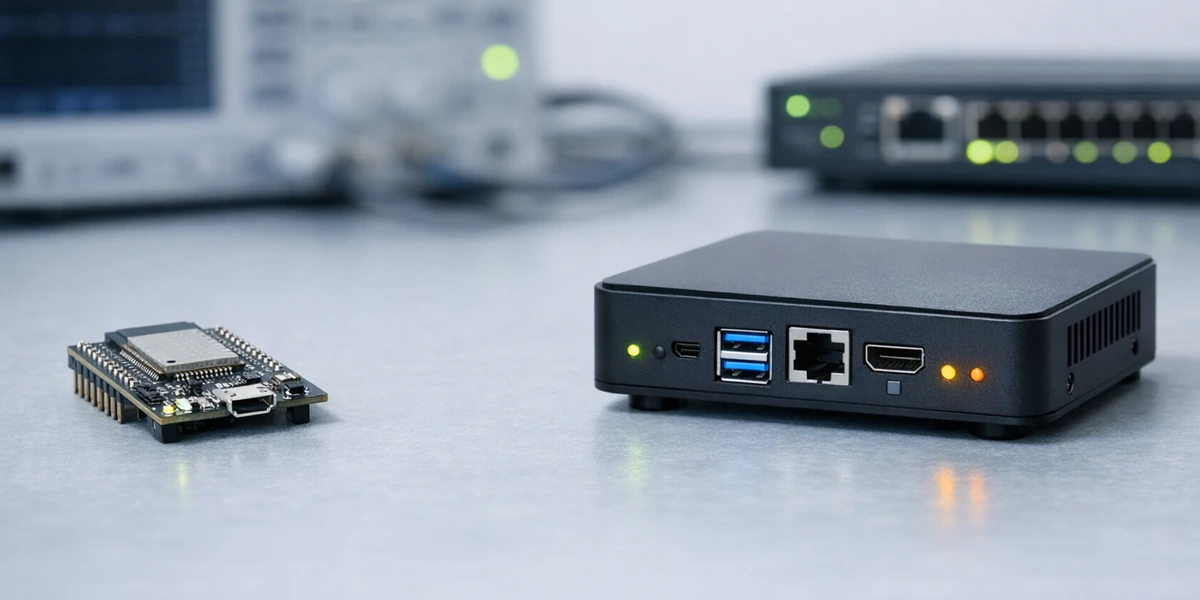
The hard part of Edge AI OTA is not pushing a new package. It is designing staged rollout, rollback, and remote recovery for devices whose firmware, model, and configuration evolve together. This article explains how to do it from ESP32 to RK3566.
Contact us and our experts will get back to you with more ideas.