
Uncover the Latest in AI and IoT
Highlight cutting-edge IoT technologies, AI advancements, and practical applications. Include open-source libraries and development tools to provide value to tech-savvy readers.
ZedIoT Blogs

The difference between AIHub-Z3 and AIHub-Z5 is not only RK3566 vs RK3588. It includes NPU capacity, peripheral expansion, operating environment, display output, and long-term maintenance boundaries.

Choosing ZigBee or Wi-Fi for smart freezer temperature controllers depends on cabinet density, network ownership, gateway cost, remote operations, and future sensor expansion. This guide explains the real deployment boundary.

Legacy device upgrades should not start by buying one all-in-one product. Start by identifying whether the project lacks device connectivity, edge processing, platform operations, or business-system integration, then combine serial converters, AIHub edge boxes, and the ZedIoT IoT platform accordingly.
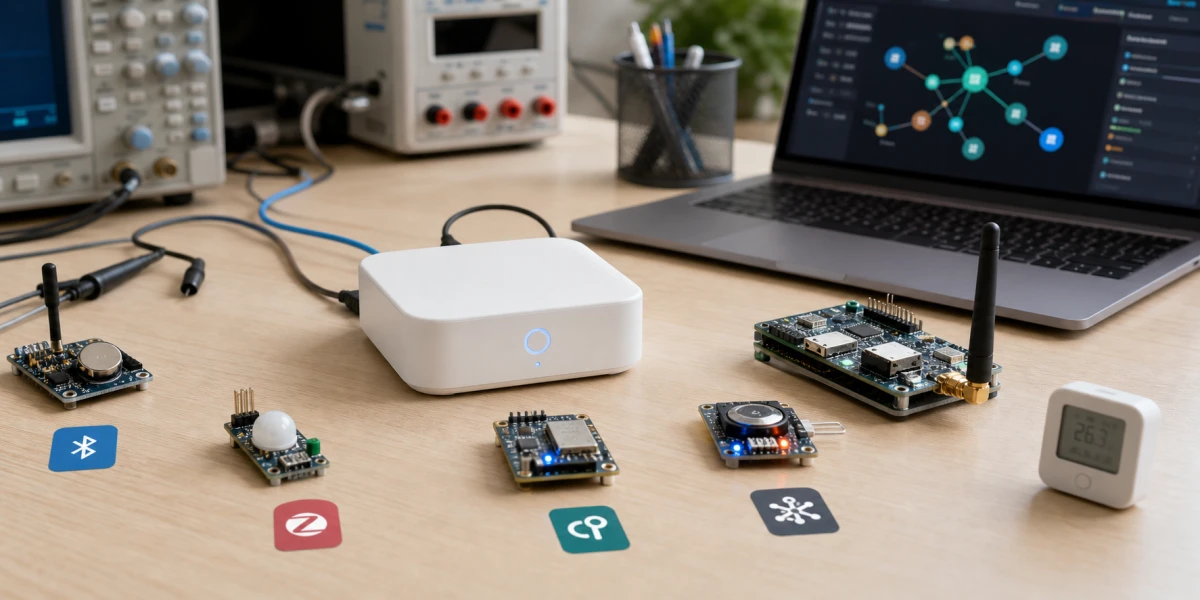
A Tuya gateway is not just a multi-protocol radio box. It is the boundary for sub-device lifecycle, DP semantics, protocol translation, online state, and cloud synchronization across BLE, Zigbee, Thread, and Matter devices.

LangGraph is a strong fit for AI agent workflows that need explicit state, loops, human review, checkpoint recovery, and observability. For one-shot answers, fixed API calls, or simple automation flows, function calling or lightweight workflow tools are usually simpler.
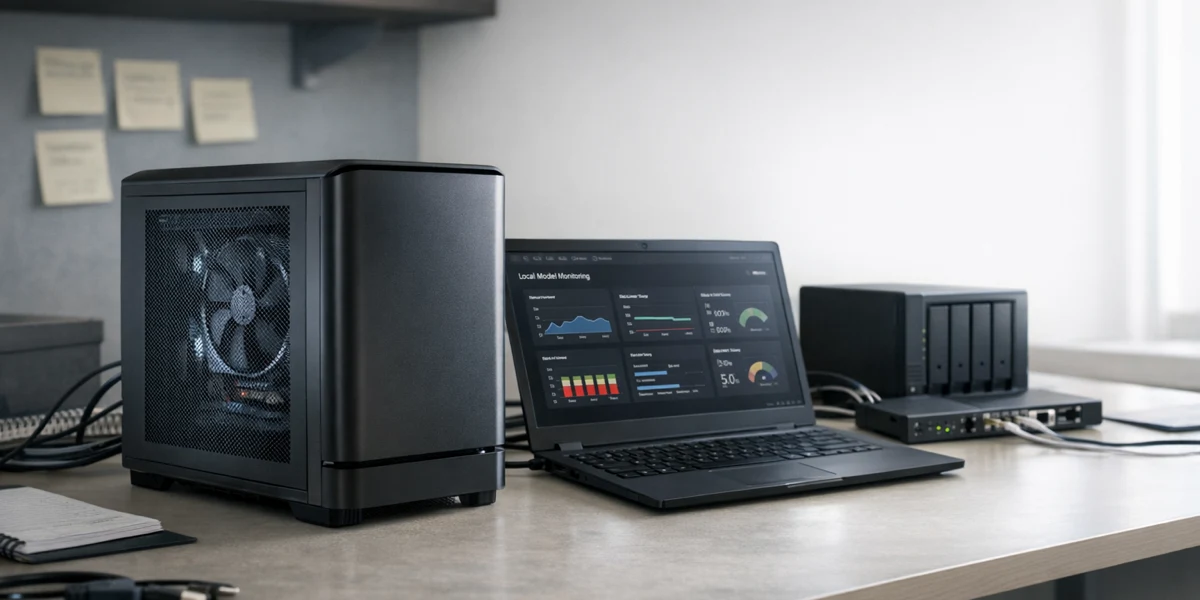
Ollama is useful for local prototypes, private knowledge-base validation, offline assistants, and low-concurrency edge inference, but it should not be treated as a full enterprise model platform by default.

Enterprise AI toolchains should be chosen by task chain, not tool popularity. OpenAI, Dify, Ollama, YOLO, and FunASR belong to different layers: model capability, workflow orchestration, local inference, vision, and speech recognition.

Home Assistant Voice should not be framed as simply local versus cloud. Wake word, speech-to-text, intent handling, text-to-speech, and device execution each have different latency, privacy, reliability, and maintenance tradeoffs.
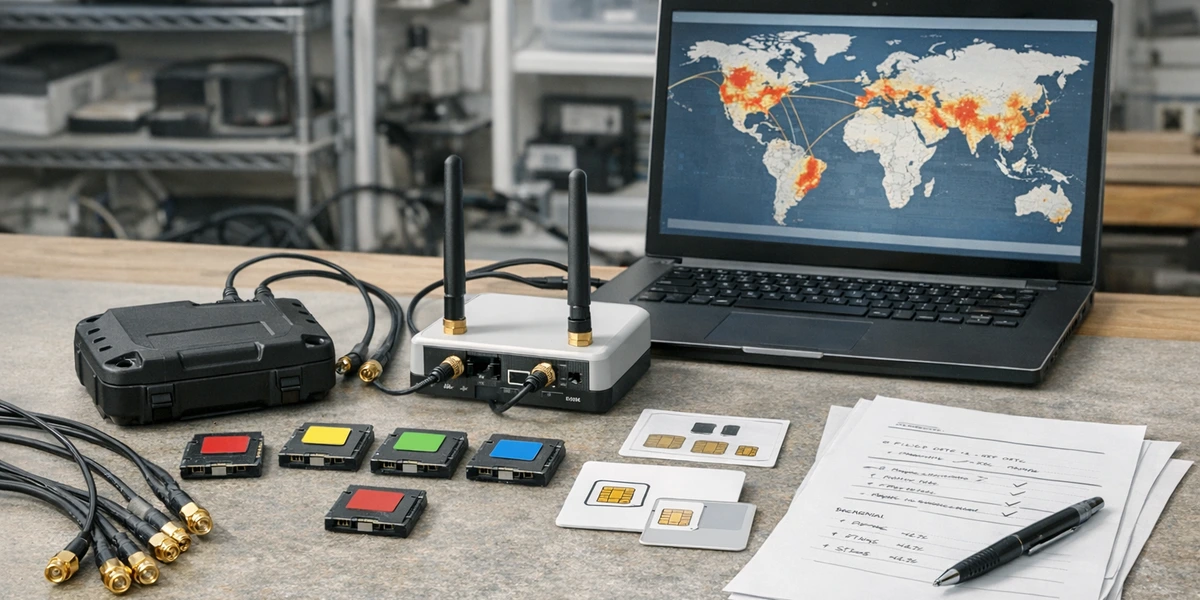
LTE-M, NB-IoT, and Cat-1 bis should not be selected by module price alone. Global IoT rollouts must evaluate coverage, mobility, FOTA, power behavior, module certification, roaming, and operator support.

A Thread Border Router topology for Home Assistant should start with one manageable preferred Thread network, known credentials, reachable Matter Server, IPv6/mDNS, and a clear local network boundary. More border routers help only after that boundary is stable.
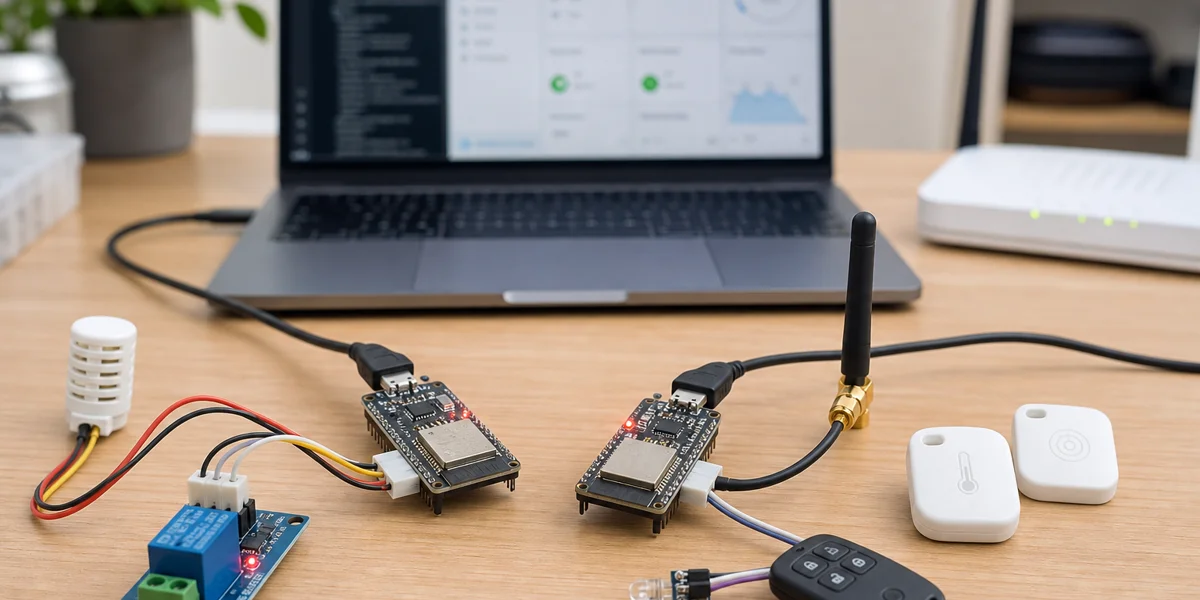
ESPHome is usually the better fit for declarative ESP32 device nodes, sensors, relays, and Home Assistant native integration. OpenMQTTGateway is a better fit for BLE, 433 MHz, IR, and other passive signals that should be collected into MQTT. This article compares the control model, protocol coverage, maintenance cost, and limits.
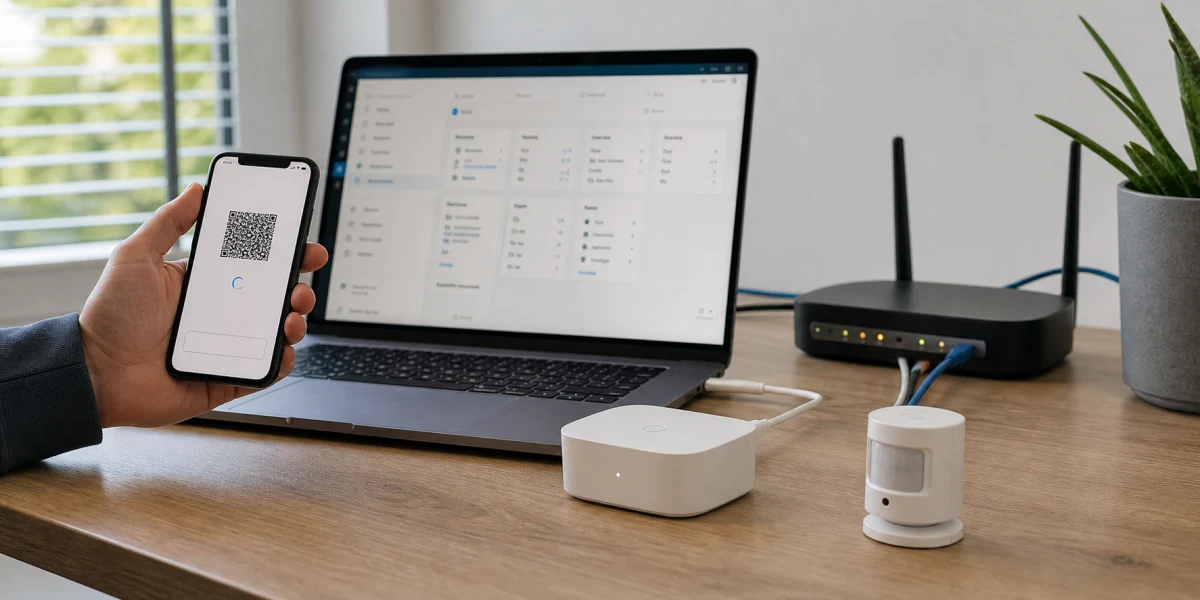
Matter over Thread failures in Home Assistant are usually not caused by a broken device. They often come from a broken path between the phone, Matter Server, Thread Border Router, IPv6/mDNS discovery, Thread credentials, and the final Matter fabric.

Tuya Webhook vs Pulsar is not only an API choice. It is a trade-off across event reliability, replay, fan-out, consumer scaling, and operational complexity for IoT event synchronization.

AG-UI is valuable in IoT dashboards when it makes agent state, evidence, command proposals, human confirmation, execution failure, rollback, and audit events visible without replacing the backend IoT control plane.
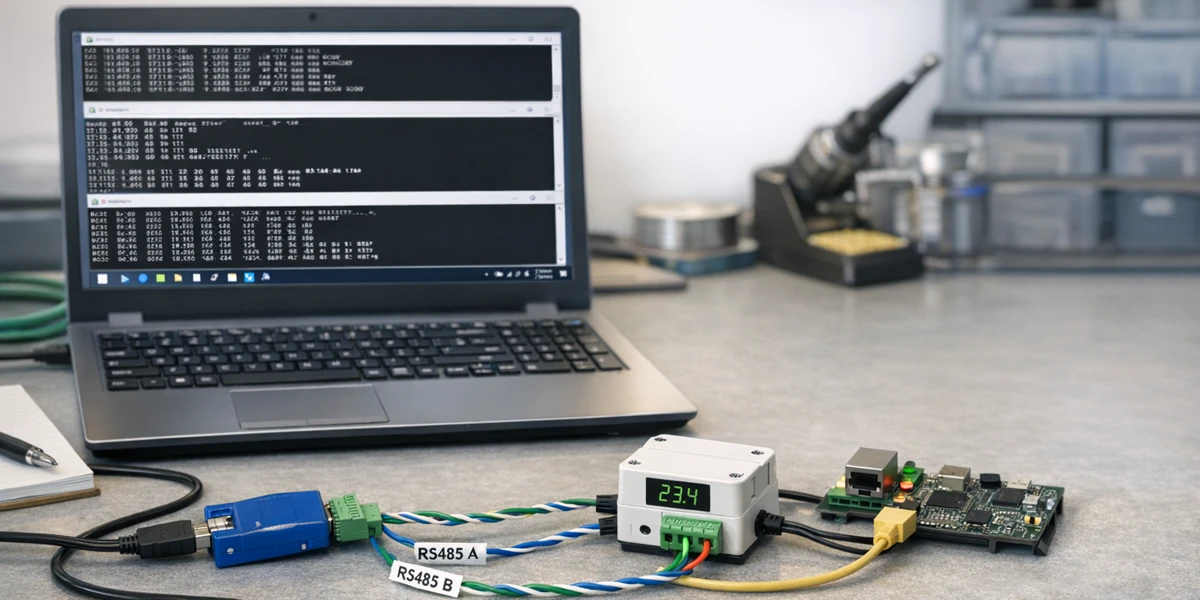
NetAssist, CoolTerm, and Modbus Poll should not be chosen by popularity. Use CoolTerm for raw serial visibility, NetAssist-style tools for TCP/UDP and packet checks, and Modbus Poll for register-level validation.
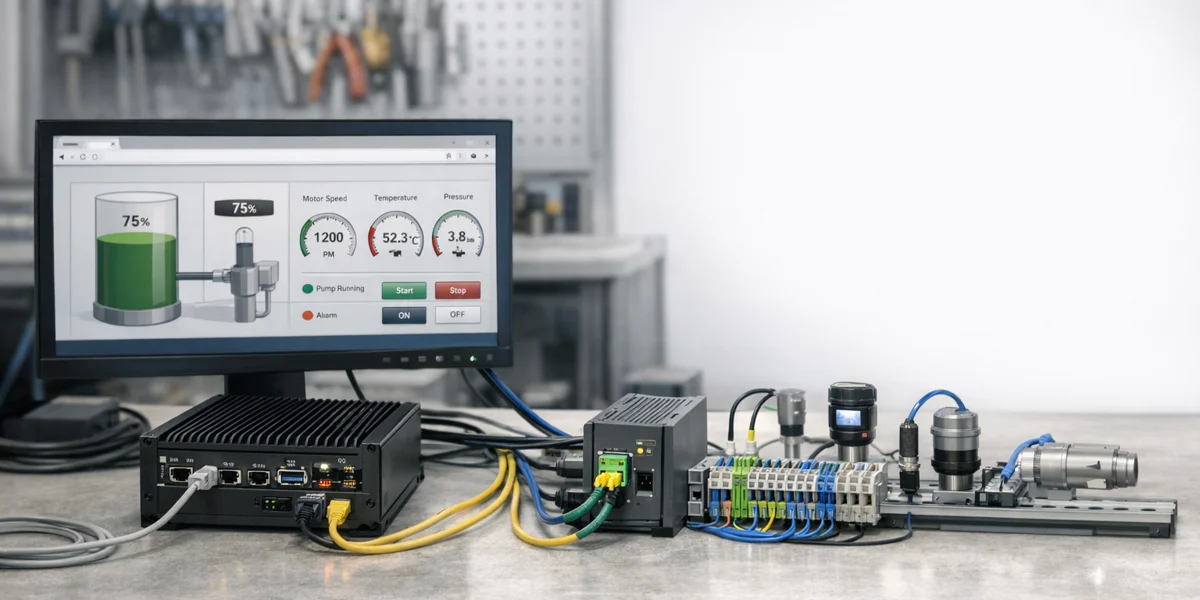
FUXA, Node-RED, and Modbus can form a practical open-source SCADA prototype stack for HMI screens, data collection, and lightweight automation, but production SCADA still needs governance around permissions, redundancy, alarms, audit, and operations.
Contact us and our experts will get back to you with more ideas.