

Blogs

Building the Future: A Comprehensive Guide to AI Application Development

In an era where digital transformation is reshaping every aspect of business and society, artificial intelligence (AI) stands out as a transformative force. The ability to develop AI applications has become a crucial skill for businesses and developers aiming to innovate and stay ahead in a competitive market. AI application development involves creating software that can mimic human intelligence, learning from data, making decisions, and even predicting future trends. This blog will serve as a comprehensive guide to AI application development, exploring its significance, essential steps, best practices, and future trends.

AI is not just a buzzword; it’s a technology that is deeply embedded in various industries, from healthcare and finance to retail and manufacturing. The development of AI applications enables businesses to automate processes, gain insights from large datasets, enhance customer experiences, and create new revenue streams. As we look towards the future, understanding how to build AI applications effectively will be a key differentiator for businesses aiming to thrive in the digital age.

Understanding AI Application Development

Defining AI Application Development

AI application development refers to the process of creating software solutions that can perform tasks traditionally requiring human intelligence. These tasks include learning from data, recognizing patterns, making decisions, understanding natural language, and even generating creative content. The development of AI applications typically involves a combination of machine learning (ML), deep learning, natural language processing (NLP), and other AI-related technologies.

At its core, AI application development focuses on building systems that can adapt and improve over time. Unlike traditional software, which follows a set of predefined rules, AI applications are designed to learn from experience. This learning process allows AI systems to handle complex tasks, such as image recognition or speech synthesis, with a level of accuracy and efficiency that would be impossible with conventional programming methods.

Key Components of AI Applications

AI applications are built on several foundational components that work together to enable intelligent behavior. Understanding these components is essential for anyone involved in AI development:

  1. Data Collection and Preparation: Data is the lifeblood of AI applications. To build an effective AI model, you need access to large, high-quality datasets that are relevant to the problem you are trying to solve. Data collection involves gathering this information from various sources, such as databases, APIs, or sensors. Once collected, the data must be cleaned and preprocessed to ensure it is suitable for use in training AI models.
  2. Model Development: At the heart of any AI application is the model—a mathematical representation of the relationships within the data. Model development involves selecting the appropriate algorithm (e.g., decision trees, neural networks, support vector machines) and training it on the prepared data. This process requires significant computational resources and expertise in machine learning techniques.
  3. Training and Validation: Training an AI model involves feeding it data and adjusting its parameters to minimize errors. This is typically done using a technique called backpropagation in neural networks. After training, the model is validated using a separate dataset to ensure it generalizes well to new, unseen data.
  4. Deployment: Once the model is trained and validated, it needs to be deployed into a production environment where it can be used to make real-time decisions. Deployment involves integrating the AI model with other systems, such as databases, APIs, and user interfaces.
  5. Monitoring and Maintenance: AI applications require ongoing monitoring to ensure they continue to perform well. This involves tracking the model’s accuracy, retraining it with new data as needed, and making adjustments to account for changing conditions.

Steps in AI Application Development

Identifying Business Needs

The first step in AI application development is to identify the specific business needs that the AI solution will address. This involves understanding the problem you are trying to solve and how AI can provide a solution. For example, a retail company might use AI to optimize inventory management, while a healthcare provider might develop an AI application to assist in diagnosing diseases.

Identifying business needs requires collaboration between technical teams and business stakeholders. It’s essential to ensure that the AI application aligns with the company’s strategic goals and delivers measurable value. This step also involves assessing the feasibility of the AI project, including the availability of data, the complexity of the problem, and the potential return on investment.

Choosing the Right AI Tools and Frameworks

Selecting the appropriate tools and frameworks is critical to the success of an AI project. The choice of tools will depend on the specific requirements of the project, such as the type of data being used, the complexity of the model, and the deployment environment.

Some of the most popular AI development tools and frameworks include:

  • TensorFlow: An open-source machine learning framework developed by Google, TensorFlow is widely used for building and deploying AI models. It supports a range of applications, from image recognition to natural language processing.
  • PyTorch: Developed by Facebook, PyTorch is another popular open-source machine learning framework. It is known for its flexibility and ease of use, making it a favorite among researchers and developers.
  • Scikit-learn: A Python library that provides simple and efficient tools for data mining and data analysis. Scikit-learn is ideal for beginners and is often used for smaller projects or as a starting point for more complex AI applications.
  • Keras: A high-level neural networks API, Keras is designed to enable fast experimentation with deep learning models. It is user-friendly and can run on top of TensorFlow, making it a great choice for developers new to AI.

Choosing the right tools and frameworks also involves considering the scalability of the solution, the ease of integration with existing systems, and the availability of community support and documentation.

Data Collection and Preparation

Data collection and preparation are critical steps in AI application development. The quality and quantity of data directly impact the performance of the AI model. Therefore, it’s essential to gather data that is accurate, relevant, and representative of the problem you are trying to solve.

The data preparation process involves several key tasks:

  • Data Cleaning: Removing any errors, inconsistencies, or duplicates from the data. This step is crucial to ensure that the model is trained on clean, high-quality data.
  • Data Transformation: Converting the data into a format that can be used by the AI model. This might involve normalizing numerical values, encoding categorical variables, or creating new features.
  • Data Augmentation: In some cases, it may be necessary to augment the data to improve the model’s performance. This could involve generating new data points through techniques like oversampling or creating synthetic data using algorithms like SMOTE (Synthetic Minority Over-sampling Technique).
  • Data Splitting: Dividing the dataset into training, validation, and test sets. This allows you to train the model on one set of data, validate its performance on another, and test its generalization on a third set.

Effective data collection and preparation set the foundation for successful AI application development. It ensures that the model is trained on data that accurately represents the real-world scenarios it will encounter.

Model Development and Training

Developing AI Models

Model development is the heart of AI application development. It involves creating a mathematical representation of the problem that your application is trying to solve. The model learns patterns from data and applies these patterns to make predictions or decisions. The choice of model depends on the type of data, the complexity of the task, and the desired outcome.

There are several types of AI models, each suited for different tasks:

  • Linear Models: Suitable for tasks where the relationship between inputs and outputs is linear. Examples include linear regression and logistic regression.
  • Decision Trees: Ideal for classification and regression tasks where data can be split based on certain conditions. Decision trees are easy to interpret but may not perform well with very complex data.
  • Neural Networks: Used for more complex tasks such as image and speech recognition. Neural networks consist of layers of interconnected nodes (neurons) that process data through nonlinear transformations.

The table below provides a quick comparison of different AI models based on their complexity, use cases, and performance:

Model TypeComplexityUse CasesPerformance
Linear ModelsLowPredictive analysis, trendsHigh for simple tasks
Decision TreesMediumClassification, regressionGood, may overfit
Neural NetworksHighImage recognition, NLPExcellent, needs tuning

Training AI Models

Once a model is developed, it needs to be trained on historical data to learn the underlying patterns. Training involves feeding the model with a dataset where the input features are known and the correct output is provided (supervised learning). The model uses this data to adjust its parameters and minimize the error between its predictions and the actual outcomes.

Training an AI model can be resource-intensive, requiring significant computational power, especially for large datasets or complex models like deep neural networks. Training typically involves the following steps:

  1. Initialization: The model’s parameters are set to initial values.
  2. Forward Propagation: Input data is passed through the model to generate predictions.
  3. Loss Calculation: The difference between the model’s predictions and the actual outcomes is calculated using a loss function.
  4. Backpropagation: The model’s parameters are adjusted to reduce the loss, a process repeated iteratively until the model converges.

The effectiveness of model training is measured by its ability to generalize from the training data to new, unseen data. This is why after training, the model is validated on a separate dataset (validation set) to ensure it performs well beyond just memorizing the training data.

Validation and Evaluation Metrics

Validation is crucial in AI model development to ensure the model’s accuracy and reliability before it is deployed. Several evaluation metrics are used depending on the type of problem:

  • Accuracy: The ratio of correct predictions to the total number of predictions. Commonly used in classification tasks.
  • Precision and Recall: Precision is the number of true positive results divided by the number of all positive results, while recall is the number of true positive results divided by the number of positives that should have been retrieved. These are critical in imbalanced datasets.
  • F1 Score: The harmonic mean of precision and recall, providing a balance between the two.
  • Mean Squared Error (MSE): Used in regression tasks, it measures the average squared difference between the predicted and actual values.

Deployment and Integration

Deploying AI Models

Deployment is the phase where the AI model is moved from a development environment to a production environment. The model is integrated with the business’s existing systems, where it can begin making real-time predictions and decisions. Deployment involves several key considerations:

  • Infrastructure: Determine whether the AI model will be deployed on-premises, in the cloud, or in a hybrid environment. Each option has its own benefits and challenges in terms of scalability, cost, and control.
  • Scalability: The model should be able to handle an increasing number of predictions without degradation in performance. Cloud platforms like AWS, Google Cloud, and Azure offer scalable environments for deploying AI models.
  • Integration: The model needs to be integrated with other systems, such as databases, APIs, and front-end applications, to ensure it receives input data and returns outputs seamlessly.

Continuous Monitoring and Maintenance

Even after deployment, the AI model’s job is not done. Continuous monitoring is essential to ensure that the model performs as expected over time. This includes:

  • Performance Tracking: Regularly monitor key performance metrics to detect any drop in accuracy or efficiency. This is crucial because the data distribution may change over time, leading to model drift.
  • Retraining: The model may need to be retrained periodically with new data to adapt to changing conditions. This is especially important in dynamic environments where trends and patterns evolve rapidly.
  • Error Handling: Implementing mechanisms to handle errors and unexpected outputs is vital to maintaining trust in the AI system. This could involve setting up alerts for anomalies or implementing fallback processes.

Best Practices and Challenges in AI Application Development

Best Practices in AI Application Development

Ethical AI Development

Ethical considerations are paramount in AI application development. As AI systems are increasingly integrated into decision-making processes, developers must ensure that these systems operate fairly, transparently, and without bias. Here are some key practices for ethical AI development:

  • Bias Mitigation: AI models can inadvertently learn and replicate biases present in the training data. It is essential to implement bias detection and correction mechanisms during model training to ensure fairness across all demographics.
  • Transparency: AI systems should be designed to provide clear explanations of their decision-making processes. This is particularly important in sensitive applications such as healthcare or criminal justice, where transparency can build trust and accountability.
  • Data Privacy: Respecting user privacy is critical. AI developers should comply with data protection regulations (such as GDPR) and implement strong data encryption and anonymization techniques to safeguard sensitive information.

Ensuring Scalability and Performance

As AI applications are deployed in production environments, they must be able to scale to meet growing demands. This requires careful planning during the development phase to ensure that the system can handle increased workloads without compromising performance:

  • Modular Architecture: Designing AI applications with a modular architecture allows for easier scaling. Each component can be scaled independently based on the demand, improving overall system efficiency.
  • Cloud Infrastructure: Leveraging cloud platforms like AWS, Google Cloud, or Microsoft Azure provides flexible, scalable infrastructure for AI applications. These platforms offer services that automatically scale resources based on real-time demand.
  • Load Balancing: Implementing load balancing ensures that the AI application distributes workloads evenly across servers, preventing any single point of failure and maintaining optimal performance under heavy traffic.

Continuous Monitoring and Maintenance

After deployment, AI applications require continuous monitoring to maintain their effectiveness. This ongoing process involves several key activities:

  • Performance Monitoring: Regularly track the performance of the AI model using key metrics such as accuracy, precision, recall, and response time. Monitoring tools can automate this process, alerting developers to any significant deviations from expected performance.
  • Model Retraining: The accuracy of AI models can degrade over time as new data becomes available or as the underlying data distribution changes (a phenomenon known as model drift). Regular retraining with updated data ensures that the model remains accurate and relevant.
  • Error Handling and Logging: Implement robust error handling mechanisms to manage unexpected behaviors or failures. Comprehensive logging provides insights into system operations, facilitating troubleshooting and continuous improvement.

Challenges in AI Application Development

Data Privacy and Security

One of the most significant challenges in AI application development is ensuring data privacy and security. AI systems often require vast amounts of data, including sensitive personal information, which must be protected from breaches and misuse:

  • Secure Data Handling: Implement strong encryption, secure data storage solutions, and strict access controls to protect data at rest and in transit.
  • Compliance with Regulations: Stay updated with data protection regulations such as GDPR, HIPAA, and CCPA to ensure compliance. Non-compliance can lead to legal consequences and loss of customer trust.
  • Anonymization and Pseudonymization: Apply techniques like anonymization and pseudonymization to remove identifiable information from datasets, reducing the risk of exposing personal data.

Overcoming Technical Barriers

Developing AI applications involves several technical challenges that can hinder progress if not adequately addressed:

  • Computational Resources: AI models, particularly deep learning models, require substantial computational power for training and inference. Access to high-performance computing resources, such as GPUs or TPUs, is essential for efficient development.
  • Model Interpretability: Many advanced AI models, especially deep neural networks, operate as “black boxes,” making it difficult to understand how they arrive at specific decisions. Techniques like LIME (Local Interpretable Model-agnostic Explanations) and SHAP (SHapley Additive exPlanations) can help make models more interpretable.
  • Data Quality and Availability: High-quality, labeled data is often scarce, making it challenging to train accurate AI models. Data augmentation techniques and synthetic data generation can help mitigate this issue, but they require careful implementation to avoid introducing biases.

Adapting to Rapid Technological Changes

The AI landscape is evolving at a breakneck pace, with new tools, frameworks, and algorithms emerging regularly. Keeping up with these changes is essential for maintaining a competitive edge:

  • Continuous Learning and Development: Developers must commit to lifelong learning, regularly updating their skills and knowledge to stay current with the latest advancements in AI technology.
  • Adopting New Technologies: Be open to adopting new tools and techniques that can enhance AI application development. This might include transitioning to more efficient frameworks, integrating AI with emerging technologies like IoT or blockchain, or experimenting with new model architectures.

Future Trends in AI Application Development

AI in Emerging Technologies

AI is increasingly being integrated with other emerging technologies, creating new opportunities and challenges:

  • AI and IoT: The combination of AI and the Internet of Things (IoT) is enabling smarter, more autonomous systems. AI can analyze data from IoT devices in real-time, enabling predictive maintenance, smart cities, and more efficient supply chains.
  • AI and Blockchain: Integrating AI with blockchain technology can enhance data security and transparency. For example, blockchain can be used to securely store AI model parameters, ensuring they are tamper-proof and traceable.
  • AI and 5G: The rollout of 5G networks will accelerate the deployment of AI applications, particularly in areas requiring low latency and high-speed data transfer, such as autonomous vehicles and remote healthcare.

The Role of AI in Automation and Autonomous Systems

AI is playing an increasingly central role in automating business processes and developing autonomous systems:

  • Process Automation: AI-powered robotic process automation (RPA) is streamlining business operations by automating repetitive tasks, reducing costs, and improving efficiency.
  • Autonomous Vehicles: AI is the driving force behind the development of autonomous vehicles, with applications ranging from self-driving cars to drones and robotic delivery systems.
  • Smart Manufacturing: AI is transforming manufacturing processes through predictive analytics, quality control, and supply chain optimization, leading to more efficient and flexible production systems.

Preparing for the Future of AI

To stay competitive, businesses and developers must prepare for the future of AI by:

  • Investing in AI Talent: Building a skilled workforce with expertise in AI is crucial for staying ahead of the curve. This involves not only hiring experts but also upskilling current employees.
  • Experimenting with New AI Techniques: Encourage innovation by experimenting with cutting-edge AI techniques and models. This could involve exploring unsupervised learning, reinforcement learning, or generative models.
  • Fostering Collaboration: Collaborate with other organizations, research institutions, and AI communities to share knowledge, resources, and best practices.

The journey from concept to deployment in AI application development is complex and multifaceted, requiring a blend of technical expertise, ethical considerations, and strategic foresight. By following best practices, addressing challenges head-on, and staying attuned to emerging trends, businesses can harness the full potential of AI to drive innovation, enhance efficiency, and secure a competitive advantage in the digital age.

As AI continues to evolve, the key to success will lie in the ability to adapt, innovate, and implement AI solutions that are not only powerful but also ethical, scalable, and aligned with the needs of the business and society. The future of AI application development is bright, and those who master its intricacies today will be the leaders of tomorrow’s technological revolution.

From Efficiency Gains to Strategic Innovation: Exploring the Present and Future Value of Enterprise IoT

In today’s rapidly evolving business landscape, the integration of the Internet of Things (IoT) has become a transformative force, particularly within the realm of enterprise operations. The concept of Enterprise IoT (EIoT) revolves around embedding smart devices, sensors, and data analytics into business processes to drive operational efficiency, optimize workflows, and create new avenues for growth. As we stand on the brink of even greater technological advancements, it is crucial to explore not only the current impact of EIoT but also its potential to drive strategic innovation in the future.

The journey of Enterprise IoT began with the promise of enhancing efficiency—streamlining operations, reducing costs, and improving decision-making processes through real-time data insights. However, as businesses continue to embrace IoT technologies, the focus is gradually shifting from mere efficiency gains to more strategic, long-term innovations that can reshape industries and redefine business models. This blog will delve into how Enterprise IoT is delivering value today and explore the future prospects that could unlock unprecedented opportunities for enterprises across various sectors.

The Current State of Enterprise IoT

Enhancing Operational Efficiency

At its core, the immediate value of Enterprise IoT lies in its ability to significantly enhance operational efficiency. Businesses are increasingly deploying IoT solutions to automate processes that were once manual and time-consuming, thereby freeing up human resources for more strategic tasks. For instance, in the manufacturing sector, IoT-enabled sensors are used to monitor machinery in real-time, providing data on performance, wear, and potential failures. This data-driven approach not only minimizes downtime through predictive maintenance but also optimizes the entire production process by ensuring that machinery is operating at peak efficiency.

Similarly, in logistics and supply chain management, IoT technologies have revolutionized the way goods are tracked and managed. Real-time tracking systems allow companies to monitor the location and condition of their shipments at every stage of the supply chain. This level of visibility reduces the risk of delays, spoilage, and losses, ultimately leading to more efficient inventory management and cost savings. In retail, IoT-powered inventory systems provide real-time insights into stock levels, enabling businesses to optimize their supply chains, reduce overstocking, and prevent stockouts, thus improving both customer satisfaction and profitability.

Real-World Examples

To better understand the current impact of Enterprise IoT, it’s helpful to consider specific examples from different industries. Take the automotive industry, for example, where EIoT is being used to monitor fleet vehicles. Companies like UPS have implemented IoT-based fleet management systems that track vehicle performance, optimize routes, and predict maintenance needs. This has resulted in significant fuel savings, reduced vehicle downtime, and more efficient delivery schedules.

In the healthcare sector, IoT devices are being used for remote patient monitoring, allowing healthcare providers to track vital signs and other health metrics in real-time. This not only improves patient care by enabling early detection of potential health issues but also reduces the need for in-person visits, thereby lowering healthcare costs. Additionally, IoT is being used to manage medical equipment more effectively, ensuring that devices are properly maintained and available when needed.

In agriculture, IoT solutions such as smart irrigation systems and soil sensors are helping farmers optimize water usage, monitor crop health, and increase yields. These technologies are not only enhancing efficiency but also contributing to more sustainable farming practices.

Key Benefits of Enterprise IoT Today

Automation and Process Optimization

One of the most significant benefits of Enterprise IoT is the ability to automate routine tasks that were traditionally manual. By deploying IoT sensors and connected devices, businesses can gather data from various sources, process it in real-time, and trigger automated responses based on predefined criteria. This automation reduces the need for human intervention in day-to-day operations, allowing employees to focus on more strategic initiatives.

For example, in smart buildings, IoT sensors can monitor environmental conditions such as temperature, humidity, and occupancy levels. Based on this data, the building’s management system can automatically adjust heating, ventilation, and air conditioning (HVAC) systems to optimize energy usage, resulting in significant cost savings and improved comfort for occupants.

In industrial settings, process optimization through IoT is critical for maintaining competitive advantage. IoT solutions enable continuous monitoring and fine-tuning of production processes, ensuring that operations run smoothly and efficiently. For instance, in oil and gas production, IoT sensors are used to monitor equipment performance and environmental conditions in real-time. This data is then used to optimize extraction processes, minimize environmental impact, and reduce operational costs.

Improved Decision-Making

Enterprise IoT also plays a crucial role in enhancing decision-making processes within organizations. By providing real-time data from various operational areas, IoT enables businesses to make informed decisions quickly and accurately. This real-time insight is particularly valuable in industries where conditions can change rapidly, such as manufacturing, logistics, and energy.

For instance, in the energy sector, IoT devices are used to monitor energy consumption across large facilities. By analyzing this data, companies can identify patterns and trends, allowing them to make data-driven decisions about energy usage and conservation measures. This not only leads to cost savings but also supports sustainability initiatives by reducing overall energy consumption.

In retail, IoT analytics tools can analyze customer behavior in real-time, providing insights into shopping patterns, preferences, and trends. Retailers can use this information to make strategic decisions about product placement, pricing, and promotions, ultimately driving sales and enhancing the customer experience.

Cost Reduction

Another significant advantage of Enterprise IoT is its potential for cost reduction. By optimizing processes and improving resource management, IoT solutions can lead to substantial savings across various areas of the business. Predictive maintenance, for example, is a key area where IoT can reduce costs by preventing equipment failures before they occur, thereby avoiding costly repairs and unplanned downtime.

In addition to maintenance savings, IoT can also reduce energy costs through smart energy management systems. These systems monitor and control energy usage in real-time, identifying inefficiencies and making adjustments automatically to optimize consumption. This not only lowers energy bills but also reduces the environmental footprint of the business.

Moreover, IoT can help businesses reduce costs associated with inventory management. By providing real-time visibility into inventory levels and movement, IoT solutions enable businesses to optimize their stock levels, reducing the need for excess inventory and minimizing the risk of stockouts. This leads to lower storage costs and more efficient use of capital.

The Future Value of Enterprise IoT: Driving Strategic Innovation

As Enterprise IoT (EIoT) continues to establish itself as a cornerstone of modern business operations, the focus is gradually shifting from immediate efficiency gains to long-term strategic innovation. The future of EIoT lies in its ability to unlock new business models, create revenue streams, and provide deeper insights through advanced analytics and integration with emerging technologies like artificial intelligence (AI) and machine learning (ML). In this section, we will explore how EIoT is poised to drive transformative innovation across various industries, setting the stage for unprecedented growth and competitive advantage.

Strategic Innovation and New Business Models

Creating New Revenue Streams

One of the most exciting prospects of EIoT in the future is its potential to create entirely new revenue streams for businesses. As IoT devices continue to proliferate, the data they generate becomes increasingly valuable. Companies can leverage this data to develop new products and services tailored to the specific needs and preferences of their customers. For instance, manufacturers might offer predictive maintenance services as an additional offering to their customers, ensuring machinery is serviced before breakdowns occur, thus adding value beyond the initial sale of the equipment.

In the automotive industry, EIoT is enabling the development of new business models such as Mobility-as-a-Service (MaaS). By integrating IoT with vehicle fleets, companies can offer subscription-based services where customers pay for access to transportation on demand, rather than owning vehicles. This model not only provides a steady revenue stream but also allows companies to gather valuable data on user behavior, which can be used to further refine and personalize services.

Innovative Use Cases

EIoT is also paving the way for innovative use cases that were previously unimaginable. In smart cities, for example, IoT networks can monitor and manage everything from traffic flow to energy consumption, enabling city planners to optimize urban environments for efficiency and sustainability. This kind of large-scale IoT deployment could lead to the development of new business opportunities related to smart infrastructure, energy management, and public safety.

In the retail sector, the future of EIoT could involve highly personalized shopping experiences where IoT devices track customer preferences and behaviors in real-time. Retailers could use this data to offer personalized promotions, streamline the checkout process, and even adjust store layouts dynamically based on shopper traffic patterns. Such innovations not only enhance customer satisfaction but also open up new avenues for revenue generation.

Deep Integration and AI Synergy

The Role of AI in Enhancing IoT Capabilities

As IoT devices generate massive amounts of data, the role of AI and ML in analyzing and extracting insights from this data becomes increasingly critical. The integration of AI with IoT—often referred to as AIoT—allows businesses to automate complex processes, predict outcomes, and make decisions with unprecedented accuracy.

For example, in the manufacturing industry, AI algorithms can analyze data from IoT sensors to predict equipment failures before they happen, enabling predictive maintenance that minimizes downtime and reduces costs. Similarly, in logistics, AI-driven IoT systems can optimize delivery routes in real-time based on traffic conditions, weather forecasts, and other variables, ensuring timely deliveries while reducing fuel consumption.

Enhanced Predictive Analytics

The synergy between AI and IoT also enables enhanced predictive analytics, allowing businesses to anticipate trends, behaviors, and potential disruptions before they occur. In financial services, for instance, IoT devices could be used to monitor the physical environment of ATMs, combined with AI to predict and prevent potential security breaches or machine failures. This proactive approach not only reduces operational risks but also enhances customer trust and satisfaction.

In healthcare, AIoT can transform patient care by predicting health issues before they become critical. Wearable IoT devices can continuously monitor a patient’s vital signs, and AI algorithms can analyze this data to detect early warning signs of conditions such as heart disease or diabetes. This early detection allows for timely intervention, improving patient outcomes and reducing healthcare costs.

Customization and Personalization

Tailored IoT Solutions for Businesses

As the IoT ecosystem matures, businesses will increasingly demand customized IoT solutions that meet their specific needs. This trend towards personalization is driven by the realization that a one-size-fits-all approach to IoT implementation is often inadequate for addressing the unique challenges and opportunities faced by different industries.

For example, in the retail industry, IoT solutions could be tailored to provide detailed insights into customer preferences and behaviors, enabling retailers to personalize marketing efforts and product offerings. In manufacturing, IoT systems could be customized to optimize specific production processes, taking into account factors such as machine age, usage patterns, and environmental conditions.

Enhancing Customer Experiences

The ability to deliver highly personalized customer experiences will be a key differentiator for businesses in the future. IoT-enabled personalization can extend beyond product recommendations to include tailored customer service, predictive maintenance alerts, and personalized marketing campaigns.

In the automotive industry, for instance, IoT devices can monitor driving habits and vehicle performance, allowing manufacturers to offer personalized maintenance schedules and driving tips. Additionally, vehicles could be equipped with IoT-enabled infotainment systems that learn the driver’s preferences and adjust settings such as seat position, climate control, and music selection automatically.

In hospitality, IoT can be used to create personalized guest experiences by adjusting room settings, offering customized services, and providing real-time recommendations for activities and dining options based on the guest’s preferences and past behaviors. This level of personalization not only enhances the guest experience but also fosters customer loyalty and repeat business.

The Road Ahead: Challenges and Opportunities

Security and Privacy Concerns

As the adoption of EIoT accelerates, security and privacy concerns will become increasingly prominent. The sheer volume of data generated by IoT devices, combined with the interconnected nature of IoT ecosystems, creates a large attack surface for cyber threats. Businesses must prioritize IoT security by implementing robust encryption, secure authentication methods, and regular software updates to protect sensitive data from breaches and unauthorized access.

In addition to cybersecurity, privacy concerns related to the collection and use of personal data will need to be addressed. As IoT devices become more prevalent in everyday life, ensuring that data is collected, stored, and used in compliance with privacy regulations will be critical for maintaining customer trust.

Scalability and Interoperability

Another challenge that businesses will face as they scale their IoT implementations is ensuring that their systems are both scalable and interoperable. IoT solutions must be able to handle increasing amounts of data and devices without compromising performance or reliability. This requires careful planning and investment in scalable infrastructure, such as cloud computing and edge computing solutions.

Interoperability is also a key consideration, as IoT devices and systems often need to communicate and work together seamlessly. This can be particularly challenging in industries where different manufacturers and vendors use proprietary protocols and standards. To overcome this, businesses may need to adopt open standards and platforms that facilitate interoperability across different IoT devices and systems.

Regulatory Landscape

The regulatory environment surrounding IoT is likely to evolve as the technology becomes more widespread. Governments and regulatory bodies may introduce new regulations to address issues related to data privacy, security, and ethical use of IoT technologies. Businesses will need to stay informed about these developments and ensure that their IoT implementations comply with all relevant regulations.

In conclusion, the future of Enterprise IoT is rich with potential for driving strategic innovation and transforming industries. As businesses continue to leverage IoT for efficiency gains, they must also prepare for the challenges and opportunities that lie ahead. By embracing new business models, integrating AI, and prioritizing security and scalability, companies can unlock the full value of EIoT and position themselves for long-term success in an increasingly connected world.

Preparing for the Future of Enterprise IoT

As the role of Enterprise IoT (EIoT) continues to evolve from a tool for efficiency gains to a catalyst for strategic innovation, businesses must take proactive steps to ensure they are well-positioned to capitalize on the opportunities this technology presents. This final section will outline actionable strategies that organizations can implement to prepare for the future of EIoT, ensuring they remain competitive in an increasingly connected world.

Adapting Current Strategies for Future Success

Investing in Research and Development

To stay ahead of the curve, businesses must prioritize investment in research and development (R&D) to explore new IoT applications and technologies. This includes experimenting with advanced analytics, artificial intelligence, and machine learning to unlock new insights from IoT data. By fostering a culture of innovation, companies can develop proprietary IoT solutions that address specific industry challenges, giving them a competitive edge.

For instance, manufacturers might invest in developing smart factory solutions that leverage IoT and AI to automate production lines, optimize resource allocation, and reduce waste. Similarly, retailers could explore the use of IoT for personalized marketing, using real-time data to tailor promotions and product recommendations to individual customers.

Building IoT Ecosystems and Partnerships

The future of Enterprise IoT will be shaped by the ability of businesses to create and participate in collaborative ecosystems. These ecosystems bring together multiple stakeholders, including technology providers, industry experts, and regulatory bodies, to develop interoperable IoT solutions that benefit all participants.

Businesses should seek to establish partnerships with IoT platform providers, device manufacturers, and software developers to ensure that their IoT solutions are compatible with a wide range of technologies and can be easily integrated into existing systems. This collaborative approach not only enhances the functionality of IoT solutions but also accelerates their adoption by reducing the complexity and cost of implementation.

For example, a logistics company might partner with a cloud provider to develop a scalable IoT platform that supports real-time tracking and predictive analytics across its entire supply chain. By working together, the two companies can create a solution that delivers greater value than either could achieve independently.

Prioritizing Security and Privacy

As IoT adoption grows, so too does the importance of security and privacy. Businesses must implement robust security measures to protect their IoT networks from cyber threats and ensure that data is collected, stored, and used in compliance with relevant regulations.

This includes adopting encryption, secure authentication protocols, and regular software updates to safeguard against vulnerabilities. Additionally, businesses should implement data governance policies that clearly define how IoT data is managed and who has access to it.

Furthermore, as regulations surrounding data privacy and IoT security continue to evolve, businesses must stay informed about changes and ensure that their IoT implementations comply with all applicable laws. This will not only protect the organization from legal repercussions but also help maintain customer trust by demonstrating a commitment to data security and privacy.

Scaling IoT Implementations

As businesses look to expand their IoT deployments, scalability will be a key consideration. IoT solutions must be designed to handle increasing volumes of data and devices without compromising performance. This requires investing in scalable infrastructure, such as cloud computing and edge computing, to support large-scale IoT networks.

In addition to scaling infrastructure, businesses should also consider the scalability of their IoT applications. This means developing solutions that can be easily adapted to new use cases or expanded to support additional devices and data sources. By building flexibility into their IoT solutions, businesses can ensure that they are well-equipped to meet future demands and capitalize on emerging opportunities.

Embracing a Culture of Continuous Improvement

Finally, businesses must adopt a mindset of continuous improvement when it comes to their IoT strategies. This means regularly reviewing and refining IoT implementations to ensure they are delivering maximum value. By continuously monitoring the performance of IoT solutions, businesses can identify areas for improvement and make data-driven decisions about how to optimize their operations.

This approach also involves staying abreast of the latest developments in IoT technology and industry trends. By remaining informed about new innovations and best practices, businesses can quickly adapt their IoT strategies to take advantage of emerging opportunities and address new challenges.

Embracing the Future of Enterprise IoT

The journey from using Enterprise IoT for efficiency gains to leveraging it for strategic innovation is one that requires foresight, adaptability, and a commitment to continuous improvement. As businesses continue to integrate IoT into their operations, the true value of this technology will be realized in its ability to transform industries, create new business models, and drive sustainable growth.

By investing in research and development, building collaborative ecosystems, prioritizing security, and embracing scalability, businesses can position themselves at the forefront of the IoT revolution. As we look to the future, it is clear that those who are able to harness the full potential of Enterprise IoT will be the ones who lead the charge in innovation and redefine the competitive landscape.

In this rapidly evolving technological landscape, the future belongs to the innovators—the businesses that not only adopt IoT but also continuously push the boundaries of what is possible with this transformative technology. Now is the time for organizations to take bold steps, embrace the opportunities presented by Enterprise IoT, and prepare for a future where connectivity and data-driven insights are the cornerstones of success.

Seamless Integration of Solar-Storage-Charging: Technical Implementation and Case Studies for Smart Microgrids

As global demand for clean energy increases, the integration of solar power generation, energy storage, and electric vehicle charging stations is becoming increasingly important in modern energy systems. The seamless integration of these three elements not only improves energy utilization efficiency but also promotes the construction of smart microgrids, enabling distributed energy management and utilization. This article will explore the technical implementation of solar-storage-charging integration in smart microgrids and demonstrate the practical applications and benefits of this integrated system through specific case studies.

I. Technical Architecture of Smart Microgrids

1. The Role of Solar Power Generation Systems in Smart Microgrids

Solar power generation systems are a core component of smart microgrids. By converting solar energy into electricity, solar systems provide renewable energy for microgrids and reduce reliance on traditional fossil fuels. In a smart microgrid architecture, solar systems are typically integrated with storage devices and charging stations to achieve dynamic energy scheduling and efficient utilization.

The key challenge of solar systems lies in their variability and instability; the intensity and duration of sunlight directly affect power generation. Therefore, in smart microgrids, solar systems need to be paired with storage systems to balance supply and demand, and real-time monitoring and regulation through the Energy Management System (EMS) ensure the continuity and stability of power supply.

2. Management Strategies and Technical Highlights of Storage Systems

Storage systems are crucial components of smart microgrids. Their primary function is to store excess electricity and release it during peak demand or when solar generation is insufficient, thereby maintaining system stability. The core technology of storage systems includes the Battery Management System (BMS), which monitors and manages the battery’s status to ensure safety, reliability, and longevity.

In smart microgrids, storage systems work closely with solar power generation systems and charging stations, with intelligent scheduling managed by EMS. For example, when solar generation exceeds load demand, excess electricity is stored in batteries; at night or on cloudy days, the storage system releases electricity to supplement the shortfall. Additionally, storage systems can optimize electricity costs and improve economic efficiency through peak shaving and valley filling.

3. Intelligent Integration and Optimization of Charging Stations

The widespread adoption of electric vehicles has made charging stations an essential component of smart microgrids. The main function of charging stations is to provide charging services for electric vehicles, and their intelligent integration involves efficiently managing charging loads to avoid grid stress and maximize the use of clean energy.

In smart microgrids, charging stations are typically integrated with solar power and storage systems, with centralized management through EMS. During the day, charging stations can directly use solar-generated electricity to charge vehicles; at night or when solar power is insufficient, they can draw from the storage system. Moreover, charging stations can achieve intelligent scheduling by collaborating with other systems, optimizing charging strategies based on electricity prices or vehicle priority.

Technical Architecture of Smart Microgrids

II. Key Technologies and Integration Strategies

1. System Interconnection and Energy System Communication Protocols

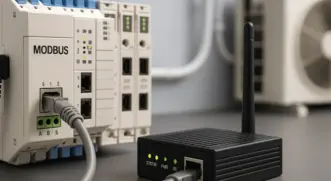
The seamless integration of solar power, storage, and charging stations requires standardized communication protocols and system interconnection. Standardizing communication protocols between different devices and systems is the foundation for achieving data interoperability, resource sharing, and unified scheduling. Commonly used communication protocols include Modbus, CAN, and OPC, which support real-time data transmission and remote control, ensuring coordinated operation between subsystems.

In smart microgrids, the choice of communication protocol directly affects system stability and efficiency. Standardized communication protocols enable subsystems to quickly respond to commands, facilitating dynamic energy scheduling and optimized management. Additionally, the security of communication protocols is crucial, especially in data transmission and remote control, to protect the system from cyberattacks and data breaches.

2. Application of Energy Scheduling and Optimization Technologies in Smart Microgrids

Energy scheduling is a core technology for managing smart microgrids. In solar-storage-charging integrated systems, energy scheduling needs to simultaneously consider solar power generation, storage status, charging demand, and grid conditions to achieve optimal energy allocation and utilization. Typically, EMS dynamically adjusts the flow and distribution of energy based on real-time monitoring of system operation, ensuring the efficient operation of the entire system.

In practical applications, energy scheduling must meet current electricity demand while considering long-term economic benefits and environmental impact. For example, during low electricity prices, the grid’s electricity can be prioritized to charge the storage system, while during high electricity prices, solar power or stored energy can be used. Additionally, smart microgrids can use predictive algorithms to schedule energy in advance to cope with potential load changes or energy shortages.

3. Real-time Monitoring and Fault Management in Systems

Real-time monitoring and fault management are key to ensuring the stability and reliability of solar-storage-charging integrated systems. EMS continuously monitors the operation of each subsystem, allowing it to detect potential issues and issue warnings promptly. For instance, if the solar system’s efficiency drops, the storage system’s battery status becomes abnormal, or the charging station’s load is too high, EMS can quickly detect these problems through real-time monitoring.

Fault management involves three stages: detection, diagnosis, and resolution. During the detection stage, the system uses sensors and data analysis techniques to continuously monitor operating conditions. Once an anomaly is detected, the system enters the diagnosis stage, analyzing historical data and current status to determine the cause and impact of the fault. Finally, the system follows pre-established fault handling procedures to automatically or manually intervene and repair the issue, minimizing the impact on system operation.

Real-time monitoring and fault management not only enhance system security but also effectively reduce maintenance costs. By detecting faults early and responding quickly, the system can avoid prolonged downtime or equipment damage, extending the overall lifespan of the system.

4. Security Assurance and Data Protection

As the complexity of solar-storage-charging integrated systems increases, security assurance and data protection become increasingly important. Firstly, on the physical level, the system needs to prevent malicious intrusions and damage, such as the security protection of electrical equipment and the installation of lightning protection devices. Secondly, on the communication level, the system’s various components are connected through a network, making it vulnerable to cyberattacks. Therefore, using secure communication protocols and encryption techniques is essential to prevent data theft or tampering.

Moreover, data protection involves the secure storage and access control of both historical and real-time data. By implementing multi-level permission management and data encryption, only authorized personnel can access sensitive data, preventing data leaks. Regular data backup and recovery mechanisms are also crucial to address unexpected system failures or data corruption.

Through multi-level security protection measures, solar-storage-charging integrated systems can ensure stable operation while safeguarding data integrity and confidentiality. This is vital for the long-term stable operation of the system and for maintaining user trust.

III. Case Studies: Successful Smart Microgrid Projects

1. Application of Smart Microgrids in Industrial and Commercial Parks

In modern industrial and commercial parks, efficient energy management is crucial for reducing operational costs and enhancing environmental image. A typical application case involves an industrial park that has achieved energy autonomy, storage, and intelligent distribution through a solar-storage-charging integrated system. The core of the system includes a solar power generation system, energy storage batteries, and multiple EV charging stations, all centrally managed by EMS.

In this project, the solar power generation system provides electricity to meet the park’s daily energy needs during the day, with excess power stored in the energy storage system. At night or during cloudy weather, the storage system releases electricity to ensure continuous power supply to the park. The charging stations also intelligently schedule charging based on electricity prices and energy demand, prioritizing solar and storage electricity to reduce the park’s electricity costs.

Furthermore, the system’s real-time monitoring and fault management functions ensure the normal operation of all equipment, reducing maintenance and operational difficulties. This project successfully demonstrates the value of solar-storage-charging integrated systems in industrial and commercial parks, not only reducing energy costs but also providing strong support for the park’s green development.

2. System Integration and Operation of Public Charging Stations

In modern cities, the widespread adoption of electric vehicles has driven the construction of public charging stations. In some cities, public charging stations have implemented intelligent energy management through solar-storage-charging integrated systems. For example, a city center public charging station has installed a solar power generation system, energy storage system, and multiple charging stations, all managed comprehensively by EMS.

The solar system provides clean energy for electric vehicles during the day while also charging the energy storage system. The storage system releases power during peak usage periods to meet charging demand, reducing reliance on the grid. Through EMS’s intelligent scheduling, the station further optimizes energy costs by drawing power from the grid during off-peak hours.

This project successfully demonstrates the application of solar-storage-charging integration in public charging infrastructure, improving energy utilization efficiency and reducing reliance on traditional energy sources, thus promoting the green transformation of urban transportation.

3. Successful Application of Smart Microgrids in Solar-Storage-Charging Systems

In smart microgrids, solar-storage-charging integrated systems can flexibly schedule energy based on actual demand, improving system stability and economic efficiency. For example, a smart microgrid project has achieved energy autonomy for an entire community by seamlessly integrating solar power generation, energy storage, and electric vehicle charging.

The core of this project lies in the application of intelligent scheduling algorithms, which analyze solar generation, storage status, and The project successfully demonstrates the integration of solar power, energy storage, and EV charging within a smart microgrid framework. This integration allows for flexible energy management based on real-time demand, optimizing both system stability and economic efficiency. The intelligent scheduling algorithms employed ensure that the community can achieve energy autonomy while significantly reducing overall energy costs.

IV. Future Demand for Customizable Energy Solutions

1. Analysis of Personalized Industry Needs

As solar-storage-charging integration technology becomes more widespread, various industries are increasingly demanding customized energy solutions. Different sectors, including commercial, industrial, and public infrastructure, have unique energy needs, usage scenarios, and economic goals. Tailoring energy management systems to meet these specific requirements is crucial for optimizing performance and achieving strategic objectives.

For example, in manufacturing, energy needs often peak during intensive production processes. A customized solar-storage-charging solution can help manage peak loads and optimize power distribution, thereby reducing operational costs. In contrast, urban transportation systems may prioritize smart scheduling and fast charging capabilities for EVs.

2. Pathways to Implementing Customizable Energy Management

Implementing customizable energy management typically follows four stages: needs analysis, system design, implementation, and optimization. During the needs analysis phase, engineers thoroughly understand the client’s energy consumption patterns, load characteristics, and economic objectives. The system design phase involves tailoring the solar-storage-charging integration system, including selecting appropriate equipment, designing the system architecture, and developing scheduling strategies based on the analysis.

The implementation phase involves system integration and debugging to ensure seamless operation across all components. In the optimization phase, engineers continuously monitor and analyze system performance, making adjustments as needed to enhance energy efficiency.

3. Designing Energy Solutions Tailored to Clients

When designing client-specific energy solutions, several critical factors must be considered, such as solar power generation capacity, storage system size, charging needs, economic goals, and environmental objectives. During the design process, engineers prioritize equipment selection and system architecture based on the client’s specific requirements and priorities.

For example, clients focused on sustainability might prioritize high-efficiency solar panels and larger storage systems to maximize clean energy use. On the other hand, clients aiming for cost-effectiveness might focus on optimizing energy costs through smart scheduling algorithms, minimizing electricity expenses.

By offering tailored energy solutions, businesses can meet the unique demands of their clients while maximizing the advantages of solar-storage-charging integrated systems.


In conclusion, with the advancement of technology and the growing demand for customized energy solutions, the role of solar-storage-charging integration systems in smart microgrids will continue to expand. By offering tailored energy management systems, businesses and communities can optimize energy use, reduce costs, and contribute to global energy transitions.

IoT Device Management Explained: Features, Platforms & Use Cases

IoT device management is the backbone of every scalable and secure IoT deployment. From smart cities to industrial automation, businesses need reliable tools to provision, monitor, update, and control thousands of connected devices remotely. In this guide, you’ll learn the core features, best platforms (AWS, Azure, Google Cloud), real-world use cases, and expert best practices to optimize your device operations in 2025.

Core Features of IoT Device Management

Provisioning and Authentication

Provisioning is the initial setup process where devices are registered and configured to join the network. This involves setting up device credentials and ensuring they can securely connect to the IoT platform. Authentication ensures that only authorized devices can access the network, protecting against unauthorized access and potential security breaches. This is typically achieved through methods such as digital certificates, tokens, or keys that verify the identity of devices.

Configuration and Control

Configuration and control are crucial for managing device settings and behavior remotely. This includes updating firmware, changing configurations, and setting operational parameters. Remote configuration management allows administrators to push updates and changes without needing physical access to the devices, saving time and reducing operational costs. Effective configuration management ensures devices operate optimally and can adapt to changing requirements and conditions.

Monitoring and Diagnostics

Monitoring involves real-time tracking of device performance, health, and status. IoT Device Management platforms provide dashboards and tools to visualize data from devices, set alerts for specific conditions, and monitor key performance indicators. Diagnostics tools help in identifying and troubleshooting issues, accessing logs, and performing root cause analysis. Real-time monitoring and diagnostics are essential for maintaining device reliability and performance, ensuring quick resolution of problems and minimizing downtime.

Maintenance and Updates

Regular maintenance and updates are vital for ensuring the ongoing security and functionality of IoT devices. This includes deploying firmware updates, patches, and security enhancements. Automated update mechanisms can schedule and deploy updates across multiple devices, ensuring they are always running the latest and most secure versions of software. Maintenance also involves routine checks and preventive measures to keep devices in good working condition and extend their lifespan.

End-of-Life Management

End-of-life management involves the secure decommissioning of IoT devices that are no longer in use. This includes securely wiping data, removing device credentials, and disposing of hardware responsibly. Proper end-of-life management prevents unauthorized access to data from retired devices and ensures compliance with data protection regulations. It also involves recycling or disposing of electronic components in an environmentally friendly manner.

Benefits of IoT Device Management

Enhanced Security
IoT Device Management significantly enhances security by ensuring that only authorized devices can access the network and that all communications are encrypted. Regular updates and patches help protect devices from vulnerabilities and cyber threats. Monitoring tools can detect and respond to suspicious activities in real-time, providing an additional layer of security.

Improved Operational Efficiency
By automating routine tasks such as updates, configuration changes, and monitoring, IoT Device Management reduces the workload on IT and operations teams. This leads to improved operational efficiency, allowing teams to focus on more strategic initiatives. Automated processes also reduce the risk of human error, ensuring consistent and reliable device management.

Scalability and Flexibility
IoT Device Management platforms are designed to handle large-scale deployments, making it easier to manage thousands or even millions of devices. These platforms offer flexible deployment options, whether on-premises, in the cloud, or hybrid environments, allowing organizations to scale their IoT operations as needed. This flexibility is crucial for businesses looking to expand their IoT footprint without being constrained by infrastructure limitations.

Cost Reduction
Effective IoT Device Management can lead to significant cost savings by reducing the need for manual interventions, minimizing downtime, and extending the lifespan of devices. Automated maintenance and updates prevent costly failures and improve the overall reliability of the IoT network. Additionally, remote management capabilities reduce the need for on-site visits, saving on travel and labor costs.

Challenges in IoT Device Management

Data Security and Privacy
One of the primary challenges in IoT Device Management is ensuring data security and privacy. IoT devices often handle sensitive data, making them attractive targets for cybercriminals. Protecting data in transit and at rest using encryption and secure communication protocols is essential. Implementing strong access controls and regularly updating security measures are crucial to safeguarding data privacy.

Network Performance and Reliability
Managing a large number of IoT devices can strain network resources, leading to bandwidth issues, congestion, and potential outages. Ensuring reliable connectivity and network performance is a critical challenge, especially in environments with limited or variable network coverage. Optimizing network configurations and using advanced monitoring tools can help maintain performance and reliability.

Handling Scale and Complexity
As IoT deployments grow, managing the scale and complexity of device networks becomes increasingly challenging. Different devices may have varying requirements, configurations, and communication protocols, adding to the complexity. IoT Device Management platforms must be capable of handling diverse device types and large-scale deployments efficiently.

Regular Firmware and Software Updates
Keeping IoT devices up to date with the latest firmware and software is essential for maintaining security and functionality. However, deploying updates across a large fleet of devices can be logistically challenging. Automated update mechanisms and robust version control are necessary to ensure that updates are applied consistently and without disruption.

Common Problems Addressed by IoT Device Management

Data Security
IoT Device Management addresses data security by implementing robust authentication methods, encryption, and secure communication protocols. Regular security updates and patches help mitigate vulnerabilities and protect against cyber threats.

Device Proliferation
Managing a large number of IoT devices efficiently is a common challenge. IoT Device Management platforms provide tools for bulk provisioning, configuration, and updates, streamlining the management process and reducing the administrative burden.

Fragmented Data
IoT devices generate vast amounts of data, often in diverse formats and structures. IoT Device Management platforms help organize, analyze, and integrate this data, enabling businesses to derive actionable insights and make informed decisions.

Common Problems Addressed by IoT Device Management (Continued)

Data Security

IoT devices often handle sensitive information, making them prime targets for cyber-attacks. By implementing strong encryption and secure communication protocols, IoT Device Management ensures data integrity and confidentiality. Regular security updates and patches are deployed to address vulnerabilities, and strong access control measures are put in place to prevent unauthorized access.

Device Proliferation

The exponential growth of IoT devices can lead to challenges in management and maintenance. IoT Device Management platforms streamline this process by providing bulk provisioning, automated configuration, and centralized monitoring, making it easier to manage large numbers of devices. This reduces the administrative burden and enhances operational efficiency.

Fragmented Data

IoT ecosystems generate vast amounts of data from diverse sources, often in different formats. IoT Device Management platforms help to standardize data collection, organize it effectively, and facilitate its analysis. This integration is crucial for deriving actionable insights and making data-driven decisions that can improve business operations.

Remote Management of IoT Devices

Remote management of IoT devices enables businesses to monitor, control, and update connected devices from anywhere via cloud-based platforms. This capability is especially crucial when devices are deployed in hard-to-reach or widely distributed locations—such as industrial machines, smart meters, agricultural sensors, or remote healthcare equipment.

Why Remote Management Matters

  • Minimize Downtime: Issues can be detected and resolved without on-site visits, saving time and maintenance costs.
  • Over-the-Air Updates (OTA): Firmware and software can be updated remotely to improve performance, fix bugs, or patch security vulnerabilities.
  • Scalability: Centralized dashboards allow teams to manage thousands of devices efficiently.
  • Data Monitoring: Real-time status tracking helps ensure devices are functioning properly and within expected parameters.

Common Challenges in Remote IoT Device Management

  • Network Reliability: Devices in remote or mobile environments may face inconsistent connectivity.
  • Security Risks: Unsecured remote access can open devices to cyber threats or unauthorized control.
  • Device Diversity: Managing different hardware types, protocols, and operating systems requires flexible and interoperable solutions.
  • Latency & Response Time: Mission-critical applications (e.g. in industrial automation or healthcare) need real-time responsiveness.

Top Remote IoT Device Management Platforms

AWS IoT Device Management

AWS IoT Device Management is a comprehensive solution that provides secure, scalable, and efficient management of IoT devices. Key features include:

  • Secure Onboarding: Simplifies the process of securely onboarding devices to the IoT network.
  • Fleet Indexing: Helps in organizing and searching for devices based on various attributes.
  • Secure Tunneling: Allows secure remote access to devices for troubleshooting and maintenance.
  • Jobs: Automates tasks such as firmware updates, patches, and configuration changes across large device fleets.

AWS IoT Device Management is used across various industries, from smart homes and industrial IoT to healthcare and smart cities, due to its robust and scalable features.

Azure IoT Hub

Azure IoT Hub is another leading platform that offers comprehensive IoT device management capabilities. Key features include:

  • Device Twin: Represents the state of a device, allowing for easy synchronization and management.
  • Direct Methods: Enables synchronous communication with devices for immediate updates and commands.
  • Device Provisioning Service: Automates device provisioning at scale with zero-touch provisioning capabilities.
  • Security Enhancements: Provides secure communication channels, authentication, and compliance with regulatory standards.

Azure IoT Hub supports a wide range of use cases, including remote monitoring, predictive maintenance, and real-time analytics, making it a versatile choice for IoT deployments.

Google Cloud IoT Core

Google Cloud IoT Core offers a fully managed service for securely connecting, managing, and ingesting data from globally dispersed devices. Key features include:

  • Device Manager: Simplifies device configuration and management.
  • Data Ingestion: Seamlessly integrates with other Google Cloud services for data processing and analytics.
  • Secure Communication: Ensures secure device communication through TLS encryption.
  • Edge Computing: Supports edge computing to process data locally and reduce latency.

Google Cloud IoT Core is ideal for applications requiring real-time data analysis and robust security, such as smart cities, industrial automation, and logistics.

KaaIoT

KaaIoT is an open-source IoT platform that provides flexible deployment options and comprehensive management features. Key features include:

  • Device Lifecycle Management: Covers all stages from provisioning to decommissioning.
  • Data Collection and Analytics: Offers powerful tools for collecting, analyzing, and visualizing IoT data.
  • Remote Control and Monitoring: Enables real-time device monitoring and control.
  • Customizable Solutions: Allows for extensive customization to meet specific business needs.

KaaIoT’s flexibility and extensive feature set make it suitable for diverse IoT applications, including smart homes, industrial IoT, and healthcare.

How to Choose the Right IoT Device Management Platform

Choosing the right IoT device management platform is critical to ensuring your connected infrastructure is secure, scalable, and future-proof. Whether you’re deploying smart meters, industrial sensors, or healthcare devices, here are the key factors to evaluate:

1. Security & Compliance

  • Does the platform support secure onboarding and authentication?
  • Are communications encrypted (TLS, DTLS)?
  • Can it enforce policies for firmware updates, access control, and device isolation?
  • Is the platform compliant with standards like ISO 27001, HIPAA, or GDPR?

Why it matters: Security is the foundation of any IoT deployment—vulnerable devices can compromise your entire network.


2. Scalability & Performance

  • Can the platform handle thousands or millions of devices?
  • How well does it perform under load (e.g., concurrent firmware updates)?
  • Does it support edge computing or hybrid deployments?

Why it matters: As your device fleet grows, your management platform must scale seamlessly without sacrificing speed or reliability.


3. Cross-Protocol and Cross-Brand Support

  • Is the platform compatible with MQTT, CoAP, HTTP, LwM2M, and proprietary protocols?
  • Can it integrate with heterogeneous hardware from multiple vendors?

Why it matters: Real-world deployments involve a mix of device types. Flexible protocol support prevents vendor lock-in and future rework.


4. Diagnostics & Real-Time Monitoring

  • Does the platform offer visual dashboards, alerting, and health monitoring?
  • Can it support over-the-air (OTA) updates, remote logging, and automated diagnostics?

Why it matters: You need real-time insights into device behavior to catch failures before they cascade.

Best Practices in IoT Device Management

Implementing Strong Security Measures

Security is paramount in IoT Device Management. Implementing multi-factor authentication, data encryption, and secure communication protocols are critical steps. Regular security audits and compliance checks help ensure ongoing protection against emerging threats.

Ensuring Regular Updates and Maintenance

Keeping devices updated with the latest firmware and software patches is essential for maintaining security and performance. Automated update mechanisms should be in place to ensure timely and consistent updates across all devices.

Real-time Monitoring and Alerts

Real-time monitoring and alerting systems are vital for detecting and responding to issues promptly. Setting up alerts for specific conditions, such as device malfunctions or security breaches, helps in quick resolution and minimizes downtime.

Efficient Configuration and Control Mechanisms

Streamlining remote configuration and control mechanisms enhances operational efficiency. Using centralized management tools to push updates, change settings, and monitor device status can significantly reduce the complexity and time required for device management.

Real-World Use Cases & Examples of IoT Device Management

Smart Homes

IoT Device Management in smart homes involves controlling and troubleshooting devices such as thermostats, security cameras, and smart appliances. It enables homeowners to remotely monitor and manage their devices, ensuring they operate efficiently and securely. For instance, users can receive alerts for unusual activity, update device settings, and perform remote diagnostics, all from a centralized platform. This enhances convenience, security, and energy efficiency in smart homes.

Industrial IoT

In industrial settings, IoT Device Management is crucial for monitoring and maintaining equipment such as machinery, sensors, and robots. By implementing IoT Device Management, industries can perform predictive maintenance, reducing downtime and improving operational efficiency. Real-time monitoring and diagnostics allow for quick identification and resolution of issues, ensuring continuous production flow. This application is particularly beneficial in manufacturing, logistics, and supply chain management, where operational efficiency is paramount.

Healthcare

Healthcare providers use IoT Device Management to track medical devices and monitor patient health. This involves managing devices such as wearable health monitors, infusion pumps, and remote patient monitoring systems. IoT Device Management ensures these devices are updated, secure, and functioning correctly, providing reliable health data to caregivers. This enhances patient care, improves health outcomes, and allows for remote health monitoring, which is especially valuable in managing chronic conditions and during pandemics.

Smart Cities

In smart cities, IoT Device Management helps manage infrastructure such as streetlights, traffic systems, and environmental sensors. City officials can remotely monitor and control these devices to ensure efficient operation and reduce maintenance costs. For example, smart streetlights can be adjusted based on real-time conditions, and traffic systems can be optimized to reduce congestion. This leads to improved urban living conditions, enhanced public safety, and more efficient resource use.


Final Thoughts

IoT Device Management is a critical component of the modern connected ecosystem. It encompasses the entire lifecycle of IoT devices, from provisioning and configuration to monitoring, maintenance, and decommissioning. By implementing effective IoT Device Management practices, organizations can enhance security, improve operational efficiency, and scale their IoT deployments seamlessly. The benefits extend across various industries, including smart homes, industrial IoT, healthcare, and smart cities, driving innovation and efficiency.

As IoT continues to evolve, the importance of robust device management will only increase. Future advancements in IoT Device Management will likely focus on enhancing security, automating processes, and leveraging AI and machine learning for predictive analytics. By staying ahead of these trends, organizations can ensure their IoT deployments remain secure, efficient, and capable of delivering valuable insights.

FAQs About IoT Device Management

Q1: What is IoT device management?
A: It’s the process of provisioning, monitoring, updating, and securing connected IoT devices across a network.

Q2: What are the core features of an IoT device management system?
A: Device provisioning, remote configuration, firmware updates, monitoring, and security management.

Q3: How does remote management work in IoT?
A: It allows centralized control via cloud platforms using protocols like MQTT or CoAP to send updates and receive data.

Q4: Which platforms are best for managing IoT devices?
A: AWS IoT Core, Balena, Particle, and ThingsBoard are widely used platforms for remote IoT device control.

Q5: Can I manage devices from different brands and protocols?
A: Yes, modern platforms support cross-protocol and cross-brand integration using standardized APIs or edge gateways.


References

Need a Custom IoT Device Management Solution?

At ZedIoT, we help businesses build tailored solutions for scalable, secure, and intelligent device management. Whether you’re looking to create a custom IoT device platform, enable real-time device monitoring, or deploy devices faster with our IoT Device Rapid Cloud service, we’ve got you covered.

Our team specializes in:

  • IoT device platform development with full control over security, scalability, and data integration

  • ✅ Continuous IoT device monitoring to ensure optimal performance and proactive maintenance

  • ✅ Rapid cloud onboarding and provisioning with our IoT Device Rapid Cloud approach

  • ✅ Seamless remote management of IoT devices across industrial, medical, and smart environments

Let’s turn your IoT vision into a scalable reality.
???? Contact us to discuss your device management needs.

What Problems Can Equipment Condition Monitoring and Predictive Maintenance Solve in the IIoT?

Introduction

In the context of the Industrial IoT (IIoT), equipment condition monitoring and predictive maintenance have become essential for modern industrial enterprises to enhance production efficiency and reduce operational costs. Traditional maintenance methods are often based on time intervals or post-failure repairs, which are not only inefficient but also prone to sudden equipment failures and production interruptions. By leveraging condition monitoring and predictive maintenance, companies can achieve real-time monitoring and fault prediction of their equipment, enabling proactive maintenance, avoiding unexpected downtimes, and extending equipment life.

Definitions of Condition Monitoring and Predictive Maintenance

Condition Monitoring (CM) and Predictive Maintenance (PdM) are two key technologies for efficient equipment management. They use different methods and techniques to monitor and analyze the operating status of equipment, allowing for early detection of potential issues and timely intervention to ensure stable operation.

Definition of Condition Monitoring (CM)

Condition Monitoring refers to the process of continuously or periodically collecting and analyzing operational data from equipment using various sensors and monitoring devices. The goal is to detect the operating status and performance of the equipment by monitoring key parameters (such as vibration, temperature, pressure, and current), thereby identifying anomalies and potential faults early on, enabling preventive maintenance to avoid sudden failures and downtimes.

Definition of Predictive Maintenance (PdM)

Predictive Maintenance is a strategy that uses condition monitoring data and advanced data analysis techniques to predict possible faults and performance degradation in equipment through predictive models and algorithms. PdM aims to reduce the failure rate and maintenance costs of equipment while extending its lifespan and improving production efficiency. By integrating machine learning and artificial intelligence, predictive maintenance can more accurately forecast the health status and maintenance needs of equipment, achieving efficient management.

The combination of condition monitoring and predictive maintenance offers a new paradigm for modern industrial enterprises, enabling proactive maintenance through real-time monitoring and intelligent analysis, maximizing equipment operational efficiency and reliability.

In this article, we will explore how condition monitoring and predictive maintenance address key industrial problems, the required technologies and sensors, and how to implement these technologies for optimal results.

Part One: What Problems Can Condition Monitoring and Predictive Maintenance Solve?

Reduce Unexpected Downtime

Sudden equipment failure is a major challenge in industrial production. Traditional maintenance methods typically involve repairs after a failure occurs, which not only affects production schedules but can also lead to significant economic losses. Through condition monitoring, equipment operational status can be monitored in real-time, allowing for early detection of potential faults and timely maintenance, thus avoiding unexpected downtimes. For example, by monitoring parameters such as vibration, temperature, and pressure, interventions can be made before abnormalities occur, preventing failures.

Extend Equipment Lifespan

Frequent failures and downtimes not only impact production efficiency but also accelerate equipment aging. Predictive maintenance optimizes maintenance strategies through continuous monitoring and analysis of equipment status, reducing wear and tear, and extending the equipment’s lifespan. For instance, regularly monitoring the condition of lubricating oil and replacing it timely can reduce friction and wear, thereby prolonging equipment life.

Improve Safety

Traditional maintenance methods often rely on manual inspections, which are time-consuming, labor-intensive, and pose safety risks. Condition monitoring systems enable remote monitoring, reducing the frequency and risks associated with manual inspections, and enhancing overall plant safety. For example, in chemical plants, monitoring equipment temperature and pressure can timely identify and address potential safety hazards, preventing accidents.

Lower Maintenance Costs

Traditional preventive maintenance methods often lead to unnecessary maintenance and replacements, increasing maintenance costs. Condition monitoring provides precise insights into equipment operational status, allowing maintenance only when potential issues are detected, thereby reducing unnecessary maintenance expenses. For instance, by monitoring the operational status of electric motors, maintenance can be performed when performance declines, avoiding extra costs due to excessive maintenance.

Optimize Resource Utilization

Condition monitoring and predictive maintenance help companies utilize resources more effectively. By reasonably scheduling maintenance times and human resources, production interruptions can be minimized, enhancing production efficiency. For example, by monitoring critical equipment on production lines, maintenance can be scheduled during necessary times, avoiding production disruptions due to equipment downtime.

Enhance Production Efficiency

By reducing equipment failures and downtime, condition monitoring and predictive maintenance can significantly improve production efficiency. Companies can handle potential issues in a timely manner through real-time monitoring of equipment operational status, ensuring continuous operation of production lines. For example, in the automotive manufacturing industry, monitoring the status of robots on assembly lines can quickly identify and address faults, improving operational efficiency of production lines.

Part Two: Technologies Required for Implementing Condition Monitoring and Predictive Maintenance

Sensor Technology

Sensors are the core components of condition monitoring systems, collecting various operational parameters of equipment in real-time. Here are some common types of sensors and their applications:

  • Vibration Sensors: Used to monitor equipment vibration, helping to detect mechanical faults such as imbalance, looseness, and wear. For example, in rotating machinery, vibration sensors can detect bearing wear or imbalance, allowing for early maintenance.
  • Temperature Sensors: Used to monitor equipment temperature, helping to detect overheating issues. For example, in electric motors and transformers, temperature sensors can detect overheating conditions, preventing equipment damage.
  • Pressure Sensors: Used to monitor equipment pressure, helping to detect abnormal pressure conditions. For example, in hydraulic systems and boilers, pressure sensors can detect pressure changes, preventing explosions and other safety accidents.
  • Current Sensors: Used to monitor equipment current, helping to detect electrical faults. For example, in electric motors, current sensors can detect abnormal current, preventing overload.

Data Collection and Transmission

Data collection and transmission are critical steps in condition monitoring systems. Through IoT gateways and wireless communication technologies, sensor data can be transmitted to central monitoring systems for real-time monitoring. Common data transmission technologies include:

  • IoT Gateways: Connect sensors to central monitoring systems, enabling data aggregation and transmission. IoT gateways support multiple communication protocols such as Wi-Fi, Ethernet, LoRa, and NB-IoT.
  • Wireless Communication Technologies: Used to transmit sensor data, common technologies include LoRa, NB-IoT, and 5G. LoRa and NB-IoT are suitable for low-power, wide-coverage applications, while 5G is ideal for high-speed transmission and low-latency scenarios.

Data Storage and Processing

Data storage and processing form the foundation of condition monitoring systems. Through cloud computing platforms and big data processing technologies, vast amounts of equipment data can be stored and processed for real-time analysis and prediction. Common data storage and processing technologies include:

  • Cloud Computing Platforms: Provide the infrastructure for data storage, processing, and analysis. Through cloud computing platforms, centralized management and processing of data can be achieved, improving data processing efficiency.
  • Big Data Processing Technologies: Used for processing and analyzing massive data, common technologies include Hadoop and Spark. Big data processing technologies enable fast processing and real-time analysis of data, supporting condition monitoring and predictive maintenance.

Data Analysis and Machine Learning

Data analysis and machine learning are core technologies for condition monitoring and predictive maintenance. By analyzing historical and real-time data of equipment, operational status and fault trends can be predicted. Common data analysis and machine learning techniques include:

  • Predictive Algorithms and Models: Used to analyze and predict equipment status, common algorithms include regression analysis, time-series analysis, support vector machines, and neural networks. These algorithms build health models of equipment, predicting the time and probability of faults.
  • Artificial Intelligence Technologies: Enhance the accuracy and efficiency of predictions. Through deep learning and neural networks, complex equipment data can be analyzed and modeled for more accurate fault predictions.

Digital Twin Technology

Digital twin technology is a significant application for condition monitoring and predictive maintenance. By creating digital models of equipment, virtual and real-time synchronous monitoring and prediction can be achieved. Digital twin technology includes:

  • Creation of Virtual Models: Digital models are created by collecting operational data of equipment. These models accurately simulate the operational status and performance of the equipment.
  • Real-time Monitoring and Predictive Analysis: By monitoring operational data in real-time, simulations and predictions can be conducted within the digital model, identifying potential faults and issues early.

Part Three: How to Implement Condition Monitoring and Predictive Maintenance

1. Install Hardware

The primary task in implementing condition monitoring and predictive maintenance is installing the necessary hardware. This includes selecting and installing various sensors to monitor critical parameters of the equipment. The types and numbers of sensors should be determined based on specific application scenarios and equipment needs.

  • Select Sensors: Such as vibration sensors, temperature sensors, pressure sensors, and current sensors, which can monitor equipment operational status in real-time.
  • Install Sensors: Install sensors on critical parts of the equipment according to the equipment type and monitoring requirements. Ensure correct sensor placement to obtain accurate data.
  • Calibrate Sensors: After installation, sensors need to be calibrated to ensure measurement accuracy.

2. Data Measurement

Once sensors are installed, data measurement begins. Sensors collect various operational parameters of the equipment, such as vibration, temperature, pressure, and current.

  • Vibration Measurement: Vibration sensors measure equipment vibration, detecting mechanical faults like imbalance and looseness.
  • Temperature Measurement: Temperature sensors measure equipment temperature, monitoring overheating conditions.
  • Pressure Measurement: Pressure sensors measure equipment pressure, monitoring hydraulic systems and boilers for pressure changes.
  • Current Measurement: Current sensors measure equipment current, detecting electrical faults and overload conditions.

3. Monitoring and Data Transmission

After data measurement, sensor data needs to be transmitted to central monitoring systems for real-time monitoring and analysis.

  • Data Transmission: Use IoT gateways and wireless communication technologies (such as LoRa, NB-IoT, and 5G) to transmit sensor data to central monitoring systems.
  • Data Storage: Store transmitted data in cloud computing platforms or local servers, ensuring data security and availability.
  • Real-time Monitoring: Through central monitoring systems, monitor the operational status of equipment in real-time, detecting potential faults and anomalies.

4. Maintenance Strategy

Once the central monitoring system detects anomalies or potential faults in equipment, alerts need to be generated and maintenance actions taken promptly.

  • Alert Generation: When the system detects that equipment operational parameters exceed normal ranges, generate alerts to notify the maintenance team.
  • Maintenance Decision: Based on alert information, analyze the fault cause and decide whether immediate maintenance is required or if it can be scheduled in planned maintenance cycles.
  • Implement Maintenance: Perform maintenance actions based on maintenance decisions, ensuring equipment returns to normal operation.

5. Customized Maintenance Programs

To maximize the effectiveness of condition monitoring and predictive maintenance, customized maintenance programs need to be developed.

  • Comprehensive Asset View: Establish a comprehensive asset management system, tracking and recording the status and maintenance history of all equipment.
  • Integrated Monitoring Methods: Combine various condition monitoring methods, such as vibration analysis, oil analysis, and infrared thermography, to improve fault detection accuracy.
  • Return on Investment (ROI) Model: Evaluate the ROI of condition monitoring and predictive maintenance by analyzing changes in maintenance costs and production efficiency.

Part Four: Practical Applications of Condition Monitoring and Predictive Maintenance

Industrial Equipment Condition Monitoring

In industrial manufacturing, condition monitoring is widely used for monitoring the operation and preventing faults in various critical equipment. For example, in power plants, vibration sensors and temperature sensors are used to monitor the operating status of turbines and generators. By monitoring the vibration and temperature of these equipment in real-time, anomalies can be detected promptly, enabling preventive maintenance to avoid production interruptions and economic losses due to equipment failures.

Medical Equipment Condition Monitoring

The stability and reliability of medical equipment are crucial to patient safety. Through condition monitoring, hospitals can monitor the operational status of critical medical equipment in real-time, such as MRI machines and cardiac monitors. Temperature sensors and current sensors can monitor the working environment and electrical conditions of these equipment, ensuring they operate in optimal conditions and preventing failures that could affect patient treatment.

Predictive Maintenance in Manufacturing

In manufacturing, predictive maintenance helps companies optimize maintenance strategies for production lines, reducing equipment failures and downtime. For example, in automotive manufacturing, monitoring the operational status of robots and CNC machines on assembly lines can predict wear and fault trends, allowing for scheduled maintenance to avoid disruptions in production plans. Additionally, by analyzing historical and real-time data of equipment, companies can optimize operational parameters, extend equipment lifespan, and improve production efficiency.

Predictive Maintenance in Transportation Equipment

Transportation equipment such as trains, airplanes, and automobiles often operate under high loads and complex environments. Predictive maintenance allows real-time monitoring of these equipment to detect and address potential faults. For example, monitoring the vibration and temperature of train wheels can predict wear conditions, enabling scheduled replacements to ensure safe operation. Similarly, monitoring the operational parameters of aircraft engines can predict fault trends, allowing for preventive maintenance to ensure flight safety.

Part Five: Technical Trends and Industry Demand Analysis for Condition Monitoring and Predictive Maintenance

Technical Trends

1. Application of Edge Computing and Cloud-Edge Collaborative Computing

Edge computing refers to processing and analyzing data at devices or “edges” close to the data source, instead of at central data centers. Cloud-edge collaboration combines the strengths of cloud computing and edge computing, enabling efficient data processing and decision-making through collaboration. In condition monitoring, edge computing reduces data transmission latency, achieving more real-time monitoring and responses. Additionally, edge devices can pre-process data, reducing the volume of data transmitted to the cloud, saving bandwidth. This approach not only increases data processing speed but also enhances data privacy and security. However, edge computing also introduces challenges such as increased device costs, complexity, and maintenance needs for edge devices.

2. Development of Artificial Intelligence and Machine Learning

Artificial Intelligence (AI) and Machine Learning (ML) play a critical role in condition monitoring and predictive maintenance. AI simulates human intelligence, including learning, reasoning, and self-correction; ML, a branch of AI, improves through algorithms that learn from data. These technologies have broad applications in fault prediction and maintenance decision-making. For instance, using ML algorithms to analyze historical data can predict possible failure times and causes for equipment; based on predictions, systems can automatically generate maintenance plans and optimize resource allocation. Deep learning is used for complex pattern recognition, such as image and sound analysis, while reinforcement learning optimizes equipment operation and maintenance strategies.

3. Evolution of IoT Platforms with AI Integration

The evolution of IoT platforms with AI integration refers to fully incorporating AI technologies into IoT platforms, achieving more intelligent monitoring and management. AI-integrated IoT platforms can autonomously analyze and make decisions, reducing human intervention. Systems can automatically adjust parameters based on environmental and demand changes, enhancing system flexibility and adaptability. Future directions include achieving fully autonomous equipment monitoring and maintenance systems and real-time analysis and prediction of equipment status through AI models, optimizing maintenance plans.

Industry Demand Analysis

1. Manufacturing Industry

In manufacturing, trends toward high automation and lean production make equipment stability and efficiency critical. Condition monitoring and predictive maintenance can improve production efficiency, reduce unexpected downtime, and lower maintenance costs. Real-time monitoring of various production line equipment, such as CNC machines, industrial robots, and conveyor systems, allows companies to detect wear and faults early and conduct preventive maintenance. For example, an automotive manufacturing plant implementing condition monitoring systems reduced equipment downtime by 20%, increased production efficiency by 15%, lowered fault rates by 30%, and cut maintenance costs by 25%.

2. Energy Industry

The energy industry features diverse and widely distributed equipment, and stable operation is crucial for reliable energy supply. Condition monitoring and predictive maintenance ensure efficient operation, reduce maintenance costs, and minimize unexpected downtime. Monitoring the operational status of power generation, transmission, and distribution equipment, such as wind turbines, transformers, and transmission lines, using sensors and data analysis technologies, helps predict faults. For instance, a wind farm implementing predictive maintenance reduced equipment fault rates by 40% and increased power generation efficiency by 10%. Real-time monitoring of wind turbines with vibration and temperature sensors allowed for early detection of potential faults, enabling preventive maintenance and extending equipment lifespan.

Conclusion

Condition monitoring and predictive maintenance play vital roles in the era of the Industrial IoT (IIoT). By continuously advancing and applying these technologies, companies can improve equipment operational efficiency, reduce failures and downtime, lower maintenance costs, and ensure production process stability and safety. In the future, with ongoing technological advancements and industry collaboration, these technologies will be further promoted and applied, driving the development and progress of the Industrial IoT.

References

  1. “Industrial Internet Technologies and Applications” by Li Ming, Peking University Press, 2020.
  2. “IoT Technologies and Applications” by Zhang Qiang, Tsinghua University Press, 2019.
  3. “Monitoring and Maintenance of Intelligent Manufacturing Systems” by Wang Wei, Shanghai Jiao Tong University Press, 2021.
  4. “Predictive Maintenance and Condition Monitoring” by Allan Lee, Elsevier, 2018.
  5. “Industrial Internet of Things: Technologies and Research Directions” by Sabina Jeschke, Springer, 2017.

Knowledge Graph of IoT Technology: A Comprehensive Technical Introduction from Devices, Protocols, Data to Applications

IoT protocols play a crucial role in modern IoT ecosystems. Choosing the right IoT data link protocol can significantly enhance system reliability and efficiency. Common IoT transport networks include Wi-Fi, 2G, 3G, 4G, and 5G, while application protocols like MQTT and CoAP are widely used in smart homes and industrial IoT. Effective data processing and storage solutions enable enterprises to fully leverage the massive amounts of data generated by IoT, achieving real-time monitoring and intelligent decision-making. Additionally, data analysis tools play a vital role in predictive maintenance and quality control. Finally, ensuring IoT security and privacy is fundamental to all IoT applications, preventing data breaches and system attacks.

iot Knowledges

IoT protocols can be categorized into two main types based on their functions: transport protocols and communication protocols. Transport protocols mainly handle networking and communication between devices within a subnet, while communication protocols are primarily used for data exchange and communication between devices over the internet. Understanding and selecting the right IoT protocols is crucial for the successful deployment of IoT systems. Therefore, this article provides a detailed introduction and analysis of common IoT protocols from multiple perspectives, including physical connectivity, data link protocols, transport networks, application protocols, data processing and storage, analysis, and applications.

I. Physical Connectivity

Physical connectivity is the most fundamental layer in IoT systems, responsible for direct communication between devices. Physical connectivity protocols include various wired and wireless technologies, each with its unique advantages and application scenarios.

  • RJ45: RJ45 interfaces are commonly used for Ethernet connections, providing high bandwidth and stable connections suitable for scenarios requiring large data transmissions, such as video surveillance and enterprise networks.
  • USB: USB interfaces are widely used in various electronic devices, supporting high-speed data transfers and suitable for short-distance, high-speed data exchanges between devices.
  • SPI: The Serial Peripheral Interface (SPI) is a high-speed synchronous data transfer protocol commonly used for communication between microcontrollers and peripheral devices.
  • RS-232: RS-232 is a traditional serial communication protocol, still widely used in industrial automation and embedded systems despite its lower transmission speed.
  • RS-485: RS-485 is a serial communication standard supporting multi-point communication, often used in industrial control systems, supporting long-distance and high-interference data transmissions.
  • Wireless: Wireless communication technologies include Wi-Fi, Bluetooth, Zigbee, etc., providing flexible connection methods suitable for mobile devices and scenarios requiring flexible deployments.

II. Data-link Protocols

Data-link protocols play a critical role in IoT communications, responsible for establishing reliable data transfer connections above the physical layer. These protocols are essential for ensuring data transfer reliability, reducing latency, and enhancing efficiency.

  • Bluetooth: Bluetooth is a short-range wireless communication technology widely used in wearable devices, smart homes, and in-car systems. Bluetooth technology supports low-power modes (BLE), making it ideal for low-power devices that need to operate for extended periods.
  • Zigbee: Zigbee is a low-power, low-data-rate wireless network protocol suitable for smart homes, industrial automation, and medical monitoring. Zigbee networks have self-organization and self-healing capabilities, providing stable communication in complex environments.
  • Ethernet: Ethernet is a commonly used wired network technology, offering high bandwidth and low-latency connections suitable for industrial automation and enterprise networks that require high-speed data transfers.
  • Fieldbus: Fieldbus is a communication network used in industrial control systems, supporting data exchange and control commands among multiple devices. Common Fieldbus protocols include Profibus, Modbus, etc.
  • RFID: Radio Frequency Identification (RFID) is a wireless automatic identification technology that uses radio signals to identify and exchange data with target objects. RFID is widely used in logistics management, asset tracking, and access control systems.
  • 6LoWPAN: 6LoWPAN is a technology that introduces the IPv6 protocol into low-power wireless personal area networks, suitable for resource-constrained devices such as sensor networks and smart home devices. 6LoWPAN offers the advantages of internet protocols, including scalability and global unique address support.

The choice of IoT protocols directly impacts the performance and reliability of IoT systems. By understanding and selecting the appropriate data-link protocols, communication reliability can be ensured while improving system efficiency and flexibility. For example, in smart home applications, the low-power characteristics of Zigbee and Bluetooth make them ideal choices, while in industrial automation, Ethernet and Fieldbus provide higher bandwidth and more stable connections.

III. Transport Network

Transport networks play an essential role in IoT by connecting devices to the internet or other devices, determining data transmission speed, range, and reliability. Common transport network protocols include Wi-Fi, 2G, 3G, 4G, 5G, and LPWAN (such as LoRaWAN and Sigfox).

Analysis of Major Transport Network Protocols

1.Wi-Fi

  • Features: Provides high-bandwidth and low-latency wireless connections, widely used in home and enterprise networks.
  • Advantages: Suitable for high data volume transmissions, such as video surveillance and big data transfers.
  • Disadvantages: High power consumption, not suitable for low-power devices requiring long-term operation.
  • Application Scenarios: Smart homes, video surveillance, enterprise networks.

2.2G, 3G, 4G, 5G

  • Features: From low-speed data transmission of 2G to high-speed, low-latency communication of 5G, each generation of mobile communication technology has gradually improved transmission rates and reliability.
  • Advantages: Wide area coverage, suitable for mobile IoT applications.
  • Disadvantages: 2G and 3G have lower speeds, while 4G and 5G devices have higher power consumption.
  • Application Scenarios: Vehicle networking, mobile payments, remote monitoring.

3.LPWAN (LoRaWAN, Sigfox)

  • Features: Low-power wide-area network protocols suitable for long-distance, low-data-rate applications.
  • Advantages: Long-range coverage, low power consumption, supporting a large number of device connections.
  • Disadvantages: Low data transmission rate, not suitable for high data volume transmissions.
  • Application Scenarios: Smart cities, environmental monitoring, agricultural IoT.

Comparison of Transport Network Protocols

ProtocolFrequency RangeData Transmission RateCoverage AreaPower ConsumptionTypical Application Scenarios
Wi-Fi2.4/5 GHzHigh (54 Mbps+)IndoorHighSmart homes, video surveillance
2G850/900/1800 MHzLow (0.1 Mbps)Wide AreaLowSimple data transmission, SMS
3G850/900/2100 MHzMedium (2 Mbps)Wide AreaMediumMobile internet, video calls
4G700/800/1800/2100 MHzHigh (100 Mbps+)Wide AreaHighStreaming media, HD video
5G3.5/26/28 GHzVery High (1 Gbps+)Wide AreaHighAutonomous driving, VR
LoRaWAN868/915 MHzLow (0.3-50 Kbps)Wide AreaLowSmart cities, agricultural monitoring
Sigfox868/915 MHzLow (100 bps)Wide AreaLowAsset tracking, environmental monitoring

IV. Application Protocols

Application protocols play a crucial role in IoT communications, defining how data exchange and communication occur between devices. Below are some major application protocols.

1.MQTT (Message Queuing Telemetry Transport)

  • Features: A lightweight publish/subscribe protocol based on TCP/IP, suitable for low-bandwidth and unstable network environments.
  • Advantages: Small message header, saving bandwidth; supports QoS levels; supports persistent sessions.
  • Disadvantages: Requires server (Broker) support.
  • Application Scenarios: Smart agriculture, industrial IoT, vehicle networking.

2.CoAP (Constrained Application Protocol)

  • Features: A protocol designed for resource-constrained devices, using UDP for transmission, similar to HTTP’s REST model.
  • Advantages: Lightweight, low power consumption, suitable for low-bandwidth networks.
  • Disadvantages: Does not guarantee data transmission reliability.
  • Application Scenarios: Smart water meters, electricity meters, environmental monitoring devices.

3.AMQP (Advanced Message Queuing Protocol)

  • Features: A protocol oriented to message queuing systems, providing reliable data transmission, commonly used in finance and industrial automation.
  • Advantages: Supports various messaging modes (such as publish/subscribe, request/response), provides high reliability and security.
  • Disadvantages: Complex protocol, high implementation cost.
  • Application Scenarios: Banking systems, enterprise messaging, industrial automation.

4.HTTP/HTTPS (HyperText Transfer Protocol/Secure HyperText Transfer Protocol)

  • Features: Widely used in internet communication, based on the request/response model.
  • Advantages: Mature and stable, supports most network environments and devices.
  • Disadvantages: High power consumption, not suitable for low-bandwidth and high-latency environments.
  • Application Scenarios: Smart homes, remote monitoring, IoT portals.

5.DDS (Data Distribution Service)

  • Features: A decentralized publish/subscribe protocol suitable for real-time and high-reliability industrial IoT.
  • Advantages: Supports real-time data distribution, high availability, and low latency.
  • Disadvantages: High implementation and maintenance cost.
  • Application Scenarios: Industrial automation, military systems, aerospace.

6.XMPP (Extensible Messaging and Presence Protocol)

  • Features: An XML-based instant messaging protocol, suitable for applications requiring high-security messaging.
  • Advantages: Open-source, decentralized, supports multiple messaging modes.
  • Disadvantages: Large message headers, increasing bandwidth demand.
  • Application Scenarios: Instant messaging, secure messaging, IoT message exchange.

V. Data Processing/Aggregation

In IoT systems, data processing and aggregation are key steps to ensure that data collected from devices can be effectively utilized. Data processing and aggregation tools help to analyze and process large amounts of data in real time, supporting intelligent decision-making and operations. Below are some common data processing and aggregation tools, along with their features, advantages, disadvantages, and application scenarios.

Common Data Processing and Aggregation Tools

ToolFeaturesAdvantagesDisadvantagesApplication Scenarios
SparkDistributed data processing frameworkHigh performance, scalable, supports multiple data sourcesRequires cluster environment, complex configurationReal-time data analysis, big data processing
RabbitMQOpen-source message queue systemHigh reliability, scalable, supports multiple messaging modesHigh configuration and maintenance costEnterprise messaging, data synchronization
FlumeDistributed log collection and transmission systemEasily scalable, supports multiple data sources and targetsRequires cluster environment, complex configurationLog collection, data transmission, real-time analysis
KafkaHigh-throughput distributed stream processing platformHigh availability, high throughputComplex system, high maintenance costReal-time data stream processing, event-driven architecture
StormDistributed real-time computation systemLow latency, high throughputRequires cluster environment, complex configurationReal-time analysis, data stream processing, real-time monitoring
ActiveMQOpen-source message middlewareHigh reliability, scalabilityHigh configuration and maintenance costEnterprise messaging, data synchronization
FluentdOpen-source data collectorSupports multiple data sources and targets, flexible configurationPerformance may be affected as data volume increasesLog collection, data transmission, real-time monitoring

As the number of IoT devices and the volume of data increase, the demand for data processing and aggregation tools will continue to grow. New technologies and tools will continue to emerge, providing more choices and possibilities for IoT applications. By continuously learning and mastering these technologies, we can better address the various challenges in IoT applications, achieving smarter and more efficient IoT systems.

VI. Data Storage/Databases

In IoT systems, data storage and database technologies are crucial for managing and processing large amounts of data. As the number of IoT devices increases, choosing the right data storage solution can improve system performance and reliability. Below are some common data storage and database systems, along with their features, advantages, disadvantages, and application scenarios.

Comparison of Data Storage and Database Systems

Database SystemFeaturesAdvantagesDisadvantagesApplication Scenarios
HadoopDistributed storage and processing frameworkHighly scalable, low costComplex configuration, requires high technical supportData analysis, machine learning, big data processing
DynamoDBAWS-provided NoSQL database serviceHigh performance, scalable, easy to integrate with AWSHigh cost, dependent on AWS environmentReal-time data storage, IoT applications, mobile applications
CassandraDistributed NoSQL databaseHighly scalable, excellent write performanceWeak read performance, complex configurationReal-time analytics, IoT data storage, social media data storage
MongoDBDocument-oriented NoSQL databaseHighly flexible, easy to scaleWeak transaction support, low write performanceContent management systems, IoT data storage, mobile applications
HBaseDistributed database based on HadoopHighly scalable, strong consistencyDependent on Hadoop ecosystem, complex configurationReal-time data analysis, IoT data storage, data lakes
DatabricksData analysis platform based on Apache SparkHigh performance, easy to useHigh cost, dependent on cloud environmentBig data analysis, machine learning, IoT data processing
BigQueryGoogle-provided data warehouseHigh performance, scalable, supports real-time queriesHigh cost, dependent on Google Cloud environmentBig data analysis, IoT data storage, business intelligence
SnowflakeCloud data platformHigh performance, easy to scale, supports multi-cloud environmentsHigh cost, dependent on cloud environmentData warehousing, data lakes, IoT data analysis
InfluxDBOpen-source time series databaseHigh performance, low latencyLimited functionality, not suitable for complex queriesReal-time monitoring, IoT data storage, performance monitoring
SQLiteEmbedded relational databaseLightweight, easy to useNot suitable for large-scale data storage, limited functionalityMobile applications, embedded devices, IoT device data storage

VII. Analytics & Use Cases

Data analytics is crucial in IoT, enabling intelligent decision-making and operational optimization through the analysis of large amounts of data. Below are some common data analytics methods and tools, along with their application scenarios.

Common Data Analytics Methods and Tools

1.AI (Artificial Intelligence)

  • Features: Simulates human intelligence for data processing and decision-making.
  • Advantages: Can handle complex data patterns, supports automated decision-making.
  • Disadvantages: Requires large amounts of data for training, high computational cost.
  • Application Scenarios: Smart homes, autonomous driving, personalized recommendations.

2.Machine Learning

  • Features: Uses algorithms to automatically learn and improve models, supports predictive analytics.
  • Advantages: Suitable for large-scale data analysis, supports real-time predictions.
  • Disadvantages: Requires large training datasets, complex model tuning.
  • Application Scenarios: Predictive maintenance, anomaly detection, demand forecasting.

3.Deep Learning

  • Features: Advanced machine learning method based on neural networks, suitable for complex pattern recognition.
  • Advantages: Excellent performance in image and voice recognition, supports automatic feature extraction.
  • Disadvantages: High computational resource requirements, long training time.
  • Application Scenarios: Image recognition, voice recognition, natural language processing.

4.Predictive Maintenance

  • Features: Uses data analytics to predict equipment failures and perform maintenance in advance.
  • Advantages: Reduces downtime, lowers maintenance costs, extends equipment life.
  • Disadvantages: Requires high-quality sensor data and models.
  • Application Scenarios: Manufacturing, transportation, energy management.

5.Quality Control

  • Features: Uses data analytics to monitor the production process and ensure product quality.
  • Advantages: Improves product quality, reduces scrap rates, optimizes production processes.
  • Disadvantages: Requires real-time data and high-precision models.
  • Application Scenarios: Manufacturing, food processing, pharmaceutical production.

6.Remote Control

  • Features: Uses the internet to remotely monitor and control devices.
  • Advantages: Real-time monitoring of device status, quick response to issues, improves management efficiency.
  • Disadvantages: Requires highly stable network connections and security guarantees.
  • Application Scenarios: Smart homes, industrial automation, agricultural monitoring.

7.Energy Management

  • Features: Uses data analytics to optimize energy usage and reduce consumption.
  • Advantages: Improves energy efficiency, reduces operational costs, achieves sustainable development.
  • Disadvantages: Requires multi-source data integration and efficient analysis models.
  • Application Scenarios: Smart cities, industrial energy management, building energy efficiency management.

VIII. Security & Privacy

While IoT systems bring convenience, they also face serious security and privacy issues. IoT devices are often connected to the internet, making them vulnerable to various cyber-attacks. Therefore, protecting the security and privacy of IoT systems is a key issue.

Common Security Threats and Challenges

1.Device Security Vulnerabilities

  • Issue: Many IoT devices lack sufficient security protection due to hardware limitations or cost considerations, making them easy targets for hackers.
  • Countermeasure: Enhance device security design, regularly update firmware, and patch known vulnerabilities.

2.Data Transmission Security

  • Issue: During data transmission, data may be intercepted, tampered with, or stolen.
  • Countermeasure: Use encryption technologies to protect data transmission, such as SSL/TLS protocols, ensuring data security during transmission.

3.Authentication and Access Control

  • Issue: Unauthorized access may lead to data breaches and device control.
  • Countermeasure: Implement strong authentication mechanisms, use multi-factor authentication (MFA), and enhance access control policies.

4.Privacy Protection

  • Issue: The massive amount of personal data collected by IoT devices poses privacy breach risks.
  • Countermeasure: Comply with data privacy protection regulations, such as GDPR, implement data minimization principles, and ensure user data is fully protected.

Security Measures and Best Practices

1.Encryption Technology

  • Application: Encrypt sensitive data during storage and transmission to prevent unauthorized access.
  • Tools: SSL/TLS, AES, RSA encryption algorithms.

2.Authentication Mechanisms

  • Application: Ensure the authenticity of devices and users to prevent unauthorized access.
  • Tools: OAuth, JWT, multi-factor authentication (MFA).

3.Network Security Protection

  • Application: Provide security protection at the network layer to prevent cyber-attacks.
  • Tools: Firewalls, intrusion detection systems (IDS), intrusion prevention systems (IPS).

4.Regular Updates and Patch Management

  • Application: Timely update device firmware and software to fix known security vulnerabilities.
  • Tools: Automatic update mechanisms, vulnerability scanning tools.

5.Security Audits and Monitoring

  • Application: Conduct regular security audits and real-time monitoring of IoT systems to promptly detect and respond to security threats.
  • Tools: Log analysis tools, SIEM systems.

Case Studies

1.Case 1: Mirai Botnet Attack

  • Event: In 2016, the Mirai botnet exploited security vulnerabilities in IoT devices, launching a massive DDoS attack that caused numerous websites and services to crash.
  • Lesson: The default passwords and security settings of IoT devices are easily exploitable and must be strengthened.

2.Case 2: Smart Home Device Hacked

  • Event: A smart home system was hacked due to device firmware vulnerabilities, leading to a user’s privacy data being exposed.
  • Lesson: Regular updates and patching of firmware and software are essential to protect user privacy.

IoT protocols play a crucial role in the IoT ecosystem. From physical connectivity, data-link protocols, transport networks, application protocols to data processing and analysis, each layer of the protocol stack is essential for ensuring the normal operation of IoT devices and systems. Choosing the right IoT protocols can enhance system performance, reliability, and security.

The above content covers key aspects of IoT transport networks, application protocols, and data processing and aggregation tools, providing comprehensive references for the design and implementation of IoT systems. By thoroughly understanding these protocols and tools, we can better design and optimize IoT systems to meet various application needs.

References

  1. Particle: A 2024 guide to IoT protocols and standards
  2. MDPI: Internet of Things: A Comprehensive Overview on Protocols
  3. DataFlair: IoT Technology & Protocols – 7 Important IoT Communication Protocols
  4. All About Circuits: IoT Communication Protocols

Key Trends in Embedded System Development for AI Applications

Embedded system development is crucial for fields such as the Internet of Things (IoT), smart homes, industrial automation, and medical devices. An embedded system is a specialized computing system that integrates both hardware and software designed to perform specific tasks. This article will introduce the basic concepts of embedded system development, key technologies, commonly used microprocessors, and emerging trends.

Overview of Embedded System Development

An embedded system is a dedicated computing system designed for specific application scenarios, characterized by high real-time performance, reliability, and low power consumption. These systems are widely used in various industries, including consumer electronics, automotive, industrial control, and medical equipment.

Components of an Embedded System

  • Processor: The core of the embedded system responsible for executing instructions. Common processors include microcontrollers (MCU) and microprocessors (MPU).
  • Memory: Includes Flash, RAM, and ROM, used for storing program code and data.
  • Input/Output Devices: Such as sensors, displays, keyboards, and communication interfaces (e.g., UART, SPI, I2C).
  • Power Management: Ensures stable power supply under various operating conditions.
  • Software: Includes operating systems, drivers, and application software.

Embedded System Development Process

  1. Requirement Analysis: Define the system’s functional and performance requirements.
  2. System Design: Select hardware components and software architecture, and develop the system design plan.
  3. Hardware Development: Design circuit boards (PCB), and select appropriate processors and peripherals.
  4. Software Development: Write drivers, operating systems, and application code.
  5. Integration and Testing: Integrate hardware and software, conduct functional and performance tests.
  6. Deployment and Maintenance: Deploy the system and perform ongoing maintenance and upgrades.

Common Microprocessors

Microprocessors are the core components of embedded systems, responsible for executing all computing and control tasks. Below are some commonly used microprocessors and their characteristics:

1. ARM Cortex-M Series

The ARM Cortex-M series is one of the most widely used embedded microprocessors, known for high performance, low power consumption, and ease of development. The series includes Cortex-M0, Cortex-M3, Cortex-M4, and Cortex-M7, suitable for applications ranging from low-power sensor nodes to high-performance industrial controllers.

2. ESP32

The ESP32, developed by Espressif Systems, is a low-power microprocessor with integrated Wi-Fi and Bluetooth capabilities. It is widely used in IoT devices, smart homes, and wearable devices.

3. Raspberry Pi

The Raspberry Pi is an ARM-based single-board computer, popular for its low cost and powerful features. It is used in education, DIY projects, industrial automation, and IoT applications.

4. STM32 Series

The STM32 series, developed by STMicroelectronics, consists of microcontrollers based on the ARM Cortex-M core. They are widely used in industrial control, consumer electronics, and medical devices.

5. AVR Series

The AVR series, developed by Atmel (now part of Microchip Technology), is an 8-bit microcontroller known for its simplicity and reliability. It is widely used in consumer electronics, industrial automation, and education.

Embedded System Development Tools

Development of embedded systems requires various tools, including integrated development environments (IDEs), compilers, debuggers, and simulators. Common tools include:

  • Keil MDK: For ARM Cortex-M microcontrollers.
  • IAR Embedded Workbench: Supports various microcontrollers with robust debugging capabilities.
  • Arduino IDE: An open-source environment suitable for AVR and ESP32 microcontrollers.
  • STM32CubeMX: A graphical configuration tool for STM32 microcontrollers.
  • PlatformIO: A multi-platform development environment supporting ESP32, STM32, AVR, and more.

Trends in Embedded Systems Development

As technology advances, embedded systems are becoming increasingly widespread across various fields, especially with the integration of artificial intelligence (AI). The following are key trends in embedded systems development, particularly focusing on AI applications.

1. Rise of Edge AI

Edge AI involves moving computational power from the cloud to edge devices close to the data source, reducing latency, bandwidth requirements, and enhancing data privacy. Edge AI can make real-time decisions, suitable for applications like manufacturing, autonomous driving, and medical devices oai_citation:1,The top 6 edge AI trends—as showcased at Embedded World 2024 oai_citation:2,Embedded systems in 2024: Key trends and predictions – Blog Solwit.

2. Tiny AI/ML

Tiny AI/ML refers to small AI models running on resource-constrained devices, performing AI inference tasks locally. This reduces reliance on cloud computing and enhances data privacy oai_citation:3,The top 6 edge AI trends—as showcased at Embedded World 2024. Examples include smart home devices performing voice recognition and image processing directly on the device, and portable health monitoring devices analyzing physiological data in real-time oai_citation:4,The top 6 edge AI trends—as showcased at Embedded World 2024 oai_citation:5,Upcoming Trends in Embedded Systems for 2024.

3. Integration of 5G and Embedded AI

The proliferation of 5G technology brings higher bandwidth and lower latency to embedded systems, enabling real-time data transmission and processing. This drives smart connectivity and collaborative edge computing oai_citation:6,Upcoming Trends in Embedded Systems for 2024. Applications include smart city traffic systems and industrial IoT environments oai_citation:7,Embedded systems in 2024: Key trends and predictions – Blog Solwit.

4. AI-Specific Processors

There is increasing demand for AI-specific processors, such as neural processing units (NPUs), capable of efficiently executing complex AI algorithms. These processors enhance the intelligence of embedded systems oai_citation:8,The top 6 edge AI trends—as showcased at Embedded World 2024. Use cases include drones for real-time image processing and autonomous flight, and wearables for accurate and real-time health monitoring oai_citation:9,Embedded systems in 2024: Key trends and predictions – Blog Solwit.

5. Open Source and Standardization

The widespread use of open-source software and standardized platforms accelerates the development of embedded AI systems. Projects like Zephyr OS and TensorFlow Lite provide developers with a wealth of tools and resources, promoting innovation and adoption of embedded AI applications oai_citation:10,Embedded systems in 2024: Key trends and predictions – Blog Solwit.


The development of embedded systems is undergoing a significant transformation with the integration of AI technology. From edge computing to tiny AI/ML, and 5G integration to AI-specific processors, embedded AI applications are becoming smarter and more efficient. These technological advancements enhance system performance and responsiveness, bringing new application scenarios and business opportunities across various industries. As technology continues to evolve, embedded systems will play a crucial role in driving digital transformation in many fields.

Choosing the Best Open-Source IoT Platform for Development: A Comprehensive Guide

Choosing the right open-source IoT platform is a critical decision in any IoT development journey. With a variety of platforms available—each offering different capabilities, flexibility, and scalability—this article compares several widely-used open source IoT platforms to help you decide which solution best fits your use case.

Why Open Source Matters in IoT

Open-source IoT platforms play a crucial role in accelerating innovation, reducing costs, and ensuring long-term flexibility in IoT development. By choosing an open-source IoT platform, developers gain full access to the source code, enabling deep customization and integration across diverse hardware and software environments.

Unlike proprietary systems, open-source solutions foster transparency and community collaboration. This means bugs are identified and resolved faster, new features are proposed and adopted quickly, and security issues are openly addressed. For projects that demand scalable device management, protocol interoperability, and control over infrastructure, open source offers a robust foundation.

Moreover, many open-source platforms support widely adopted standards like MQTT, CoAP, and HTTP, making them ideal for cross-platform IoT ecosystems. Whether you’re building for smart cities, industrial automation, or connected healthcare, open-source platforms ensure you’re not locked into a single vendor or technology stack.


Top Open-Source IoT Platforms Overview (Ranked by GitHub Stars)

1. ThingsBoard

Overview:

ThingsBoard is a highly scalable and fault-tolerant IoT platform designed for data collection, processing, and visualization. It supports multiple protocols like MQTT, CoAP, and HTTP, making it versatile for various applications.

Key Features:

  • Scalability and Fault Tolerance: Capable of handling millions of devices and messages.
  • Customizable Dashboards: Interactive dashboards with customizable widgets.
  • Rule Engine: Allows complex data processing and analytics with rule chains.
  • Multi-Tenant Support: Suitable for service providers with multiple customers.

Open-Source vs. Enterprise Versions:

  • Open-Source Version: Offers a full-featured platform with community support.
  • Enterprise Version: Includes advanced features such as white-labeling, priority support, and additional integrations.

Technical Details:

  • Programming Language: Java
  • Database: PostgreSQL for relational data, Cassandra for scalable storage
  • Time-Series Database: InfluxDB for time-series data
  • Microservices: Supported via Docker
  • Kubernetes: Supported for orchestration and scaling

Community and Support:
ThingsBoard boasts a large and active community, with extensive documentation and tutorials available online. The GitHub repository is actively maintained, with frequent updates and community contributions. The enterprise version offers additional professional support and advanced features tailored for large-scale deployments.

Use Cases:

2. Magistrala

Overview:

  • Website: Magistrala Official Site
  • GitHub: Magistrala GitHub
    Magistrala is a modern, scalable, secure, and open-source IoT cloud platform written in Go. It supports multi-protocol connectivity and is designed for complex IoT solutions.

Key Features:

  • Multi-Protocol Connectivity: Supports HTTP, MQTT, WebSocket, and CoAP.
  • Device Management: Includes provisioning and mutual TLS authentication.
  • Message Persistence: Integrates with Cassandra, InfluxDB, MongoDB, and PostgreSQL.
  • Deployment: Supports Docker and Kubernetes for container-based deployments.

Open-Source vs. Enterprise Versions:

  • Open-Source Version: Comprehensive feature set with community support.
  • Enterprise Version: Adds advanced security features, enhanced scalability, and enterprise-grade support.

Technical Details:

  • Programming Language: Go
  • Database: PostgreSQL, MongoDB, Cassandra for scalable storage
  • Time-Series Database: InfluxDB
  • Microservices: Designed with a microservices architecture
  • Kubernetes: Fully supported for deployment and management

Community and Support:
Magistrala is backed by a growing community with detailed documentation and support available through forums and GitHub. The enterprise version includes additional features such as enhanced security and enterprise support, making it suitable for large-scale industrial applications.

Use Cases:

  • Smart Agriculture: Monitor soil moisture, weather conditions, and crop health using IoT sensors, and automate irrigation systems.
  • Energy Management: Optimize energy consumption in buildings and industrial facilities by monitoring and controlling HVAC systems, lighting, and machinery.
  • Logistics and Supply Chain: Track and manage the movement of goods, monitor storage conditions, and optimize logistics operations.

3. Mainflux

Overview:

  • Website: Mainflux Official Site
  • GitHub: Mainflux GitHub
    Mainflux is a modern, scalable, secure, and patent-free IoT cloud platform written in Go. It supports a variety of protocols and is ideal for industrial IoT, smart cities, and edge computing applications.

Key Features:

  • Multi-Protocol Support: Includes HTTP, MQTT, WebSocket, and CoAP.
  • Device Management: Features zero-touch provisioning and fine-grained access control.
  • Security: Uses mutual TLS authentication with X.509 certificates.
  • Persistence: Supports PostgreSQL, InfluxDB, Cassandra, and MongoDB.

Open-Source vs. Enterprise Versions:

  • Open-Source Version: Fully functional with community-driven support.
  • Enterprise Version: Provides additional enterprise-grade features and professional support services.

Technical Details:

  • Programming Language: Go
  • Database: PostgreSQL, MongoDB, Cassandra
  • Time-Series Database: InfluxDB
  • Microservices: Fully supported with Docker and Kubernetes
  • Kubernetes: Supported for orchestration and scaling

Community and Support:
Mainflux has a robust community and is actively developed with frequent updates. Extensive documentation, tutorials, and community forums provide ample support for developers. The enterprise version offers additional features and support for large-scale deployments.

Use Cases:

  • Industrial IoT: Connect and manage industrial equipment, collect and analyze data for predictive maintenance, and optimize production processes.
  • Smart Buildings: Implement building automation systems for HVAC, lighting, and security, and provide real-time monitoring and control.
  • Healthcare IoT: Monitor patient health using wearable devices, track medical equipment, and provide remote health monitoring services.

4. DeviceHive

Overview:

  • Website: DeviceHive Official Site
  • GitHub: DeviceHive GitHub
    DeviceHive is a versatile open-source IoT data platform with extensive integration options. It supports various protocols and provides robust tools for device management, data collection, and real-time analytics.

Key Features:

  • Protocol Support: DeviceHive supports MQTT, WebSocket, and REST API, making it highly flexible for different IoT applications.
  • Big Data Integration: Seamlessly integrates with big data tools like Apache Spark for advanced data processing and analytics.
  • Device Management: Comprehensive device provisioning and management capabilities ensure secure and efficient device operations.
  • Real-Time Processing: Supports real-time data analytics and processing, which is crucial for time-sensitive applications.

Open-Source vs. Enterprise Versions:

  • Open-Source Version: Fully functional platform with community contributions and support.
  • Enterprise Version: Offers enhanced security features, additional integrations, and professional support services tailored for enterprise needs.

Technical Details:

  • Programming Language: Java
  • Database: PostgreSQL, MongoDB for document storage
  • Time-Series Database: InfluxDB
  • Microservices: Supported with Docker
  • Kubernetes: Supported for deployment and management

Community and Support:
DeviceHive has an active and well-established community with comprehensive documentation, tutorials, and active development. The platform’s extensibility with numerous plugins and integrations makes it a popular choice for a wide range of IoT applications.

Use Cases:

  • Smart Home: Integrate and manage smart home devices, automate home systems, and provide real-time monitoring and control through mobile apps.
  • Connected Vehicles: Collect and analyze data from connected vehicles, monitor vehicle health, and provide predictive maintenance services.
  • Retail IoT: Implement smart shelves, track inventory in real-time, and enhance customer experience with personalized services.

5. Kaa IoT

Overview:

  • Website: Kaa IoT Official Site
  • GitHub: Kaa IoT GitHub
    Kaa IoT is a comprehensive open-source middleware platform designed for building IoT solutions. It offers a wide range of features for device management, data collection, and analytics, making it suitable for various applications.

Key Features:

  • Device Management: Provides robust device provisioning, lifecycle management, and real-time monitoring.
  • Data Collection: Capable of collecting data in real-time and performing advanced analytics to derive actionable insights.
  • Integration: Seamlessly integrates with various cloud services and big data tools for extended capabilities.
  • Deployment: Offers flexible deployment options, including cloud, on-premises, and hybrid models.

Open-Source vs. Enterprise Versions:

  • Open-Source Version: Community-supported version with comprehensive features for IoT development.
  • Enterprise Version: Includes enhanced security, scalability, professional support, and additional features tailored for enterprise environments.

Technical Details:

  • Programming Language: Java
  • Database: PostgreSQL, Cassandra for scalable storage
  • Time-Series Database: InfluxDB
  • Microservices: Supported with Docker
  • Kubernetes: Supported for orchestration and scaling

Community and Support:
Kaa IoT has a vibrant and active community with extensive resources, including detailed documentation, tutorials, and support forums. The platform’s modular architecture allows for high customizability, making it adaptable to specific project needs.

Use Cases:

  • Industrial IoT: Monitor and control industrial machinery, collect data for predictive maintenance, and optimize production processes.
  • Healthcare: Implement remote patient monitoring systems, track medical equipment, and manage healthcare data securely.
  • Smart Retail: Monitor inventory levels, track customer behavior, and provide personalized shopping experiences through connected devices.

6. Eclipse Hono

Overview:

  • Website: Eclipse Hono Official Site
  • GitHub: Eclipse Hono GitHub
    Eclipse Hono provides a uniform service interface for connecting large numbers of IoT devices to a backend and interacting with them in a scalable and secure manner. It is designed to handle massive IoT deployments efficiently.

Key Features:

  • Scalable Connectivity: Capable of handling large-scale device connectivity with ease.
  • Service Interface: Provides a consistent interface for device interaction, simplifying the integration process.
  • Security: Implements secure communication protocols to ensure data integrity and confidentiality.
  • Integration: Easily integrates with other Eclipse IoT projects and external systems for enhanced functionality.

Open-Source vs. Enterprise Versions:

  • Open-Source Version: Community-supported version with comprehensive features for managing IoT devices.
  • Enterprise Version: Offers advanced features and enterprise-level support for mission-critical applications.

Technical Details:

  • Programming Language: Java
  • Database: PostgreSQL for relational data
  • Time-Series Database: InfluxDB
  • Microservices: Supported with Docker
  • Kubernetes: Supported for orchestration and scaling

Community and Support:
As part of the Eclipse IoT ecosystem, Eclipse Hono benefits from a large community and extensive documentation. The platform’s design emphasizes scalability and secure communication, making it ideal for large-scale IoT deployments.

Use Cases:

  • Smart Cities: Deploy and manage IoT solutions for traffic management, public safety, and environmental monitoring.
  • Agriculture: Monitor crop health, optimize irrigation, and improve farm management through connected sensors and devices.
  • Energy Management: Track and optimize energy usage in buildings and industrial facilities, and integrate with renewable energy sources.

7. OpenRemote

Overview:

  • Website: OpenRemote Official Site
  • GitHub: OpenRemote GitHub
    OpenRemote is an open-source IoT platform that allows users to connect and manage various IoT devices and sensors, collect and analyze data, and create automation and control systems. It is highly customizable and supports a wide range of integrations.

Key Features:

  • Real-Time Data Visualization: Offers comprehensive data visualization tools for real-time monitoring.
  • Data Analytics: Supports advanced data analytics and automation, making it ideal for complex IoT applications.
  • Integration: Easily integrates with cloud services like AWS and Azure, enhancing its functionality.
  • User-Friendly Interface: Provides an intuitive interface for managing and monitoring devices.

Open-Source vs. Enterprise Versions:

  • Open-Source Version: Full-featured and community-supported version with extensive capabilities.
  • Enterprise Version: Provides additional enterprise-level features, enhanced security, and professional support.

Technical Details:

  • Programming Language: Java
  • Database: PostgreSQL, MongoDB for document storage
  • Time-Series Database: InfluxDB
  • Microservices: Supported with Docker
  • Kubernetes: Supported for deployment and management

Community and Support:
OpenRemote has an active community and provides extensive documentation, tutorials, and forums for support. The platform’s high customizability and wide range of integrations make it suitable for diverse IoT applications.

Use Cases:

  • Smart Cities: Implement and manage smart city solutions such as intelligent lighting, waste management, and public safety systems.
  • Smart Buildings: Automate building systems, monitor energy consumption, and enhance security through connected devices.
  • Environmental Monitoring: Deploy sensors to monitor air and water quality, track environmental changes, and provide real-time data visualization.

8. SiteWhere

Overview:

  • Website: SiteWhere Official Site
  • GitHub: SiteWhere GitHub
    SiteWhere is an industrial-strength open-source IoT platform that provides device management, data collection, processing, and integration with external systems. It is designed to support large-scale industrial IoT applications.

Key Features:

  • Multi-Tenant Architecture: Supports multiple tenants within a single instance, making it ideal for service providers.
  • Device Management: Advanced device provisioning and management capabilities ensure efficient and secure operations.
  • Real-Time Event Processing: Handles real-time data processing and analytics, crucial for time-sensitive applications.
  • Integration: Integrates with various external systems and services for extended capabilities.

Open-Source vs. Enterprise Versions:

  • Open-Source Version: Comprehensive features with community support.
  • Enterprise Version: Offers enhanced security, scalability, and professional support services tailored for enterprise environments.

Technical Details:

  • Programming Language: Java
  • Database: MongoDB for document storage, HBase for scalable storage
  • Time-Series Database: InfluxDB
  • Microservices: Designed with microservices architecture
  • Kubernetes: Fully supported for deployment and management

Community and Support:
SiteWhere has a dedicated community and offers extensive documentation and support through forums and GitHub. The platform is designed for industrial-strength IoT applications and provides robust features for device management and data processing.

Use Cases:

  • Industrial IoT: Manage and monitor industrial equipment, collect and analyze data for predictive maintenance, and optimize production processes.
  • Smart Cities: Deploy and manage smart city solutions such as smart lighting, traffic management, and environmental monitoring.
  • Enterprise IoT: Integrate and manage large-scale IoT deployments across various industries, from manufacturing to healthcare.

Open Source IoT Platform Comparisons Table

In this final section, we will provide a comprehensive comparison of the top open-source IoT platforms based on their technical aspects, community support, and real-world applications. This will help you make an informed decision about which platform is best suited for your development needs.

Technical Comparisons

PlatformProgramming LanguageDatabaseTime-Series DatabaseMicroservicesKubernetesCommunity & Support
ThingsBoardJavaPostgreSQL, CassandraInfluxDBYesYesLarge community, comprehensive documentation, enterprise support available
MagistralaGoPostgreSQL, MongoDB, CassandraInfluxDBYesYesGrowing community, detailed documentation, enterprise version with enhanced support
MainfluxGoPostgreSQL, MongoDB, CassandraInfluxDBYesYesRobust community, extensive documentation, enterprise support available
DeviceHiveJavaPostgreSQL, MongoDBInfluxDBYesYesWell-established community, comprehensive documentation, enhanced security and professional support available
Kaa IoTJavaPostgreSQL, CassandraInfluxDBYesYesVibrant community, extensive resources, enterprise version with additional security and scalability features
Eclipse HonoJavaPostgreSQLInfluxDBYesYesLarge Eclipse IoT community, comprehensive documentation, enterprise-level support
OpenRemoteJavaPostgreSQL, MongoDBInfluxDBYesYesActive community, extensive documentation, enterprise support available
SiteWhereJavaMongoDB, HBaseInfluxDBYesYesDedicated community, extensive documentation, enterprise version with enhanced security and scalability

Recommended Use Cases by Platform

After reviewing the technical details, community support, and real-world use cases of the top open-source IoT platforms, we can summarize their strengths and recommend their best use cases:

  • ThingsBoard: Best for industrial automation, smart cities, and environmental monitoring. It offers scalability, customizable dashboards, and strong community support.
  • Magistrala: Ideal for smart agriculture, energy management, and logistics. It provides multi-protocol connectivity, strong device management, and robust security features.
  • Mainflux: Suitable for industrial IoT, smart buildings, and healthcare. It offers comprehensive device management, security, and integration capabilities.
  • DeviceHive: Perfect for smart homes, connected vehicles, and retail IoT. It excels in protocol support, real-time processing, and device management.
  • Kaa IoT: Great for industrial IoT, healthcare, and smart retail. It provides robust device management, data collection, and analytics.
  • Eclipse Hono: Best for smart cities, agriculture, and energy management. It supports large-scale device connectivity and secure communication.
  • OpenRemote: Ideal for smart cities, smart buildings, and environmental monitoring. It offers high customizability and extensive integration options.
  • SiteWhere: Suitable for industrial IoT, smart cities, and enterprise IoT. It provides multi-tenant architecture, real-time event processing, and robust device management.

Open-Source IoT Platforms for Device Management

One of the most critical features in any open-source IoT platform is its ability to manage devices at scale. From onboarding and provisioning to monitoring and lifecycle control, effective IoT device management ensures secure, reliable operations across thousands—or even millions—of connected devices.

Platforms like ThingsBoard, Mainflux, and Kaa IoT offer robust device provisioning tools, remote firmware updates, authentication controls, and real-time monitoring dashboards. These capabilities are especially important in industries such as manufacturing, logistics, and energy, where downtime or security lapses can result in significant losses.

For developers seeking iot device management open source solutions, choosing a platform with mature management features and strong community support is key to long-term success.

Final Thoughts

Choosing the right open-source IoT platform depends on your specific project requirements, technical needs, and the level of community support you desire. Each platform discussed in this guide offers unique strengths and capabilities, making them suitable for a variety of applications. Whether you are developing a smart home system, deploying industrial IoT solutions, or building a smart city infrastructure, these top open-source IoT platforms provide the tools and support necessary for successful development and deployment.

However, another viable option is to engage a professional IoT custom development service provider such as ZedIoT. These experts can help you choose the most suitable platform based on your specific needs and provide deep customization to ensure the solution aligns perfectly with your project goals. By leveraging the expertise of professional developers, you can create innovative IoT solutions that are scalable, secure, and capable of handling complex real-world applications.

As the IoT landscape continues to evolve, staying informed about the latest developments and community contributions will ensure that your projects remain at the forefront of technological advancements. Whether you opt for a self-managed approach or a customized solution from a professional service provider, the right choice will set the foundation for your IoT success.

iot custom development services zediot

FAQs on Open Source IoT Platforms

Q1: What is the best open-source IoT platform for enterprise use?
While it depends on specific needs, platforms like ThingsBoard or Kaa are often preferred due to their scalability and integration capabilities.

Q2: How do open-source IoT platforms compare in terms of device management?
Device management features vary—some platforms offer built-in OTA updates and provisioning, making them ideal for complex IoT device management open-source deployments.

Q3: Are there any lightweight open-source IoT platforms suitable for edge computing?
Yes. Platforms like Eclipse Ditto or Mainflux are lightweight, making them suitable for edge-based applications where resources are constrained.

Q4: Is there a complete list of the top open-source IoT platforms?
Yes. In this article, we include a list of top open-source IoT platforms, along with a feature-by-feature comparison to assist in your evaluation process.

Ⅲ. AI+Hardware Development: Huge Market Potential from Large Model Applications and Edge Computing Cost Reductions

As large language models gain popularity, AI is leading the development of smart hardware products. In recent years, major companies have invested heavily in driving rapid technological advancements. Smart hardware has a wide range of applications, covering areas from smart homes to healthcare. Typical products include advanced medical diagnostic equipment, wearable devices, and smart home products, with key technologies being large models and edge computing.

Core Technologies: Large Models and Edge Computing

Large Models:
Large models are complex neural networks trained on vast amounts of data, capable of handling various complex tasks such as natural language processing and image recognition. Recently, large models like OpenAI’s GPT-4 and Google’s BERT have shown strong application potential across many fields.

Edge Computing:
Edge computing involves deploying computing resources and data storage closer to the data source, reducing data transmission latency and cost, and improving system response speed and reliability. The spread of edge computing has further propelled the development of smart hardware, allowing devices to operate at lower costs and higher efficiency.

Advantages of Large Model AI

Basic Principles of Large Model AI

Large model AI uses complex neural networks trained on massive datasets to handle various complex tasks like natural language processing, image recognition, and decision making. The core lies in deep learning, which extracts features and recognizes patterns in data through multi-layer neural networks, providing self-learning and adaptive capabilities.

Explanation of Core Concepts and Technical Foundations of Large Model AI

Deep learning is a machine learning method based on multi-layer neural networks, simulating the working of the human brain to extract abstract features from data layer by layer. A neural network consists of many neurons, each receiving input signals, processing them, and passing them to the next layer. Through extensive training data, neural networks learn patterns and features in the data, enabling accurate predictions and classifications on new data.

Overview of Large Model AI Training Process and Data Requirements

The training process for large model AI requires a large amount of data and powerful computing resources. During training, the model continuously adjusts the connection weights between neurons to gradually improve its fit to the training data. The quality and quantity of training data are crucial to the model’s performance, requiring diverse and large-scale datasets to ensure the model’s generalization ability and accuracy.

Separation of Training and Model Execution

Training:
Conducted in high-performance data centers using powerful computing resources and distributed computing technologies, the training process usually takes hours or even days. Data centers equipped with high-performance GPUs and TPUs can accelerate the training process of large models.

Model Execution:
Conducted on edge devices, where the trained models are deployed to these devices, enhancing real-time response capabilities and data processing efficiency. Edge devices typically have certain computational abilities to independently perform inference tasks, reducing dependence on cloud computing resources.

Benefits of Cloud-Edge Collaboration

Combining the strong computing power of cloud computing with the low latency advantages of edge computing for efficient data processing and intelligent services:
Cloud computing provides robust computing and storage resources for large-scale data training and complex computational tasks. Edge computing brings computational capabilities to devices near the data source, reducing data transmission latency and enhancing system real-time response.

Cost Impact of Edge Computing on AI Smart Hardware:
Edge computing significantly lowers overall costs in smart hardware applications. Firstly, it reduces reliance on cloud computing resources, lowering bandwidth costs for data transmission and processing. Secondly, the increasing computational abilities of edge devices allow for handling more complex tasks, reducing the need for high-performance cloud services. Lastly, edge computing improves system reliability and stability, enabling edge devices to operate independently even with unstable network connections.

Improving System Response Speed and Reliability while Reducing Bandwidth Usage and Data Transmission Costs:
Processing data and model inference on edge devices significantly reduces bandwidth usage, lowering network load. The distributed nature of edge computing enhances system reliability, enabling edge devices to function independently even with unstable network connections.

Protecting Data Privacy by Processing Sensitive Data Locally to Reduce Data Leakage Risks:
Processing and analyzing data on edge devices avoids transferring sensitive data to the cloud, reducing data leakage risks. Edge computing offers better data privacy protection measures, meeting users’ data security needs.

Applications of Large Models

Large models have extensive applications in smart hardware. Here are some typical application areas:

Smart Homes:
Large models can significantly enhance the intelligence level of home automation in smart home devices. For instance, smart thermostats and security systems use large models for voice recognition and natural language processing, allowing users to control various home devices via voice commands. Smart locks and lighting systems leverage large models for more precise user recognition and control, enhancing home security and convenience. These devices learn user habits and preferences through large models, providing personalized services.

Wearable Devices:
Wearable devices like health bands and smartwatches utilize large models to monitor and analyze users’ health data. Using deep learning algorithms, these devices offer personalized health advice such as exercise plans and dietary guidance, improving users’ health management levels. For example, the latest smartwatches can monitor heart rate, sleep quality, and exercise, predicting potential health risks and providing early warnings.

Consumer Electronics:
Large models’ applications in consumer electronics are also noteworthy. For example, smart speakers optimize voice recognition using large models, making it easier for users to control home devices. Smart camera systems utilize large models for real-time image processing and anomaly detection, enhancing security in homes and public places. AR/VR devices use large models for scene recognition and object detection, providing more immersive and interactive experiences. These consumer electronics products not only enhance functionality and user experience through large models but also create new market demands.

Case Studies:
In smart home security systems, edge computing enables real-time video analysis and anomaly detection without uploading all data to the cloud for processing. This improves response speed, enhances data privacy protection, and reduces bandwidth costs. For example, the latest smart camera systems use edge computing for efficient real-time monitoring and intelligent analysis, significantly improving home security. In consumer electronics, edge computing is used in smart speakers and home control devices, providing higher response speeds and smoother operation experiences for users.

Market Potential Analysis

With rapid technological development and widespread application, AI smart hardware products show immense market potential. This potential is evident not only in technological innovation but also in growing market demand and diverse application scenarios.

Market Demand Growth:
According to recent market research, the global AI smart hardware market is expected to grow significantly in the coming years. For instance, Grand View Research indicates that the AI chip market is expected to grow from $8.5 billion in 2023 to $26.9 billion in 2028, with a compound annual growth rate (CAGR) of 24.5%. This growth is mainly driven by increased demand in smart homes, healthcare, and consumer electronics.

Smart Home Market:
The smart home market is a significant application field for AI smart hardware. Devices like smart thermostats, lighting systems, and security systems are very popular in the market. These devices integrate large models and edge computing technology to provide more intelligent and efficient home automation services. For example, a report by MarketsandMarkets indicates that the smart home market is expected to reach $135.3 billion by 2025, with a CAGR of 25.3%.

Healthcare Market:
The healthcare market is also a crucial growth point for AI smart hardware. With an aging society and advances in medical technology, the demand for smart medical devices like portable ultrasound devices, smart glucose meters, and wearable health monitoring devices is continually increasing. These devices use large models and edge computing technology to provide more accurate and timely health monitoring and diagnostic services. For example, a report by Allied Market Research indicates that the global AI healthcare market is expected to reach $19.4 billion by 2026, with a CAGR of 42.8%.

Consumer Electronics Market:
AI smart hardware products in the consumer electronics market, such as smart speakers, cameras, and AR/VR devices, also show strong market potential. These devices provide more intelligent interaction experiences and higher performance through large models and edge computing technology. For example, IDC indicates that the global smart speaker market is expected to reach $37.2 billion by 2025, with a CAGR of 21.3%.

Industry Experts’ Opinions:
Industry experts generally believe that AI smart hardware products have tremendous market potential and will continue to grow rapidly in the coming years. Experts point out that with continuous technological advancements and expanding application scenarios, AI smart hardware will become a significant driving force for innovation across various industries. Particularly in smart homes, healthcare, and consumer electronics, the application of AI smart hardware will greatly enhance product intelligence and user experience.

Future Trends

As AI smart hardware technology continues to advance and market demand grows, the development trends of AI smart hardware products in the coming years will mainly focus on the following aspects:

Technological Innovation:
AI smart hardware technology will continue to develop rapidly, especially in the integration of large models and edge computing technology. In the future, the training and deployment of large models will become more efficient, and the performance of edge computing devices will further improve, enabling AI smart hardware products to offer higher intelligence levels and richer functions.

Diverse Application Scenarios:
The application scenarios of AI smart hardware will become more diverse, expanding beyond smart homes, healthcare, and consumer electronics to more fields. For example, smart agriculture, smart logistics, and smart cities will gradually become important application scenarios for AI smart hardware. These fields’ intelligence levels will significantly improve through large models and edge computing technology.

Personalized Services:
In the future, AI smart hardware products will focus more on providing personalized services. Through deep learning algorithms of large models and real-time processing capabilities of edge computing, smart hardware devices will better understand user needs and preferences, offering more personalized service experiences. For example, smart home devices will automatically adjust the home environment according to users’ living habits and preferences, improving their quality of life.

Ecosystem Construction:
The development of AI smart hardware products will rely on the construction of a comprehensive ecosystem. In the future, major manufacturers will focus more on building an open, interconnected smart hardware ecosystem, promoting interconnectivity and data sharing between different devices. This will allow users to enjoy a more seamless and intelligent usage experience. For example, the smart home ecosystem will integrate devices from different brands and types, achieving unified control and management.

Data Privacy and Security:
With the widespread adoption of AI smart hardware products, data privacy and security will become crucial concerns. Manufacturers will focus more on enhancing data protection measures to ensure user data privacy and security. Through edge computing technology, smart hardware devices can process sensitive data locally, reducing the risks of data transmission and storage.

In summary, the future development prospects of AI smart hardware products are broad. By combining large models and edge computing technology, smart hardware products will continue to enhance intelligence levels and user experiences, meeting the growing market demand. As technology advances and application scenarios expand, the AI smart hardware industry will usher in a brighter future.

Ⅱ. AI Smart Hardware Product Innovations: What Are the Fundamental Technological Differences Compared to Traditional Smart Hardware?

As technology advances, smart hardware products have undergone multiple innovations. Over a decade ago, the first generation of internet-connected smart hardware products entered the market, including smart TVs, connected refrigerators, and basic smart home devices. These traditional smart hardware products primarily relied on simple sensors and basic network connection technologies, offering limited intelligent functions. Today, AI smart hardware products have achieved significant breakthroughs in technology and functionality, integrating advanced large models and AI chips to greatly enhance the level of intelligence and user experience of devices.

Technical Foundation Comparison

Traditional smart hardware and AI smart hardware have significant differences in their technical frameworks and implementation methods.

Traditional Smart Hardware Technical Framework and Implementation:

  • Sensor Technology: Mainly uses simple sensors such as temperature sensors and light sensors to collect basic environmental data.
  • Network Connection: Relies on basic network connections like Wi-Fi and Bluetooth to achieve basic interconnectivity between devices.
  • Processing Power: Most traditional smart hardware devices depend on basic embedded processors with limited computing power, mainly used for executing predefined simple tasks.
  • Software Architecture: The software architecture of traditional smart hardware is relatively simple, usually based on rule-based logic and basic control algorithms, lacking self-learning and adaptive capabilities.

Core Technologies of AI Smart Hardware: Large Models and AI Chips:

  • Large Models: Large-scale neural networks trained on massive data can handle complex tasks such as natural language processing, image recognition, and decision making. Large models possess self-learning and adaptive capabilities, continuously optimizing performance based on the environment and user behavior.
  • AI Chips: Processors designed specifically for AI computation, such as NVIDIA’s GPUs, Google’s TPUs, and dedicated AI accelerators. These chips have powerful computing capabilities and efficient energy usage, accelerating the training and inference processes of large-scale neural networks.
  • Edge Computing: Distributes computing capabilities to edge devices near the data source, achieving low-latency and efficient data processing, thereby improving system response speed and reliability.
  • Data Fusion: AI smart hardware can integrate multiple sensor data, perform complex data fusion and analysis, providing more accurate and comprehensive intelligent services.

Performance and Functionality Comparison

FeatureTraditional Smart HardwareAI Smart Hardware
Computing PowerBasic embedded processors with limited powerHigh-performance AI chips like GPUs and TPUs
Processing SpeedMainly used for simple tasks, slower processingAccelerated training and inference of large models, faster processing
FunctionalityBasic connectivity and control functionsComplex tasks such as natural language processing and image recognition
Intelligence LevelBased on predefined rules and simple control algorithmsSelf-learning and adaptive, continuously optimizing through large models
Data ProcessingSimple sensor data collection and processingMultiple sensor data fusion, complex data analysis and processing
Response SpeedRelies on cloud computing, certain latencyEdge computing improves local data processing in real-time
User ExperienceBasic intelligent experiencePersonalized services and optimizations enhancing user interaction
Application ScenariosBasic smart home and connected devicesSmart homes, wearable devices, healthcare, consumer electronics

Enhanced Computing Power and Processing Speed:
AI smart hardware significantly improves computing power and processing speed by integrating high-performance AI chips. For instance, NVIDIA’s GPUs and Google’s TPUs can accelerate the training and inference processes of large-scale neural networks, enabling devices to quickly respond to user needs and handle complex tasks. This enhancement not only improves device performance but also enables more advanced intelligent functions.

Increased Functionality and Diversity:
AI smart hardware offers richer and more diverse functionalities through large models and multiple sensor data fusion. For example, smart home devices can perform not only basic environmental monitoring and control but also voice recognition, image processing, and behavior analysis through large models, providing more personalized and intelligent services. Wearable devices can monitor users’ health data in real-time, offering personalized health advice and early warnings, significantly improving health management levels.

Application Scenario Comparison

Main Application Scenarios of Traditional Smart Hardware

Since entering the market, traditional smart hardware products have primarily been applied in household and lifestyle scenarios. Here are some typical applications:

  1. Smart TVs: Connect to the internet to provide streaming services and basic applications, enhancing users’ entertainment experiences.
  2. Connected Refrigerators: Allow users to remotely monitor the refrigerator’s status and receive basic services like low-temperature alerts and food expiration reminders via internet connection.
  3. Smart Home Devices: Such as smart plugs and smart bulbs, mainly controlled through mobile devices to perform basic remote switch operations and scheduling.
  4. Fitness Equipment: Like smart treadmills and fitness bands, record users’ exercise data and provide basic fitness advice through simple algorithms.

These devices rely on basic sensor and network connection technologies, offering limited intelligent functionalities that mainly meet users’ basic needs.

Expansion of AI Smart Hardware in Emerging Fields

AI smart hardware has achieved significant expansion in technology and application scenarios. Here are some emerging application fields:

  1. Smart Healthcare: AI technology enables smart hardware to perform remote diagnosis and real-time health monitoring. For example, AI-driven portable ultrasound devices can instantly analyze imaging data to assist doctors in diagnosis, improving accuracy.
  2. Smart Home Systems: Beyond basic device control, AI smart home systems can analyze user behavior through large models, providing personalized home environment settings such as automatic lighting and temperature adjustments, enhancing user comfort.
  3. Smart Security: AI smart cameras perform real-time video analysis using large models, identifying abnormal activities and intrusions to provide instant alerts and security protection.
  4. Smart Assistant Devices: Such as smart speakers and smart displays, offer more intelligent and humanized interaction experiences through voice recognition and natural language processing, answering users’ questions and executing complex commands.
  5. Augmented Reality and Virtual Reality (AR/VR): AI smart hardware’s application in AR/VR provides more immersive and interactive user experiences, widely used in gaming, education, and training fields.

User Experience and Interaction Comparison

User Experience Analysis of Traditional Smart Hardware

Due to technological limitations, the user experience of traditional smart hardware mainly relies on predefined functionalities and simple user interactions:

  1. Fixed Functions: Traditional smart hardware usually offers fixed functions with limited flexibility and extensibility, allowing users to only use the preset functionalities provided by the device.
  2. Basic Interaction: User interaction is mainly achieved through buttons, touchscreens, and simple mobile applications, lacking natural and intuitive interaction methods.
  3. Limited Intelligence: The intelligence level of traditional smart hardware is relatively low, mainly relying on simple sensor data and predefined rules, unable to adapt based on user behavior and environmental changes.

Innovations in Human-Machine Interaction with AI Smart Hardware

AI smart hardware has achieved significant innovations and improvements in human-machine interaction:

  1. Personalized Services: Through large models and AI algorithms, AI smart hardware can analyze user behavior and preferences, providing personalized services. For example, smart home systems can automatically adjust the home environment based on users’ living habits, enhancing comfort and convenience.
  2. Natural Interaction: AI smart hardware supports voice recognition and natural language processing, enabling users to interact with devices through voice, offering more natural and intuitive user experiences. For example, smart speakers can control other home devices, query information, or play music through voice commands.
  3. Real-Time Response: Edge computing technology enables AI smart hardware to process and analyze data locally, providing real-time response and low-latency user experiences. For instance, smart cameras can perform local video analysis and anomaly detection, quickly responding to potential security threats.
  4. Autonomous Learning: AI smart hardware possesses self-learning capabilities, continuously optimizing and adjusting functionalities based on user habits and environmental changes to provide more intelligent and efficient services. For example, smart assistant devices can improve voice recognition accuracy and response speed by continuously learning users’ speech and habits.

AI smart hardware products have achieved substantial advancements in technical foundations, performance, and functionalities compared to traditional smart hardware. By integrating large models and AI chips, AI smart hardware not only possesses more powerful computing power and processing speed but also offers richer and more diverse functionalities. These technological innovations not only enhance the intelligence level and user experience of devices but also bring enormous market potential and development prospects for the smart hardware industry.

In the future, as technology continues to advance and application scenarios continue to expand, AI smart hardware will continue to lead the development trend of smart devices, providing users with more intelligent and convenient living experiences. Through continuous innovation and optimization, AI smart hardware is expected to play an increasingly important role in various fields, driving the advent of the intelligent era.