
Tag - AI Agent
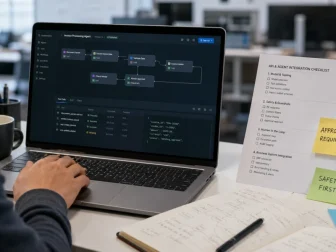
Practical OpenAI agent development is not just a chatbot demo. It requires clear tool definitions, authorization, structured outputs, human approval, logging, retries, and business-system integration boundaries.
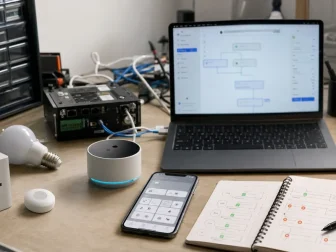
Tuya Smart MiniApps can provide a lightweight AI interaction entry point, but they should not replace device-control governance, audit, or business orchestration. This guide explains the right boundary between MiniApps, AI Agent Platform, product commands, and backend control.
Blog, IoT Tools and Platforms, Tuya IoT , July 12, 2026 , AI Agent, App SDK, Business Orchestration, Device Control, IoT Platform, Smart MiniApp, Tuya
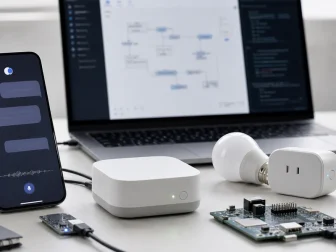
Tuya AI Agent Dev Platform is useful for fast AI interaction inside Tuya devices, apps, MiniApps, and product capabilities. Custom orchestration is better for multi-platform control, enterprise policy, audit, and model strategy.
Blog, IoT Tools and Platforms, Tuya IoT , June 16, 2026 , Agent Orchestration, AI Agent, App SDK, Device Control, IoT Platform, Smart MiniApp, System Integration, Tuya
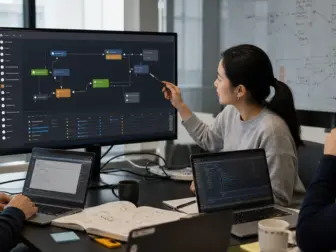
LangGraph is a strong fit for AI agent workflows that need explicit state, loops, human review, checkpoint recovery, and observability. For one-shot answers, fixed API calls, or simple automation flows, function calling or lightweight workflow tools are usually simpler.
AI and Machine Learning, Blog , June 2, 2026 , Agent Workflow, AI Agent, enterprise AI, Human in the Loop, LangGraph, State Machine, Workflow Orchestration
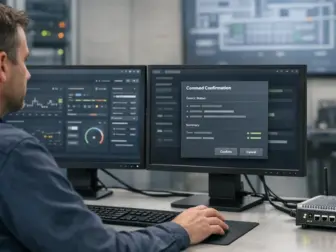
AG-UI is valuable in IoT dashboards when it makes agent state, evidence, command proposals, human confirmation, execution failure, rollback, and audit events visible without replacing the backend IoT control plane.
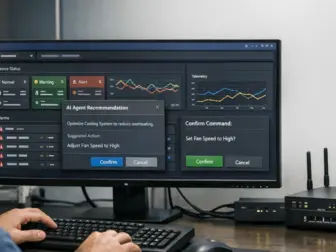
AG-UI, MCP, and Function Calling do not solve the same layer. In IoT control interfaces, AG-UI should handle user-facing agent events, MCP should govern tools and context, and Function Calling should create structured action requests inside a model call.
Learn how mcp2mqtt enables AI control of IoT via MCP over MQTT, mqtt broker, mqtt iot, and emqx.
AI and Machine Learning, Blog , August 1, 2025 , AI + Hardware, AI Agent, AIoT, Edge AI, EMQX, IoT protocols, MCP Server, MQTT, Smart Control