
Multi-Tenant Healthcare SaaS Platform with Dify AI
A healthcare software program needed a self-hosted, multi-tenant SaaS platform that could combine structured workflows, wearable data, secure access, and governed AI assistance.
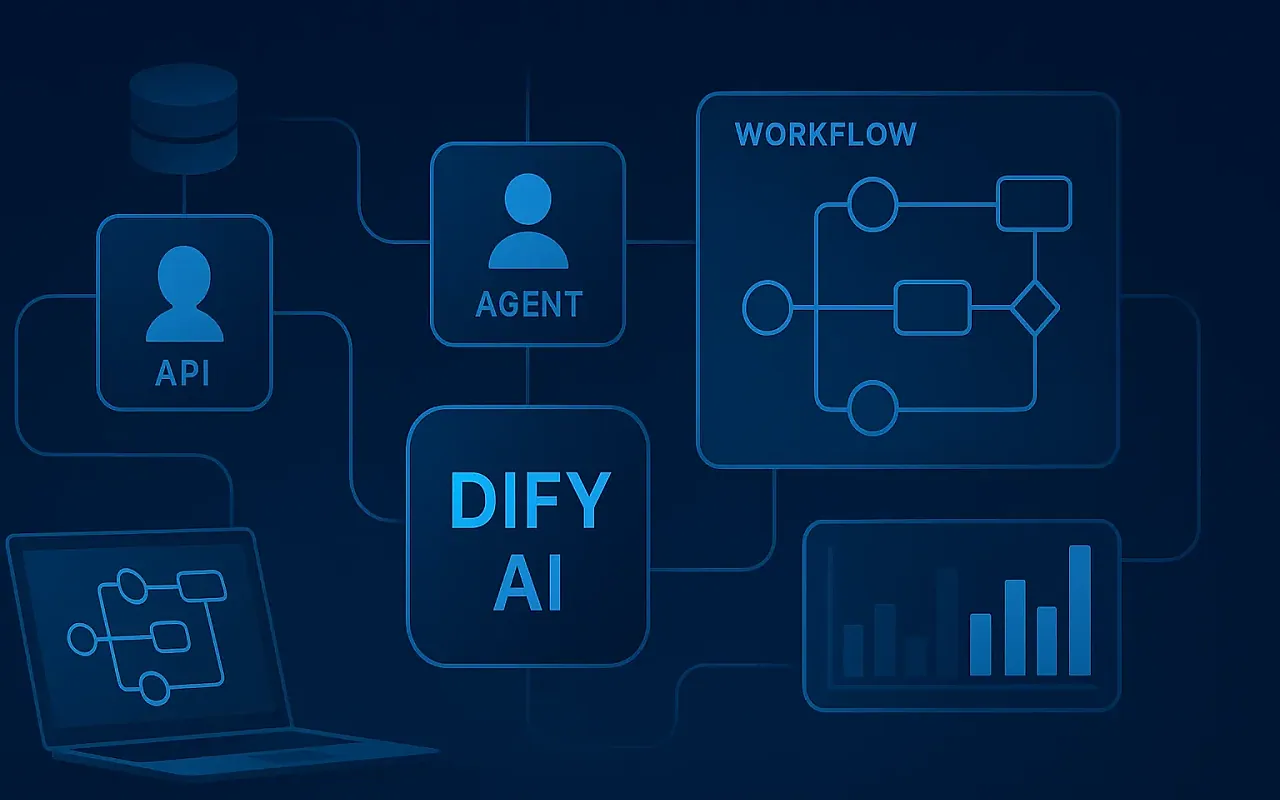
Add AI without weakening tenant, identity, and data boundaries
The platform had to separate organizations and users, integrate wearable APIs, manage knowledge sources, control retrieval and prompts, and keep human review in high-impact healthcare workflows.
- Project focus
- healthcare SaaS and Dify AI platform
- Delivery scope
- Multi-tenant SaaS + Dify workflows
- Operating goal
- Private deployment
The model was only one part of the operating system
- 01
Isolate tenants, roles, knowledge, and operational records
- 02
Connect wearable and business APIs through stable contracts
- 03
Make RAG sources visible and maintainable
- 04
Keep model output reviewable and outside unapproved clinical claims
Use Dify as one governed layer inside the SaaS architecture
ZedIoT designed the self-hosted Dify runtime, tenant-aware application services, RAG pipelines, SSO and RBAC, wearable integrations, audit records, and human review points as one platform.
Multi-tenant SaaS
Organizations, users, roles, plans, and records remain explicitly separated.
Dify workflows
Prompt, retrieval, tool, and response steps are versioned and observable.
Knowledge and RAG
Approved content is indexed, cited, refreshed, and scoped to the right audience.
Wearable integration
Device and external APIs enter through validated services rather than direct model access.
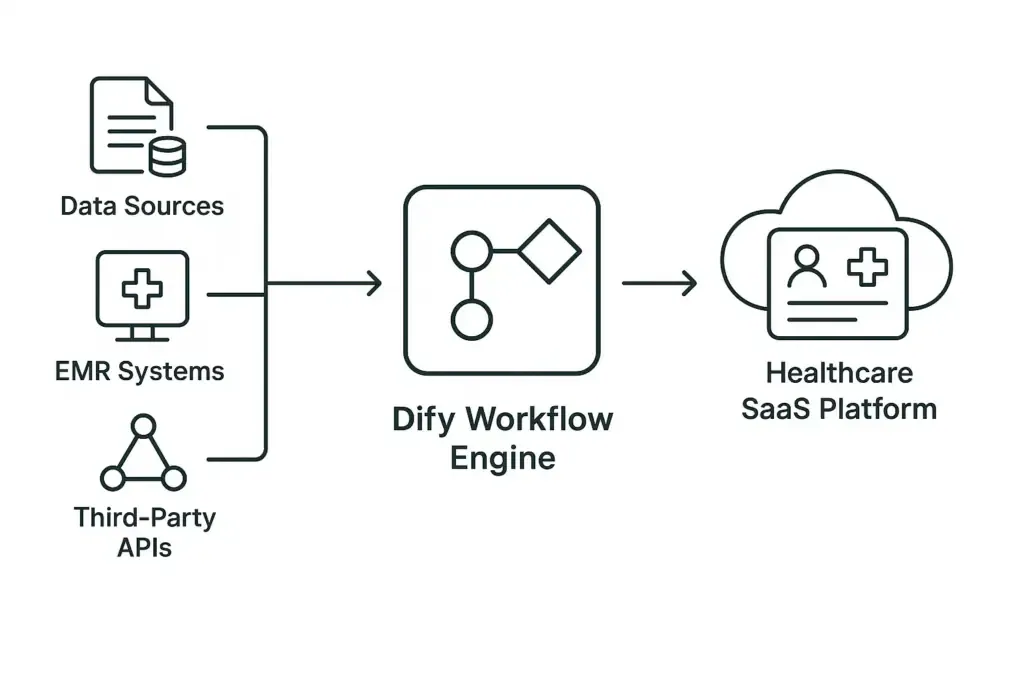
A reviewable workflow around the model
The source architecture separates healthcare data sources, Dify workflows, retrieval, tenant services, and secure application access.
A governed AI path inside a healthcare SaaS product
Authenticate
SSO and RBAC establish tenant, user, and allowed workflow.
Retrieve
The application fetches approved records and knowledge for the request.
Orchestrate
Dify coordinates the model, tools, policies, and response format.
Review
Outputs, citations, exceptions, and human decisions remain traceable.
AI automation connected to real SaaS governance
The published project reports a self-hosted platform that reduced manual reporting effort while preserving a structured path for tenant security, wearable data, and human review.
Private deployment
The AI workflow could run within the customer's controlled infrastructure and operating model.
Reusable workflows
Knowledge, prompts, tools, and response formats could be managed independently of the user interface.
Human-centered automation
AI supported reporting and information workflows without being positioned as autonomous clinical judgment.
Healthcare data, clinical use, model validation, consent, security, and regulatory obligations must be assessed for the specific market and intended workflow.
healthcare SaaS and Dify AI platform questions
What did ZedIoT deliver for this healthcare saas and dify ai platform project?
ZedIoT designed the self-hosted Dify runtime, tenant-aware application services, RAG pipelines, SSO and RBAC, wearable integrations, audit records, and human review points as one platform. The final scope depended on the customer's devices, interfaces, operating workflow, and acceptance criteria.
Can this project pattern be adapted to another product or site?
Yes. The reusable pattern is the way authenticate, retrieve, orchestrate are connected. Device protocols, deployment topology, data ownership, and operating rules are validated for each new project.
What should be confirmed before starting a pilot?
A useful pilot starts with representative hardware, interface documentation, real operating conditions, expected users, failure cases, and measurable acceptance criteria. Healthcare data, clinical use, model validation, consent, security, and regulatory obligations must be assessed for the specific market and intended workflow.
Planning a related AI + IoT project?
Share the current device or system, the operating problem, available interfaces, intended users, and the result you need to validate. ZedIoT can help define a focused prototype and production path.
- AI + IoT product architecture review
- Hardware, firmware, cloud, and application integration
- Prototype planning and production support