

Tag - ZigBee
Blog, Embedded System Development, IoT Tools and Platforms , June 13, 2026 , Device Networking, IoT Gateway, RS485, serial converter, Wi-Fi, zediot, ZigBee
Blog, Embedded System Development, IoT Tools and Platforms , June 12, 2026 , Device Networking, IoT Gateway, RS232, RS485, Serial Devices, zediot, ZigBee

Blog, Industrial Solutions , June 7, 2026 , Cold Chain Monitoring, Commercial Refrigeration, Remote Operations, Smart Freezer Controller, Wi-Fi, zediot, ZigBee
Blog, IoT Tools and Platforms, Tuya IoT , June 5, 2026 , BLE, Gateway Architecture, IoT Architecture, Matter, Sub-Devices, Thread, Tuya, ZigBee
Blog, IoT Protocols and Interoperability, IoT Tools and Platforms , May 9, 2026 , Home Assistant, Local Control, Matter, smart Home, ZHA, ZigBee, Zigbee2MQTT
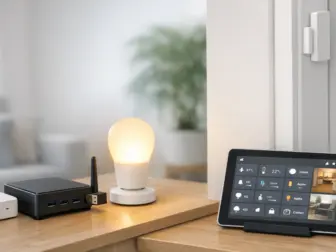
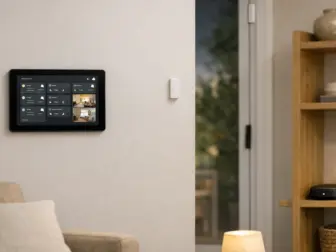
Blog, IoT Tools and Platforms , April 17, 2026 , device integration, ESPHome, Failure Isolation, Home Assistant, home automation, Local Control, Local-First, Matter, Smart Home Architecture, ZigBee

Blog, IoT Tools and Platforms, Tuya IoT , October 14, 2025 , BLE, IoT modules, module selection, smart Home, Tuya, Tuya hardware, WiFi, ZigBee
- 1
- 2
Exploring ZigBee Technology: Unleashing the Potential of Wireless Communication in IoT
Exploring ZigBee Technology: Unleashing the Potential of Wireless Communication in IoT
ZigBee is a wireless technology developed as an open global standard to address the unique needs of low-cost, low-power wireless IoT networks. The ZigBee protocol is designed for smart home and business environments, where numerous devices need to communicate with each other seamlessly and energy efficiently. It operates on the IEEE 802.15.4 physical radio specification and is used in applications that require a short-range communication framework with low power consumption.
One of the key features of ZigBee is its ability to support mesh networking. In a mesh network, nodes can connect with many other nodes in the system. This not only provides high reliability and more extensive range through the ‘multi-hop’ communication but also helps in maintaining a stable network where individual device failures do not necessarily disrupt the communication of others. This resilience makes ZigBee an excellent choice for industrial environments where reliability is paramount.
ZigBee’s low power consumption means that devices using the technology can be powered by small batteries for years, which is particularly beneficial for IoT devices that need to be operational over long periods without constant maintenance. This makes ZigBee suitable for applications such as home automation, where devices like smart thermostats, lighting systems, and security sensors are expected to function for extended periods without requiring frequent battery replacement or charging.
Moreover, ZigBee is known for its security features. It uses 128-bit symmetric encryption keys to ensure that the network communication is secure from eavesdroppers and hackers. The ZigBee network layer also supports secure joining, network layer frame protection, and device management, which provides a robust framework for implementing secure IoT solutions.
ZigBee’s flexibility is another advantage. It can be used for various applications, including home entertainment and control systems, building and industrial automation, smart energy management, and health care. ZigBee devices are interoperable, meaning that products from different manufacturers can work together, allowing a broad range of devices to communicate and form a coherent system.
Despite its many advantages, ZigBee does have limitations. It is not designed for transmitting large amounts of data, such as video streaming or large file transfers. Instead, it is optimized for small, frequent, or intermittent data transmissions. Also, while its range is adequate for most home and industrial situations, it may not be sufficient for larger outdoor deployments without the use of repeaters or more powerful antennas.
As the Internet of Things continues to grow, ZigBee’s importance is likely to increase. The rise of smart cities, smart buildings, and smart industries has created an enormous demand for connected devices that can communicate effectively while maintaining low power consumption. ZigBee’s maturity, having been around since the mid-2000s, as well as its ongoing development and adaptation, helps ensure that it will remain a key player in the IoT space.
In conclusion, ZigBee technology offers a compelling combination of low power consumption, high security, and robust communication capabilities for a wide array of IoT applications. Its mesh networking capabilities provide the reliability needed for critical applications, while its interoperability ensures that a diverse ecosystem of devices can work together seamlessly. As IoT continues to evolve, ZigBee is uniquely positioned to serve as a foundational technology for the smart, connected world of tomorrow.