

Smart Restaurant Management Software for a Global QSR Chain
A large quick-service restaurant operator needed one cloud-edge-device system for equipment, energy, store workflows, maintenance, security, customer interaction, and multi-store reporting across a published estate of more than 30,000 locations.
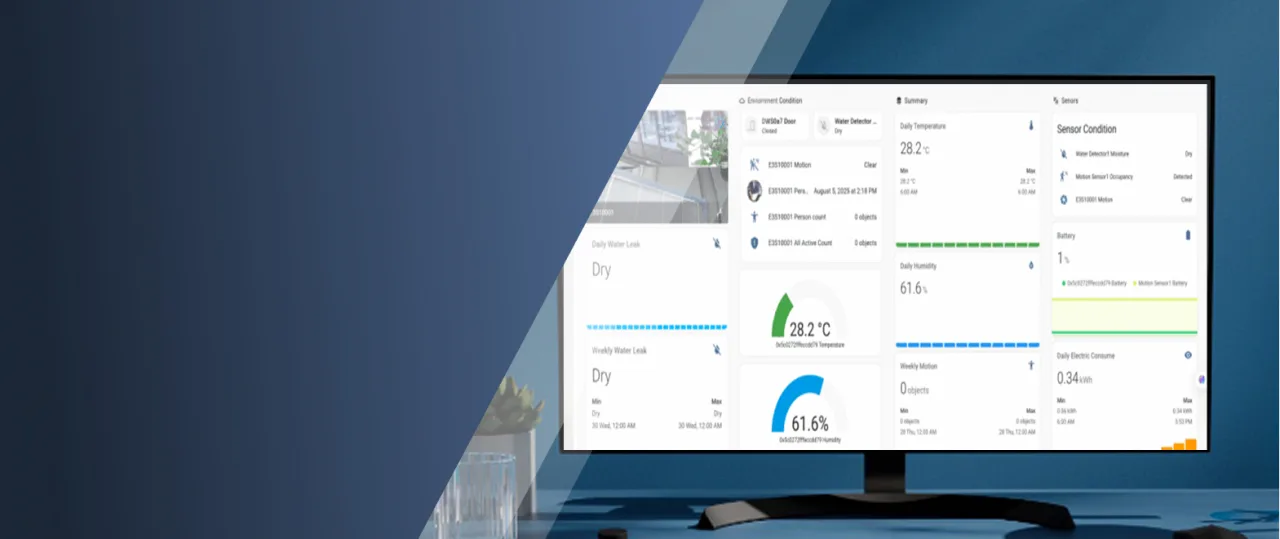
Connect thousands of stores without treating every location as a separate system
The anonymized customer is described in the published case as a leading global fast-food chain. The program combined IoT connectivity, AI interaction, edge computing, cloud analytics, and multi-terminal software to improve consistency at store and headquarters level.
- Published scale
- 30,000+ stores
- Operating model
- Cloud, edge, and device
- Primary users
- HQ, managers, staff, and service teams
A smart-store program had to improve daily operations and remain repeatable
Store equipment, energy use, maintenance, staff activity, customer flow, and headquarters instructions were managed through different processes. The customer needed a scalable operating model rather than isolated device projects.
Distributed equipment
Refrigeration, fryers, HVAC, lighting, cameras, and existing controllers required a common field path.
Store-level action
Managers needed live status, alarms, controls, energy data, and clear action at the point of operation.
HQ visibility
Regional and headquarters teams needed comparable data, alerts, messages, and reporting across stores.
Repeatable rollout
New stores and retrofits needed a standard architecture that could adapt to local equipment and site conditions.
A cloud-edge-device platform for connected restaurant operations
IoT, AI, and cloud services each own a clear part of the operating workflow while sharing one consistent store data model.
IoT: the data nervous system
Sensors, smart controllers, cameras, equipment retrofits, and an edge box collect and normalize store data while preserving local operation.
AI: the interactive brain
Voice interaction, staff assistance, customer engagement, computer vision, and dynamic store views add intelligence to the operating workflow.
Cloud: the central control system
Mass data storage, scenario automation, alarms, reports, energy analysis, scheduling, and multi-store permissions support headquarters operations.
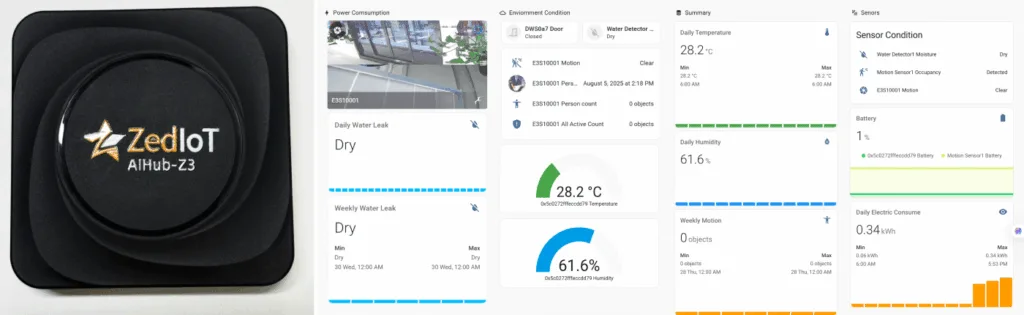
Give headquarters and store managers the right level of control
Headquarters receives regional dashboards, fault alarms, energy trends, notifications, and procurement signals. Store managers use an in-store interface for equipment status, control, scenario switching, energy statistics, and headquarters instructions.
The hardware layer includes an edge box with offline storage, connected controllers for legacy equipment, smart cameras, sensors, and interactive devices.
Move from field signal to coordinated store and headquarters action
Equipment, energy, environment, customer flow, and service events create the live store record.
Edge services buffer data, run local controls, and preserve key workflows during connection loss.
Cloud services compare stores, route alerts, apply scenarios, and produce reports.
Managers, staff, service teams, and headquarters respond with consistent evidence.
Reported improvements across efficiency, experience, and operating cost
These figures describe the documented program. New deployments require their own baselines, acceptance criteria, equipment mix, and rollout validation.
Efficiency
- Published fault response improved from two hours to fifteen minutes
- Reported equipment fault rate fell 40%
- Automated reporting saved eight hours per store each month
Customer experience
- Published wait time fell 20%
- Reported customer complaints fell 35%
- Interactive in-store services increased customer engagement
Cost and sustainability
- Published energy consumption fell 25%
- Remote monitoring reduced routine manual checks
- Equipment life was reported to increase through better maintenance
Shift from fragmented store tools to one repeatable operating model
Before
- Manual equipment checks and delayed fault response
- Separate energy, maintenance, and store records
- Limited headquarters visibility into local operating conditions
- Store-by-store deployment and inconsistent workflows
After
- Remote status, alerts, controls, and service evidence
- Comparable energy, equipment, and operating data
- Multi-terminal workflow for HQ, managers, and field teams
- A reusable cloud-edge-device architecture for rollout
QSR and smart restaurant management questions
What is smart QSR management software?
It is a multi-store operations platform that connects equipment, energy, maintenance, store workflows, alerts, reporting, and optional AI capabilities across headquarters, regional, and store users.
Why use edge computing in a smart restaurant?
Edge services can connect local equipment, buffer data during network interruptions, preserve selected local workflows, and reduce the need for every controller or sensor to communicate directly with cloud systems.
Can existing refrigeration, HVAC, lighting, and kitchen equipment be connected?
Often yes through retrofit controllers, gateways, meters, sensors, or available device interfaces. The exact path depends on equipment ownership, protocol access, control safety, warranty, and installation constraints.
How does the platform support headquarters and store managers differently?
Headquarters can compare regions, stores, alerts, energy, and service performance. Store managers receive local equipment status, controls, scenarios, instructions, and evidence tied to immediate operating action.
How should a multi-store IoT rollout start?
Start with a representative store pilot, a small set of equipment categories, defined operating workflows, measurable baselines, offline behavior, and an installation and support process that can be repeated.
Planning a smart-store or multi-location operations platform?
Share the store count, equipment categories, current systems, operating workflows, energy goals, service model, and rollout constraints. We will help define a focused pilot and scalable architecture.
- AI + IoT product architecture review
- Hardware, firmware, cloud, and application integration
- Prototype planning and production support