

Tag - ESP32-S3
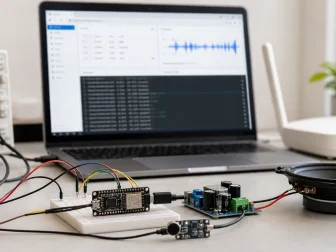
Blog, Embedded System Development, IoT Tools and Platforms , June 20, 2026 , ESP32-S3, ESPHome, Home Assistant, I2S, Local Smart Home, Voice Assistant, Voice Satellite
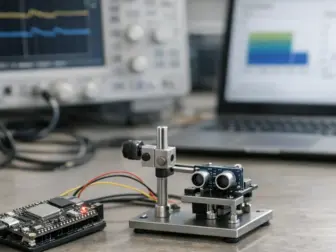
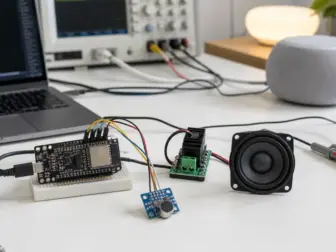
Blog, Embedded System Development, IoT Tools and Platforms , May 10, 2026 , Edge Interaction, ESP32-S3, ESPHome, Home Assistant, I2S, MEMS Microphone, PDM, Voice Assistant, Voice Satellite
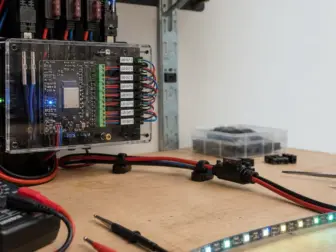
Blog, IoT Protocols and Interoperability , May 8, 2026 , Addressable LEDs, Edge Control, ESP32, ESP32-S3, LED Controller, RMT, SK6812, WLED, WS2812
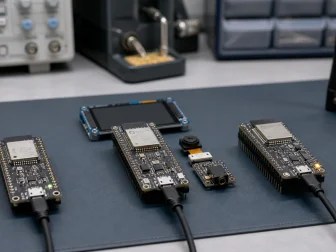
Blog, Embedded System Development , March 26, 2026 , chip selection, Custom Firmware, ESP32, ESP32-C3, ESP32-C6, ESP32-S3, Espressif, Firmware, IoT Device, Matter, Wi-Fi 6
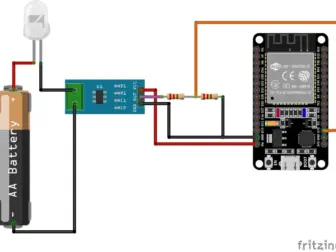
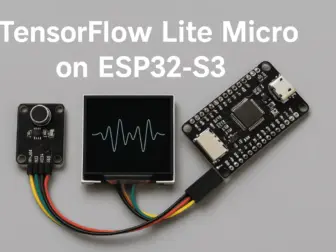
Blog, Edge Computing and Data Analytics , October 29, 2025 , Edge Intelligence, embedded AI, ESP32-S3, On-device Inference, TensorFlow Lite Micro, Wake Word Detection