Blogs

Winter Bus Maintenance: How IoT Technology Enhances Fleet Efficiency and Safety

As winter approaches, the transportation industry faces unique challenges, especially when it comes to maintaining a fleet of buses that must navigate through harsh weather conditions. In recent years, the integration of Internet of Things (IoT) technology has revolutionized various sectors, and the realm of bus maintenance is no exception. In this blog post, we will explore the innovative ways in which IoT is transforming bus maintenance during winter, ensuring smoother operations, enhanced safety, and increased efficiency.

1. Predictive Maintenance for Winter-Ready Buses

A primary benefit of IoT in bus maintenance is the adoption of predictive maintenance. Equipping buses with sensors enables real-time monitoring of essential components, including engines, brakes, and heating systems. These IoT devices collect performance data, identify irregularities, and foresee impending problems, thus averting breakdowns and ensuring dependable, efficient transportation, especially during winter.

2. Condition Monitoring in Cold Environments

Winter weather strains bus operations, with cold affecting batteries, fluids, and parts. IoT condition monitoring is a tech solution that safeguards buses by using networked sensors to monitor vehicle health, from battery levels to engine temperatures. These sensors provide real-time data, allowing for quick identification of issues like low battery charge or thickened oil. Alerts from the system enable maintenance teams to act swiftly, preventing problems before they worsen, which is key during winter when breakdowns pose greater risks. IoT’s proactive approach improves safety, reduces wear, and extends fleet life by facilitating predictive maintenance and efficient fleet management.

ly9zdabpzap7dmtp

3. Remote Diagnostics for Quick Resolutions

IoT has transformed public transport maintenance, facilitating off-site diagnostics and quick fixes, crucial in winter. Equipped buses send real-time issue reports for prompt malfunction identification, such as engine problems or tire pressure issues. Remote repairs, like software updates, keep buses running and minimize delays. These immediate, system-wide updates boost efficiency and safety, leading to more reliable public transit, higher ridership, reduced downtime, and lower costs. Additionally, smoother operations contribute to less traffic and emissions, aligning with environmental objectives. IoT showcases how digital innovations enhance urban mobility, ensuring safe maintenance and reliable service, particularly in winter conditions.

4. Efficient Heating System Management

As winter approaches, efficient heating in public buses is crucial for comfortable commutes and maintaining vehicle health. IoT technology revolutionizes bus heating by collecting real-time data on external temperatures, passenger numbers, and route conditions. This information allows for automatic adjustments to maintain consistent internal temperatures, enhancing energy efficiency, reducing fuel consumption, and minimizing carbon emissions.Smart heating systems not only ensure passenger comfort but also prevent mechanical issues and reduce maintenance costs. Overheating can damage bus parts, while insufficient heating can lead to frozen systems or buses being sidelined. IoT advancements keep transportation reliable, avoiding schedule disruptions and protecting the transit authority’s reputation.In essence, IoT integration in bus heating systems offers a multi-benefit solution to public transportation challenges in winter. It optimizes performance and service quality, making every journey reliably warm and efficient, showcasing the impact of intelligent systems on our daily commutes.

p04viDrRfDM3D

5. Data-Driven Decision-Making for Winter Operations

The wealth of data collected through IoT devices empowers transportation companies with valuable insights. Analytics on fuel consumption, maintenance patterns, and environmental conditions allow for data-driven decision-making. Operators can optimize routes, schedule maintenance tasks strategically, and make informed decisions to enhance overall operational efficiency, especially during the demanding winter months.

Conclusion:

Incorporating IoT into bus maintenance during winter proves to be a game-changer for the transportation industry. From predictive maintenance to remote diagnostics and data-driven decision-making, these smart solutions contribute to a more resilient and efficient bus fleet. As we navigate the challenges posed by winter weather, IoT emerges as a beacon of innovation, ensuring that buses remain reliable, safe, and ready to tackle the road ahead.

Comparing Three Major Wireless Communication Protocols: Bluetooth, WiFi, ZigBee

In today’s interconnected world, wireless communication protocols play a crucial role in connecting devices and transmitting data. Bluetooth, WiFi, and ZigBee are three common wireless communication standards, each with unique applications in different scenarios. This article will compare these three protocols, revealing their characteristics, advantages, disadvantages, and applicability in various use cases.

1. Bluetooth Protocol

Characteristics:

  • Short-Range Efficient Communication: Bluetooth is primarily used for short-range communication, making it the preferred protocol for connecting devices like headphones, keyboards, and mice.
  • Low Power Consumption: Bluetooth Low Energy (BLE) version is suitable for IoT devices, offering low power consumption for prolonged usage without heavily impacting device batteries.
  • Widespread Usage: Bluetooth is widely adopted, with almost all modern devices supporting Bluetooth connectivity. The technology has evolved to Bluetooth 5.0, providing significant improvements in transmission speed and range.
  • Ease of Use: Simple to connect, devices can establish communication within seconds without complex settings.

Disadvantages:

  • Limited Range: Suitable for short-distance communication, not ideal for large-scale coverage. Bluetooth uses electromagnetic waves to transmit data, typically within a range of 10 meters. It struggles to cover larger areas.
  • Slow Data Transfer Rates: Compared to similar technologies, Bluetooth has relatively slower data transfer rates, making it less suitable for transmitting large amounts of data.

2. WiFi Protocol

Characteristics:

  • High-Speed Data Transfer: WiFi offers high data transfer speeds, making it suitable for scenarios requiring substantial data transfer. It is an efficient data transmission method for activities like video calls, online streaming, and cloud storage.
  • Used in Home and Enterprise Networks: WiFi is commonly used to connect computers, smartphones, and smart home devices.

Advantages:

  • Fast and Stable: Provides a fast and stable connection, suitable for high-demand scenarios like video streaming and online gaming.
  • Large-Scale Coverage: Can cover entire homes, offices, and public spaces, allowing devices to connect to the network anywhere.
  • High Security: WiFi can implement various security measures, such as WPA and WPA2 encryption algorithms and MAC address filtering, ensuring privacy and data security.

Disadvantages:

  • Higher Power Consumption: Compared to Bluetooth and ZigBee, WiFi has higher power consumption, making it less suitable for low-power devices.

3. ZigBee Protocol

Characteristics:

  • Low-Power Short-Range Communication: ZigBee boasts lower power consumption compared to WiFi and Bluetooth, enabling the use of smaller batteries and extending device battery life. It typically operates in the 2.4GHz frequency band with a transmission range of 10-100 meters, suitable for smart home devices and industrial automation.
  • Self-Organizing Network: ZigBee devices can automatically form networks, creating a flexible topology.

Advantages:

  • Low Power Consumption: Ideal for battery-powered devices, ensuring prolonged operation.
  • Self-Organizing Network: Rapidly forms networks without manual intervention, suitable for quick deployment and flexible connections.

Disadvantages:

  • Slower Data Transfer Rates: Suited for low-data-rate applications, less suitable for high-speed transmission requirements.

Comparative Summary

  • Distance Coverage: Bluetooth for short-range, WiFi for large coverage, ZigBee for low-power short-range.
  • Power Consumption: ZigBee excels in low power, suitable for prolonged usage.
  • Data Transfer Speeds: WiFi provides high-speed data transfer for data-intensive applications.
  • Application Range: Bluetooth is versatile, WiFi for home and enterprise, ZigBee for IoT devices.

Future Outlook

Choosing between Bluetooth, WiFi, or ZigBee protocols requires a balance based on specific application scenarios and device requirements. Understanding the unique features of these protocols and selecting the appropriate wireless communication protocol is crucial for building an efficient and stable wireless communication network. As technology continues to advance, these three protocols will continue to play a crucial role in different application scenarios, driving the continuous development of wireless communication technology.

Revolutionizing Aquaculture: The Key Benefits of IoT Technology for Efficient and Intelligent Farming

With the continuous advancement of technology, Internet of Things (IoT) has permeated various fields and greatly promoted the intelligent upgrading of industries. As an important source of food, aquaculture has also entered a new era of efficiency and intelligence with the support of IoT technology. This article will delve into the core value of IoT technology in the field of aquaculture, key components and architecture, as well as innovative applications in water quality management, automated feeding, and disease prevention. Additionally, a comparison will be made between traditional farming and IoT farming in terms of performance, showcasing the revolutionary changes brought by IoT technology.

The Core Value and Overview of IoT Technology in Aquaculture

The core value of IoT technology in aquaculture lies in real-time monitoring, data-driven decision-making, and automated management. By deploying sensors and devices in aquaculture facilities, critical indicators such as water quality, temperature, and fish health can be obtained in real-time. These data are vital for maintaining stable aquatic environments and improving farming efficiency. IoT technology enables farmers to grasp subtle changes in the farming environment in real-time and respond swiftly, ensuring the healthy growth of aquatic organisms.

The proliferation of IoT technology also brings the possibility of intelligent management. Through integrated management platforms, farmers can centrally control and analyze the farming environment, achieving functions such as automated feeding, environmental regulation, and disease early warning. Such intelligent measures not only enhance farming efficiency but also help reduce resource waste and labor intensity.

Furthermore, the application of IoT technology in aquaculture makes product sourcing more transparent and traceable. By tracking the farming environment and processing of each batch of products through IoT platforms, consumers can obtain more information about product quality and safety, enhancing market trust.

Key Components and Architecture of IoT Technology in Aquaculture

The key components of IoT technology in aquaculture mainly include sensors, actuators, communication networks, and data processing platforms. Sensors are used to collect various parameters in the farming environment, such as water temperature, pH value, and dissolved oxygen. Actuators, based on sensor data and preset instructions, bring about changes in the environment, such as automatic adjustment of oxygen supply equipment. Communication networks serve as the link connecting sensors, actuators, and management platforms, ensuring real-time data transmission.

Data processing platforms play a central role in IoT technology, responsible for collecting and analyzing data from sensors, formulating corresponding response measures, and sending instructions to actuators. Modern data processing platforms are typically based on cloud computing, providing powerful capabilities for data storage, computation, complex analysis, and predictive modeling.

In terms of architecture, the IoT system in aquaculture generally adopts a hierarchical structure. The perception layer is responsible for data collection, the network layer handles data transmission, the processing layer conducts data analysis and decision-making, and finally, the application layer directly provides users with operational interfaces and decision support. This architecture design ensures system flexibility and scalability to meet the needs of different scales and types of aquaculture facilities.

Smart Monitoring System: The Application of IoT Technology in Water Quality Management

The smart monitoring system is one of the important applications of IoT technology in water quality management. Sensors continuously monitor water quality parameters such as pH value, temperature, dissolved oxygen, and salinity, ensuring the farming environment remains optimal. When water quality abnormalities are detected, the system can immediately issue alerts via mobile applications or computer interfaces, while automatically activating adjustment devices such as aerators to quickly restore suitable farming conditions.

This real-time monitoring and feedback mechanism significantly reduces the workload and error rates associated with manual monitoring, enhancing the accuracy and responsiveness of water quality management. Furthermore, long-term data accumulation enables farmers to gain historical comparisons and trend analysis, facilitating better understanding and management of the ecosystem.

Moreover, advanced smart monitoring systems integrate remote control capabilities, allowing farmers to monitor and adjust farming conditions anywhere in the world in real-time through the internet. This high level of automation and remote management not only improves efficiency but also reduces reliance on specialized personnel.

Automated Feeding: Enhancing Feed Efficiency and Controlling Farming Costs

Automated feeding systems are the key to improving feed efficiency and controlling farming costs through IoT technology. This system intelligently adjusts the amount, timing, and frequency of feed based on water quality parameters, fish activity, and growth data. This ensures that fish receive balanced nutrition, reduces feed waste, and helps prevent water quality deterioration caused by overfeeding.

The algorithms embedded in automated feeding systems can intelligently adjust feeding strategies based on the fish’s growth cycle and health status, maximizing feed conversion efficiency. This not only helps farmers reduce costs but also promotes sustainable farming practices.

In addition, through data collection and analysis using IoT technology, farmers can accurately assess the cost-effectiveness and effectiveness of feed, leading to more scientific selection and management of feed resources, further optimizing costs.

Data Analysis and Prediction: The Role of IoT Technology in Disease Prevention

Another important application of IoT technology in aquaculture is disease prevention. By continuously monitoring and analyzing data such as water quality parameters, fish behavior, and environmental factors, farmers can promptly detect signs of disease. For example, a decrease in fish activity may indicate water quality issues or the onset of a disease.

Data analysis and prediction tools, utilizing historical data and machine learning algorithms, can forecast the risk of disease outbreaks, enabling farmers to take preventive measures in advance. This plays a crucial role in reducing the impact of diseases and ensuring the overall health of aquaculture.

IoT in Medical Industry: Revolutionizing Healthcare

In the dynamic realm of healthcare, technological innovations have become the driving force behind unprecedented improvements. At the forefront of this revolution is the integration of the Internet of Things (IoT), a transformative force poised to reshape patient care, streamline operations, and usher in a new era of connected healthcare.

IoT in Healthcare: A Paradigm Shift

The integration of IoT in healthcare is not merely an evolution; it’s a paradigm shift. This interconnected network of devices, sensors, and systems is redefining how we approach patient care, treatment strategies, and the overall healthcare experience.

Real-time Patient Monitoring

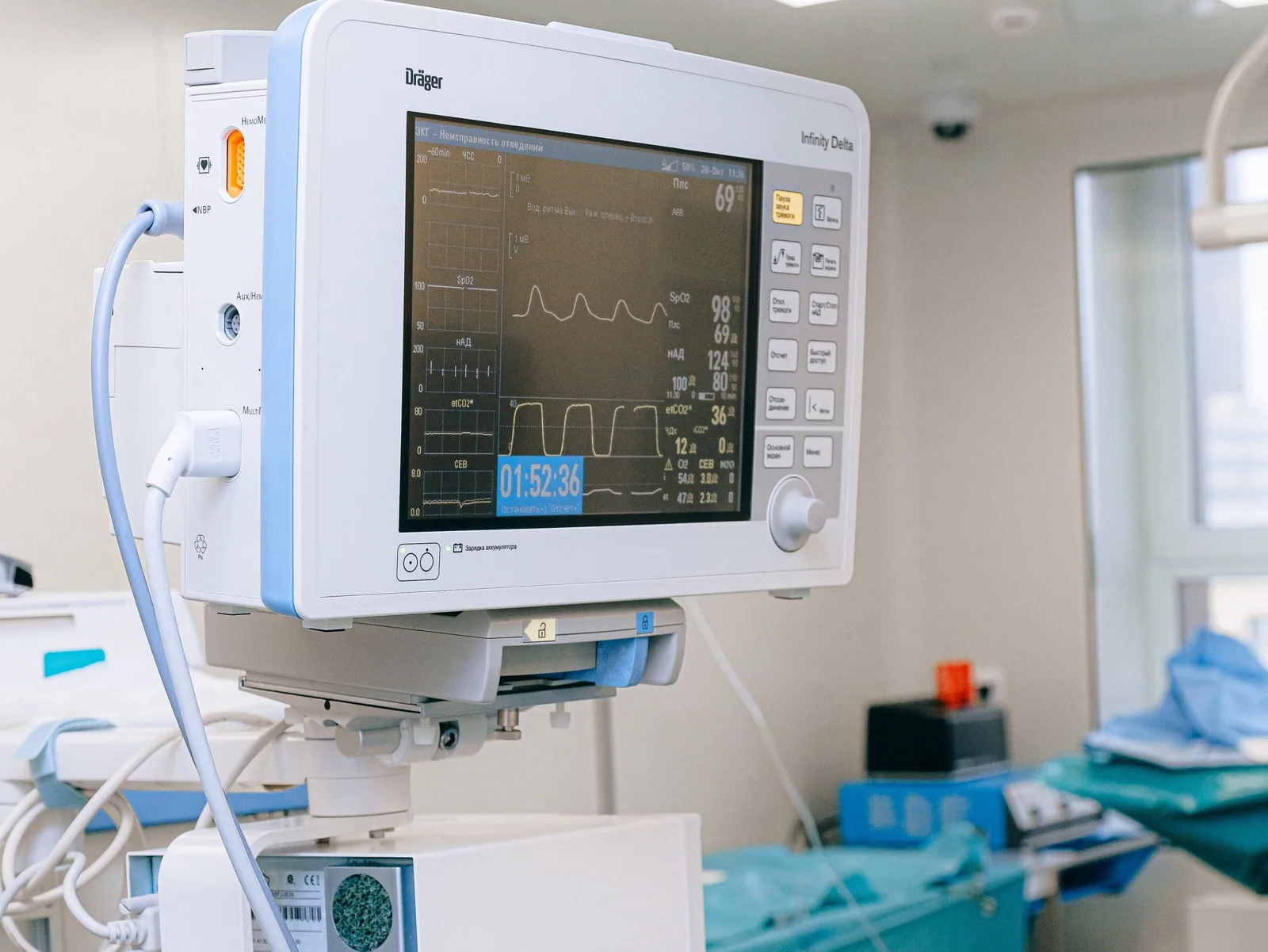
One of the most impactful applications of IoT in healthcare is real-time patient monitoring. Through wearable devices and sensor technologies, healthcare providers can access a continuous stream of data, allowing for timely interventions and a more comprehensive understanding of a patient’s health status. IoT in healthcare brings forth a new era of proactive and personalized patient care.

Patient Monitoring edited scaled

Precision Medicine and IoT Integration

The synergy between precision medicine and IoT is revolutionizing treatment approaches. ‘IoT in healthcare’ means collecting and analyzing vast datasets to tailor medical interventions based on an individual’s unique genetic makeup, lifestyle choices, and real-time health metrics. This personalized approach is reshaping the landscape of healthcare, promising more effective treatments and improved patient outcomes.

IoT-enabled Medical Devices

From smart insulin pumps to connected pacemakers, the proliferation of IoT in healthcare is evident in the array of smart medical devices. These devices offer real-time data transmission, allowing healthcare professionals to remotely monitor and adjust treatments, fostering a more responsive and patient-centric healthcare ecosystem.

Medical Devices

Data-driven Decision Making

Data is king. The wealth of information generated by IoT devices is a game-changer for medical research and decision-making. Big data analytics unlock patterns and correlations, providing invaluable insights for disease prevention, early detection, and optimized treatment strategies.

Enhancing Patient Engagement with IoT

IoT empowers patients to become active participants in their well-being. Through smart apps and devices, individuals can monitor their health, schedule appointments, and access medical information with unprecedented ease. This heightened patient engagement fosters a more collaborative and informed healthcare journey.

Patient 1 edited scaled

Conclusion

The transformative power of IoT is not just about technology; it’s about enhancing patient outcomes, improving operational efficiency, and creating a healthcare ecosystem that is truly interconnected. 

A Dive into IoT Types and Features Shaping Our Connected World

The Internet of Things (IoT) encompasses a wide range of technologies and applications that connect everyday devices and objects to the internet, enabling them to collect and exchange data. There are various types of IoT devices, each with its own unique features, serving different purposes across diverse industries.

Common IoT Types and their Key Features:

  1. Wearable Devices:
    • Features: Wearable IoT devices, such as smartwatches and fitness trackers, are equipped with sensors to monitor and collect data related to health, fitness, and daily activities. They often provide real-time feedback, track biometrics, and facilitate communication with other devices.
  2. Smart Home Devices:
    • Features: Smart home IoT devices include thermostats, lights, cameras, and appliances that can be controlled remotely. They offer features like energy efficiency, automation, and the ability to create interconnected smart home ecosystems for enhanced convenience and security.
  3. Industrial IoT (IIoT):
    • Features: IIoT involves connecting industrial equipment and machinery to the internet for improved monitoring, analysis, and control. Key features include real-time data collection, predictive maintenance, and the optimization of industrial processes for increased efficiency and reduced downtime.
  4. Connected Vehicles:
    • Features: IoT is revolutionizing the automotive industry by enabling connectivity in vehicles. Features include GPS navigation, vehicle-to-vehicle communication, real-time diagnostics, and advanced driver assistance systems (ADAS) for enhanced safety and convenience.
  5. Smart Cities:
    • Features: IoT contributes to the development of smart cities by integrating technology into urban infrastructure. Features include smart street lighting, waste management, traffic monitoring, and environmental sensors for efficient resource utilization and improved quality of life.
  6. Healthcare IoT:
    • Features: IoT in healthcare involves connected medical devices, remote patient monitoring, and healthcare systems. Features include real-time patient data monitoring, personalized treatment plans, and improved communication among healthcare professionals for better patient outcomes.
  7. Agricultural IoT (AgriTech):
    • Features: AgriTech IoT devices are used in precision farming for monitoring and managing crops, livestock, and environmental conditions. Features include soil sensors, automated irrigation systems, and drones for efficient and sustainable agricultural practices.
  8. Retail IoT:
    • Features: Retail IoT enhances customer experiences and streamlines operations. Features include inventory tracking, smart shelves, personalized shopping experiences through beacons, and supply chain optimization for increased efficiency.
  9. Smart Grids:
    • Features: IoT is applied in utility infrastructure for the creation of smart grids. Features include real-time monitoring of energy consumption, grid optimization, and the integration of renewable energy sources for a more sustainable and resilient power distribution system.
  10. Environmental Monitoring:
    • Features: IoT devices are used to monitor and collect data on environmental parameters such as air and water quality. Features include sensors for pollution detection, climate monitoring, and early warning systems for natural disasters.

In summary, the diverse types of IoT devices cater to a wide array of applications, bringing connectivity, automation, and data-driven insights to various industries. The common thread among these devices is their ability to enhance efficiency, improve decision-making, and create more convenient and intelligent ecosystems.

Exploring the Medical Internet of Things

With the rapid development of technology, the field of healthcare is gradually moving towards a new future characterized by intelligence, convenience, and efficiency. In the wave of this transformation, the Internet of Medical Things (IoMT), as an innovative engine in the healthcare sector, is painting an infinite canvas of possibilities for the future of smart healthcare.

The IoMT is a technological system that interconnects medical devices, sensors, and data, aiming to achieve comprehensive sharing and real-time monitoring of medical information. By connecting medical devices to the internet, the IoMT creates a highly intelligent and interconnected healthcare ecosystem, triggering profound changes in healthcare models.

Real-time Monitoring and Remote Healthcare:

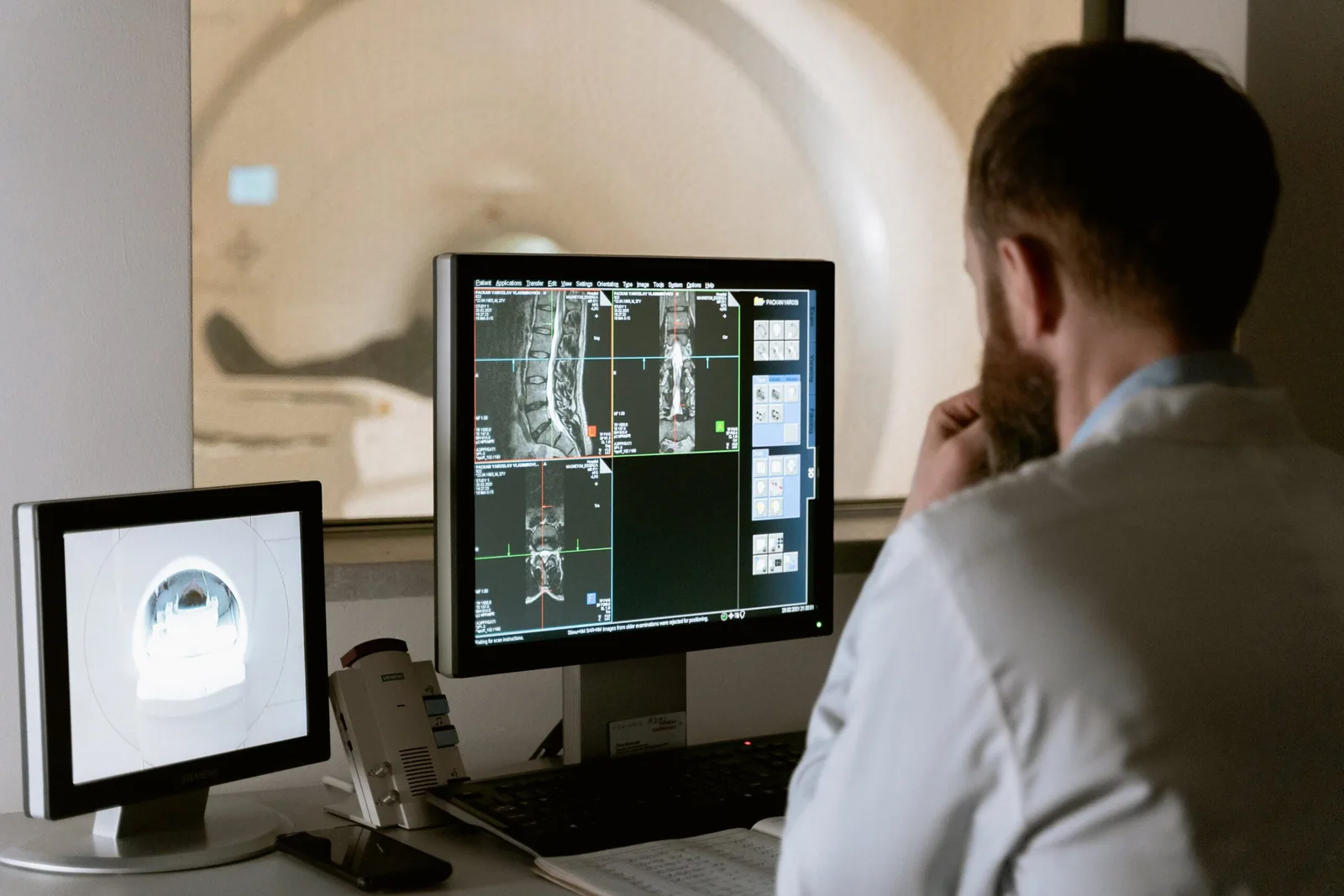
The IoMT tightens the connection between doctors and patients. Physiological indicators, changes in the patient’s condition, and other data can be transmitted in real-time to healthcare providers through sensors, enabling real-time monitoring and remote healthcare. No longer constrained by time and space, doctors can remotely view patient data at any time, providing accurate medical advice and treatment plans. This not only benefits patients but also significantly improves healthcare efficiency.

Personalized Treatment and Prevention:

The IoMT, by collecting patients’ health data and lifestyle habits, provides healthcare providers with more comprehensive information. Based on this data, doctors can formulate personalized treatment plans and provide precise medical interventions based on the patient’s actual condition. Additionally, the IoMT can predict the risk of diseases, helping doctors take preventive measures in advance and achieve early diagnosis and management of illnesses.

Application of Smart Medical Devices:

Smart medical devices are a crucial component of the IoMT, with a wide range of applications. From smart thermometers and blood pressure monitors to wearable devices, these devices can monitor the patient’s health status in real-time and transmit data to the internet. Patients and doctors can stay informed about the patient’s health condition at any time through smart devices, leading to better disease management and treatment.

Big Data Analysis and Medical Research:

The vast amount of data generated by the IoMT provides valuable resources for medical research. Analyzing this data can reveal new patterns in diseases, and information about the efficacy of drugs, and drive innovation in medical research. Big data analysis can also help doctors make more accurate diagnoses and treatment decisions, enhancing the quality of healthcare.

Enhancement of Medical Experience:

The application of the IoMT not only improves healthcare efficiency but also enhances the medical experience for patients. Patients can easily access health information, make doctor appointments, and check reports through smart devices, significantly reducing waiting times and unnecessary hassles. This intelligent medical experience brings more comfort and convenience to patients.

The IoMT, with its captivating charm, is opening a new chapter in the future of smart healthcare. Features such as real-time monitoring, personalized treatment, smart medical devices, and big data analysis are profoundly changing the face of the healthcare industry, bringing more opportunities and well-being to healthcare professionals and patients. With continuous technological progress, the IoMT will undoubtedly continue to create more possibilities, injecting sustained vitality into the cause of human health.

Exploring the Synergy Between 5G Technology and IoT

The union of 5G technology and the Internet of Things (IoT) stands as a transformative force, poised to reshape the way we connect, communicate, and innovate. In this blog, we’ll delve into the profound impact of 5G on IoT, unlocking new possibilities and ushering in an era of unprecedented connectivity.

The 5G Revolution: Speeding into the Future

5G, the fifth generation of wireless technology, represents a quantum leap forward in terms of speed, latency, and capacity. With data transfer rates up to 100 times faster than its predecessor, 5G serves as the catalyst for a paradigm shift in connectivity, providing the foundation for the next wave of technological advancements.

Accelerating IoT with 5G

Enhanced Speed and Low Latency

The hallmark of 5G lies in its ability to transmit data at remarkable speeds, virtually eliminating latency. For IoT devices, this translates to real-time responsiveness, enabling applications that demand instant feedback, from smart homes to autonomous vehicles.

Massive Device Connectivity

One of the key strengths of 5G is its capacity to connect a vast number of devices simultaneously. In an IoT-driven world, where billions of devices are expected to be interconnected, 5G’s ability to handle massive device connectivity is paramount, fostering a seamlessly connected ecosystem.

Transformative Impact on IoT Applications

Smart Cities Redefined

5G empowers the vision of smart cities, where IoT sensors and devices collaborate to optimize traffic flow, reduce energy consumption, and enhance public safety. From intelligent traffic management to environmental monitoring, 5G lays the groundwork for a more efficient and sustainable urban landscape.

Industrial IoT Revolution

In the realm of Industrial IoT (IIoT), 5G is a game-changer. The combination of high-speed, low-latency connectivity allows for real-time monitoring, predictive maintenance, and enhanced automation in manufacturing processes. This results in increased efficiency, reduced downtime, and substantial cost savings.

Overcoming Challenges and Embracing Opportunities

While the promise of 5G for IoT is immense, challenges such as infrastructure deployment, security concerns, and standardization must be addressed. However, as these challenges are navigated, the opportunities for innovation and advancement in various sectors become increasingly apparent.

The Future Unveiled: What Lies Ahead?

As 5G continues to roll out globally and IoT applications become more pervasive, the future is filled with possibilities. From augmented reality experiences to advanced healthcare applications, the synergy between 5G and IoT will drive unprecedented advancements, transforming the way we live, work, and interact with technology.

A Connected Tomorrow

In conclusion, the fusion of 5G technology and IoT is not just a technological evolution; it’s a revolution that propels us into a future where connectivity knows no bounds. The combination of lightning-fast speeds, minimal latency, and the ability to connect an abundance of devices heralds a new era of innovation and connectivity, bringing us closer to a world where the potential of technology is limited only by our imagination.

NetAssist – Free TCP/IP Network Debugging App for Windows & IoT Developers

NetAssist, often referred to as the NetAssist app, is a lightweight Windows-based TCP/IP network debugging tool used by IoT and embedded developers. It helps engineers test TCP and UDP communication, verify data integrity, and simulate real-time network behavior between connected devices.

While many users search for “NetAssist app,” it’s technically a standalone software tool, not a mobile application. Its portable single-executable design (no installation required) makes it ideal for quick testing, network troubleshooting, and protocol simulation across various Windows environments.


What Is the NetAssist Tool (or App)?

NetAssist is a free, portable network debugging utility that supports both IPv4 and IPv6 protocols. It integrates TCP and UDP client/server functions, allowing developers to simulate communication between multiple devices or software applications.

As “green software,” NetAssist runs directly from its .exe file — no Microsoft .NET framework or installation is needed. This makes it convenient for developers who need a fast, reliable debugging environment that works on any Windows machine.


How to Download and Use the NetAssist App

Download

You can find the official NetAssist tool on trusted software sites or GitHub repositories. Search for “NetAssist app free download” or “NetAssist v5.0.2 download” to get the latest version. The tool is completely free and requires no setup — just extract and launch the NetAssist.exe file.

Quick Start Guide

  1. Open NetAssist.exe on Windows.
  2. Select TCP Server, TCP Client, or UDP mode.
  3. Configure your IP address and port.
  4. Send and receive data packets to verify connectivity.
  5. Switch between HEX and ASCII modes to analyze data formats.

💡 Tip: You can open two instances of NetAssist — one as a TCP server and the other as a client — to perform bidirectional communication testing locally or between two devices.


Key Features of NetAssist for IoT Debugging

  1. Platform Compatibility: NetAssist is a green software, requiring no installation and possessing a single executable file, compatible with various versions of Windows OS, and does not require Microsoft’s dotNet framework support​.
  2. TCP and UDP Support: It offers modes for TCP Server, TCP Client, and UDP, providing flexibility for various networking scenarios​.
  3. Data Transmission Modes: NetAssist supports ASCII/Hex data transmission, allowing conversion between hexadecimal and ASCII codes. It also supports the transmission and display of Chinese characters​.
  4. Advanced Data Handling Features: These include automatic transmission of checksums, support for multiple checksum formats, dynamic script code sending, and auto-reply functionality. It can also import data from files for transmission and supports ANSI and UTF8 encoding for text transmission​.
  5. Customization and Ease of Use: The interface supports both English and Chinese, adapting automatically to the OS language. The software also allows for customization of the interface window’s background and font​.

How IoT Developers Use the NetAssist Tool

  1. TCP and UDP Client/Server Testing: NetAssist allows for testing in TCP and UDP modes. For TCP, it can open as a server and then connect as a client to this server for bi-directional data transmission. In UDP mode, since it’s a connectionless protocol, the software can perform tests by filling in the IP and port of the UDP communication partner​.
  2. Control and Debugging of Networked Devices: For instance, it can be used to control network cameras by sending specific commands to the camera’s IP address and port. The responses from the camera are displayed in the software, facilitating debugging and control​​.
  3. Testing Scenarios: In a typical testing scenario, a user can open NetAssist in TCP Server mode on one instance and in TCP Client mode on another. By connecting the client to the server, they can perform bidirectional data transmission tests, crucial for verifying the integrity of network communications​​.
  4. Customization and Protocols: NetAssist supports customization for different use cases and is compatible with major network protocols. It also includes simulators for specific protocols like JT/T808, Modbus, and IEEE754 format converters, making it an indispensable tool for professionals working with varied communication protocols and standards​.

NetAssist emerges as a comprehensive iot tool for professionals in network application development and testing. Its blend of functionality, ease of use, and advanced features make it an ideal choice for various network debugging scenarios. By providing a detailed understanding of its capabilities and applications, professionals can leverage NetAssist to enhance their development and troubleshooting processes effectively.

ZedIoT icon
Struggling with device debugging or unstable firmware? Share your specs — get a diagnostic plan within 48 hours.

NetAssist vs Other Network Debug Tools

FeatureNetAssistHerculesDocklight
Free to use
Portable (no install)
TCP & UDP modes
Auto checksum
Scripted send / auto reply

Compared with alternatives like Hercules or Docklight, NetAssist stands out for its simplicity, automation capabilities, and ease of use — all while remaining completely free.


Conclusion

The NetAssist tool, often called the NetAssist app, remains one of the most practical and reliable TCP/IP debugging utilities for developers and IoT engineers. With its free access, lightweight design, and advanced data-handling features, it significantly improves the efficiency of network testing, device communication, and protocol verification in IoT environments.


Recommended Reading:


Explore how ZedIoT provides expert IoT solutions for IoT testing, debugging, and deployment.

What Is IoT Development? A Guide for Beginners & Developers

IoT development refers to the process of designing, building, and maintaining Internet of Things (IoT) solutions. The development of IoT involves hardware integration, software programming, and cloud connectivity to enable smart devices to collect and exchange data.

The Internet of Things (IoT) development has emerged as a revolutionary force, seamlessly interweaving the physical and virtual worlds. At the heart of this transformative wave lies IoT development—a dynamic and innovative field that holds the key to unlocking unprecedented connectivity and efficiency across industries.

What is IoT Development and How Does It Work?

Before delving into the intricacies of IoT development, let’s grasp the essence of the Internet of Things. Simply put, IoT refers to the network of interconnected devices, objects, and systems that communicate and share data with each other over the internet. These devices can range from everyday objects like refrigerators and thermostats to complex machinery in industrial settings.

The Promise of Connectivity

The primary goal of IoT is to enable these devices to collect, exchange, and analyze data in real-time, fostering a level of connectivity that transcends traditional boundaries. Imagine a world where your home adapts to your preferences, your car communicates with traffic signals, and your city optimizes energy consumption based on real-time demand. This interconnectedness forms the foundation of a smarter, more efficient, and responsive world.

Development of IoT : Key Technologies and Processes

Bridging the Physical and Digital Realms

At its core, IoT development is the process of creating and enhancing software and applications that facilitate the seamless integration of devices into the IoT ecosystem. This involves designing and implementing communication protocols, data analytics, and security measures that allow devices to function harmoniously within the IoT network.

Creating Intelligent Ecosystems

IoT development goes beyond mere connectivity. It involves imbuing devices with intelligence, enabling them to make informed decisions based on the data they collect. This intelligence could manifest in predictive maintenance for machinery, personalized recommendations for users, or even real-time adjustments to environmental conditions.

The Building Blocks of IoT Development

  1. Sensors and Actuators: These are the eyes and hands of IoT devices, collecting data from the physical world and translating digital commands into actions.
  2. Connectivity Protocols: IoT devices rely on various communication protocols such as MQTT, CoAP, or HTTP to exchange data efficiently and securely.
  3. Cloud Computing: The cloud serves as the backbone of IoT development, providing the storage and processing power necessary to handle the vast amounts of data generated by interconnected devices.
  4. Security Measures: Given the sensitive nature of the data involved, robust security measures, including encryption and authentication, are paramount in IoT development.

The Impact of IoT Development: Why IoT Development is Important for Businesses

Industry Transformation

IoT development is reshaping industries across the board. In healthcare, it facilitates remote patient monitoring; in agriculture, it optimizes resource usage; and in manufacturing, it streamlines production processes. The possibilities are virtually limitless.

Enhanced User Experience

On a personal level, IoT development enhances the user experience by creating smart homes, wearable devices, and personalized services that adapt to individual preferences. This not only adds convenience but also elevates the quality of life.

Sustainability and Efficiency

Through real-time monitoring and data-driven decision-making, IoT development plays a pivotal role in promoting sustainability and efficiency. From smart energy grids to waste management systems, IoT is at the forefront of creating a more sustainable and interconnected world.

What is IoT Developer

An IoT Developer is a professional who designs, builds, and maintains Internet of Things (IoT) solutions by integrating hardware, software, and cloud technologies. IoT developers work on creating smart devices, ensuring seamless connectivity, and developing applications that process and analyze data from IoT sensors.

What is an IoT Developer Responsible for

Skills Required for IoT Development

An IoT Developer typically needs expertise in:

  • Programming Languages: C, C++, Python, Java, or JavaScript.
  • Embedded Systems: Knowledge of ARM, Raspberry Pi, ESP32, or other microcontrollers.
  • Networking & Protocols: Understanding of TCP/IP, HTTP, and wireless communication.
  • Cloud & Data Analytics: Working with IoT cloud platforms and big data analytics tools.

Why IoT Developers are in High Demand?

With the rapid growth of smart homes, industrial automation, and AI-powered IoT devices, the demand for skilled IoT developers is rising. Businesses require experts who can design scalable, secure, and efficient IoT ecosystems to stay competitive in the market.

Challenges and Future Thoughts

While the potential of IoT development is immense, it comes with its set of challenges, including security concerns, interoperability issues, and the need for standardized protocols. However, as technology continues to advance, these challenges are being met with innovative solutions, propelling IoT development into a future where the possibilities are limited only by our imagination.

In conclusion, IoT development is not merely a technological trend; it is a paradigm shift that is redefining the way we interact with the world around us. As we stand on the cusp of a new era, the realm of IoT development beckons, inviting developers and innovators to shape a future where connectivity knows no bounds, and intelligence resides in every device we touch.

FAQ

What services are included in IoT development?

IoT development typically includes IoT consulting, IoT platform development, embedded hardware design, cloud integration, mobile app development, and data analytics services.

What does an IoT developer do?

An IoT developer designs and builds connected solutions that span both hardware and software layers, often incorporating edge computing, mobile applications, and cloud integration.

Can I hire remote IoT developers for my project?

Yes. We offer dedicated IoT developers who can work remotely to deliver custom end-to-end solutions across industries.

Transform Your Business with Our AI + IoT Expertise

With 10 years of experience, ZedIoT leads the way in AI and IoT development. We offer tailored solutions that integrate AI with IoT, driving innovation and efficiency across industries. Partner with us to leverage our expertise and achieve your business goals. Contact us today to explore our comprehensive services.

???? Explore our IoT development services →
???? Hire Dedicated Remote Developers for IoT and AI Projects

ai iot development development services zediot