
Embedded System Development
MCU and SoC selection, firmware architecture, Embedded Linux, drivers, OTA, diagnostics, and production validation.
Embedded System Development articles
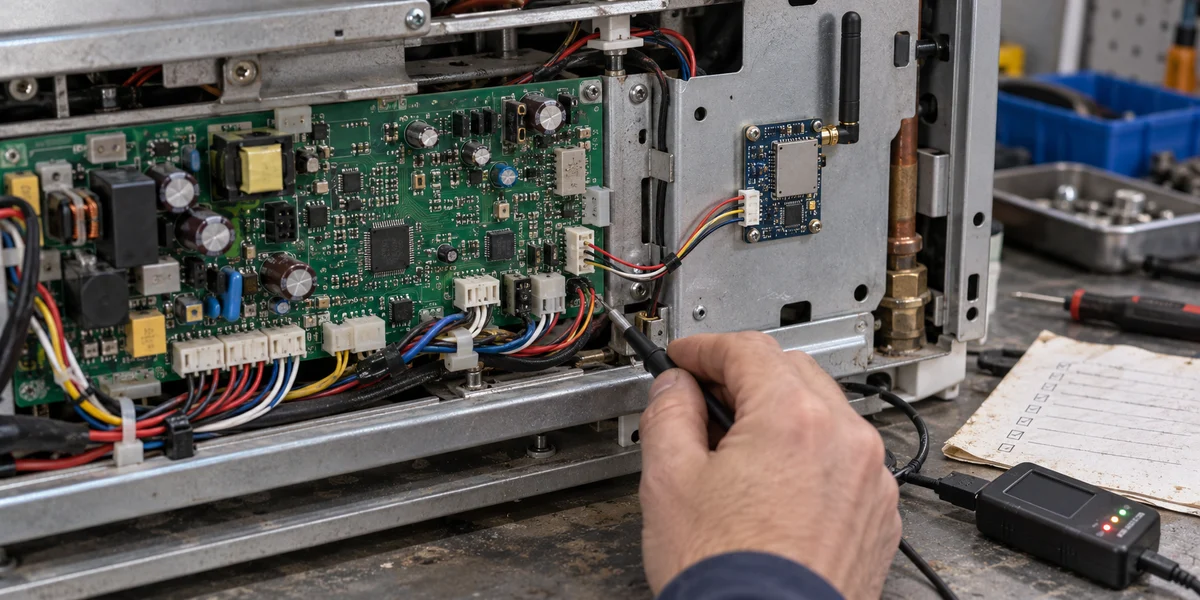
Connecting an Existing MCU Product to Tuya: DP, UART, Prototype, and OTA Gates
A device that used to work with local buttons now appears in an app after a connectivity module is added. That is progress, not acceptance.
Read article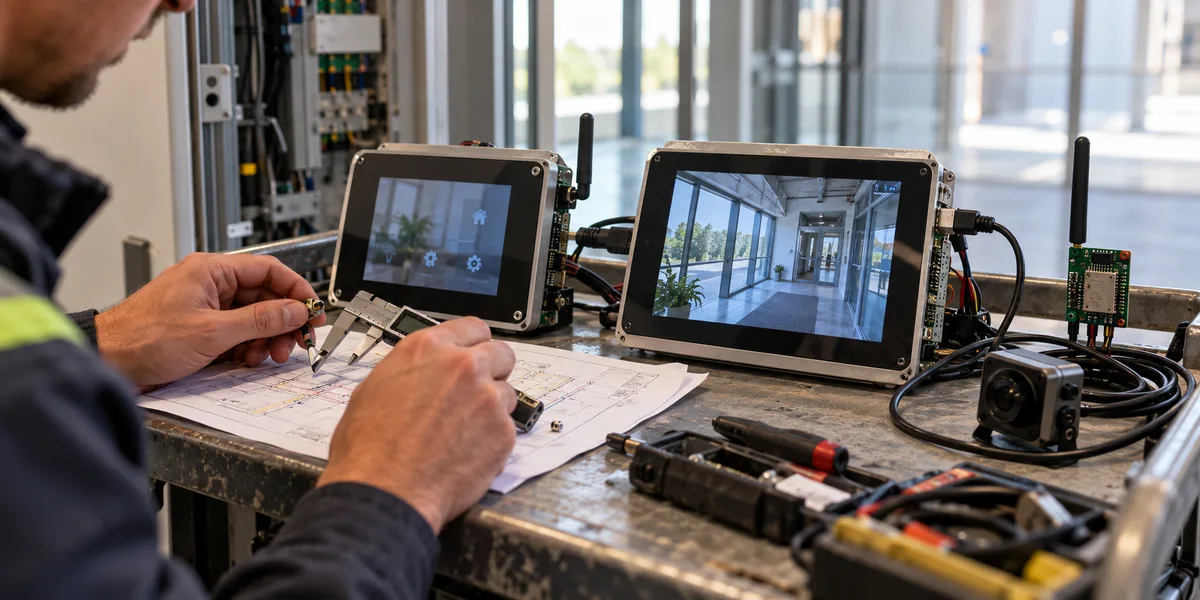
ESP32-P4 vs ESP32-S3: Choosing for Displays, Cameras, and Wireless Products
Use display and camera interfaces, RAW/ISP or H.264 needs, wireless architecture, and matched-workload tests to decide which ESP32 platform to prototype first.
Read article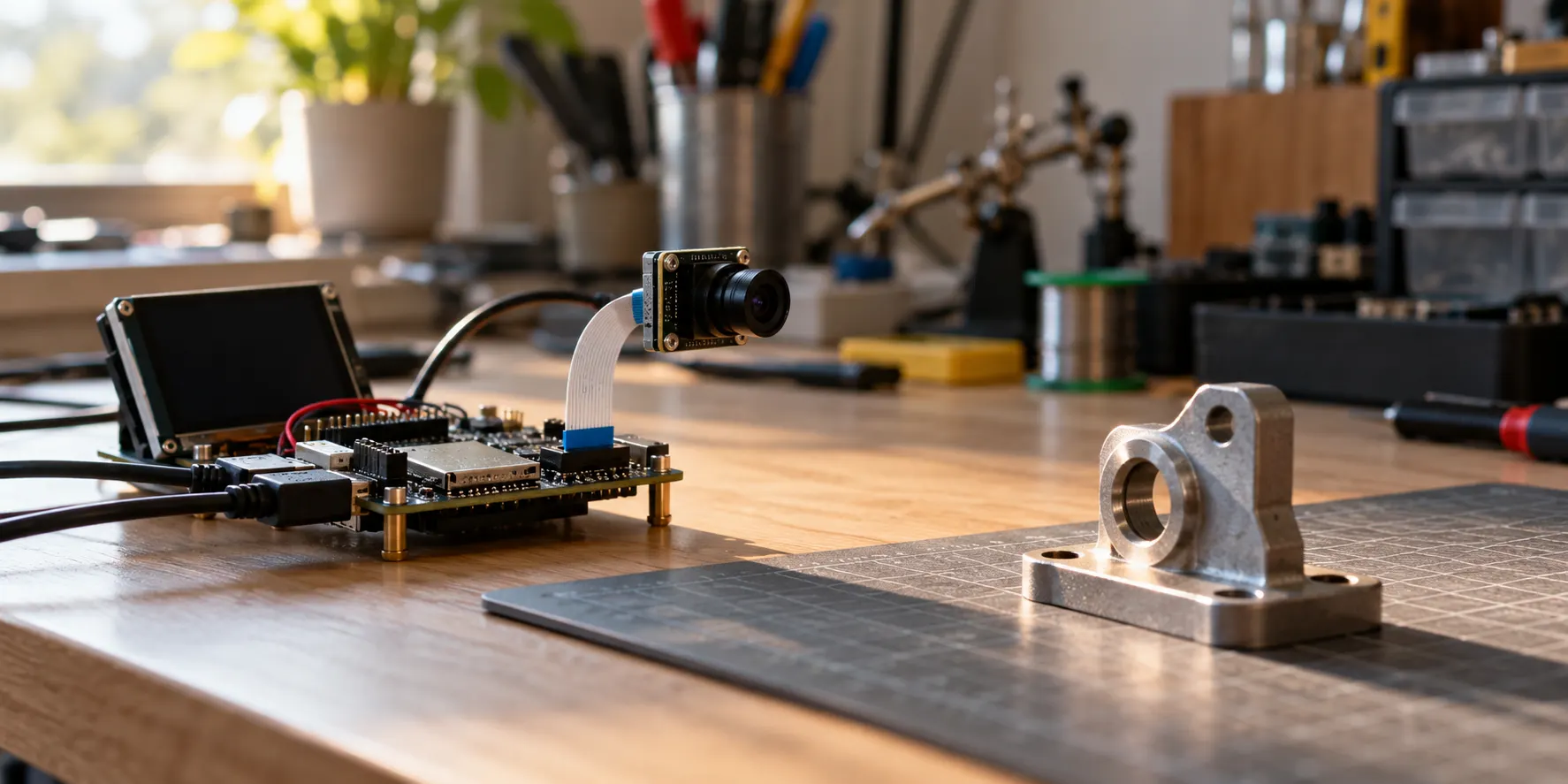
What Edge AI Models Can ESP32-P4 Run? From ESP-DL Support to Real-Time Vision Validation
An ESP-DL model listing may say “ESP32-P4 supported,” but that does not answer the question a camera product has to answer.
Read article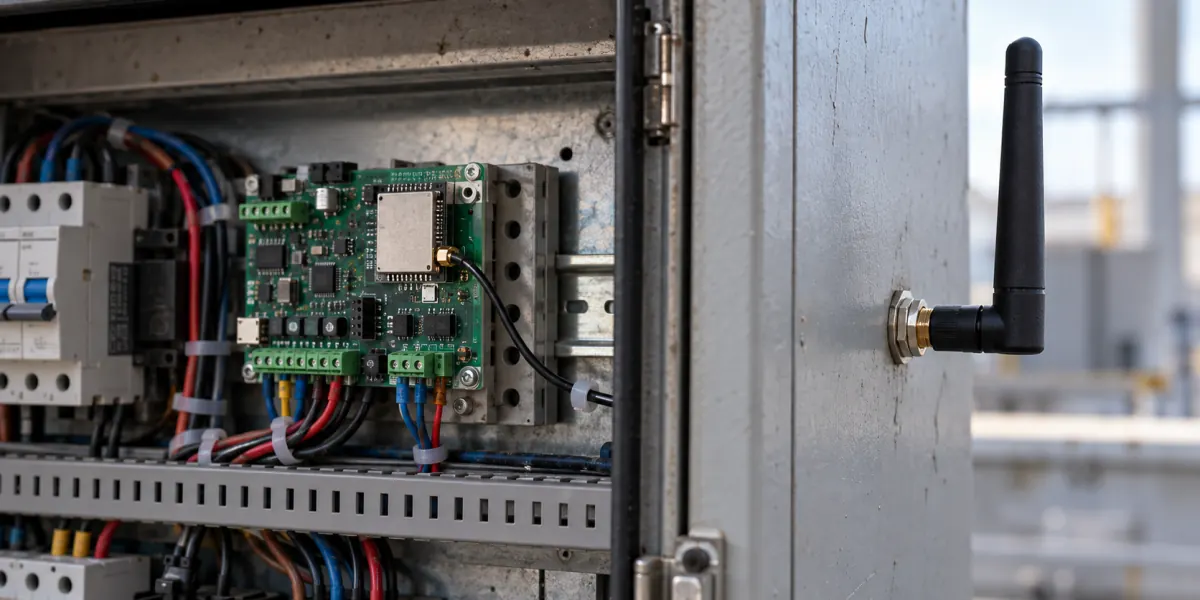
ESP32 PCB or External Antenna in a Metal Enclosure: What to Check Before Selecting the Module
An ESP32 prototype connects reliably on an open bench but drops its Wi-Fi link once the metal cabinet door closes.
Read article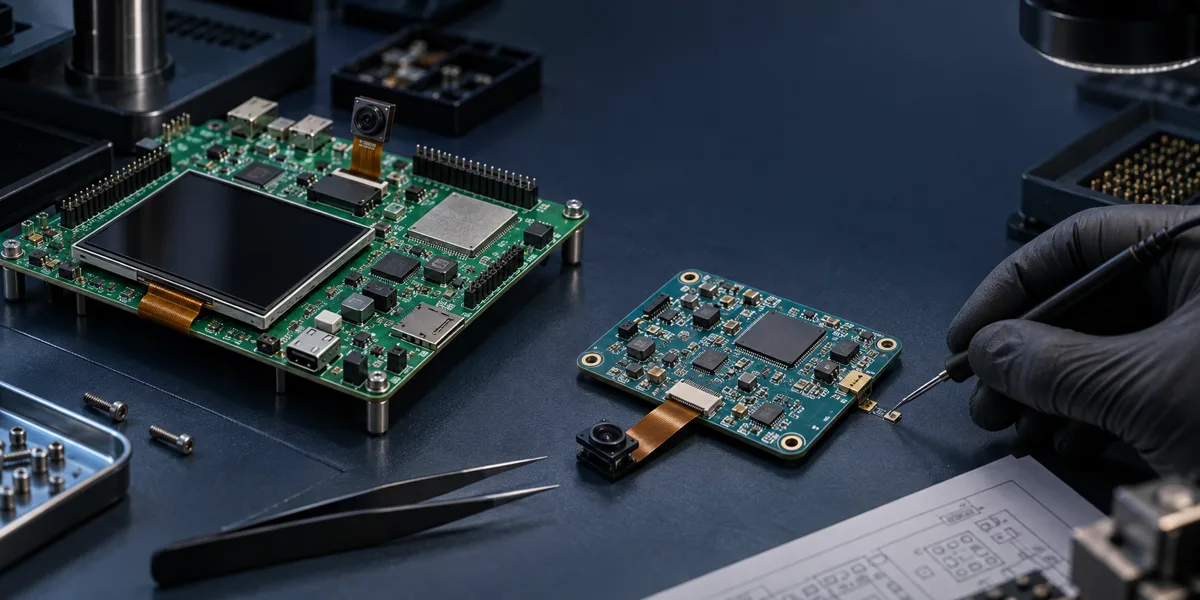
From ESP32-P4 Function EV Board to a Custom PCB: What Must Be Revalidated
A screen, camera and network demo may all work on the ESP32-P4 Function EV Board. That is useful evidence for the particular board.
Read article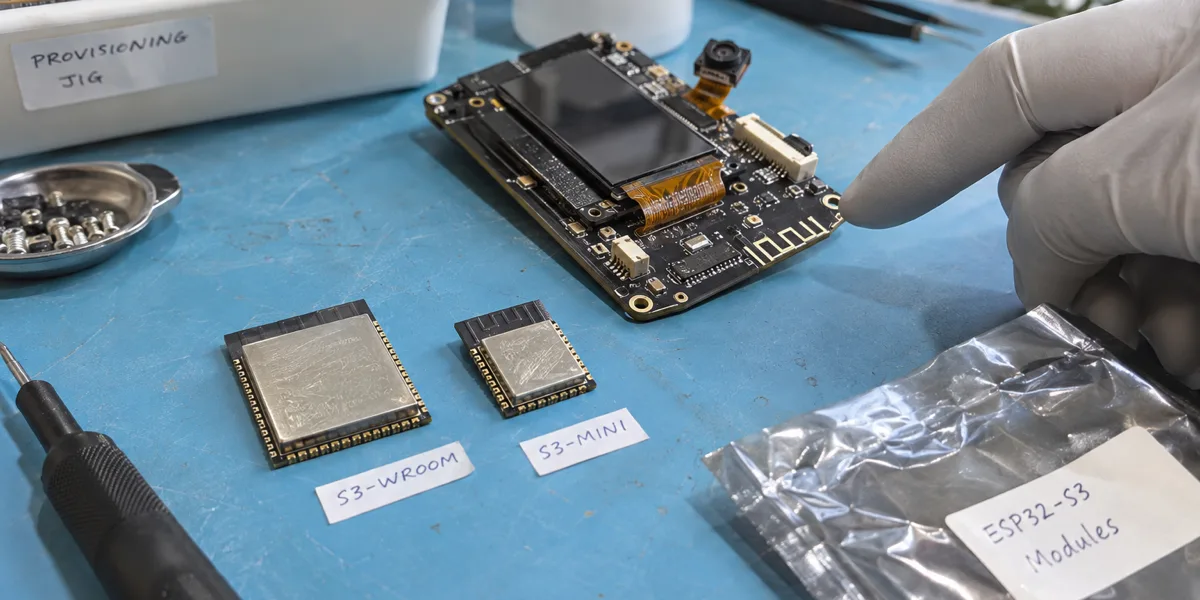
ESP32-S3 WROOM vs MINI: Choose PSRAM, Footprint, and Antenna for Your Product
An ESP32-S3 development board running a display, voice, or camera demo does not establish which module belongs on the product PCB.
Read article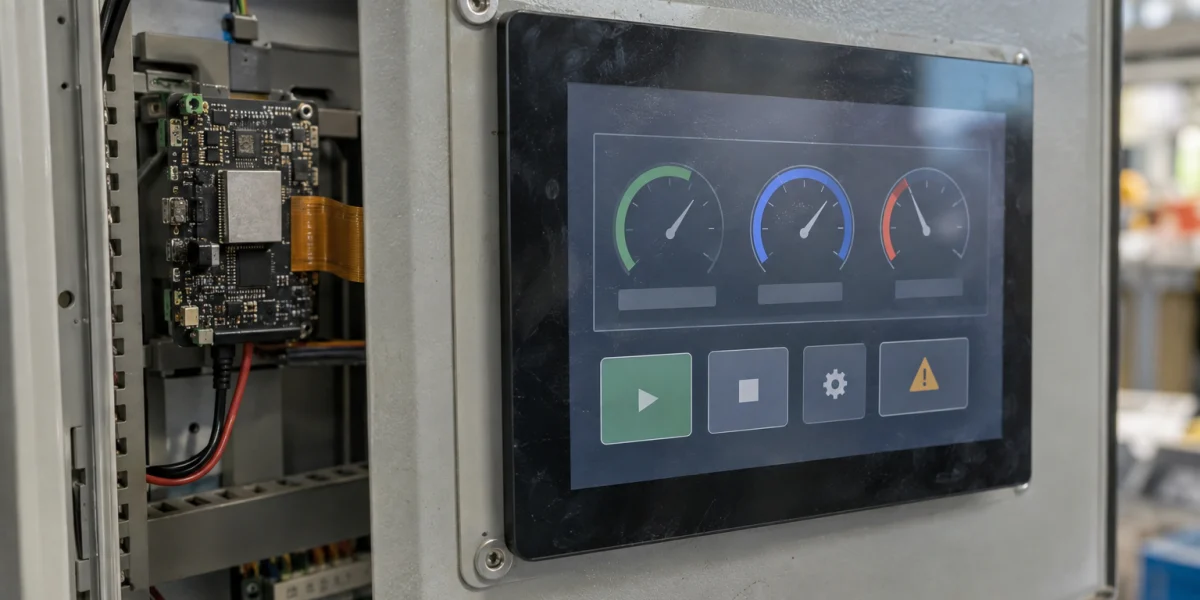
ESP32-P4 LVGL HMI: Budget Frame Buffers Before Tuning Refresh and Tearing
An 800 × 480 panel in RGB565 needs 768,000 bytes for one uncompressed frame. Two panel frames alone consume about 1.46 MiB, before LVGL draw buffers, fonts.
Read article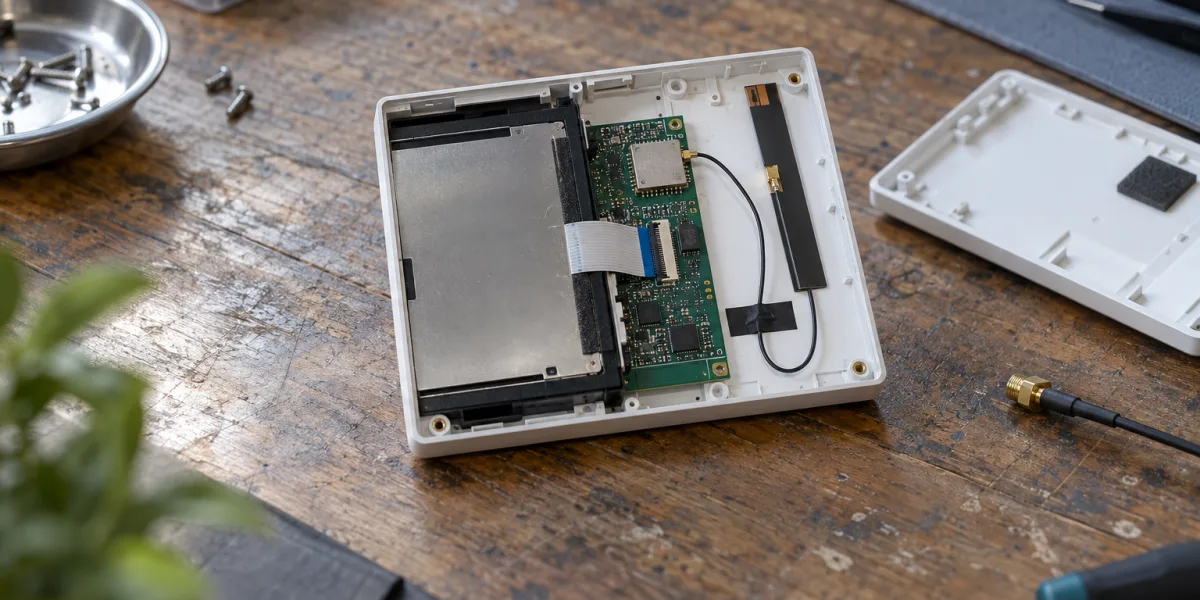
Tuya Wi-Fi 6 vs Dual-Band Modules: Choose by Band, Radio, and Antenna
Dual-band is not synonymous with Wi-Fi 6. Compare Tuya T7-U-IPEX, WBR2D, and T5-E1-IPEX by band, radio standard, antenna, provisioning, and product-validation work.
Read article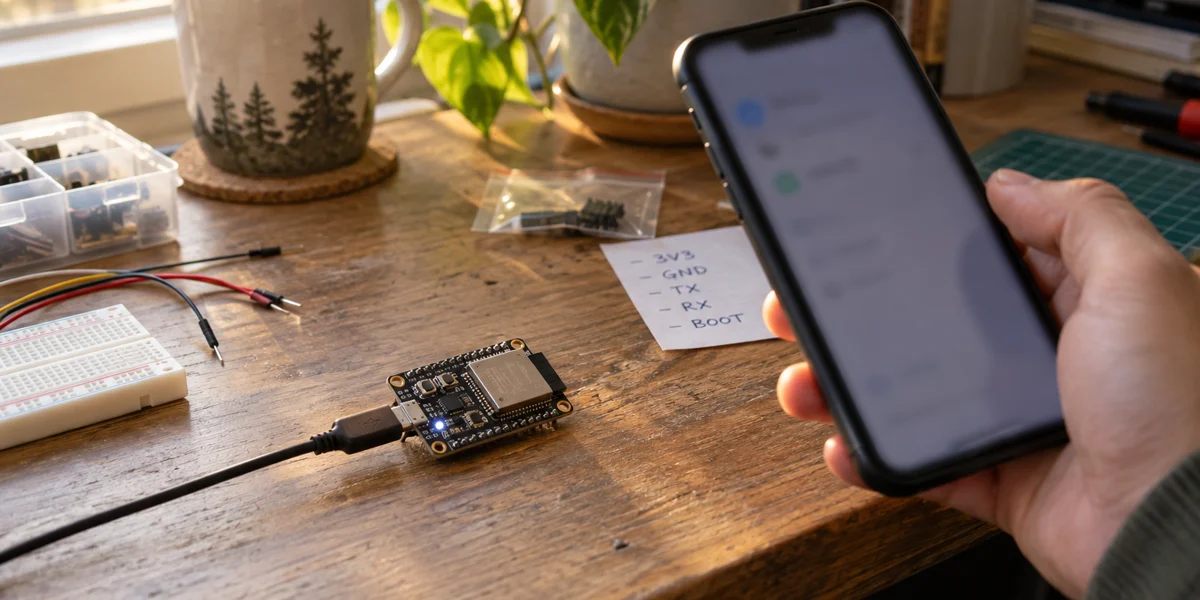
Meta Muse on ESP32: A Gadget Prototype Is Not a Product License
Meta has published a Muse Gadget SDK with ESP32 firmware. You can use it to connect a board to Muse and expose device commands.
Read article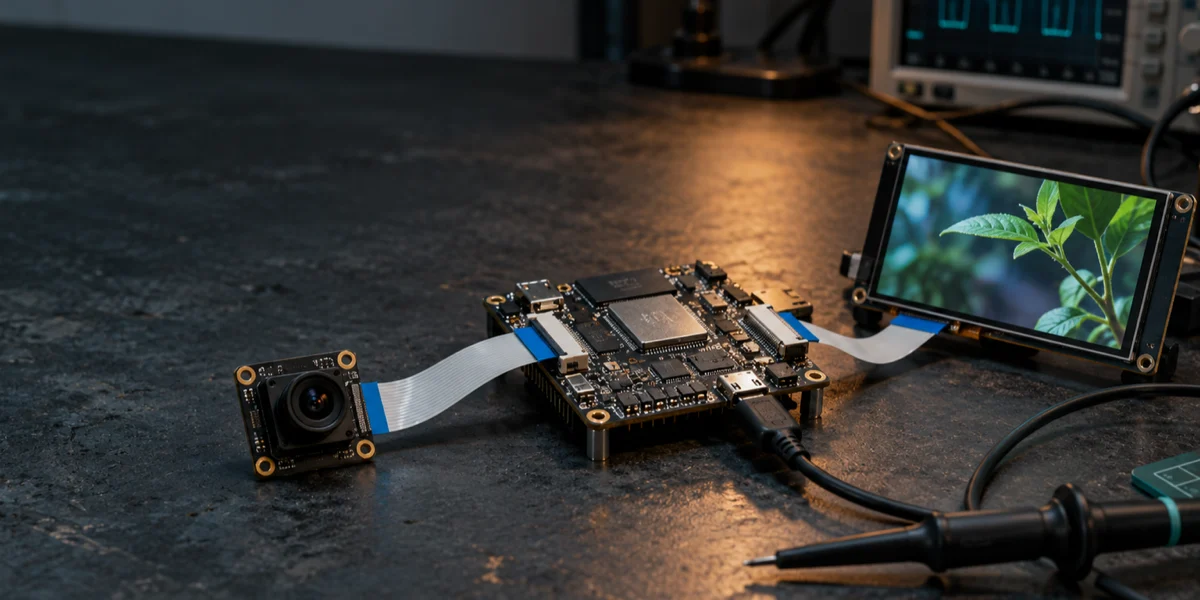
Inside the ESP32-P4 Camera-to-Display Pipeline: CSI, ISP, PPA, Buffers, and DSI
A camera preview that reaches the screen is not yet a reliable camera-to-display design. The critical question is what happens to each completed frame between the.
Read article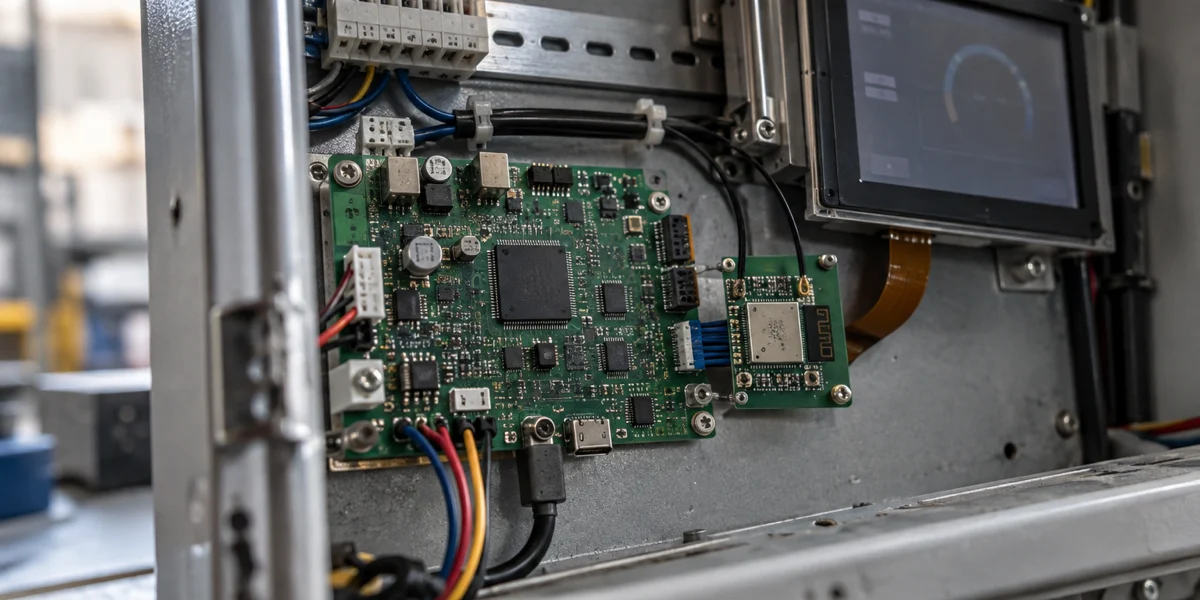
ESP32-P4 Has No Wi-Fi: Choosing a C6 Co-Processor, Transport, and Dual-Firmware Boundary
ESP32-P4 does not integrate Wi-Fi or Bluetooth. When a product needs P4's display, camera, or multimedia capabilities as well as wireless connectivity.
Read article
How to Choose an RK3588, RK3576, RK3568, or RK3566 Core Board
Suppose a device needs two cameras, two wired network connections, and a display. A supplier sends back a one-page RK3588 or RK3576 specification headed “6 TOPS.
Read articleEvaluating a Embedded System Development project?
Share the device, data flow, network condition, target users, and business system boundaries. We can help you decide what to build first.