

AI + IoT Engineering Insights · Page 2
Continue browsing practical engineering articles on connected devices, platforms, protocols, edge systems, and applied AI.
Blog articles · Page 2
Continue through the archive, or return to the blog home to browse by engineering topic.
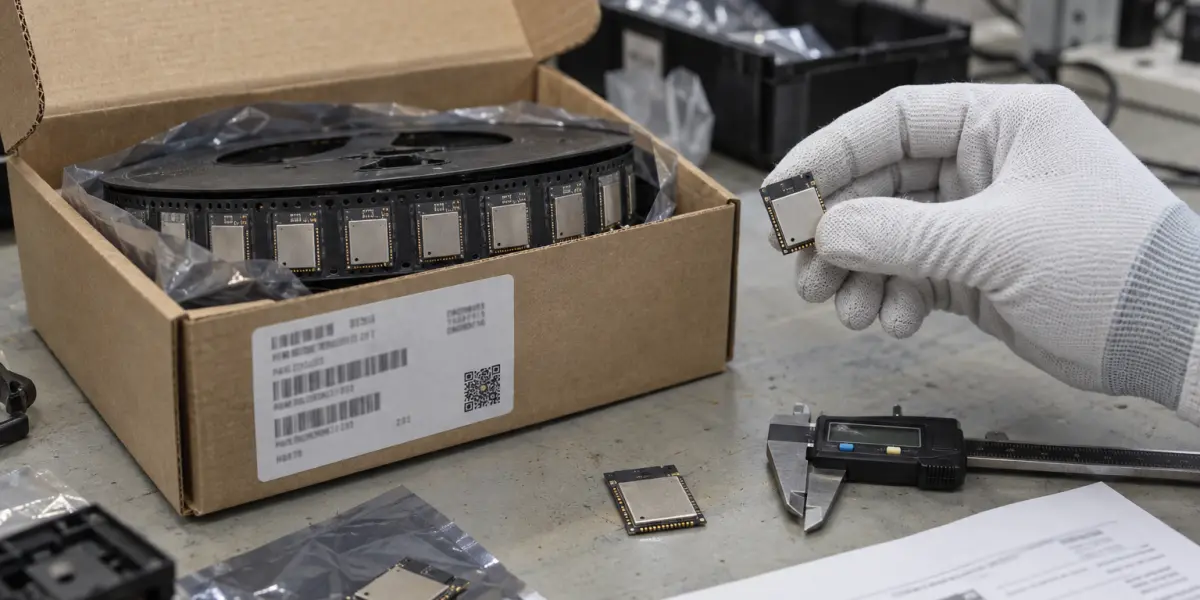
How to Read Espressif ESP32 Module Part Numbers: What N, R, H, and U Actually Mean
Learn what N, R, H, U, version markers, and WROOM/MINI names can reveal in ESP32 module part numbers—and what still needs a datasheet and traceable label.
Read article
Temperature Alarm Design: Detect, Acknowledge, Recover, and Audit
A freezer warms briefly during restocking and sends repeated alerts. Later, a genuine high-temperature incident disappears from the dashboard when someone clicks.
Read article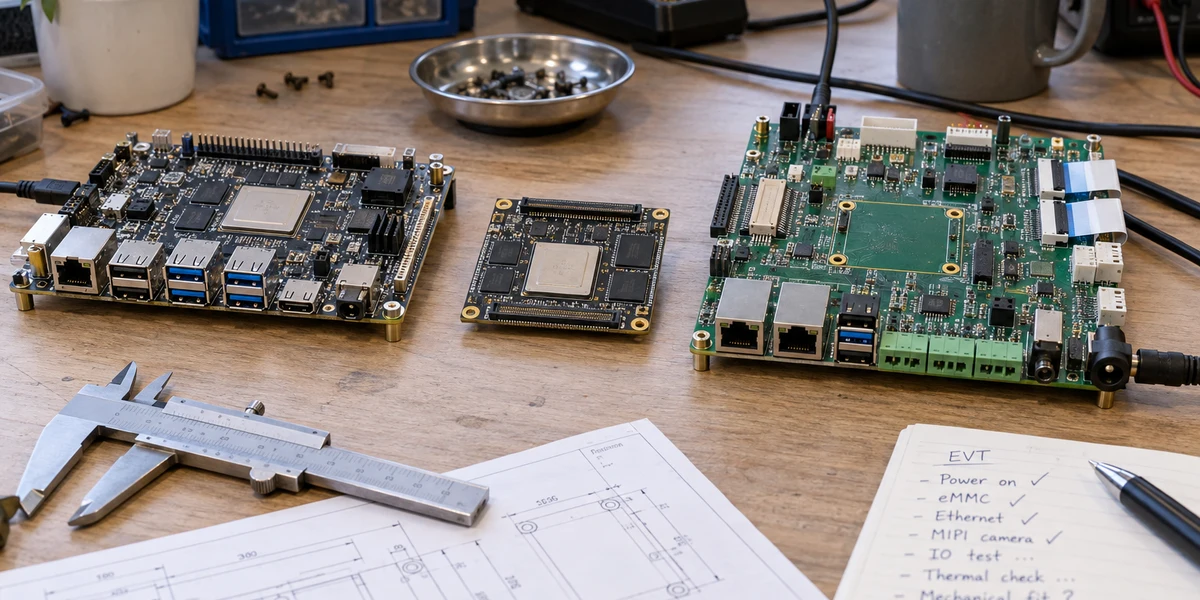
Rockchip Dev Board vs SoM vs Carrier Board: How to Choose
A development board, SoM, and carrier board are not performance tiers. Choose the right Rockchip path for PoC, EVT, DVT, PVT, and production.
Read article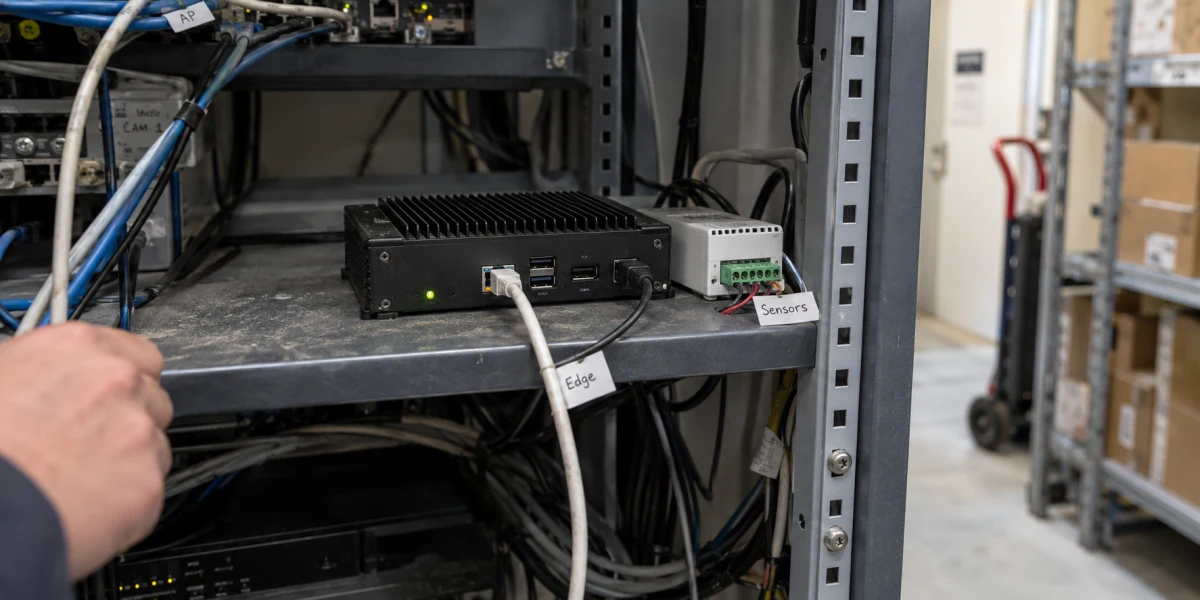
When an RK3566 AIoT Gateway Is Enough for Lightweight Edge Computing
Select an RK3566 AIoT gateway by deadlines, CPU/NPU/memory/I/O contention, sustained load, degradation, and recovery—not 1 TOPS or a short demo.
Read article
Multi-Store Serial Device Retrofit: How to Size and Place IoT Gateways
Do not size a multi-store serial-device rollout by dividing the total device count by a vendor maximum.
Read article
How to Implement Refrigeration Controller Logic: Compressor, Fan, Defrost, and Fail-Safe States
The core of a refrigeration controller is not the rule “turn on the compressor when temperature is high.” It is a priority-ordered state machine with explicit.
Read article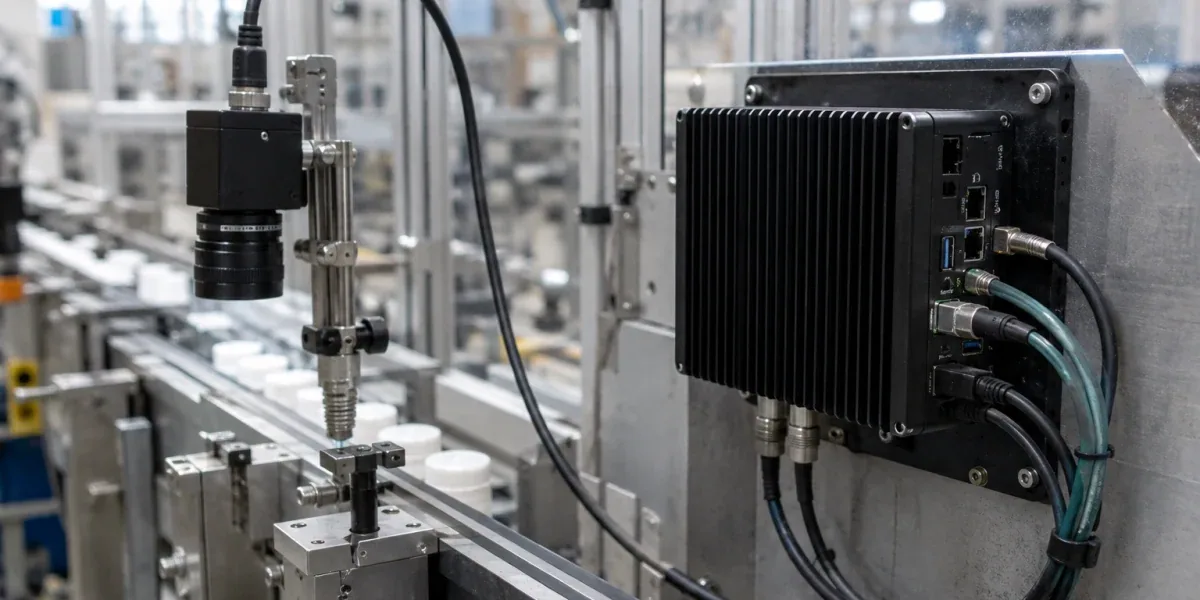
When an RK3588 Edge AI Box Fits Industrial Vision—and When It Does Not
A 6-TOPS RK3588 does not automatically deliver a production vision system. Learn how to qualify camera, RKNN, latency, thermal, recovery, and rollback boundaries.
Read article
IoT Platform Source Code Delivery vs SaaS: Choose by Responsibility and Exit Cost
Compare IoT platform source code delivery, private deployment, and SaaS through a responsibility ledger, five-year TCO, and a supplier-absent exit test.
Read article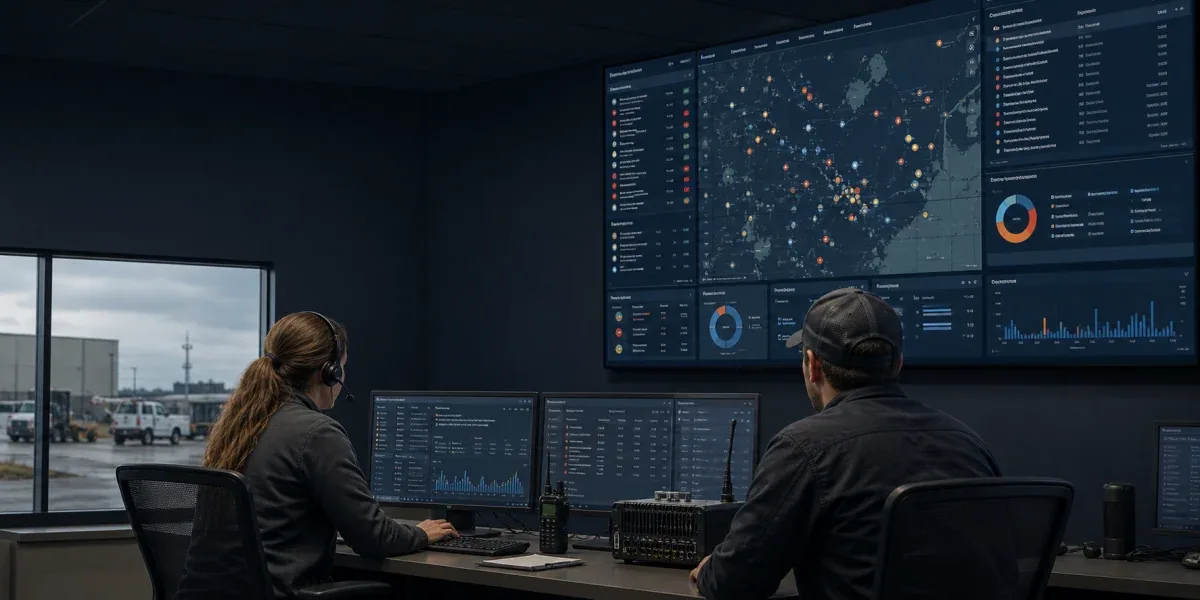
What a Practical Fleet Ops Console Should Actually Show
A practical Fleet Ops console should not begin by answering how many devices exist. It should let an on-call operator answer six questions within one minute.
Read article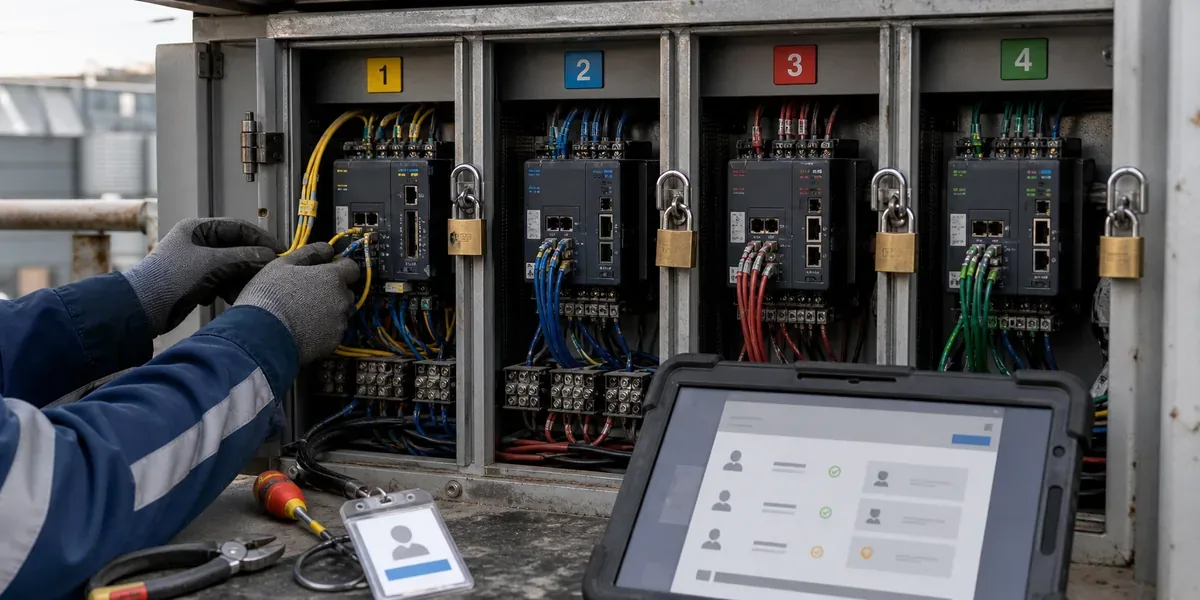
Permission Models for Multi-Tenant Device Management: Why RBAC Is Not Enough
The most dangerous authorization defect in a multi-tenant device platform is rarely a missing menu permission.
Read article
Asset Model vs Telemetry Schema: How to Separate the Contracts
An industrial asset model and a telemetry schema should not share one lifecycle. The asset model answers what an entity is, where it belongs.
Read article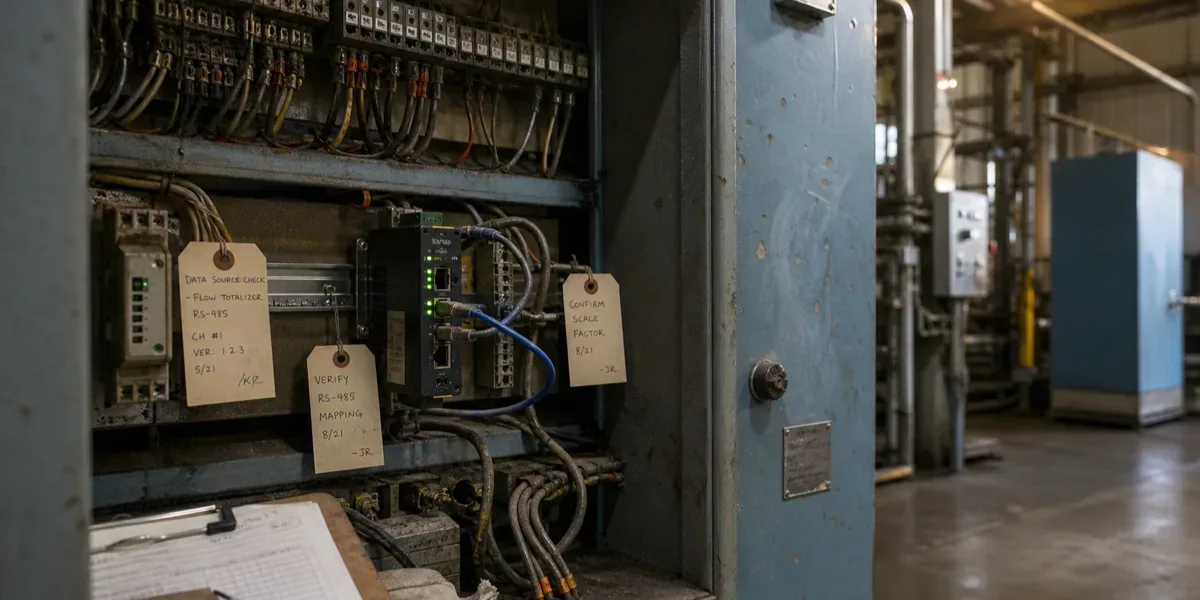
Brownfield Industrial Data Quality: A Reproducible Governance Case
A brownfield integration can look successful long before its data is safe to use. A Modbus register responds, an OPC UA subscription produces values.
Read articleNeed to apply one of these ideas to your device or platform?
Share your device type, protocol, site conditions, platform goals, or AI workflow. We can help you evaluate the most practical implementation path.